The Best Luxury Barolo Brands represent the pinnacle of Italian winemaking, and few wines command the same reverence among collectors, sommeliers, and serious drinkers. Barolo, the king of wines from the Langhe hills of Piedmont, is made entirely from Nebbiolo, a grape that demands patience, precise hillside sites, and a winemaker willing to wait years before a bottle is ready to pour.
What separates a luxury Barolo brand from an ordinary one is not marketing or a heavy bottle. It is the vineyard. The greatest names own or farm parcels in the most celebrated crus of the Barolo zone, from Cannubi and Brunate to Rocche dell’Annunziata and Monforte, and they vinify those sites with a discipline refined over generations. Their wines are released only when ready and built to age for decades.
This guide profiles ten producers that define luxury Barolo today, from historic nineteenth-century houses to modern estates that reshaped the region. Each is judged on vineyard holdings, consistency, ageing potential, and reputation among collectors.
Key takeaways
- Barolo is made only from Nebbiolo grown in eleven communes around Alba in Piedmont, and the best luxury brands farm the most celebrated cru vineyards.
- Giacomo Conterno, Bruno Giacosa, and Vietti are the benchmark names, with flagship bottles that sell for several hundred dollars and age for thirty years or more.
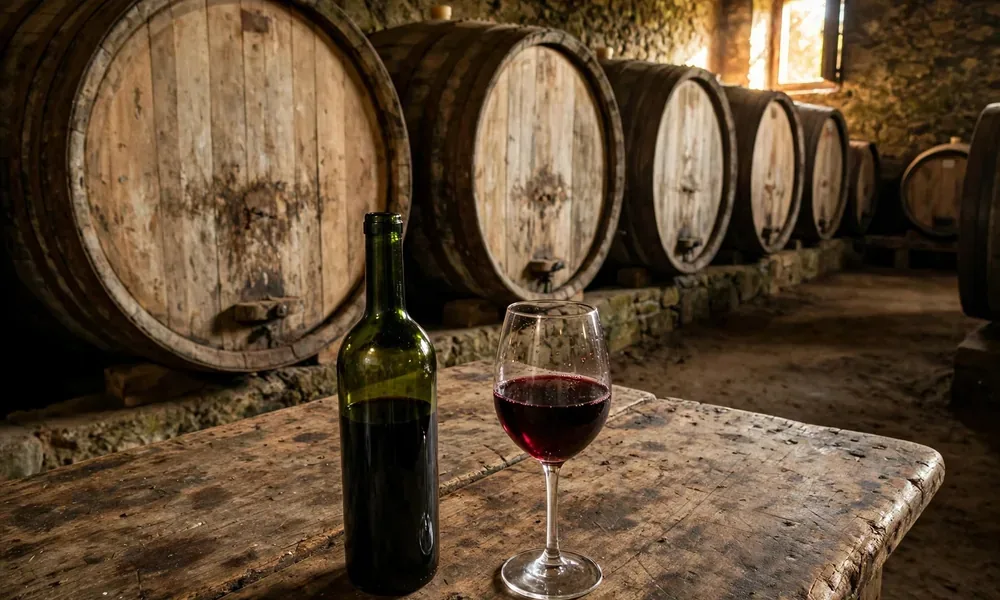
- Traditional producers age Barolo in large Slavonian oak botti, while modernist houses use French barriques for a softer, earlier-drinking style.
- A great Barolo needs at least five to ten years in the cellar, and the finest vintages reward twenty years or longer.
- Buy from trusted merchants, and favour strong vintages such as 2016, 2019, and 2021 for cellaring.
How the Best Luxury Barolo Brands Were Chosen
The ten brands here were selected for vineyard quality, track record, and standing among collectors. Every producer owns or controls parcels in recognised cru sites, releases wines that improve with long ageing, and has a history of strong vintages. Each brand is also available through reputable wine merchants, so these bottles can actually be found and bought with confidence.
Best Luxury Barolo Brands at a Glance
| Brand | Flagship Wine | Style | Typical Price | Drink Window |
|---|---|---|---|---|
| Giacomo Conterno | Monfortino Riserva | Traditional | $900-$1,500 | 20-40 years |
| Bruno Giacosa | Falletto Vigna Le Rocche Riserva | Traditional | $600-$1,200 | 15-35 years |
| Vietti | Rocche di Castiglione | Balanced | $250-$450 | 12-30 years |
| Gaja | Sperss | Modern | $350-$600 | 12-30 years |
| Bartolo Mascarello | Barolo | Traditional | $350-$600 | 15-35 years |
| Poderi Aldo Conterno | Colonnello | Traditional | $150-$300 | 15-30 years |
| Pio Cesare | Ornato | Balanced | $120-$200 | 10-25 years |
| Ceretto | Bricco Rocche | Modern | $180-$350 | 12-30 years |
| Marchesi di Barolo | Cannubi | Traditional | $90-$180 | 10-25 years |
| Fontanafredda | La Rosa | Balanced | $80-$160 | 10-25 years |
The 10 Best Luxury Barolo Brands
1. Giacomo Conterno
Giacomo Conterno is the most revered name in Barolo, and its flagship Monfortino Riserva is widely regarded as the greatest wine of Piedmont. The estate is based in Monforte d’Alba, and its fame rests on a single vineyard, Cascina Francia in Serralunga d’Alba, a south-facing amphitheatre of calcareous marl that produces Nebbiolo of extraordinary concentration. Monfortino is made only in exceptional vintages, fermented slowly, and aged for years in large oak botti before release.
The house style is uncompromisingly traditional. A young Monfortino is famously austere, all tannin and dark cherry, rose, and tar, and it needs at least fifteen years before it begins to open. At maturity it is a wine of astonishing depth, with layers of dried rose, liquorice, truffle, and sweet spice.
2. Bruno Giacosa
Bruno Giacosa built one of the most respected estates in Piedmont from a small family cellar in Neive, and his red-labelled riservas remain benchmarks for the region. The estate is best known for its single-vineyard Barolos from Falletto in Serralunga d’Alba, particularly the Vigna Le Rocche Riserva, a wine of rare finesse and aromatic lift.
The Giacosa style pairs traditional long ageing in large oak with meticulous vineyard work and ruthless selection. Only the best fruit enters the riserva bottlings, and in weaker years the riserva is simply not made. The result balances power and perfume, with rose petals, red cherry, mint, and sweet tobacco over a firm, fine-grained tannic frame. Expect to pay six hundred dollars or more for a riserva, and be prepared to wait a decade or longer for it to show its best.
3. Vietti
Vietti is one of the most dynamic luxury Barolo producers, a family estate in Castiglione Falletto that has combined historic vineyards with careful modernisation. Under the Currado family, Vietti assembled an enviable portfolio of cru sites, including Rocche di Castiglione, Brunate, Lazzarito, and Ravera.
The house style is balanced rather than extreme. Fermentations are neither rushed nor excessively long, and ageing takes place in a mix of large botti and smaller oak, giving wines that are structured yet approachable earlier than the most traditional producers. The Rocche di Castiglione is the flagship, a wine of perfume, precision, and length. Vietti’s Barolos typically cost two hundred and fifty to four hundred and fifty dollars, a relative value among the top tier.
4. Gaja
Gaja is the most famous name in Piedmontese wine, and although the estate is based in Barbaresco, its Barolo crus Sperss and Conteisa are among the most sought-after bottles in the region. Angelo Gaja transformed his family estate into an international luxury brand, introducing French barriques, shorter macerations, and a polish that made Nebbiolo accessible to drinkers who had found traditional Barolo too austere.
Sperss, from the Serralunga d’Alba vineyards of Marenca-Rivette and Coste di Rose, is the estate’s great Barolo, a wine of depth, spice, and silken tannin. Conteisa, from Cerequio in La Morra, is more aromatic and elegant, with lifted notes of rose and red fruit. Gaja Barolos typically sell for three hundred and fifty to six hundred dollars and age well for twenty to thirty years.
5. Bartolo Mascarello
Bartolo Mascarello is a cult name among Barolo lovers, a small family estate in the village of Barolo itself that has never made a single-vineyard wine. Instead, the estate blends Nebbiolo from Cannubi, San Lorenzo, Rue, and Rocche dell’Annunziata into one Barolo that expresses the whole commune rather than one cru. The approach is old-fashioned and deliberate, and the results are extraordinary.
The wines are fermented with indigenous yeasts in concrete and aged in large Slavonian oak botti, with no new small barrels at all. The style is aromatic and transparent, with bright cherry, rose, orange peel, and a savoury, almost balsamic depth. Tannins are firm but fine, and the wines age beautifully, gaining complexity for thirty years or more while never losing their perfume.
6. Poderi Aldo Conterno
Poderi Aldo Conterno is a Barolo-only estate in Monforte d’Alba, founded when Aldo Conterno left the family house to build a cellar devoted entirely to the great crus of his home village. The estate farms Bussia, Colonnello, Cicala, and Romirasco, four of the most celebrated vineyards in Serralunga-adjacent Monforte, and bottles each as a single-cru Barolo in the finest vintages.
The flagship Colonnello is a powerful, classic Barolo with dark cherry, plum, liquorice, and rose, supported by firm tannins that soften with a decade or more of age. Poderi Aldo Conterno Barolos typically cost between one hundred and fifty and three hundred dollars, and the best vintages age for twenty-five years or more.
7. Pio Cesare
Pio Cesare is one of the oldest wine houses in Piedmont, founded in Alba in 1881, and it remains a benchmark for classic, well-made Barolo. The family owns vineyards in Serralunga d’Alba, La Morra, and Monforte d’Alba, including the Ornato cru in Serralunga, which produces the estate’s flagship single-vineyard wine.
Ornato is a powerful, structured Barolo with notes of dark cherry, plum, violet, and spice, framed by ripe tannins and a long finish. Fermentation takes place in temperature-controlled steel, and ageing uses a mix of large botti and French oak. Prices generally range from one hundred and twenty to two hundred dollars, and the wines hold for twenty-five years.
8. Ceretto
Ceretto is a modernist pioneer that helped put Barolo on the world map in the 1970s and 1980s. The brothers Bruno and Marcello Ceretto, based in Alba, championed single-vineyard bottlings and the use of French barriques, producing Barolos softer and more approachable young than the traditional wines of the time.
Bricco Rocche, from Castiglione Falletto, is the flagship Barolo, a wine of perfume and finesse with rose, red cherry, spice, and a supple texture. The modernist approach shows in the polish of the tannins and the sweetness of the fruit, though the wines still carry the structure and acidity that define Nebbiolo. Ceretto Barolos typically sell for one hundred and eighty to three hundred and fifty dollars and age for twenty to thirty years.
9. Marchesi di Barolo
Marchesi di Barolo is the estate where Barolo itself was born, founded in the village of Barolo by the Falletti family in the nineteenth century. The historic cellars sit in the centre of the village, and the estate owns parcels in Cannubi, one of the most famous vineyards in all of Italy.
The flagship Cannubi Barolo is an elegant, aromatic wine with rose, red cherry, strawberry, and a delicate spiciness, reflecting the sandy soils of the Cannubi hill. The estate’s other crus are made in the same traditional style, with ageing in large oak and a focus on perfume over power. Marchesi di Barolo wines generally cost ninety to one hundred and eighty dollars, among the most accessible luxury Barolos, and they age for twenty years or more.
10. Fontanafredda
Fontanafredda is the largest and most historic estate in the Barolo zone, founded in 1858 by the first King of Italy, Vittorio Emanuele II, in Serralunga d’Alba. The estate’s vineyards and cellars are among the most impressive in Piedmont, and its Barolos combine scale with genuine quality. The flagship La Rosa, from the Vigna La Rosa cru in Serralunga, is a powerful, structured wine that represents the estate at its best.
La Rosa shows the classic Serralunga character: dark cherry, plum, liquorice, and rose over firm, long-lived tannins. Ageing takes place in a mix of large botti and barriques. Fontanafredda Barolos typically sell for eighty to one hundred and sixty dollars, the most affordable name on this list, and they age well for fifteen to twenty-five years.
Barolo vs Barbaresco: What Makes Them Different
Barolo and Barbaresco are the two great Nebbiolo wines of Piedmont, distinct in place, style, and ageing rules. Barolo comes from eleven communes south and west of Alba, including Barolo, La Morra, Castiglione Falletto, Monforte d’Alba, and Serralunga d’Alba. Barbaresco comes from four communes north-east of Alba, centred on Barbaresco, Neive, and Treiso. Barolo’s marl soils give structure and power, while Barbaresco’s lighter, sandier soils give perfume and elegance.
The ageing rules also differ. Barolo must age at least thirty-eight months before release, with eighteen months in oak, while Barbaresco requires twenty-six months with nine in oak. In the glass, Barolo is generally more powerful and tannic, with dark cherry, tar, rose, and truffle, and it needs longer in the cellar. Barbaresco is typically softer and earlier drinking.
Neither is better; they are two expressions of the same grape from different hills. Many of the producers in this guide, including Gaja, Bruno Giacosa, and Vietti, make both wines, and tasting them side by side is the best way to understand Nebbiolo. For a broader sense of how Italian reds fit into a serious cellar, our guide to the best red wines to collect in 2027 places Barolo alongside the other great bottles worth owning.
How to Choose the Right Luxury Barolo
Choosing a luxury Barolo starts with the vintage. Strong recent vintages such as 2016, 2019, and 2021 produced balanced, structured wines with ageing potential, while warmer years such as 2017 and 2018 gave softer, earlier-drinking wines. The cooler, more classic vintages reward cellaring, and the warmer ones are better for drinking sooner. Always check the vintage before buying.
Next, consider the style you prefer. Traditional producers such as Giacomo Conterno, Bartolo Mascarello, and Bruno Giacosa age their wines in large botti and release them austere and tannic, needing a decade or more to open. Modernist houses such as Gaja and Ceretto use smaller French oak for a softer, more approachable wine that drinks well earlier. Balanced producers such as Vietti and Pio Cesare sit between the two.
Finally, think about when you plan to drink the wine. A bottle bought for a dinner next month should be at least eight to ten years old and from a producer known for earlier approachability. A bottle bought for a cellar can be young and tannic, provided it comes from a top cru and a strong vintage. If you are planning a trip to the region, the best restaurants in Napa for wine lovers can help you plan a wider wine-travel itinerary before you head to Piedmont.
Food Pairing and Serving
Barolo is a food wine, and its high acidity and firm tannins make it a superb partner for rich, savoury dishes. The classic pairings of Piedmont are white truffle dishes, tajarin pasta with butter and sage, brasato al Barolo, and aged cheeses such as Castelmagno. The wine’s rose and tar aromas also complement roasted meats, game, and mushroom dishes.
Serve Barolo at sixteen to eighteen degrees Celsius, and decant young bottles for at least two hours before drinking. Older bottles should be stood upright for a day so the sediment settles, then decanted gently off the sediment just before serving.
Checklist
- Confirm the producer and cru on the label, and check the vintage before buying.
- Buy from a reputable merchant, and avoid bottles with damaged capsules, low fills, or unclear storage history.
- Decide whether you want a traditional, modern, or balanced style, and match the producer to your taste and drinking window.
- Plan for patience: most luxury Barolos need at least five to ten years in the cellar, and the finest need fifteen or more.
- Store bottles on their side at twelve to fourteen degrees Celsius, away from light and vibration.
- Open the bottle at the right moment, decant it properly, and serve it with rich, savoury food to show it at its best.
Frequently Asked Questions
What is the best luxury Barolo brand overall?
Giacomo Conterno is widely considered the finest Barolo producer, and its Monfortino Riserva is the most celebrated wine of Piedmont. Bruno Giacosa and Vietti are close behind, each with flagship crus that collectors prize. Any of the ten brands in this guide is a safe and rewarding buy.
How long should I age a luxury Barolo?
Most luxury Barolos need at least five to ten years from the vintage before they begin to open, and the finest wines from top crus and strong vintages reward fifteen to thirty years in the cellar. Modernist wines from producers such as Gaja and Ceretto drink well earlier, often at eight to ten years, while traditional wines from Giacomo Conterno and Bartolo Mascarello can need fifteen years or more.
What is the difference between Barolo and Barbaresco?
Barolo and Barbaresco are both made entirely from Nebbiolo, but they come from different communes with different soils and ageing rules. Barolo is generally more powerful, tannic, and long-lived, while Barbaresco is softer, more aromatic, and earlier drinking. Barolo must age for at least thirty-eight months before release, compared with twenty-six months for Barbaresco.
How much should I expect to pay for a luxury Barolo?
Luxury Barolo prices range widely. Accessible names such as Fontanafredda and Marchesi di Barolo start near eighty dollars, mid-tier estates such as Vietti and Pio Cesare sell for one hundred and twenty to four hundred and fifty dollars, and the most celebrated bottles, such as Giacomo Conterno Monfortino and Bruno Giacosa riservas, cost six hundred dollars or more.
Which vintages are best for cellaring Barolo?
Among recent vintages, 2016, 2019, and 2021 are regarded as outstanding for cellaring, with balance, structure, and freshness that should reward long ageing. The 2013 and 2010 vintages are also highly regarded and are now entering their best drinking windows. Warmer vintages such as 2017 and 2018 produced softer wines that drink well sooner.
Can I visit the Barolo producers in Piedmont?
Yes, most of the estates in this guide welcome visitors, though appointments are essential, especially at smaller producers such as Bartolo Mascarello and Giacomo Conterno. The villages of Barolo, La Morra, and Serralunga d’Alba are compact and easy to explore by car, and the region is at its most beautiful during the autumn harvest and the white truffle season. If your interest in fine wine extends beyond Italy, our look at Moscato d’Asti, a sweet sparkling wine worth taking seriously, shows another side of Piedmont’s winemaking worth exploring on the same trip.
The Bottom Line
The best luxury Barolo brands share the same foundations: great cru vineyards, patient winemaking, and the discipline to release wines only when they are ready. Giacomo Conterno, Bruno Giacosa, and Vietti set the standard, while Gaja, Bartolo Mascarello, Poderi Aldo Conterno, Pio Cesare, Ceretto, Marchesi di Barolo, and Fontanafredda each offer a distinct and rewarding expression of Nebbiolo. Choose a strong vintage, buy from a trusted merchant, and give the wine the cellar time it deserves. A great Barolo rewards patience like few wines in the world, and these names are the surest way to experience it at its best.