
A leather handbag is one of the few fashion purchases that can genuinely last a decade, and one of the easiest to get wrong. The difference between a bag that ages beautifully and one that looks tired in a year is rarely the brand name on the front. It is the leather, the construction, and whether the bag suits the life it will actually lead, from the commute to the weekend to the evening out.
That is why this guide is organised by what to check before you buy, not by which bag is most popular. Price is a poor guide on its own. Some of the best-made leather bags are mid-priced, and some of the most expensive are the hardest to live with.
Below are nine things to check before you buy a leather handbag in 2027, from the leather itself to the stitching, the hardware, and the shape. Each one is described by what it is good at, what to watch for, and who it suits best, so you can choose with your routine in mind, not just a bestseller list.
Key takeaways
- Full-grain leather is the best quality to look for, because it keeps the natural grain and ages well, while corrected grain is sanded and coated and will not age in the same way.
- Check the stitching, the hardware, and the lining before you check the brand, because construction is what decides how long a bag lasts.
- A bag should fit what you actually carry, not what you wish you carried, so measure your laptop, your wallet, and your essentials before you buy.
- Leather needs care: a bag that is never conditioned will dry out, and a bag that is soaked in rain without protection will mark.
- No leather handbag suits every occasion, and a bag that is too heavy empty, too small for your essentials, or too delicate for daily use is the wrong bag, however good it looks in a photo.
What buying a leather handbag actually involves
Buying a leather handbag is a different decision from buying a trend-led bag, because leather is a material that changes with use. Good leather develops a patina, softens, and takes on character. Poor leather cracks, peels, or stays stiff and plasticky. Full-grain leather is the top layer of the hide with its natural grain intact, and it is the leather that ages best. Top-grain leather is sanded lightly and is still good quality, though it will not develop as much character. Corrected grain is heavily sanded and coated, and bonded leather is made from scraps and glue, and it is the one to avoid if you want a bag that lasts.
What buying well does not do is guarantee a bag you will love. A beautifully made bag in the wrong shape is still the wrong bag. A structured bag that cannot close properly will frustrate you every day. The shape, the size, and the way the bag opens and closes matter as much as the leather, and they are the things most often overlooked in the shop.
The other thing to know is that leather handbags need a little care, and that care is simple. A leather conditioner every few months, a waterproofing spray before the rainy season, and a habit of emptying the bag and storing it stuffed and in its dust bag will keep a good bag looking good for years.
How we chose these tips and what to look for
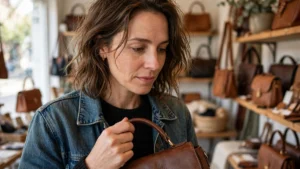
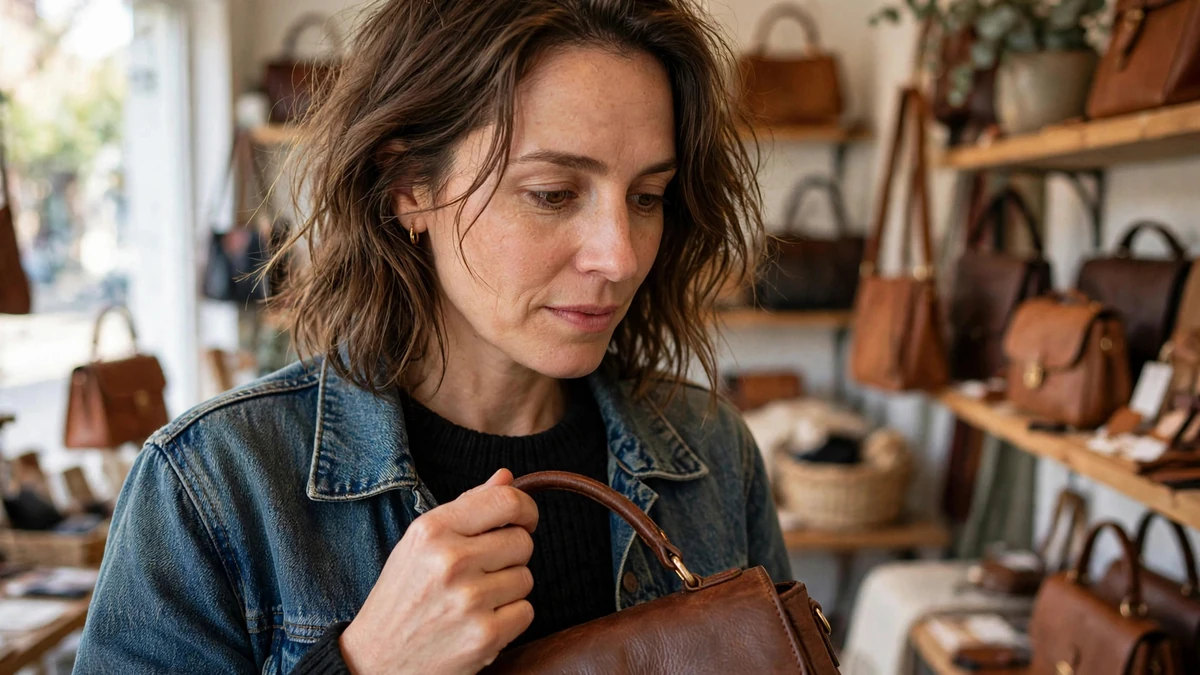
Look first at the leather and the label. Full-grain and top-grain are the grades to look for, and the label should say so, or the seller should be able to tell you. Feel the leather. Good leather feels supple and a little warm, not stiff and plasticky, and it should have a natural grain rather than a perfectly uniform printed pattern.

Look next at the construction. Stitching should be even, tight, and without loose threads, and the seams should be straight. Hardware should feel solid and heavy, not light and hollow, and zips should run smoothly without catching. The lining should be neat and firmly attached, because a lining that pulls away is a sign of poor construction. Our roundup of the best handbag trends of 2027 is a useful companion here, because it shows which shapes are current, and a shape that is both current and practical is the best combination.
Finally, look at the bag in use. Put your usual essentials inside and try it on your shoulder or in your hand. A bag that looks good empty can feel very different when it is full, and a bag that is heavy before you put anything in it will only get heavier.
The 9 tips for buying a leather handbag in 2027
Choose full-grain leather when you can
What we like: Full-grain leather keeps the natural grain of the hide, it is the strongest and most durable grade, and it develops a rich patina with use. What to consider: It costs more than other grades, and it shows natural marks and variations, which some people dislike. Best for: A bag you want to keep for years, and anyone who values leather that improves with age. Cost: Higher than top-grain or corrected grain. Time needed: A few minutes to check the label and feel the grain.
Check the stitching before anything else
What we like: Even, tight stitching is the clearest sign of good construction, and it is easy to check in the shop without any expertise. What to consider: Stitching can look neat on a new bag and still fail if the thread is poor quality, so check the seams at the handles and the base, where stress is greatest. Best for: Anyone buying a bag to use daily, and anyone who has had a bag fail at the seams before. Cost: Free to check. Time needed: Two minutes in the shop.
Test the hardware and the zips
What we like: Solid, heavy hardware and smooth zips are signs of a well-made bag, and they are the parts that fail first on a cheap bag. What to consider: Hardware can be heavy, which adds to the weight of the bag, and zips can feel stiff when new and need a few uses to run smoothly. Best for: Daily use, travel, and anyone who opens and closes their bag many times a day. Cost: Free to check. Time needed: A minute to open and close every zip and clasp.
Measure what you actually carry
What we like: A bag that fits your real essentials is a bag you will use every day, and measuring avoids the common mistake of buying a beautiful bag that is too small. What to consider: It is easy to underestimate what you carry, so measure your laptop, your wallet, your water bottle, and your phone, and add a little room. Best for: Commuters, parents, and anyone who carries a laptop or a book. Cost: Free. Time needed: Five minutes at home before you shop.
Pick a shape that suits your routine
What we like: A shape that matches your day is more useful than a shape that matches a trend, and a practical shape is one you will reach for without thinking. What to consider: A tote is easy to use but hard to secure, a crossbody is secure but smaller, and a top-handle is polished but less practical for hands-free days. Best for: Anyone who uses one bag most days, and anyone who has bought a beautiful bag they rarely carry. Cost: Free to think through. Time needed: A few minutes of honest thought about your week.
Consider the colour honestly
What we like: A colour you love is a colour you will carry, and a classic colour such as black, tan, or brown suits more outfits and shows wear less. What to consider: Very pale leather marks easily and needs more care, while very dark leather shows scratches, and a bright colour can date faster. Best for: A first leather bag, and anyone who wants a bag that works across seasons. Cost: No extra cost, but a wrong colour is a costly mistake. Time needed: A few minutes to hold the bag against your usual coat and shoes.
Check the weight before you buy
What we like: A light bag is a comfortable bag, and checking the weight empty is a simple way to avoid a bag that becomes a burden when full. What to consider: Good leather and solid hardware add weight, so a very light bag can be a sign of thin leather, and the right weight is a balance rather than a minimum. Best for: Commuters, anyone with shoulder or back trouble, and anyone who carries a lot. Cost: Free to check. Time needed: A minute to hold the bag and imagine it full.
Look at the lining and the inside
What we like: A neat, firmly attached lining with useful pockets is a sign of care in construction, and it makes the bag easier to use every day. What to consider: A light-coloured lining shows marks, a dark lining makes it hard to find things, and a lining that is glued rather than stitched can pull away. Best for: Anyone who loses keys and phones inside a bag, and anyone who wants a bag that stays tidy. Cost: Free to check. Time needed: A minute to open the bag and look inside.
Factor in the cost of care
What we like: A small amount of care keeps a leather bag looking good for years, and budgeting for a conditioner and a waterproofing spray is a small price for a bag that lasts. What to consider: Care takes time, and a bag that needs professional cleaning will cost more over its life than one you can maintain at home. Best for: Anyone buying a bag to keep for years, and anyone who has watched a good bag dry out from neglect. Cost: A leather conditioner and a waterproofing spray, usually modest. Time needed: A few minutes every few months.
Which leather handbag is right for you
Start with your routine. If you commute, a tote or a crossbody with a secure zip is the practical choice, and it should fit your laptop and your essentials without straining. If you want a bag for evenings and occasions, a smaller structured bag or a top-handle is the better choice, and it does not need to fit a laptop. A guide to investment bags is worth reading alongside this one, because it covers which bags hold their value, and a bag that holds its value is often a bag that is well made in the first place.
Think next about how much care you are willing to give. A full-grain leather bag in a classic colour, with a simple shape, is the lowest-maintenance choice that still looks good for years. A bag that needs care you will not give is a bag that will look tired sooner than it should.
Budget is the last decision, not the first. A well-made mid-priced bag in full-grain or top-grain leather is often better value than a premium bag in corrected grain, and a bag you use every day for five years costs less per wear than a cheaper bag you replace every year.
The caveats that matter
Leather handbags are a good investment when they are well made, but they are not a guaranteed one. A bag can be beautifully made and still be the wrong bag for your life, and a bag can be expensive and still be poorly constructed.
| Detail | What is known |
|---|---|
| Best leather grade | Full-grain, then top-grain; avoid bonded leather if you want a bag that lasts |
| First thing to check | The stitching at the handles and the base, where stress is greatest |
| Hardware | Solid and heavy, with zips that run smoothly and clasps that close securely |
| Size | Measure your laptop, wallet, and essentials before you buy, and try them in the bag |
| Shape | Match the shape to your routine: tote or crossbody for commuting, top-handle for occasions |
| Colour | Classic colours suit more outfits and show wear less; pale leather needs more care |
| Care | Condition every few months, waterproof before the rainy season, store stuffed and in a dust bag |
| What a brand does not guarantee | A famous name does not guarantee full-grain leather, solid hardware, or good construction |
If you are buying your first leather handbag, start with one bag in a classic colour and a practical shape, in the best leather you can afford, and use it for a full season before you buy a second.
Checklist: buying a leather handbag honestly
Use these checks before you buy, and again after a week of use.
- Check the leather grade: full-grain or top-grain, with a natural grain and a supple feel, not stiff and plasticky.
- Check the stitching: even and tight, especially at the handles and the base, with no loose threads.
- Check the hardware and zips: solid and heavy, with every zip and clasp opening and closing smoothly.
- Check the size: put your real essentials inside, including your laptop, and try the bag on your shoulder.
- Check the weight: hold the bag empty and imagine it full; if it already feels heavy, it will feel heavier by evening.
- Check the care: buy a conditioner and a waterproofing spray with the bag, and use them before the first rainy day.
Frequently asked questions
What is the best leather for a handbag?
Full-grain leather is generally considered the best, because it keeps the natural grain, it is the strongest grade, and it develops a patina with use. Top-grain is also good quality. Corrected grain is less durable, and bonded leather is best avoided if you want a bag that lasts.
How can I tell if a leather handbag is well made?
Check the stitching, the hardware, and the lining. Even, tight stitching, solid hardware, smooth zips, and a neat, firmly attached lining are the signs of a well-made bag.
Should I buy a leather handbag online?
You can, but it is harder to judge leather, weight, and size from photos. If you buy online, check the return policy, read the label carefully, and measure the bag against what you carry. A shop visit is worth it for a first leather bag, because feeling the leather tells you more than a photo can.
How do I care for a leather handbag?
Condition it every few months with a leather conditioner, waterproof it before the rainy season, and store it stuffed and in its dust bag. Wipe it clean with a soft, dry cloth, and avoid harsh cleaners.
Are expensive leather handbags worth it?
Sometimes, but price is not a guarantee of quality. A well-made mid-priced bag in full-grain leather is often better value than a premium bag in corrected grain. Check the leather and the construction, not just the price or the brand. Our guide to luxury handbag brands for 2027 covers the houses worth knowing if you are considering a premium purchase.
What size leather handbag should I buy?
The size that fits what you actually carry, with a little room to spare. Measure your laptop, your wallet, your phone, and your water bottle, and try them in the bag before you buy. A bag that is too small will frustrate you daily, and a bag that is too large will be heavy and hard to find things in.
The bottom line
The best leather handbag in 2027 is not the most expensive or the most famous. It is the one in good leather, with solid construction, in a shape and size that suit your days, and in a colour you will carry across seasons. For most people, that means a full-grain or top-grain bag in a classic colour, with a practical shape, from a maker whose construction you have checked yourself.
Choose one bag, check the leather, the stitching, and the hardware in daylight, try it with your real essentials inside, and judge it after a week of use, not on how it looks in the shop. That is the honest way to buy a leather handbag that will last, and to avoid a bag that looks good for a month and disappoints for years.