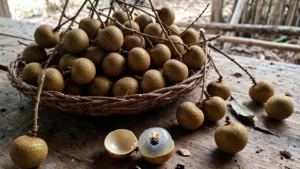
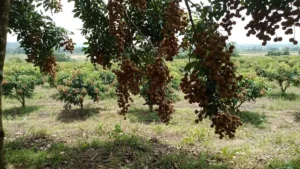
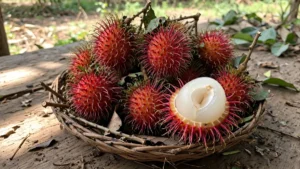
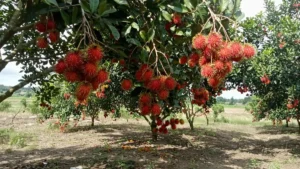
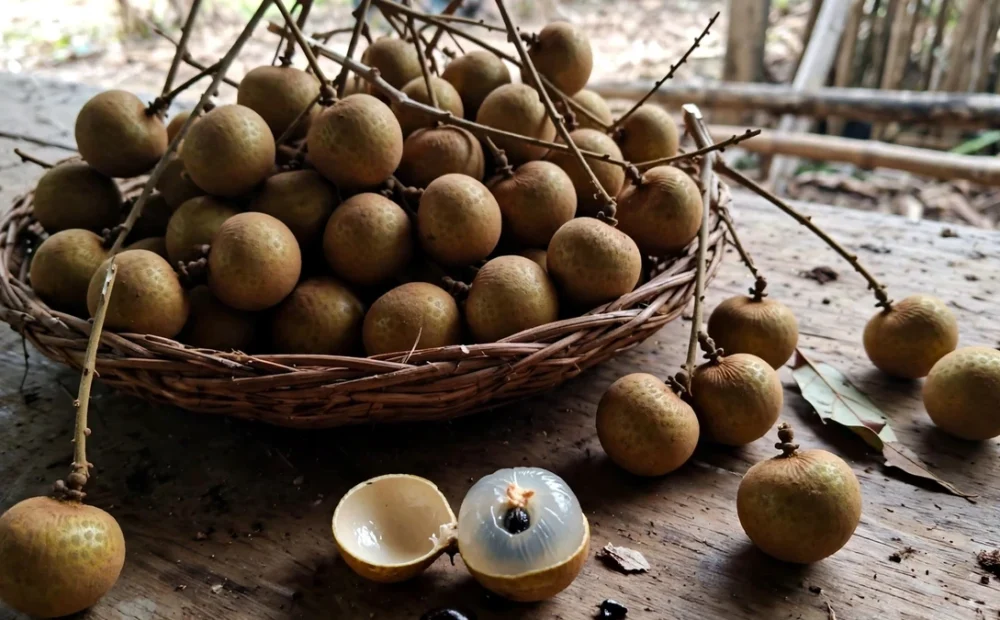
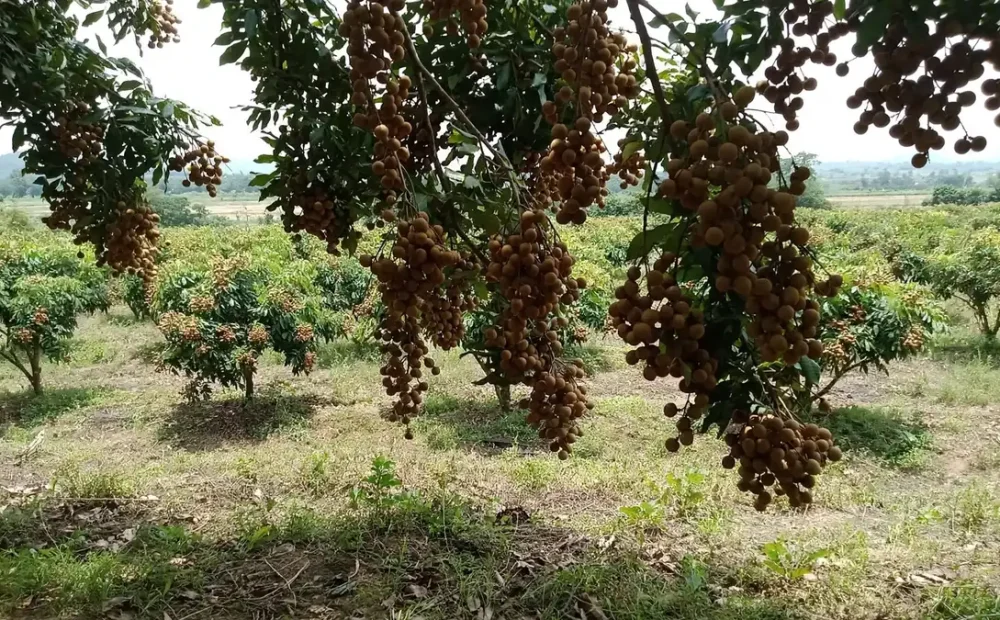
Lychee is the fruit that makes a summer orchard smell like a flower shop. The clusters hang heavy under the trees, each fruit a rough pink-red shell around translucent white flesh that tastes of rosewater, grape and honey at once. In southern China, where the tree has grown for two thousand years, families gather under the branches in June and eat the fruit straight off the stem, juice running down their wrists. Yet almost nobody travels to see the harvest itself.
That is what a lychee farm retreat fixes. These are working orchards where the picking season lasts only three or four weeks, the fruit is graded by hand within hours of coming down, and the farm kitchen turns the day’s second-grade fruit into teas, jellies and desserts. Guests sleep in farmhouses at the edge of the grove, walk the rows at dawn with the picking crews, and learn how a shell that looks ready can still hide sour flesh.
This guide gathers nine luxury lychee farm retreats for 2027, from the old mother-tree orchards of Guangxi to the coastal groves of Queensland. Every stay offers real orchard access, honest pricing and a kitchen that cooks with lychee. Prices run from $65 to $380 a night, and each entry is honest about what the stay does well and where it falls short.
Key takeaways
- Lychee ripens in a short window, roughly May to July in southern China and December to January in Queensland, so the picking weeks decide the trip more than flights.
- The best retreats let guests pick, peel and grade alongside the crew, not just taste fruit on a veranda.
- Room rates run from $65–$95 a night at the simplest Guangxi farmhouse to $345–$380 at the top Queensland lodge.
- Lychee flesh is naturally gluten-free, but farm kitchens also serve wheat noodles and steamed buns, so guests with coeliac disease should put the allergy in writing before arrival.
- Fruit picked while the shell is still green never sweetens, so a farm that starts the harvest early is a warning sign, not a bargain.
What a lychee farm retreat actually is
A lychee farm retreat is a stay on a working orchard during the picking season, usually a family farm where the trees were planted decades ago and the harvest is still done with ladders, poles and baskets. The trees are broad and shady, the orchard floor is scattered with fallen shells, and the air smells faintly floral when the fruit is ripe. Guests stay in rooms on the property, eat meals cooked from the farm’s own produce, and spend their days walking the grove, picking clusters and sorting fruit at the packing table.
The season matters here more than at most farm stays. Lychee ripens fast and spoils faster — a cluster that is perfect on Tuesday can be brown and flat by Friday. The farms in this list all name their picking weeks in advance and will tell you honestly whether your dates line up with the harvest. Arrive too early and the shells are green and sour; arrive at the right moment and the branches are heavy with fruit that slips cleanly off the stem.
How we picked these stays, and what to ask first
We looked for farms that grow lychee as a main crop, keep guest numbers low, and cook at least one full meal a day around the harvest. We also favoured stays that publish their picking calendar and answer allergy questions in writing before you book. Stays that would not name their harvest weeks or that charged for an orchard tour on top of the room rate did not make the list.

Before you book, ask three things. First, which weeks the fruit comes down, and whether guests may join the crew. Second, whether the kitchen can cook a full gluten-free menu, since lychee dishes often sit beside wheat noodles and steamed buns. Third, what the room rate covers — some farms include every meal and picking session, while others price them separately. The answers tell you more than any review ever will. Coconut plantation retreats are working-farm stays too, and the same three questions apply there.
The 9 best luxury lychee farm retreats of 2027
Lingshan, Guangxi, China — Lychee Beneath the Mother Trees
Lingshan grows some of the oldest lychee trees in China, including mother trees said to be centuries old, and the farm still picks by hand from ladders, one cluster at a time. The farmhouse kitchen cooks Guangxi food with lychee in the teas and desserts.
What We Like: The oldest trees on this list, and a picking culture that has barely changed in generations. What to Consider: Humid summer heat, and the nearest town is a long drive over winding roads. Best For: Travellers who want lychee where the tree has grown longest. Style: Whitewashed farmhouse under ancient trees. Price Range: $65–$95 per night, meals included. Standout Feature: Picking beneath mother trees older than the farmhouse itself.
Maoming, Guangdong, China — Lychee in the First Orchards
Maoming calls itself the home of the lychee, and the orchards here stretch across low hills in every direction. The stay is a tiled house at the orchard’s edge, with rooms opening onto a garden of banana and longan, and the kitchen serves lychee with morning congee and afternoon tea.
What We Like: The densest lychee country on this list, and a kitchen that uses the fruit at every meal. What to Consider: A simple house with small rooms, cooled by fans instead of air conditioning. Best For: Food lovers who want lychee from dawn to dusk. Style: Low tiled farmhouse with a kitchen garden. Price Range: $95–$125 a night, food and tastings included. Standout Feature: A morning tasting table where the crew grades the day’s clusters.
Putian, Fujian, China — Lychee Along the Old Sea Road
Putian sits on the Fujian coast, where lychee orchards grow between the hills and the sea, and the farm pairs orchard mornings with an afternoon at the fishing harbour. The kitchen cooks Min cuisine, with lychee in the sweet soups and the fruit teas.
What We Like: Orchard work and a working harbour in one trip. What to Consider: Sea wind can shake ripe fruit down early, so the harvest moves fast. Best For: Travellers who want the coast beside the orchard. Style: Stone farmhouse above a coastal grove. Price Range: $120–$150 per night, with meals. Standout Feature: Lychee sweet soup served after a harbour walk.
Muzaffarpur, Bihar, India — Lychee in the Shahi Belt
Muzaffarpur grows the shahi lychee India prizes, and the farm’s orchard is a shady grid of old trees where the picking starts before sunrise. The kitchen cooks Bihari food, with lychee in the desserts and the chilled summer drinks.
What We Like: The finest shahi fruit on this list, picked in the cool of dawn. What to Consider: Intense pre-monsoon heat by midday, and simple rooms. Best For: Early risers who want the best Indian lychee. Style: Brick farmhouse with a shaded courtyard. Price Range: $145–$175 a night, meals and picking included. Standout Feature: Dawn picking in the shahi orchards before the heat arrives.
Luc Ngan, Bac Giang, Vietnam — Lychee on the Red Hills
Luc Ngan is Vietnam’s lychee heartland, and the farm grows its fruit on red-soil hills where the clusters ripen in a rush each June. Guests pick with the crew in the morning, then learn to peel and pack the fruit in the afternoon shade.
What We Like: The busiest, most joyful harvest on this list, in a striking red-soil landscape. What to Consider: A short, intense season, so dates must be exact. Best For: Guests who want a harvest at full tilt. Style: Timber farmhouse on a red hillside. Price Range: $170–$205 per night, food included. Standout Feature: An afternoon packing session where the crew grades by hand.
Chiang Rai, Thailand — Lychee Above the River Valley
Chiang Rai grows lychee in cool mountain air near the Myanmar border, and the farm’s orchard sits above a river valley where the mornings are misty and the fruit ripens slowly. The kitchen cooks northern Thai food, and the farm runs a morning market trip where guests buy herbs for the day’s cooking.
What We Like: Cool mountain air, slow-ripening fruit, and a morning market built in. What to Consider: Steep hills, and a market trip that starts before dawn. Best For: Travellers who like markets and mountain views. Style: Timber lodge above a river valley. Price Range: $200–$235 a night, with meals included. Standout Feature: A market trip that stocks the day’s lychee kitchen.
Hainan, China — Lychee Among the Island Palms
Hainan is China’s tropical island, and the farm grows lychee beside coconut palms and banana, with the sea never far away. The kitchen cooks Hainanese food, and the farm runs a boat trip to a nearby bay on request.
What We Like: Tropical warmth, island air, and lychee beside the sea. What to Consider: A tropical downpour can cut a picking day short. Best For: Travellers who want a warm island orchard. Style: Open-sided island house with a palm garden. Price Range: $230–$265 per night, meals included. Standout Feature: A boat trip to the bay after the morning picking.
Taichung, Taiwan — Lychee in the Central Hills
Taichung grows lychee in the central hills, where the orchards are small, the trees are pruned low, and the farm is run by a family that has kept the same grove for three generations. The kitchen cooks Taiwanese food, with lychee in the teas and the shaved-ice desserts.
What We Like: A small, careful farm with low trees guests can pick from easily. What to Consider: A small orchard, so the picking sessions are shorter. Best For: Families and first-timers who want gentle picking. Style: Modern farmhouse with a tea garden. Price Range: $265–$300 a night, food included. Standout Feature: Lychee shaved ice made from the morning’s fruit.
Cairns, Queensland, Australia — Lychee at the Edge of the Rainforest
Cairns is the most polished stay on this list, a small luxury lodge at the edge of the rainforest where the lychee orchard runs down to a creek. The kitchen — run by an Australian chef — cooks lychee into salads, desserts and drinks, and guests get a guided picking session with the head gardener.
What We Like: The most comfortable rooms on this list, and a chef who treats lychee seriously. What to Consider: The priciest stay here by far, with a shorter season than the Asian orchards. Best For: Travellers who want comfort first and orchard work second. Style: Private villas beside a rainforest creek. Price Range: $345–$380 per night, with meals. Standout Feature: A chef cooking lychee across salads, desserts and drinks.
Which lychee region fits your trip
If this is your first lychee trip, start in Guangxi or Guangdong. The orchards are older, the picking culture deeper, and the kitchens have cooked with lychee for generations. Lingshan suits travellers who like ancient trees and slow mornings, while Maoming suits food lovers who want the fruit at every meal. Putian is the pick if you also want the sea, and Muzaffarpur if you want the finest Indian fruit.
Vietnam and Thailand suit a second trip, or a first trip for travellers who prefer a shorter, more intense harvest. Luc Ngan grows the busiest orchards on this list, and the red hills make the stay feel like a small festival. Chiang Rai is the gentler Thai option, with cool air and a morning market that makes the stay feel like a small adventure. Avocado grove retreats offer a similar shaded-orchard, small-farm feel for travellers who want to compare two fruit groves on one journey.
Queensland suits travellers who want comfort first and orchard work second. The Cairns lodge is the only stay here with a spa and private villas, and the smaller orchard means shorter, more guided picking sessions. It suits a honeymoon or a restful end to a longer Asia trip, but not guests who want whole days in the rows.
The caveats that matter
Lychee is a generous fruit, but a farm trip still has sharp edges. Fruit picked green stays sour and never sweetens, so a farm that starts before the shells turn red is cutting corners. The trees are broad and the branches heavy, so climbing is for the crew, not guests. And the flesh is sweet and floral, so the kitchen’s habit of serving it in small, balanced dishes is a sign of care.
| Detail | What is known |
|---|---|
| Best harvest window | May to July in southern China, December to January in Queensland |
| Shell ripeness test | Shell turns fully red and rough, and the flesh smells floral when peeled |
| Gluten status | Lychee flesh is naturally gluten-free, but farm kitchens serve wheat noodles too |
| Guest picking | Allowed at all nine stays, with ladders and baskets provided by the crew |
| Climbing | Not allowed for guests; branches are heavy and the ladders belong to the crew |
| Sweetness | Flesh is floral and honeyed when ripe, sharp and sour when picked green |
| Rain risk | Wet fruit splits and spoils fast, so a rainy picking week can cut the harvest short |
| What to bring home | Dried lychee and lychee tea, bought at the farm shop |
Checklist: booking a lychee farm stay honestly
- Ask the farm to name its picking weeks in writing before you pay.
- Put any wheat or gluten allergy in the first message, and ask what the kitchen will cook instead.
- Check whether meals and picking sessions come with the room rate.
- Pack closed shoes, a hat and long sleeves for the rows, plus a rain layer for sudden showers.
- Carry cash for the farm shop; card machines are rare in the orchards.
- Leave a free morning for the local market, where dried lychee is cheapest.
Frequently asked questions
When do lychees ripen?
Lychees ripen in the warm months, roughly May to July in southern China and December to January in Queensland. The shell turns fully red and rough, and the flesh inside smells floral when peeled. A farm that picks while the shells are still green is picking too early.
May guests join the crews to pick the clusters?
Yes, at all nine stays on this list. Guests use ladders and baskets to gather the clusters, and the crew shows newcomers how to tell a ripe cluster from a green one. Climbing is not allowed, since the branches are heavy and the ladders belong to the crew.
Is lychee safe for gluten-free guests?
The flesh is naturally gluten-free on its own. The risk comes from the kitchen, where wheat noodles, steamed buns and soy sauce share the same table. Tell the farm about any allergy when you first write, and ask for the week’s menu in writing before you arrive.
What does a ripe lychee taste like?
Ripe flesh is floral and honeyed, with notes of rosewater and grape. Green fruit is sharp and sour. Shahi lychee from Muzaffarpur tastes almost like perfume; Queensland fruit stays milder and juicier.
How long should a lychee farm stay last?
Three nights is the sweet spot: one day to settle in and walk the orchard, one to pick and grade with the crew, and one for the market and kitchen. Shorter stays feel rushed, and longer ones repeat the same picking.
What should I carry home from a lychee farm?
Dried lychee and lychee tea from the farm shop. Both keep for months in a cupboard and taste of the farm you visited. Avoid loose fresh fruit, which spoils fast in luggage. Dragon fruit plantation retreats are a good second stop for travellers building a tropical fruit pantry from farm visits.
The bottom line
Lychee rewards the traveller who plans around the harvest rather than the flight board. Pick the right weeks, choose a farm that lets you into the orchard rather than keeping you on the veranda, and warn the kitchen about your allergies before you arrive. The fruit does the rest — floral, honeyed and rose-scented, straight off the tree.
If you only book one stay from this list, pick the one whose harvest weeks match your dates, not the one with the prettiest photos. A simple farmhouse in Lingshan during harvest week gives you more than a luxury villa in Cairns outside it. The tree decides the season, and the smartest trips follow its timing.