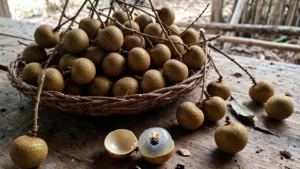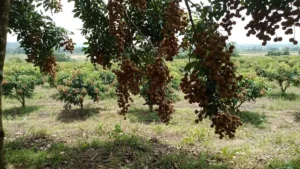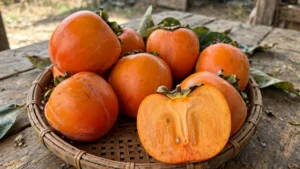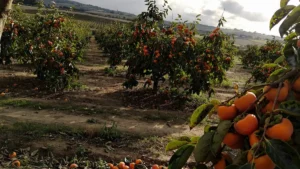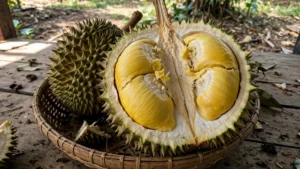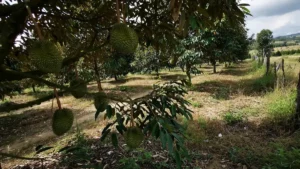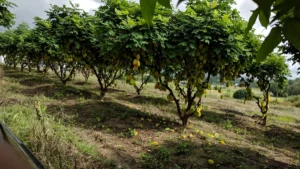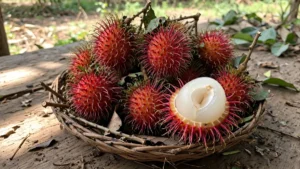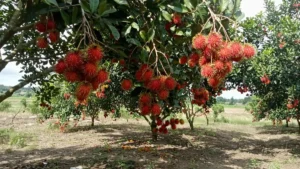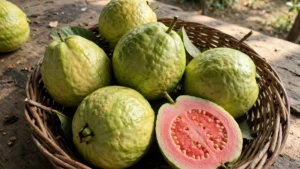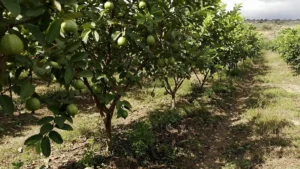
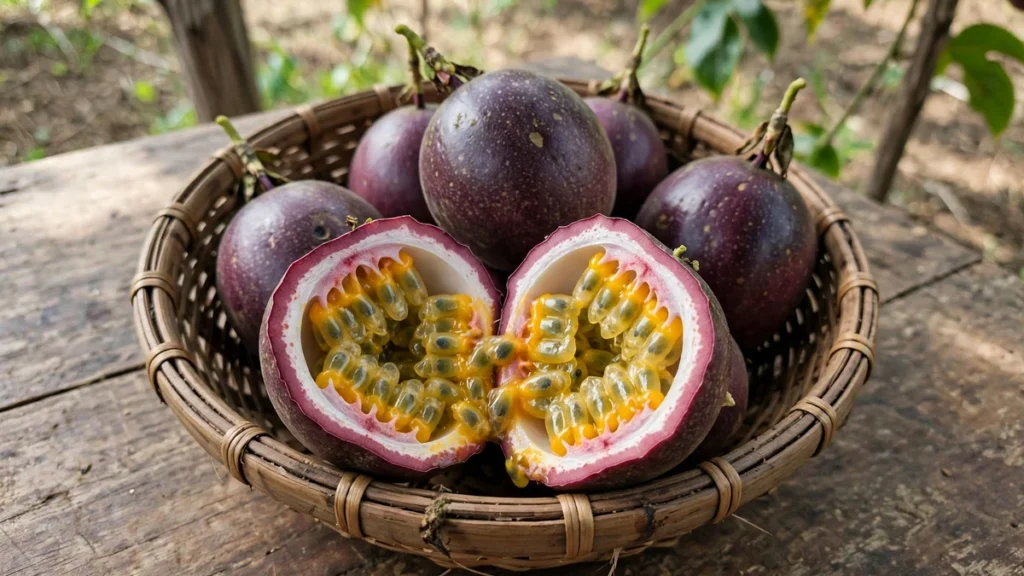
A passion fruit farm escape is a short trip built around a working vine farm. You sleep on the farm or beside it, you walk the trellis rows in the morning, and you eat the fruit at the farm table, cut open minutes after it was picked. It is not a resort with a fruit theme. It is a farm that happens to welcome guests.
The trip works best when you plan around the fruit, not around the calendar. Passion fruit ripens in waves through the warm months, and the farm picks every day or two while the season runs. Book the wrong week and the vines are bare. Book the right one and the kitchen serves the pulp at every meal.
This guide walks through the nine steps that make the trip work, from asking the farm which weeks the vines are heavy to carrying the pulp home in a sealed jar. Follow them in order, and the farm does the rest.
Key takeaways
- A passion fruit farm escape is a stay on a working vine farm, with the day built around the picking, the tasting, and the farm kitchen.
- The vines fruit in waves through the warm months, so the farm can only name the heavy weeks a short time ahead.
- Purple and yellow passion fruit are different kinds, and the region you choose decides which one you will taste.
- Transfers matter more here than at a beach resort, because most vine farms sit well outside town and public transport is thin.
- Fruit on your exact dates can never be promised, because the harvest follows rain, sun, and the vine’s rhythm.
What a passion fruit farm escape involves
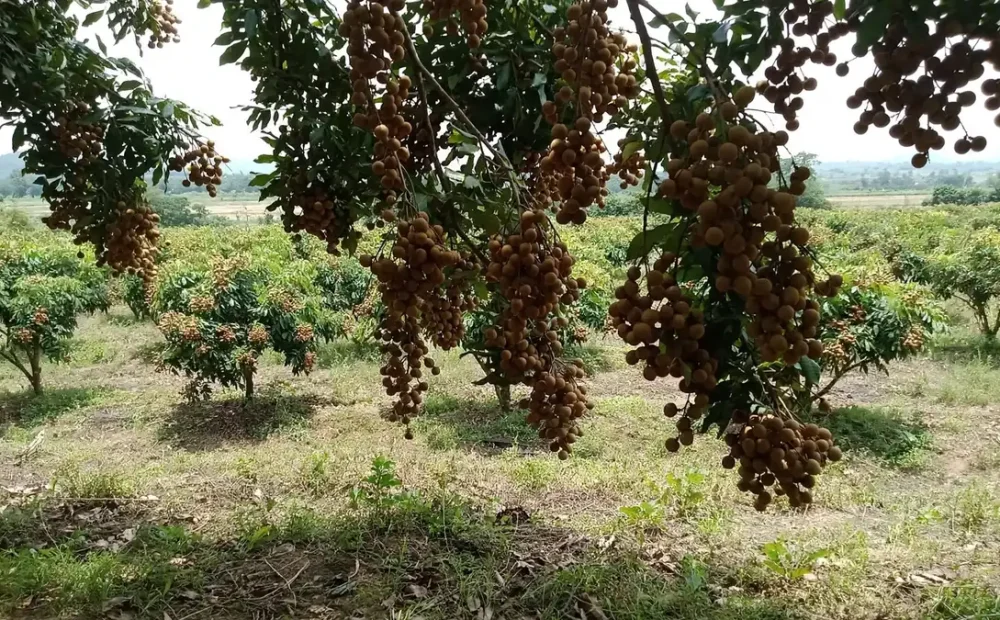
A passion fruit farm escape involves staying on, or beside, a working passion fruit farm for two to four nights. The vine climbs quickly, and farms string it along wires between posts, turning each row into a green tunnel with fruit hanging below. The days follow the fruit: out in the rows in the early morning to see what is ripe, back to the farm table for a tasting, and an evening meal where the pulp appears in the drinks, the main course, and the dessert.
Most stays include a room, breakfast, and a farm walk or tasting. Cooking sessions, juice-making, and transfers are often separate, so check what the price covers before you pay. The best stays keep the group small, often no more than ten guests, because a picking crew cannot work around a crowd.
It pays to understand what the price actually buys before you commit. Some of these escapes are farms first, with plain rooms and a host who works the land daily. Others are easy guesthouses inside a fruit farm, with more comfort and less farm work in view. Either kind can be delightful, yet they are different trips, and the price usually shows which one you are looking at. Our guide to planning a dragon fruit plantation escape follows the same idea, a trip shaped by the crop around it, and the same rule applies: read what is actually included before you fall for the photographs.
How to plan it, and what to ask first
Start by asking the farm three questions. First, which weeks the vines are heavy, because a passion fruit vine ripens in waves and the work lasts weeks, not days. Second, whether the kitchen cooks with the fruit or buys juice in, because a farm that cooks with its own pulp will show you more. Third, how the farm deals with flour and bread, if you eat gluten-free, because a kitchen that bakes every morning needs a clear answer.
Then check the practical details. How far the farm is from the airport, whether a transfer is arranged, and whether the room faces the trellis rows or the garden. A stay that answers all of this plainly in advance is usually a stay that is well run. The pineapple plantation escape guide we wrote earlier follows the same three questions, and they work just as well here.
The 9 steps to plan a passion fruit farm escape
Time the visit for the vines at their fullest
What to do: Write to the farm and ask which weeks the vines are heaviest, and which weeks the picking is lightest. The farm can only name the heavy weeks a short time ahead, because the fruit depends on rain and sun, so ask again a fortnight before you travel.
What to avoid: Booking a fixed week months ahead and never checking back, because the season can shift and the vines may be bare on your dates. Best for: Travellers who want the fruit at its best. Time needed: Half an hour of emails. Standout tip: Ask for the picking week, not the fruiting season, because the two are different.
Pick purple or yellow by the flavour you prefer
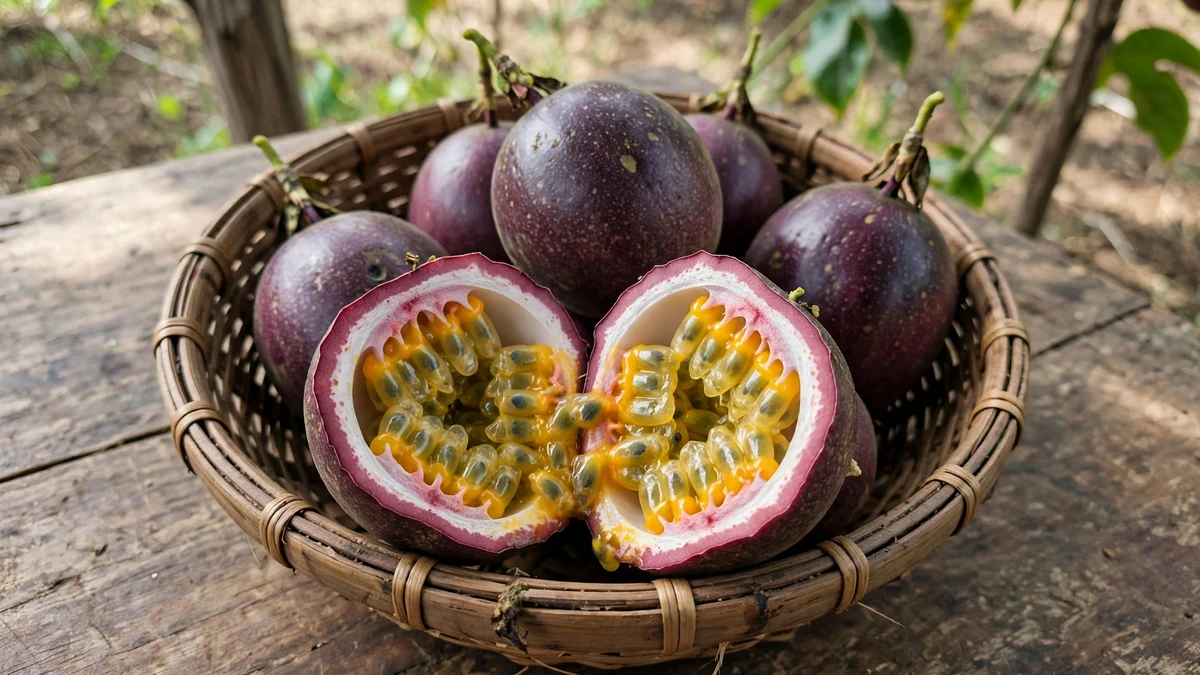
What to do: Decide which kind you want to taste. The purple kind is smaller, sweeter, and more fragrant, and it is the one most farms in Brazil and South Africa grow. The yellow kind is larger and sharper, with more juice, and it is the one most farms in Colombia and Vietnam press for drinks.
What to avoid: Assuming every region grows both kinds, because most farms grow one kind well and the other as a sideline. Best for: Travellers who care about flavour. Time needed: An evening of reading. Standout tip: Taste both kinds at the farm table before you decide which one you prefer.
Ask for a bedroom looking out over the trellis rows
What to do: Ask for a room that faces the trellis rows or the garden, with shade and a fan or air conditioning. The best rooms let you see the vines from the window, and the farm walk starts at your door.
What to avoid: Taking the cheapest room without asking where it sits, because some farms put guests in a block a walk from the vines. Best for: Travellers who want the farm at their window. Time needed: Ten minutes of emails. Standout tip: Ask for the top floor if the farm has one, because the rows look best from above.
Arrange the journey from the airport before paying for the room
What to do: Ask the farm how far it is from the airport, whether a transfer is arranged, and what it costs. Most vine farms sit well outside town, and public transport is thin, so a pre-booked transfer or a rental car makes the arrival and departure days much easier.
What to avoid: Arriving without a plan and hoping for a taxi, because rural farms are often an hour or more from the nearest town. Best for: Travellers who want a smooth arrival. Time needed: Half an hour of planning. Standout tip: Book the transfer with the farm, not a stranger at the airport, because the farm knows the road.
Pack light layers, sun cream, and something for sticky fingers
What to do: Pack light clothes, good walking shoes, sun protection, a light layer for cool evenings, and a small bag for the fruit you carry home. The pulp is sticky, so bring wipes or a spare shirt for the farm walk.
What to avoid: Packing only beach clothes, because the farm rows are dusty and the trellis wires are low in places. Best for: Travellers who want to be comfortable in the rows. Time needed: An evening of packing. Standout tip: Wear long sleeves on the farm walk, because the tendrils can scratch.
Taste the pulp minutes after the fruit is cut
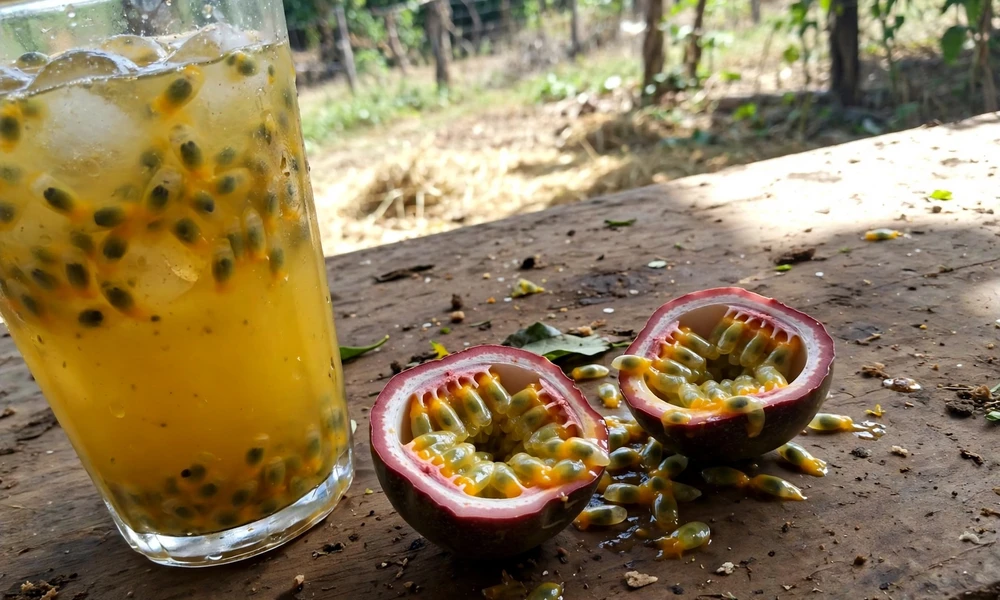
What to do: Eat the fruit at the farm table, cut open minutes after it was picked. The pulp is sharp and sweet at once, and the flavour fades fast once the fruit is cut, so the farm table is where it tastes best.
What to avoid: Buying the fruit in town and judging it there, because town fruit was picked days ago and chilled, and it tastes flatter. Best for: Travellers who want the real flavour. Time needed: An hour at the table. Standout tip: Ask the host to cut a purple and a yellow fruit side by side, and taste the difference.
Keep a morning clear to drink juice where the locals do
What to do: Keep one morning free for the juice stall or market near the farm, where the pulp is pressed into drinks and sold by the glass. It is the best place to taste how the locals drink the fruit, and the stall holders know which farms grow the sweetest kind.
What to avoid: Filling every morning with farm activities, because the stall is only open in the morning and the juice is gone by noon. Best for: Travellers who want the local side of the fruit. Time needed: A free morning. Standout tip: Ask the stall holder which farm the pulp came from, and visit that farm next.
Find out how the farm kitchen keeps flour away from your plate
What to do: Tell the farm when you book if you eat gluten-free, and ask how the kitchen keeps its bread apart from your plate. Passion fruit itself is naturally gluten-free, and the rice and fruit dishes are usually safe, but the bread the kitchen bakes each morning is the risk.
What to avoid: Assuming the farm will know without being told, because a small farm kitchen cooks for everyone at one table. Best for: Travellers who eat gluten-free. Time needed: One email. Standout tip: Ask for the fruit dishes to be served first, before the bread comes to the table.
Take sealed pulp home instead of whole fruit
What to do: Buy the pulp in a sealed jar from the farm shop, and pack it in your checked luggage, wrapped in clothes. The jar keeps for days, and the pulp you bring home will taste of the farm long after the trip ends.
What to avoid: Carrying whole fruit in hand luggage, because the fruit bruises easily and the rind can split in the bag. Best for: Travellers who want a taste of the trip at home. Time needed: Ten minutes in the farm shop. Standout tip: Freeze the pulp at home and use it in drinks, where the flavour holds best.
Picking the right season and region
Start with the season, not the destination. For the fruit at its best, pick a region that is bearing on your dates. Brazil and Colombia bear for much of the year, and the heaviest picking falls in the warm, wet months. Vietnam, the Philippines, and South Africa have shorter windows, and Hawaii fruits almost all year.
Then think about how you like to travel. If you want comfort and a pool, a guesthouse set inside a fruit farm is the better fit. If you want the farm itself, a working farm stay with simple rooms is the better fit. The avocado grove escape guide makes the same point for first-timers: choose the farm that cooks with its crop every day, and the rest of the trip falls into place.
Last, weigh how far you are willing to travel for the experience. The best passion fruit regions are rural, and the best stays are often an hour or more from the nearest airport. That remoteness is part of their quiet charm, yet it also means transfers, planning, and accepting a day or two beyond reach. If that sounds like a holiday to you, these stays will suit you. If it sounds like a hassle, a farm stay closer to a town may be a gentler first step.
The caveats that matter
Passion fruit farm escapes are lovely, but they are not for everyone, and they are not all the same. The crop is seasonal, the farms are remote, and the good stays are frank about what is fruiting and what is not.
| Detail | What is known |
|---|---|
| Best picking time | The warm months, when the vines are fruiting; the exact window varies by country |
| Purple vs yellow | Purple fruit is sweet and fragrant, yellow fruit is larger and sharper |
| What to pack | Light clothes, good walking shoes, sun protection, and a light layer for cool evenings |
| How long to stay | Two to four nights is enough for most people; one night is too short to settle in |
| Who should go | Travellers who like slow, rural stays and fresh food; families with older children |
| Who should think twice | Travellers who want nightlife, fast service, or a packed daily schedule |
| Booking | Small stays sell out in peak season; book the room and the farm walk together |
| What is not guaranteed | Fruit on your dates; the harvest depends on weather, season, and the vine’s cycle |
The fruit itself has no gluten, but the farm kitchen bakes bread every morning, so ask how flour is kept away from your food. Anyone with a health condition, anyone expecting, and anyone travelling with small children should check the practical points first: the distance to the nearest clinic, the farm’s spraying schedule, and whether the paths are safe for little ones.
Checklist: before you book a passion fruit farm escape
Work through these checks before you pay, and again the week before you travel.
- Check the week: ask the farm which weeks the vines are heavy, and which weeks the picking is light.
- Check the kind: ask whether the farm grows purple or yellow fruit, and which one you will taste.
- Check the transfer: how far from the airport, and whether the farm arranges it.
- Check the bedroom: one that faces the rows or the garden, shaded, with a fan or air conditioning.
- Check the kitchen: ask how the farm handles flour, if you eat gluten-free.
- Check the jar: ask whether the farm sells sealed pulp, and whether it travels well in luggage.
Frequently asked questions
How many nights suit a passion fruit farm escape?
Two to four nights is enough for most people. A single night is too brief to settle into the farm’s rhythm, and a full week can drag unless you plan outings. Three nights allows a farm walk, a tasting, and a restful day.
Is a rental car worth it for a passion fruit farm?
Not always, but it helps. Many vine farms are an hour or more from the nearest town, and public transport is thin. A transfer booked ahead, or a hire car, makes the arrival and departure days far smoother.
Can visitors pick fruit off the vines on a farm walk?
On many farms yes, during a guided walk, though some farms keep the picking to the crew. A few farms hand you a basket, while others keep the picking to the crew because ripe fruit bruises and the vines tangle. Say so at booking time, and wear long sleeves if you join in.
What does passion fruit taste like?
Sharp and sweet at once, with a fragrant pulp and tiny crunchy seeds. The purple kind is sweeter and more fragrant, the yellow kind is sharper with more juice. Fresh from the vine, it tastes noticeably better than the juice in a carton.
Is a passion fruit farm escape good for children?
Mostly yes for older children, who enjoy walking the rows and tasting at the table. Little ones need close watching on the farm, since the paths are uneven and the wires sit low. Raise safety and space with the host before you pay.
How do gluten-free travellers eat well on a passion fruit farm?
Yes, if you tell the farm when you book. The fruit itself carries no gluten, and the rice and fruit dishes are usually safe. The risk is the bread the kitchen bakes each morning, so ask how the farm keeps it away from your plate.
The bottom line
The best passion fruit farm escape in 2027 is not the most expensive or the most photographed. It is the one bearing fruit on your dates, with a genuine farm walk, that matches how you like to travel.
Choose the season first, confirm what is covered, arrange the transfer, and then let the farm set the rhythm. Eat the fruit fresh, walk the rows at dawn, and keep part of the day empty for doing nothing.