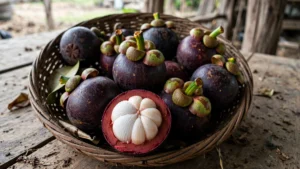

Passion fruit is a small crop with an outsized smell. Cut one open on a farm in Bahia and the scent reaches the next row before the spoon does, sharp and sweet at once, with a pulp that looks like orange jelly scattered with black seeds. Most people meet it as juice in a carton. On the farm it is eaten with a spoon under the vine it grew on.
These retreats are built around the vine. Passion fruit grows on a climbing plant trained along wires and trellises, and the farms that welcome guests are usually small, family-run places where the fruit is the main crop and the stay is arranged around the picking. The rooms are simple, the food comes from the farm kitchen, and the day follows the harvest.
Below are nine passion fruit farm stays worth considering in 2027, from the cocoa groves of Bahia to a small island farm on Maui. Each entry below weighs what the stay does well, where it falls short, and who will enjoy it most.
Key takeaways
- Passion fruit grows on vines trained along trellises, and the best stays are working farms where the fruit is the main crop, not a garnish.
- A ripe fruit feels heavy for its size and its rind has started to wrinkle, which is the sign the farm looks for before picking.
- Purple and yellow passion fruit are different kinds with different flavours, and the region you choose decides which one you will taste.
- Most stays include a farm walk and a tasting, but meals, transfers, and cooking sessions are often separate, so check what the price covers.
- No farm can guarantee fruit on your exact dates, since the harvest leans on rain, sun, and the vine’s own rhythm.
What a passion fruit farm retreat actually is
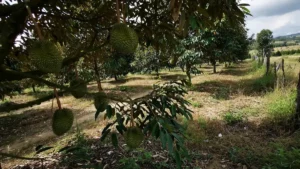
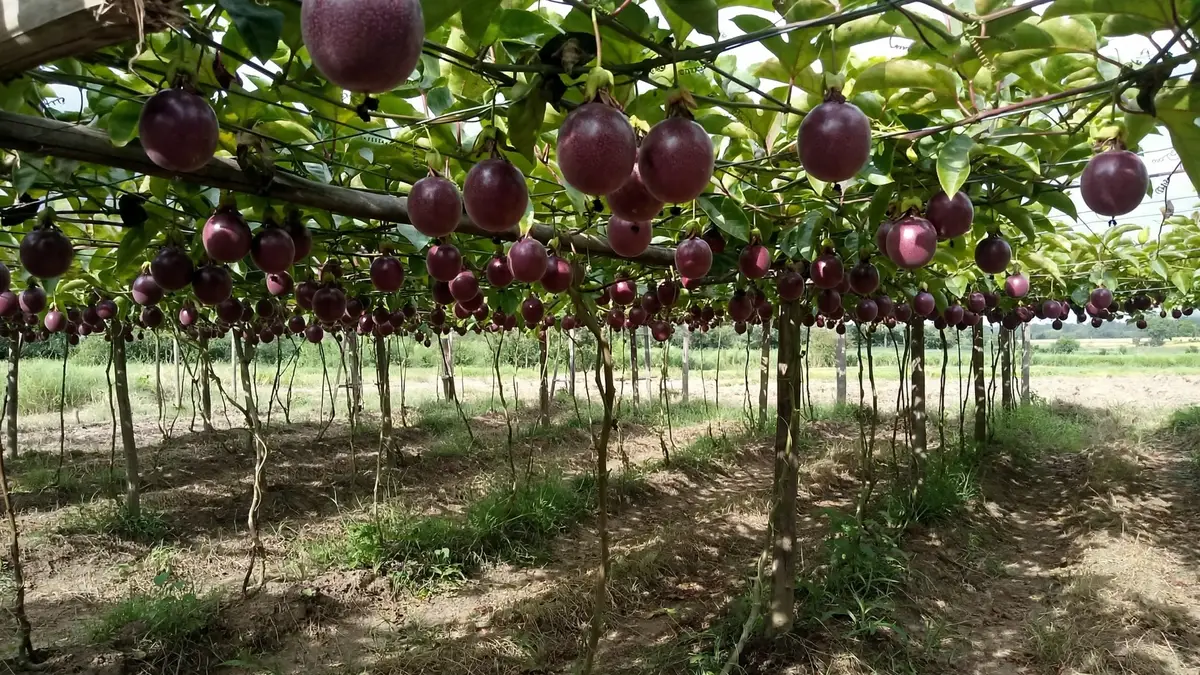
A passion fruit farm retreat is a stay on, or beside, a working passion fruit farm. The vine climbs fast, and farms train it along wires between posts, so each row becomes a green tunnel with fruit dangling below. The fruit ripens in waves through the warm months, and the farm picks every day or two while the season runs.
The difference from a plain farm stay is the single-minded focus on one crop. The fruit is not a side dish: it shapes the day, from the juice at breakfast to the dessert at dinner.
Knowing what the price actually buys saves disappointment later. Some of these stays are farms first and foremost, with plain rooms and a host who works the land every day. Others are comfortable guesthouses tucked inside a fruit farm, offering more ease and less visible farm work. Both kinds can be wonderful, yet they are different trips, and the nightly rate usually reveals which kind you are viewing. Our guide to luxury dragon fruit plantation retreats follows the same idea: read what is actually included before you fall for the photographs.
How we picked these stays, and what to ask first
We looked for stays where the passion fruit vines are real and central, not decorative. A good passion fruit retreat grows its own fruit, offers a farm walk or tasting as part of the stay, and is honest about what happens outside the fruit season.

Look first at the season. Passion fruit ripens in flushes through the warm months, and the peak varies by country. Brazil and Colombia fruit for much of the year, with the heaviest picking in the warm, wet season. Vietnam, the Philippines, and South Africa have their own windows, and Hawaii fruits almost all year.
Look next at what is included. A farm walk, a tasting, and a cooking lesson are three separate things, and some stays bill each one on its own. Find out whether breakfast is covered, whether the pool and garden are shared or private, and whether the host speaks a language you can manage in. A stay that lays all of this out plainly before you book is usually run with care. The luxury pineapple plantation retreats we covered earlier follow the same pattern, small stays where the details in the booking matter more than the star rating.
The 9 best luxury passion fruit farm retreats of 2027
Bahia, Brazil — Passion Fruit among the Cocoa Groves
What we like: Bahia is where passion fruit grows beside cocoa, and the farms here often grow both, with the vines climbing in the shade of the cocoa trees. This kind of stay puts you in the middle of it, with a farm walk at dawn, fruit cut for breakfast, and a kitchen that cooks with the pulp at every meal.
What to consider: The roads out here are rough and the area is quiet, so sort the transfer before you arrive. The rooms are pleasant rather than grand, and little English is spoken once you leave the main towns. Best for: Travellers who want passion fruit at its source. Style: Bahian cocoa-grove farm stay. Price range: $65–$95 per night. Standout feature: Fruit cut from the vine for breakfast.
Minas Gerais, Brazil — Passion Fruit on Rolling Green Slopes
What we like: A farm stay in the coffee hills of Minas Gerais, where the vines grow along the coffee fields and the yellow kind grows as big as a grapefruit. The setting is green and rolling, the farm serves cheese bread with passion fruit pulp, and the host will show you how the two crops share the same hillside.
What to consider: The hills are steep and the farm is a drive from the nearest town, so a transfer is worth arranging. The yellow fruit is sharper than the purple kind, which surprises some first-timers. Best for: Travellers who want fruit and coffee country in one trip. Style: Coffee-hills farm stay. Price range: $100–$130 per night. Standout feature: Yellow passion fruit the size of a grapefruit.
Pernambuco, Brazil — Passion Fruit near the Sugar Cane
What we like: A coastal farm stay in Pernambuco, where the vines grow near the sugar cane fields and the sea breeze keeps the afternoons cool. The farm makes caipirinhas with fruit picked that afternoon, the rooms face the rows, and the beach is close enough for a morning swim.
What to consider: The coast is humid and the farm is busiest in the warm season, so book early. The caipirinhas are strong, and the farm walk starts early the next morning. Best for: Travellers who want the coast with the farm. Style: Coastal sugar-cane farm stay. Price range: $135–$165 per night. Standout feature: Caipirinhas made with fruit picked that afternoon.
Valle del Cauca, Colombia — Passion Fruit in the Sugar Valley
What we like: A valley farm stay in Valle del Cauca, where maracuyá is the local name for the fruit and the farms press it into juice at the farm gate. The valley is warm and flat, the vines fruit for much of the year, and the farm serves juice with every meal.
What to consider: The valley heat is strong at midday, so farm walks happen early. The farm is a working place, not a hotel, and the rooms are simple. Best for: Travellers who want the maracuyá heartland. Style: Colombian valley farm stay. Price range: $170–$200 per night. Standout feature: Maracuyá juice pressed at the farm gate.
Huila, Colombia — Passion Fruit on the Mountain Slopes
What we like: A mountain farm stay in Huila, where the cooler air slows the fruit down and the flavour comes in stronger. The farm grows passion fruit beside granadilla, its smoother cousin, and the tasting runs through both. The views run down the valley, and the nights are cool enough for a blanket.
What to consider: The mountain roads are slow and winding, so the transfer takes time. The farm is small and books out early in the dry season. Best for: Travellers who want cooler mountain air. Style: Andean mountain farm stay. Price range: $205–$235 per night. Standout feature: Fruit picked on a cool mountain morning.
Mekong Delta, Vietnam — Passion Fruit beside the Rice Fields
What we like: A river farm stay in the Mekong Delta, where the vines grow on trellises beside the rice fields and the farm reaches its guests by boat. The fruit goes into iced drinks at the riverbank, the farm walk ends at the water, and the pace is slow.
What to consider: The delta is hot and humid, and the river trip depends on the water level. The farm is simple, and the nearest town is a boat ride away. Best for: Travellers who want a river trip with the farm. Style: Delta river farm stay. Price range: $240–$270 per night. Standout feature: Passion fruit drinks served over ice at the riverbank.
Davao, Philippines — Passion Fruit on the Volcanic Slopes
What we like: A farm stay on the volcanic slopes around Davao, where passion fruit grows beside pomelo and the farm runs a tasting that moves from one fruit to the next. The soil is dark and rich, the fruit comes in sweet, and the kitchen turns the pulp into sauces.
What to consider: The slopes are steep and the sun is strong, so bring a hat and good shoes. The farm is a drive from the city, and rain can arrive quickly in the afternoon. Best for: Travellers who want a tropical fruit farm. Style: Volcanic-slope farm stay. Price range: $275–$305 per night. Standout feature: A tasting that runs from passion fruit to pomelo.
KwaZulu-Natal, South Africa — Passion Fruit in the Subtropical Hills
What we like: A farm stay in the subtropical hills of KwaZulu-Natal, where the fruit is called granadilla and the farms have grown it for generations. The hills are green, the coast is close, and the farm serves granadilla pulp at breakfast and in desserts.
What to consider: The hills are steep and the summer rain can be heavy, so check the season before you book. The farm is a drive from Durban, and a car or transfer is worth arranging. Best for: Travellers who want the South African fruit belt. Style: Subtropical hills farm stay. Price range: $310–$340 per night. Standout feature: Granadilla picked in the subtropical hills.
Maui, Hawaii — Passion Fruit on the Island Slopes
What we like: A small island farm stay on Maui, where the vines grow on a hillside above the Pacific and the fruit goes into shave ice, cocktails, and the breakfast yoghurt. The setting is the most polished of the nine, with ocean views from the rooms.
What to consider: Maui is the most expensive stay on this list, and the farm books out early in the winter season. The island’s fruit season runs almost all year, but the picking is lightest in the coolest months. Best for: Travellers who want an island farm with ocean views. Style: Island farm stay. Price range: $345–$380 per night. Standout feature: Passion fruit over shave ice at sunset.
Which passion fruit region fits your trip
For the most traditional fruit, go to Bahia or Valle del Cauca, where the vine is a working crop and the juice is part of every meal. For the wildest setting, choose the Mekong Delta, where the farm arrives by boat. For the biggest flavours, pick Huila, where the mountain air slows the fruit down and the taste comes in stronger.
For a first trip, Bahia is the simplest choice: the farm is used to guests, the season is generous, and the kitchen cooks with the fruit at every meal. Our guide to the luxury avocado grove retreats makes the same point: choose the farm that cooks with its crop every day, and the rest falls into place.
The caveats that matter
Passion fruit farm retreats are lovely, but not for everyone. The fruit follows the seasons, the farms sit far from town, and the best stays say plainly what is fruiting and what is not.
| Detail | What is known |
|---|---|
| Best time to visit | The warm months, when the vines are fruiting; the exact window varies by country |
| The two main kinds | Purple fruit is sweet and fragrant, yellow fruit is larger and sharper |
| How ripe fruit looks | Heavy for its size, with a rind that has started to wrinkle |
| What is usually included | A room, breakfast, and a farm walk or tasting; other activities often cost extra |
| Who should go | Travellers who like slow, rural stays and fresh food; families with older children |
| Who should think twice | Travellers who want nightlife, fast service, or a packed daily schedule |
| Transfers | Often an hour or more from the nearest airport; arrange before you arrive |
| What is not guaranteed | Fruit on your dates; the harvest depends on weather, season, and the vine’s cycle |
Passion fruit carries no gluten itself, yet farm kitchens bake bread each morning, so find out how the kitchen keeps flour away from your plate. If you have a health condition, are expecting, or travel with small children, check the practical points first: how near the closest clinic is, whether the farm sprays and when, and whether the paths suit little feet.
Checklist: booking a passion fruit farm stay honestly
Work through these checks before you pay, and again the week before you travel.
- Check the fruiting: make sure the vines are bearing on your dates, not merely open for guests.
- Check the inclusions: walk, tasting, meals, and transfers, and what carries an extra charge.
- Check the distance: how far the farm sits from the airport, and whether a lift is laid on.
- Check the bedroom: does it look onto the trellis rows or the garden, with shade and a fan or air conditioning?
- Check the growing: ask the size of the farm, whether it farms organically, and when it last sprayed.
- Check recent reviews: look for guests who visited in the same season as your trip.
Frequently asked questions
When is passion fruit season?
It depends on the country. In Brazil and Colombia, the vines bear for much of the year, with the heaviest picking in the warm, wet months. In Vietnam, the Philippines, and South Africa, the window is shorter and varies by farm, so ask the host directly.
What is the difference between purple and yellow passion fruit?
They are two kinds of the same fruit. The purple kind is smaller, sweeter, and more fragrant, and it is the one most people know from desserts. The yellow kind is larger and sharper, with more juice, and it is the one most farms press for drinks. Both are picked when the rind wrinkles and the fruit feels heavy.
May guests pick fruit from the vines themselves?
In many cases yes, when you walk with a guide, though not everywhere. Some farms hand guests a basket for a few fruit, while others do the picking themselves because ripe fruit bruises easily and the vines tangle. Mention it when you book, and cover your arms if you pick, because the tendrils can scratch.
Is a passion fruit farm stay good for children?
As a rule yes for older children, who love the farm walk and the tasting. Smaller children need an adult beside them on the farm, because the paths are rough and the trellis wires hang low in places. Ask the host about safety and room for children before you book.
Where should a first-timer start with passion fruit farms?
Bahia, for the easiest journey and the most generous season. The farm bakes with the fruit every day, and the kitchen is used to guests. The vines fruit for much of the year, so the dates are forgiving.
Can a gluten-free eater enjoy a passion fruit farm?
Yes, if you tell the farm when you book. Passion fruit itself is naturally gluten-free, and the rice and fruit dishes are usually safe. The danger is the bread the kitchen bakes each morning, so ask how the farm keeps it away from your plate.
The bottom line
A passion fruit farm retreat suits travellers who like their food to come from the vine they are standing under, and who are happy to let the farm set the day. The fruit is small, the season is generous, and the best stays are the ones that pick it, cut it open, and serve it without any fuss.
Pick the region by whether you want the old growing heartlands, the river delta, or the island hills, and take the pulp home in a sealed jar, not the whole fruit. The jar you bring home will keep the trip alive longer than any photograph.