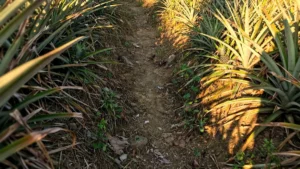
A pineapple plantation retreat is not a beach holiday with a farm tour bolted on. It is a stay inside a working landscape, where the rows of spiky plants run to the horizon, the air smells faintly sweet after rain, and the day is shaped by harvest times rather than by a hotel schedule.
The problem is that not every place with the word plantation in its name is a plantation stay. Some are ordinary resorts on former farmland, where the fields are a view and nothing more. The gap between those two is where a trip either feels special or feels like a long drive to a nice bedroom.
Below are nine luxury pineapple plantation retreats worth considering in 2027, from hillside farm stays in Hawaii to a grove estate in the Indian Ocean. Each one is described by what it does well, what to watch for, and who it suits best, so you can choose with your trip in mind, not just a bestseller list.
Key takeaways
- Pineapple plantation retreats work best when the farm is still active, with tours, tastings and harvest work guests can join.
- Choose by region and season first: pineapple harvest calendars differ by country, and the sweetest fruit and liveliest farm work follow the harvest.
- Look for stays that include farm meals, guided walks and transfers in the price.
- Pack for farm days: closed shoes you can wash, light layers, sun protection.
- No plantation retreat is a city hotel, and remote stays can mean slow internet, long transfers and limited dining choice, so check what is actually included before you book.
What a pineapple plantation retreat actually is
A pineapple plantation retreat is a stay on or beside a working pineapple farm, where guests sleep close to the fields and the farm shapes the daily rhythm. Mornings often start with a walk through the rows, afternoons bring tastings and cooking with fresh fruit, and evenings are quiet, with the farm settling down around you. The luxury is in the setting and the food, not in a long list of hotel facilities.
What makes these stays different from a countryside hotel is access. At a real plantation retreat you can stand in the field where your breakfast fruit was picked, watch the harvest crew at work, and ask the growers how the crop is doing. That access is the point.
The other difference is pace. Plantation days run on farm time, which means early starts, a slow middle of the day, and early evenings. Guests who arrive ready to slow down, walk the fields and eat what the farm grows tend to leave saying it was the most restful trip they have taken.
How we chose these retreats and what to look for
Look first at whether the farm is genuinely active. A working plantation has harvest dates, field staff and fruit moving through a packing shed. Ask when the last harvest was and when the next one is due.

Look next at what is included. Remote plantation stays often charge separately for transfers, tours and meals, and those extras can double the cost of the trip. The best retreats fold the farm walk, a tasting and at least one farm meal into the nightly rate, and they are clear about the transfer from the nearest airport or town before you book. Our guide to luxury dragon fruit plantation retreats shows the same pattern, because plantation stays of every kind live or die by what the price actually covers.
Finally, look at the room and the setting together. A plantation room should face the fields or the valley, not a car park or a service yard, and it should be comfortable in the local climate, with good ventilation, a fan or air conditioning, and a bed you can sleep in after a long farm day.
The 9 best luxury pineapple plantation retreats of 2027
A hillside farm stay above the pineapple fields of Oahu, Hawaii
What we like: Long views over the pineapple rows from a shaded veranda, a working farm you can walk through with a grower, and fresh fruit at every meal, cut the same morning it was picked. What to consider: Oahu stays book out early in the dry season, and the hillside setting means a steep walk to the fields. Best For: Couples on a first plantation trip. Style: Hillside farm stay. Price Range: Around $280 to $420 a night, approximate. Standout Feature: A sunrise field walk that ends with breakfast under the trees.
The easiest pineapple retreat to reach from the United States, and the most forgiving for a first visit.
A boutique plantation lodge in Maui, Hawaii
What we like: A small lodge with a handful of rooms, a garden that supplies the kitchen, and pineapple dishes that change with the harvest, from grilled fruit at lunch to pineapple sorbet after dinner. What to consider: The lodge is small, so there is little to do on a rainy day beyond reading and resting. Best For: Travellers who want a small, quiet stay. Style: Boutique plantation lodge. Price Range: Around $320 to $480 a night, approximate. Standout Feature: A chef-led tasting that pairs fresh pineapple with local fish and island herbs.
Maui suits travellers who want the farm and the island together, with a beach ten minutes from the fields.
A family-run finca in Alajuela, Costa Rica
What we like: A family that has grown pineapples for three generations, a slow pace, and meals cooked on the farm from what was harvested that day, including fruit you will not find in a supermarket. What to consider: The finca is remote, the road is rough in the rainy season, and English is limited outside the main house. Best For: Travellers who want a genuine working farm. Style: Family-run finca. Price Range: Around $150 to $260 a night, approximate. Standout Feature: A harvest morning where guests pick, peel and taste fruit with the family.
The least polished stay on the list and, for many guests, the most memorable, with a farm that feels real and a welcome that feels personal.
A plantation villa in Johor, Malaysia
What we like: A cool villa set among the rows, a pool shaded by palm trees, and easy day trips to the coast, which makes it simple to mix farm days with beach days. What to consider: The heat and humidity are strong all year, and the villa books out during Malaysian school holidays. Best For: Families mixing farm and beach days. Style: Plantation villa. Price Range: Around $200 to $340 a night, approximate. Standout Feature: A private dining table in the garden, set with fruit picked that afternoon.
A good choice for travellers who want a plantation stay without a long internal flight, with the coast close by and space for families.
A farm stay in Chiang Rai, Thailand
What we like: Cool northern air, a farm that grows pineapple alongside coffee and tea, and a kitchen that uses the fruit in Thai dishes you are unlikely to meet anywhere else. What to consider: The farm is a long drive from the nearest airport, and the cool season fills up months ahead. Best For: Food lovers and slow travellers. Style: Northern farm stay. Price Range: Around $130 to $240 a night, approximate. Standout Feature: A morning market visit with the farm cook, followed by a cooking session back at the farm.
The most food-focused stay on this list, where the pineapple is smaller and sweeter and the tastings pair it with coffee and tea from the same hills.
A slow-travel lodge in Ghana’s Eastern Region
What we like: A lodge that runs at farm pace, with long walks through the pineapple fields, a small team who know the crop, and evenings that are quiet enough to hear the night insects. What to consider: Facilities are simple, the lodge is best reached with a driver, and the dry season is the most comfortable time to visit. Best For: Slow travellers and first-time visitors to West Africa. Style: Slow-travel lodge. Price Range: Around $120 to $220 a night, approximate. Standout Feature: A guided walk that follows the fruit from field to packing shed.
A lodge for travellers who want to slow down properly, with days shaped by the farm and pineapple grown on red soil that tastes unlike anything from Hawaii or Southeast Asia.
A hillside retreat in the Azores, Portugal
What we like: Pineapples grown in glasshouses on volcanic soil, a mild Atlantic climate, and a retreat that pairs farm visits with coastal walks and hot springs. What to consider: The Azorean pineapple is small and the harvest is limited, so tastings are short and the fruit sells out quickly. Best For: Travellers who want farm and coast together. Style: Hillside retreat. Price Range: Around $180 to $300 a night, approximate. Standout Feature: A glasshouse tour that shows how pineapples are grown on volcanic ground.
The most unusual pineapple on this list, grown slowly in glasshouses on volcanic soil, and the best choice for a European plantation stay without a long-haul flight.
A grove estate in Réunion, Indian Ocean
What we like: A Creole estate with a garden full of tropical fruit, a kitchen that cooks with pineapple in savoury dishes, and mountain views that change with the weather. What to consider: Réunion is a long journey from Europe and the estate is best reached by car. Best For: Travellers who want a French-flavoured tropical stay. Style: Creole grove estate. Price Range: Around $190 to $320 a night, approximate. Standout Feature: A Creole dinner built around pineapple, from starter to dessert.
The most distinctive destination on this list, where French and Creole food meet tropical farming and pineapple appears in savoury cooking as often as in desserts.
A small eco-stay in the Dominican Republic’s Cibao Valley
What we like: A small eco-stay with solar power, a garden kitchen, and a farm that grows pineapple alongside cacao and coffee, so the tastings cover three crops in one visit. What to consider: The eco-stay is simple, with limited hot water and no air conditioning in some rooms. Best For: Eco-minded travellers and coffee lovers. Style: Small eco-stay. Price Range: Around $110 to $210 a night, approximate. Standout Feature: A combined tasting of pineapple, cacao and coffee from the same valley.
The most affordable stay on this list, genuinely low-impact, with a combined pineapple, cacao and coffee tasting that is the most interesting food experience here.
Which pineapple retreat is right for your travel style
Couples on a first plantation trip usually do best in Hawaii, where the farms are easy to reach, the stays are comfortable, and the trip can be combined with beaches and island sightseeing.
Families should look at the plantation villa in Johor or the eco-stay in the Dominican Republic, where there is space, the food is flexible, and the farm work is easy for children to join. Our roundup of luxury avocado grove retreats follows the same logic, because grove stays and plantation stays share the same family-friendly pattern.
Food lovers should head for Chiang Rai or Réunion, where the pineapple appears in cooking in ways that surprise even experienced travellers. Slow travellers should look at Ghana or Costa Rica, where the farm sets the pace and the days are long and quiet. The right choice is the one that matches how you travel, not the one with the prettiest photographs.
The caveats that matter
Pineapple plantation retreats are wonderful trips, but they are not for everyone, and the things that make them special are also the things that can catch a traveller out. Remote locations mean long transfers, and a stay that looks close to an airport on a map can be two hours away on a rough road.
| Detail | What is known |
|---|---|
| Best time to go | Harvest season in your chosen region, when the fruit is sweetest and farm work is liveliest |
| How long to stay | Three to five nights, which is enough for farm walks, tastings and one day trip |
| Who it suits best | Slow travellers, food lovers and couples, and families with older children |
| Who should think twice | Travellers who need city facilities, fast internet or a packed activity list |
| What to check first | Whether the farm is active, what is included, and how the transfer works |
| What to pack | Closed washable shoes, light layers, sun protection and insect repellent |
| Typical cost | Roughly $110 to $480 a night, with transfers, tours and meals sometimes extra |
| What it does not offer | Nightlife, shopping or a resort-style spa and entertainment programme |
Weather matters more than most travellers expect. Pineapple farms are in warm, wet places, and rain can close a field walk or cancel a harvest morning. Ask what happens when it rains before you book, and pack for mud as well as for sun.
Checklist: planning a pineapple plantation escape honestly
Use these checks before you book, and again before you travel.
- Check the farm is active: ask for harvest dates and whether guests can join a field walk.
- Check what is included: farm tours, tastings, meals and transfers, and what costs extra.
- Check the transfer: how long it takes from the airport, who arranges it, and what it costs.
- Check the room: does it face the fields, and is it comfortable in the local climate?
- Check the season: is the pineapple in harvest when you visit, or will the fields be quiet?
- Check the rainy-day plan: what happens when a field walk or harvest morning is rained off?
Frequently asked questions
When is the best time to visit a pineapple plantation retreat?
During the harvest season in your chosen region, when the fruit is at its sweetest and the farm is busiest. Hawaii harvests through much of the year, Costa Rica peaks in the dry season, and the Azores run a short glasshouse season.
Are pineapple plantation retreats good for families?
Often yes, especially for families with older children who can join a field walk and a tasting. The Johor villa and the Dominican eco-stay are the most family-friendly on this list. Younger children may find the long transfers and early starts tiring,.
How long should I stay at a pineapple plantation retreat?
Three to five nights is the sweet spot. One night is too short to settle into farm time, and a week can feel long if the stay is remote. Three nights gives you a field walk, a tasting and a day trip.
Do I need to book farm tours in advance?
Usually not, as most retreats run their farm walks and tastings daily for guests. Harvest mornings and cooking sessions can fill up, though, so book those when you book the room if they matter to you. Our luxury papaya grove retreats work the same way.
What should I pack for a plantation stay?
Closed shoes you can wash, light layers for cool mornings, sun protection, insect repellent and a light rain jacket. Leave the smart clothes at home. A small day pack for field walks is useful,.
Are pineapple plantation retreats expensive?
They range from about $110 a night for a simple eco-stay to about $480 a night for a boutique lodge in Hawaii, with transfers, tours and meals sometimes extra. The price reflects the setting and the food more than the room.
The bottom line
The best luxury pineapple plantation retreat in 2027 is not the most expensive or the most remote. It is the one where the farm is still working, the food comes from the fields, and the stay is honest about what is included and what the transfer involves. For a first trip, Hawaii is the safest choice.
Choose by region and harvest season, check what the price covers, and arrive ready to slow down. Start with the harvest dates, and the rest of the trip will follow. A pineapple plantation retreat rewards travellers who walk the fields in the morning, eat what the farm grows, and let the farm set the pace, and that is the honest way to enjoy it.