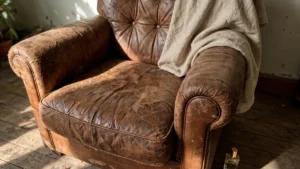
Best Luxury Vintage Furniture Brands bring together the patience of a collector, the eye of a designer and the comfort of furniture that has already proved it can last. A well-made vintage chair or sideboard carries a history that no new piece can imitate, and when the maker, the materials and the condition are right, it can anchor a room for decades while holding much of its value. This guide looks at the dealers and marketplaces that do that work best, from global platforms with thousands of vetted sellers to small galleries where every piece is chosen by hand.
The appeal of vintage furniture at the luxury end is practical as well as emotional. Older pieces were often built from solid hardwoods, natural veneers and hand-finished joinery, using techniques that are expensive to reproduce today. The strongest brands in this space understand both sides of that promise, pairing careful restoration with honest descriptions and clear provenance.
Choosing well means knowing where to look and what to ask before you commit. The brands below were selected for the quality of their inventory, the transparency of their condition reports, the strength of their delivery and returns support, and their reputation among designers and collectors.
Key takeaways
- Vintage furniture generally means pieces between 20 and 99 years old, valued for design and craftsmanship rather than age alone.
- The best dealers provide detailed condition reports, clear photographs of wear, and honest provenance for every piece.
- Global marketplaces offer the widest choice, while specialist galleries offer the deepest expertise and the most careful restoration.
- Always confirm dimensions, delivery costs and return terms before buying, especially for large or fragile items.
- A strong vintage piece should suit the room first and the investment case second, because you will live with it every day.
Best Luxury Vintage Furniture Brands Compared
The table below gives a quick view of the ten brands in this guide, including what each one is best known for and how it generally serves buyers.
| Brand | Best Known For | Price Range | Buying Experience |
|---|---|---|---|
| 1stDibs | Curated global marketplace | High to very high | Vetted dealers, buyer protection |
| Chairish | Designer vintage and trade access | Mid to high | Curated listings, trade programme |
| Pamono | European mid-century design | Mid to high | Direct dealer listings, delivery help |
| Vinterior | British and European vintage | Mid to high | Verified sellers, delivery quotes |
| Ruby Lane | Antiques and vintage shops | Mid to high | Individual shops, direct contact |
| JF Chen | Museum-quality statement pieces | Very high | Gallery service, private viewing |
| Galerie Half | Californian collected interiors | High | Gallery and design service |
| Lawson-Fenning | Mid-century and custom work | High | Showroom, restoration in-house |
| Obsolete | Eclectic Los Angeles finds | High | Showroom, design consultation |
| Nickey Kehoe | Layered, liveable vintage | Mid to high | Showroom and online shop |
The Ten Brands in Detail
Each profile below covers the brand’s focus, its heritage, the services it generally offers, and what the buying experience is usually like.
1stDibs
Focus: 1stDibs is a global marketplace for high-end vintage furniture, fine art, jewellery and design objects, bringing together vetted dealers from many countries on one platform. Its furniture offering leans towards recognised designers, notable makers and pieces with strong provenance, which makes it a natural first stop for collectors.
Heritage: Founded in Paris and New York in the early 2000s, 1stDibs grew from a small online directory of Parisian dealers into one of the best-known names in luxury vintage.
Services: The platform generally offers buyer protection, secure payment handling, shipping coordination and access to trade pricing for design professionals.
Buying experience: Browsing is straightforward, with strong filters for period, maker, material and price. Because sellers are independent dealers, service can vary, so it is worth reading the seller’s reviews and asking direct questions before committing. For a statement piece, the breadth of choice here is hard to match, and the room itself often benefits from the same considered approach seen in celebrity home decor ideas that mix vintage finds with modern comfort.
Chairish
Focus: Chairish is a curated marketplace for vintage furniture, decor and art, with a strong following among interior designers. Its inventory ranges from mid-century classics to one-off decorative pieces, and its trade programme makes it a working tool for professionals as well as private buyers.
Heritage: Launched in San Francisco in 2013, Chairish built its reputation on careful curation, with every listing reviewed before it goes live.
Services: Chairish generally provides buyer protection, delivery coordination through its own logistics partners, and a trade programme with preferential pricing.
Buying experience: The site is easy to browse and the curation keeps quality high, although prices can vary widely between sellers. Checking dimensions and condition notes carefully is essential, and the platform’s delivery quotes help to avoid surprises on large items. It is a good place to search when you know the style you want but not the exact piece.
Pamono
Focus: Pamono concentrates on European vintage and mid-century design, with a strong showing of Italian, Scandinavian, French and German pieces. Its catalogue suits buyers who love clean lines, warm woods and the optimistic design language of the post-war decades.
Heritage: Founded in Germany in 2013, Pamono works directly with dealers across Europe and presents its inventory with a consistent, design-led editorial style.
Services: The platform generally offers secure payment, delivery coordination and customer support for international orders.
Buying experience: Browsing by country of origin or design period works well for collectors with a specific focus. Delivery times for international orders can be longer, so it is worth confirming timing and costs early. For European mid-century pieces in particular, Pamono is one of the most focused places to look.
Vinterior
Focus: Vinterior is a British marketplace for vintage furniture and homeware, with sellers across the United Kingdom and Europe. Its range covers everything from Georgian side tables to 1970s lighting, and it appeals to buyers who enjoy the hunt as much as the find.
Heritage: Founded in London in 2014, Vinterior grew quickly by giving independent vintage dealers a professional online shopfront.
Services: The platform generally offers buyer protection, verified seller badges and delivery quotes arranged through its logistics partners.
Buying experience: The marketplace feels personal, with many small dealers who know their stock well. Prices are often more approachable than on the largest global platforms, although the most desirable pieces still command strong prices. It rewards patient browsing and direct conversation with sellers.
Ruby Lane
Focus: Ruby Lane hosts independent shops selling vintage furniture, antiques, jewellery and collectibles, with a strong community of long-standing dealers. Its furniture offering tends towards traditional and decorative pieces alongside mid-century finds.
Heritage: Founded in the United States in 1998, Ruby Lane is one of the oldest online marketplaces for antiques and vintage goods.
Services: The platform generally provides secure payment handling and a structured way to contact shop owners directly. Individual shops set their own shipping and return terms, which are usually stated clearly on each listing.
Buying experience: The shop format encourages relationships with dealers, and many buyers return to the same shops again and again. For traditional and decorative vintage furniture, Ruby Lane remains a dependable hunting ground.
JF Chen
Focus: JF Chen is a Los Angeles gallery dealing in museum-quality furniture, lighting and objects from the 18th century to the present day. Its inventory is aimed at serious collectors and designers working on exceptional interiors.
Heritage: Founded by Joel Chen, the gallery has spent decades sourcing remarkable pieces and building relationships with collectors worldwide.
Services: The gallery generally offers private viewings, detailed provenance research, condition reports and assistance with shipping and installation.
Buying experience: Buying here is a personal, consultative process rather than a quick online transaction, and prices reflect the rarity of the stock. For a once-in-a-lifetime piece, that level of service is part of what you are paying for. It is the kind of gallery to visit when only the exceptional will do.
Galerie Half
Focus: Galerie Half is a Los Angeles gallery and shop known for its collected, Californian approach to interiors, mixing vintage furniture with contemporary craft and art. Its pieces tend to feel warm, layered and liveable rather than formal.
Heritage: Founded by Cliff Fong, the gallery grew out of a design practice and a love of objects with character.
Services: The gallery generally offers in-person viewing, design consultation and help with sourcing pieces for specific projects.
Buying experience: The experience is relaxed and design-led, with staff who understand how vintage pieces work in real rooms. Prices sit at the higher end, reflecting the curation and the gallery setting. It is an excellent source of inspiration as well as furniture, and a good reminder that the best vintage buying starts with how a room should feel.
Lawson-Fenning
Focus: Lawson-Fenning is a Los Angeles showroom and workshop specialising in mid-century furniture, lighting and custom pieces. It combines a vintage offering with in-house restoration and its own furniture line.
Heritage: Founded by Glenn Lawson and Grant Fenning, the business grew from a shared love of mid-century design into a respected showroom and maker.
Services: The showroom generally offers restoration, reupholstery and custom commissions alongside its vintage stock.
Buying experience: Visiting the showroom is the best way to appreciate the quality of the restoration work, although the online shop carries a good selection. Buying from a business that restores in-house gives extra confidence about condition and longevity. It suits buyers who want a mid-century piece that is ready for daily life.
Obsolete
Focus: Obsolete is a Los Angeles showroom and gallery with an eclectic mix of vintage furniture, lighting and objects, ranging from rustic European pieces to bold mid-century designs. Its buying is famously instinctive, which gives the stock a distinctive personality.
Heritage: Founded by Robert Ogden, Obsolete has become a favourite of designers and stylists who want pieces with presence.
Services: The showroom generally offers design consultation, sourcing help and delivery coordination.
Buying experience: The experience is informal and discovery-led, with new stock arriving regularly. Prices reflect the showroom’s curation and the desirability of its finds. It is a good place to visit when you are open to being surprised by a piece you had not planned to buy.
Nickey Kehoe
Focus: Nickey Kehoe is a Los Angeles design studio and shop offering vintage furniture alongside its own upholstery, lighting and homeware. Its style is layered and comfortable, mixing periods and textures with an easy confidence.
Heritage: Founded by Todd Nickey and Amy Kehoe, the studio grew from interior design work into a shop that reflects its founders’ taste for collected, liveable rooms.
Services: The shop generally offers design services, custom upholstery and help with sourcing vintage pieces for projects.
Buying experience: Buying here feels like shopping in a beautifully furnished home, which helps you imagine how a piece will live in your own space. Prices are generally more approachable than at the museum-level galleries, and the design team can advise on mixing a vintage find with the pieces you already own. A smaller vintage gift or object from a shop like this can also sit happily among luxury gifts under $1,000 chosen with the same care.
Vintage Furniture Versus Antiques: What Is the Difference
The words vintage and antique are often used as if they meant the same thing, but in the furniture world they describe different things, and the difference affects both price and expectations. Understanding it helps you judge whether a piece is fairly priced and whether it suits the way you plan to use it.
Vintage furniture is generally understood to mean pieces between 20 and 99 years old. A chair made in the 1960s or a sideboard from the 1980s both count as vintage, and what matters most is design: the piece is valued because it represents a particular period, designer or style, and because it was well made.
Antiques, by contrast, are generally defined as pieces at least 100 years old. Age alone does not make an antique valuable, and condition, rarity, maker and provenance matter at least as much. A 200-year-old table may be beautiful, but it may not be the best choice for a busy family dining room.
The distinction also affects how you should think about value. Vintage furniture is design-led, which means that a piece by a sought-after designer or from a celebrated period can command a high price even though it is only a few decades old. Antiques are more often valued for rarity and historical significance, and their market can be slower and more specialist.
When a dealer describes a piece, look for clear language about its age, its maker where known, any restoration work and any damage. A trustworthy seller will be specific rather than vague, and will distinguish between original condition, sympathetic restoration and later alteration.
Buying Checklist: Six Steps Before You Commit
Use this checklist every time you buy a vintage piece, whether online or in a showroom.
- Checklist item 1 — Measure twice: Confirm the height, width and depth of the piece and measure your doorways, lift and stairwells as well as the room itself. Vintage furniture was made for different homes, and a beautiful sideboard is no use if it cannot reach the room.
- Checklist item 2 — Read the condition report: Ask for close photographs of wear, repairs, veneer, joints and upholstery. Check whether restoration is original, sympathetic or extensive, and whether any parts have been replaced.
- Checklist item 3 — Ask about provenance: Request whatever history the dealer can share, including the maker, the period and any documentation. Provenance supports both authenticity and resale value, even if you never plan to sell.
- Checklist item 4 — Confirm delivery and returns: Get a written delivery quote, including stairs, assembly and packaging removal where relevant. Confirm the return policy and who pays return shipping before you pay, not after.
- Checklist item 5 — Compare the price: Check recent sales of comparable pieces by the same maker or from the same period. A fair price reflects condition, rarity and provenance, so a piece in poor condition should cost notably less than a fine example.
- Checklist item 6 — Plan its place in the room: Think about light, traffic and neighbouring pieces before the item arrives. A vintage piece earns its place when it works with the room, and sourcing trips can be part of the pleasure, as any good San Miguel de Allende shopping guide shows for buyers who enjoy discovering objects while they travel.
Frequently Asked Questions
How old does furniture need to be to count as vintage?
As a general guide, furniture between 20 and 99 years old is described as vintage, while pieces of 100 years or more are usually described as antiques. The exact boundaries vary between dealers and countries, so the design, maker and condition of a piece matter more than a single number.
Is vintage furniture a good investment?
Some vintage pieces hold their value well and a few appreciate, particularly works by recognised designers in good original condition. Most pieces, however, should be bought because you love them and will use them, with any future value treated as a bonus rather than a guarantee.
How do I check the condition of a piece I buy online?
Ask for detailed photographs of every side, including the underside, joints, drawers and any areas of wear or repair. Request a written condition report and ask direct questions about restoration, replaced parts and structural soundness. A reputable dealer will answer willingly and in detail.
Should I restore a vintage piece or leave it as it is?
It depends on the piece and how you plan to use it. Sympathetic restoration that makes a piece sound and usable is usually sensible, while heavy refinishing can reduce the value of a collectible original.
What should I budget for delivery?
Delivery costs vary widely with size, weight, fragility and distance, and for large or international items they can be a significant part of the total cost. Always get a written quote before buying, and check whether it includes stairs, assembly, insurance and packaging removal.
Can vintage furniture work in a modern home?
Yes, and it often works beautifully. A single vintage piece can add warmth, texture and character to a modern room, and mixing periods is a well-established approach in interior design. The key is scale and proportion: choose a piece that fits the room and let it be the focal point rather than crowding it with competing styles.
The Bottom Line
The best luxury vintage furniture brands share a simple quality: they treat every piece as an object with a past and a future, not just a product to sell. Whether you buy from a global marketplace like 1stDibs, a curated platform like Chairish, or a small gallery like Galerie Half, the same principles apply. Buy from sellers who describe condition honestly, check dimensions and delivery terms before you commit, and choose pieces you genuinely love.