What Is a Leather Perfume 2027
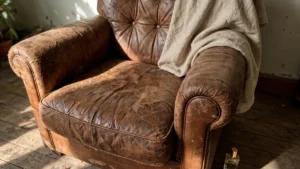
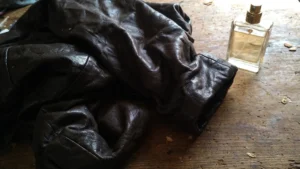
Leather is the note that perfumers reach for when a perfume needs to feel grown-up. It smells warm, smooth, and a little dangerous, like a saddle, a library chair, or a jacket that has been worn for years. A perfume with leather in the base lasts longer, smells deeper, and feels more confident than the same blend without it, which is why the note appears in everything from cheap chypres to private-collection parfums.
Most people meet leather before they know its name. It is the dark warmth under a raspberry oriental, the smoky depth in a woody men’s cologne, the soft suede edge in a powdery floral. The word itself carries baggage: motorbikes, rock stars, expensive handbags. But the material is older and stranger than its reputation, a smell built from tree bark, tree sap, and laboratory molecules that has travelled from Russian tanneries to Parisian perfume houses over two centuries.
This guide explains what leather is, where it comes from, how to read it on a pyramid, and which perfumes show it best. It also covers the mistakes buyers make most often, from expecting a new handbag to judging a base note by its first minute on a blotter. Our patchouli explainer follows the same plain-language approach, and it works here too.
Key takeaways
- A leather perfume contains no real leather; the note is an accord built from birch tar, cade oil, labdanum, styrax, and modern synthetics such as isobutyl quinoline.
- It is usually a base note and a fixative, which means it sits at the bottom of a pyramid and makes the lighter notes above it last longer.
- Leather comes in three kinds: suede-soft, smooth, and smoky, and the kind decides whether a perfume is gentle enough for work or built for evenings.
- The word “cuir” on a French bottle means the same thing as “leather” on an English one, and both name the same accord.
- Some pyramids name only “woody notes” or “amber notes” instead of leather, so read the note list carefully before you buy.
What leather actually smells like
On a blotter, leather smells warm and dry, with a smooth, slightly sweet depth and a smoky edge on top. It is not a bright or fresh smell. First it smells of whatever sits above it, raspberry or saffron or citrus, then it deepens into something dark and animal, nearer a saddle and old wood than any flower.
The smell changes with the materials. A birch-tar leather is smoky, tarry, and sharp, close to a campfire. A suede leather is soft, powdery, and close to skin, built on iris and soft musks. A smooth leather sits between the two, warm and polished, with enough smoke to feel serious and enough softness to stay wearable. A perfume that uses the smoky materials smells very different from one that uses the soft ones, which is why two leather perfumes can smell like different notes entirely.
In a blend, leather acts like an anchor. It holds bright citruses and sweet raspberries in place, gives roses and jasmines a darker frame, and adds weight to woods that would otherwise feel thin. It rarely opens a perfume. Spray it, enjoy the fruity or spicy opening, and expect the dark warmth to remain on skin long after the top notes have disappeared.
Concentration changes the note too. An eau de toilette lets the brighter partners lead, while an eau de parfum or parfum pushes the leather forward, so the same name can smell almost like two different materials depending on the bottle you pick up.
How to read a pyramid that names it
A pyramid sorts notes into three layers: top, heart, and base. Leather usually appears in the base, where it fixes the lighter notes above it and gives the perfume its staying power. When you see it there, expect a long, dark drydown. When you see it in the heart, expect the leather to show itself in the middle hours and fade sooner.

Different houses spell the note differently. “Cuir” on a French bottle is the same material as “leather” on an English one, and both name the same accord. What matters is the word itself: a pyramid that says only “woody notes” or “amber notes” is not naming leather at all, and neither is one that lists suede without leather when the perfume smells of smooth hide. The same plain reading shaped our labdanum explainer and woody perfumes guide, and it works here too.
Watch the company the note keeps. Leather with raspberry and saffron is rich and slightly sweet, leather with tobacco and rum is dark and boozy, leather with iris and vanilla is powdery and smooth. The partners reveal more about the finished perfume than the note alone can.
9 facts about leather
The bottle holds no real leather
What it shows: A leather perfume contains no leather at all. The note is an accord, a blend of materials chosen to smell like tanned hide: birch tar, cade oil, labdanum, styrax, and modern synthetics such as isobutyl quinoline and Safraleine.
What to consider: Because the note is built rather than extracted, two leather perfumes can smell very different. One perfumer’s leather is smoky birch tar, another’s is soft suede, and both are honestly called leather.
Birch tar builds the classic smoky leather
What it shows: Birch tar is made by heating birch bark without air, and it smells smoky, tarry, and dark. It is the material behind the classic leather smell, and it is why old leather perfumes smell like a campfire as much as a saddle.
What to consider: Birch tar is strong, and a little goes a long way. A perfume heavy on birch tar can smell harsh on first spray and needs an hour on skin before the smoke settles into warmth.
Isobutyl quinoline is the modern leather molecule
What it shows: Isobutyl quinoline, known as IBQ, is a synthetic molecule that smells green, leathery, and slightly earthy. It is the backbone of most modern leather accords, because it gives the leather smell without the roughness of birch tar.
What to consider: Because one molecule does most of the work, perfumers can build a leather that is clean and smooth rather than smoky. A pyramid that smells of polished leather rather than smoke is usually built on IBQ.
Suede smells powdery, smooth leather smells dark
What it shows: Suede leather in perfume is soft, powdery, and close to skin, usually built on iris, suede accords, and soft musks. Smooth leather is sharper and darker, built on birch tar and cade, and it smells like a polished shoe or a saddle.
What to consider: The two kinds suit different people. Suede is the easy first leather, smooth is the evening leather, and a buyer who wants one and buys the other will be disappointed.
It mostly lives in the base, which is why it lasts
What it shows: A fixative is a heavy, slow-evaporating material that holds lighter notes on skin. Leather materials are heavy, so leather usually sits in the base, and it is why leather perfumes last ten or twelve hours while a citrus cologne fades in two.
What to consider: The fixative job means leather is often present in perfumes that never name it as a star. If a perfume lasts far longer than its pyramid suggests, a leather accord is often doing the quiet work underneath.
Cuir de Russie and the Russian leather story
What it shows: The most famous leather perfume is Chanel Cuir de Russie, launched in 1924, named for the birch-tar-tanned leather of Russia. Russian leather was cured with birch tar, which gave it a smoky smell that became a luxury signature, and perfumers copied that smell into bottles.
What to consider: The Russian story is why leather smells old-fashioned to some noses. It was a luxury smell before it was a rock-star smell, and the association with fine leather goods never quite left it.
Leather entered perfumery a century ago
What it shows: Leather perfumes go back a century: Knize Ten in 1925, Cuir de Russie in 1924, and the great leather chypres of the 1960s, above all Aramis in 1965, which made leather a mainstream men’s note. The note has never really gone away, it has only changed clothes.
What to consider: The history is why so many leather perfumes smell vintage. A heavy leather chypre can read as a costume to anyone who grew up with the 1960s smell, which is why modern perfumers usually soften it with raspberry, iris, or vanilla.
Leather loves tobacco, oud, iris and raspberry
What it shows: Leather’s best partners are tobacco, oud, iris, raspberry, saffron, vanilla, and rum. Tobacco and oud make it darker, iris and vanilla make it softer, raspberry and saffron make it richer, and rum makes it warmer.
What to consider: The partners are the fastest way to read a leather perfume before you spray it. A pyramid that pairs leather with raspberry will smell sweet and rich, while one that pairs it with oud will smell dark and dry.
Cuir on a French bottle means the same thing
What it shows: “Cuir” is French for leather, and French houses use it on pyramids where English houses write “leather”. Cuir Beluga, Cuir Cannage, and Cuir Andalou are all leather perfumes, and the word tells you the note before you read anything else.
What to consider: The word is also a clue to style. A French house that names a perfume “Cuir” is usually selling a refined, polished leather rather than a rough one, and the bottle will usually cost more than a designer leather.
Who it suits and when to wear it
Leather suits anyone who likes warmth and depth in a perfume. It flatters people who find fresh florals too thin and clean musks too quiet, and it rewards patience: the note is at its best an hour after spraying, when the opening has settled and the dark warmth takes over. Wear it when you want to be noticed without shouting, and when you want a perfume that lasts from morning to midnight without a second spray.
Autumn and winter are its seasons. Cold air carries the dark warmth well, and a heavy leather feels natural under a coat in a way it never does in July heat. The cleanest picks, such as a green leather or a floral leather, work in spring and even summer, but the smoky ones belong to cold weather.
At work, keep it light. A single spray of a smooth leather is fine in an office, but a heavy birch-tar leather can fill a small room. Save the strongest picks for evenings, and test any new leather on skin for a full day before you wear it out.
Skin chemistry matters more with leather than with most notes. On warm skin the smoky depth comes forward quickly, while on cool skin the soft suede side lingers longer, so the same bottle can smell dark on one person and gentle on another. That is one more reason to wear it for a full day before you decide.
The caveats that matter
Leather is easy to love and hard to buy well: the note is built, not extracted, the spelling changes from house to house, and the note hides inside perfumes that never name it as a star. Remember these warnings before you spend anything.
| Detail | What is known |
|---|---|
| What “leather” means on a pyramid | It is an accord built from birch tar, cade, labdanum, and synthetics; “cuir” on a French bottle is the same note |
| Where the note usually sits | Base in most perfumes; it fixes lighter notes and outlives the opening |
| Longevity | Usually very long, because the materials are heavy; leather perfumes carry ten hours or more |
| Best season | Autumn and winter suit it best; the cleanest picks work in spring too |
| Who should sample first | Anyone who dislikes smoky or animalic scents should try a suede leather first |
| Natural versus synthetic | Natural birch tar is smoky and rough; IBQ and other synthetics are cleaner and smoother |
| The word to look for | “Leather” or “cuir” on the pyramid; “woody notes” alone does not name the note |
| What it does not do | It does not make a perfume smell like a new handbag, and it does not suit every skin chemistry |
Test any new perfume on a small patch of skin and wait a day before wearing it properly. On its own leather is gentle, but the birch tar, spice, and oud around it can irritate, and no perfume is ever a single note.
Checklist: understanding leather honestly
Work through these before you buy.
- Start with the pyramid: it should name “leather” or “cuir”, not just “woody notes” or “amber notes”.
- Ask whether the leather is suede, smooth, or smoky: suede is soft and powdery, smoky is birch tar and sharp.
- Wear it on skin, never on paper alone: warm skin reveals the leather, while paper dulls it.
- Let an hour pass before you decide: the bright opening lifts first, and the dark warmth underneath is what endures.
- Put two bottles next to each other before you choose: a suede leather beside a smoky leather, or Tuscan Leather beside Ombre Leather.
- If you cannot decide, buy the smallest bottle: a finished 50 ml beats a 100 ml gathering dust.
Frequently asked questions
Is there real leather in a leather perfume?
No. A leather perfume contains no leather at all. The note is an accord built from birch tar, cade oil, labdanum, styrax, and modern synthetics such as isobutyl quinoline, all chosen to smell like tanned hide.
What does a leather perfume smell like?
Warm, dry, and slightly smoky, with a smooth, dark depth. A suede leather smells soft and powdery, a smooth leather smells polished and warm, and a birch-tar leather smells smoky and sharp, like a campfire and a saddle.
Is leather a men’s note?
No. Leather is a material, not a gender, and it appears in perfumes worn by women as often as by men. The marketing may lean masculine, but the note itself is unisex, and suede leathers in particular are worn widely by women.
Can I wear a leather perfume to the office?
You can, if you keep it light. A single spray of a smooth or suede leather is fine in an office, but a heavy birch-tar leather can fill a small room. Save the strongest picks for evenings, and test any new leather on skin for a full day before you wear it out.
What is the difference between leather and suede in perfume?
Suede is the soft, powdery side of leather, usually built on iris and soft musks, while smooth leather is darker and sharper, built on birch tar and cade. Suede is the easy first leather; smooth leather is the evening leather.
How do you tell a good leather perfume from a harsh one?
Wear it on skin for an hour. A good leather settles into warmth after the opening, while a harsh one stays sharp and tarry. The partners help too: a leather with iris or vanilla is usually smoother than one built on birch tar alone.
The bottom line
Leather is an accord with two centuries of history behind it: a smoky tanning material from Russia, a luxury signature in the 1920s, a mainstream men’s note in the 1960s, and one of the great fixatives of perfumery. It smells of warm hide and old wood, it holds lighter notes in place, and it comes in three kinds, suede, smooth, and smoky. For the clearest introduction, try a suede leather; for the purest leather, try Tuscan Leather.
Whatever you go for, make sure the pyramid names “leather” or “cuir” rather than just “woody notes”, wear it on skin for a full day, and judge it by how the dark warmth deepens over hours rather than by the first minute. That is how you settle on a leather perfume you will actually wear to the last drop.