A chickpea farm escape is a stay of three to five nights on a working chickpea farm, timed to the threshing week. You bed down in a farmhouse room, eat chickpeas cooked the farm’s own way, and spend the days among the low bushes, watching the plants pulled, dried in the sun and threshed, and the peas cooked in the farm kitchen. The stew at supper comes from the same field.
Planning one needs more care than a hotel booking, because the harvest moves with the weather and the farms are small. The best stays take only a handful of guests, the threshing window is a week or two, and the farm that answers your questions plainly is usually the farm worth visiting.
Below are nine steps to plan a chickpea farm escape in 2027, from choosing the right region to packing the bag and bringing the peas home. Each step sets out what to do, what to avoid, and the traveller it suits, so the plan follows how you travel rather than the map.
Key takeaways
- Ask the farm which chickpea type it grows before you book, because desi and kabuli chickpeas cook in different ways.
- Time the trip to the threshing week, not the village fair, because the fair can fall a month after the peas are pulled.
- The Indian cutting falls in February and March, the Mediterranean harvest runs in June and July, and the precise week moves with the rain.
- Chickpea farms are small places with few guests, so expect plain rooms, meals at one table and dust on your shoes.
- Threshing dates are an estimate, not a promise: a stay built around one threshing day can end with the bushes still green.
What a chickpea farm escape involves
A chickpea farm escape is a short stay on a farm that grows chickpeas, built around the week the peas are pulled and threshed. Nights are spent in a farmhouse room or a converted barn, meals come from the farm kitchen, and the days are given to the fields, where the plants are pulled, dried in the sun and threshed, and the peas cooked in the kitchen.
Mornings start early, with a walk along the rows while the dew is still on the pods, and the pulling runs through the day, with the plants carried to the threshing yard as they are cut. Supper comes to one long table, and the chickpea stew is served warm beside the plate. The evenings are quiet, with the threshing yard cooling and the day’s peas settling, and the talk at the table runs to the harvest.
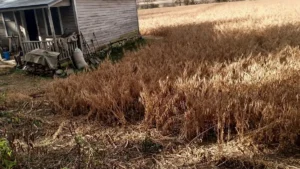
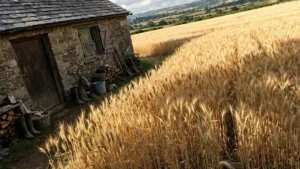
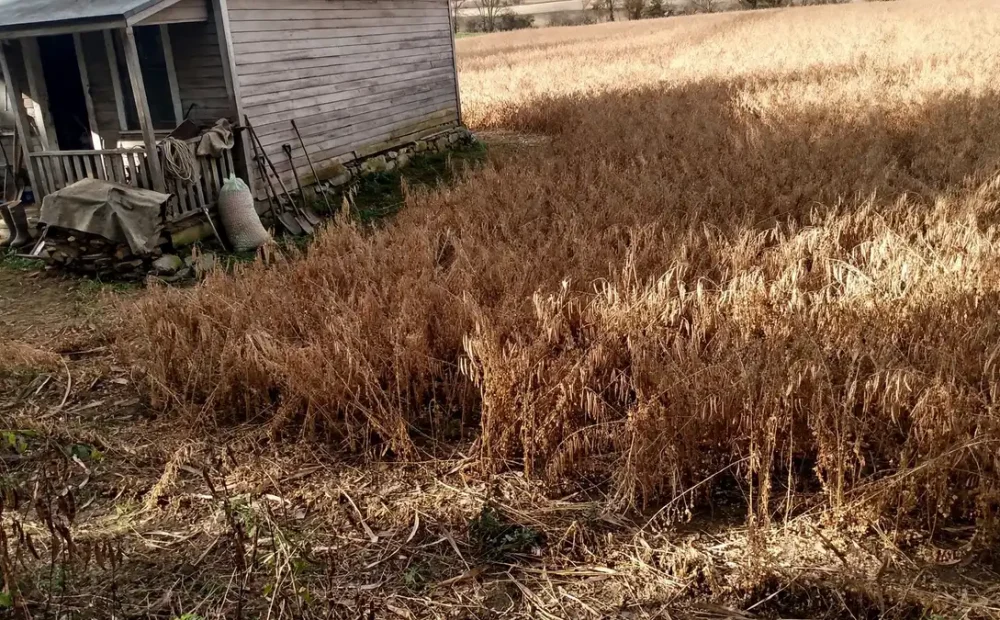
The farms sit in dry country, with low green bushes in wide fields and a threshing yard beside the barn. The stays that work best let you join the harvest rather than watch it, and a farm that speaks plainly about the pulling, the threshing and the cooking usually looks after its guests well too.
How to plan it, and what to ask first
Start with where chickpeas truly grow, not where they are sold best. A real chickpea farm has fields to walk through, bushes to stand among at harvest, and a kitchen, a mill or a stone oven working with its own pulse. A farm that buys its chickpeas in and cooks with them is no chickpea farm, whatever the website claims.
Ask the farm for its threshing window in writing, and ask what the nightly rate covers, with meals, the ride in from the nearest town and walks through the fields included rather than billed on arrival. A farm that spells out the harvest, the threshing and the cooking in plain words is a farm that knows its chickpeas.
Find out which type the farm grows, and when the peas are pulled. A farm that names desi or kabuli on its signs is a farm that knows its chickpeas, and a farm that can only say it grows chickpeas is a farm to question.
The 9 steps to plan a chickpea farm escape
Check the farm’s signs for desi or kabuli
What to do: Ask the farm whether it grows desi chickpeas, kabuli chickpeas or another type, and which name it uses on its own signs, then read the answer before you book. A farm that grows a fine type is growing a fine chickpea, but the stew on the table will taste different from one type to the next. What to avoid: Assuming every chickpea on a farm is the same chickpea. Best for: Travellers who want the true pulse, not the label. Time needed: Ten minutes and one email in the morning. Standout tip: Desi and kabuli are the two great chickpeas, so a farm growing either one is growing a pulse with a story.
Start where the chickpea story runs deepest
What to do: Start with Madhya Pradesh if the story matters to you, since the chickpea fields there have fed Indian kitchens for centuries, then look outward to Rajasthan, Anatolia and the rest. What to avoid: Picking a farm by price alone and missing the old pulse country entirely. Best for: Travellers who want the past cooked into the stew. Time needed: An evening reading the farm’s pages over supper, then a note. Standout tip: Madhya Pradesh and the Bekaa Valley suit a first trip, while the Amhara Highlands suit a traveller who wants chickpeas at the far end of the map.
Book the threshing week and skip the fair week
What to do: Ask the farm for its threshing window, and book the week the peas are pulled, since the village fair can fall a month after the harvest is over. What to avoid: Booking the fair week and finding the fields already stripped. Best for: Travellers who want the work of the harvest, not the celebration. Time needed: A single email, then a wait for the farm’s window. Standout tip: The threshing week is the week the pods rattle and smell of warm dust, and the farm can tell you when that is.
See the threshing yard at work on a dry morning
What to do: Ask whether the threshing happens in the farm yard, and whether you can watch the plants go in green and come out as dry peas. What to avoid: Booking a farm that trucks its plants away to thresh somewhere else. Best for: Travellers who want every part of the harvest, not just a piece of it. Time needed: A message; the answer usually comes within a day. Standout tip: A farm with its own threshing yard is a farm that finishes what it grows, and the yard is where the chickpea smell is strongest.
Eat the farm stew the night you arrive
What to do: Taste the farm stew on the first night, so you know what the pulse is for, then taste it again after a day in the fields. What to avoid: Saving the tasting for the last night and eating it after it cools. Best for: Travellers who want the stew to mean something. Time needed: One evening meal at the farm table. Standout tip: A stew tasted after a day among the bushes tastes different from one eaten on arrival, and the farm knows it.
See the rows in the cool of the early morning
What to do: Walk the rows at dawn, when the pods are cool and the peas are dry, and ask the farm which type grows on each field. What to avoid: Sleeping past the morning and meeting the fields only at noon. Best for: Travellers who want the fields at their finest. Time needed: An hour before breakfast. Standout tip: The dew holds the chickpea scent down, so the fields smell strongest before the sun lifts it.
Learn desi chickpeas from kabuli chickpeas
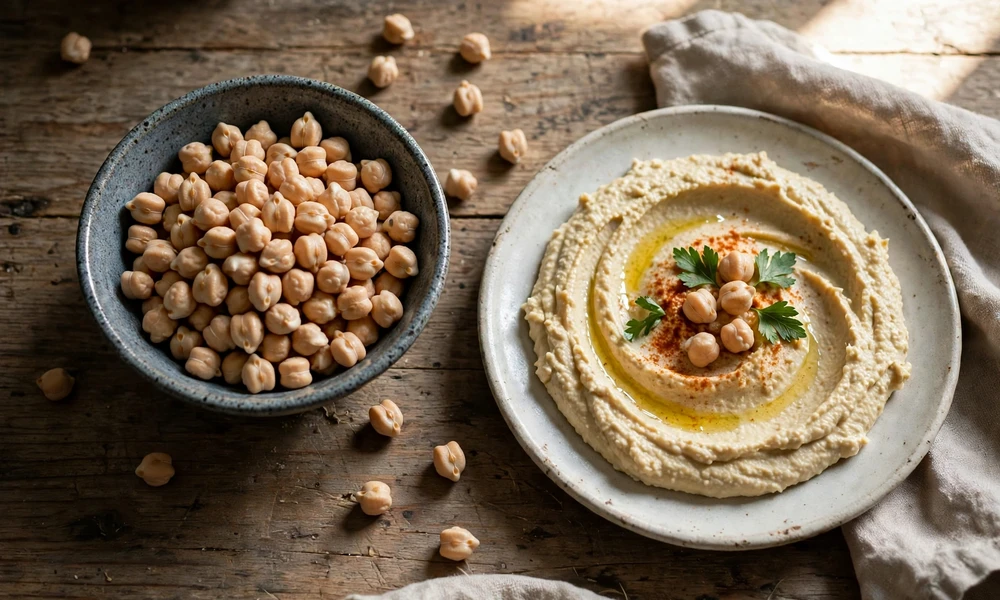
What to do: Ask the farm to show you desi and kabuli chickpeas side by side, and rub a pod of each between your palms. What to avoid: Assuming every chickpea does the same job in the kitchen. Best for: Travellers who want to taste with real knowledge. Time needed: Half an hour with the farm cook. Standout tip: Desi chickpeas go into curries and give them their bite, while kabuli chickpeas go into hummus and give it its smoothness, and the farm can show you both.
Put on old clothes for the dusty rows
What to do: Pack sturdy closed shoes, a sun hat and clothes you can wash by hand, since the fields are dusty, the bushes scratch, and the kitchen is hot. What to avoid: Packing for a hotel and finding the fields too rough for the clothes. Best for: Travellers who want the harvest as it really is, not the picture of it. Time needed: An evening over the suitcase. Standout tip: The harvest is dusty work, and a farm that lets you stand beside the threshing yard is a farm with nothing to hide.
Leave with dried peas and flour in your bag
What to do: Buy dried peas and chickpea flour from the farm shop before you leave, packed in sealed bags and a cloth sack, so the trip comes home with you. What to avoid: Carrying fresh pods home loose, since they shed peas and lose their scent in a day. Best for: Travellers who want the harvest kept in the cupboard at home. Time needed: An hour at the farm shop. Standout tip: Dried chickpeas keep for months in a sealed bag, and the farm flour is the best souvenir a chickpea farm can sell.
Picking the right season and region
For the deepest pulse story, begin with Madhya Pradesh or Rajasthan, where the chickpeas have grown longest and the cooking runs to chana masala and roasted chana. Both ease a first-timer in, with short walks and long table meals, and Madhya Pradesh adds the widest chickpea fields in the world. Both sit close to towns with markets of their own, so a rest day still tastes of chickpeas.
For scenery with the chickpeas, the Amhara Highlands and the Haouz Plain set the fields in mountain country, Queensland sets them under huge southern skies, and the Bekaa Valley sets them between two mountain ranges. Queensland is the sunniest of the nine, while Puglia is the simplest to reach.
For the grain that goes with the chickpea, our guide to planning a wheat farm escape covers the bread that every farm table is built on, and the guide to planning a pumpkin farm escape offers a different kind of harvest altogether, with big orange fruit and autumn markets instead of low bushes and threshing yards.
The caveats that matter
The harvest answers to the weather: farms give a best guess, never a promise, and a trip pinned to one threshing day gambles on the rain. The warning that matters most is the kitchen, easy to overlook when a chickpea farm is sold as a gentle country stay.
| Detail | What is known |
|---|---|
| Best time to visit | February into March in India, June into July around the Mediterranean, October into November in the south, once the bushes turn straw-coloured; the precise week shifts with the rain |
| What the work involves | Walking the rows, watching the plants pulled and threshed, and seeing the peas cooked and milled into flour |
| How long a stay runs | Three to five nights, timed to the late-season threshing weeks |
| Who should take care | Guests with a legume allergy, because chickpeas are the heart of the stay, and anyone unused to strong sun or harvest dust |
| What the kitchen serves | Chickpea stews, roasted chana, flatbreads and salads, usually with the farm oil poured beside the plate |
| Gluten note | Chickpea flour is naturally free of gluten, but the farm bread served beside it is usually wheat, so ask the kitchen what it can safely serve |
| What to pack | Sturdy closed shoes, a sun hat, a warm layer for cold highland nights, and clothes you can wash by hand |
| What it does not do | No promised threshing day, no fixed menu, and no hotel-style service on a working farm |
If a legume allergy, a condition that heat worsens, or a strict gluten-free diet applies to you, talk to the farm before you book. A single question about the kitchen and the bread can spare you a difficult stay, and a farm that answers it straight is usually worth the visit. The guide to planning a hop farm escape sounds the same caution, since the beer on its tables is brewed from grain too.
Checklist: before you book a chickpea farm escape
Run through these checks before you pay, and once more the week before you travel.
- Ask for the farm’s threshing window in writing, and find out what happens if the bushes are still green when you arrive.
- Confirm that the nightly rate takes in supper, the ride from the nearest town and the field walks.
- Find out whether the threshing and cooking happen on the farm, and whether the kitchen can serve a meal without chickpeas.
- Look over the bedroom before you pay: the rooms are plain, so check the bed, the water and the heating.
- Pack for fierce sun and dusty paths: closed shoes, a hat, a warm layer for chilly evenings, and clothes you can wash by hand.
- Hold one day open for the nearest town, so a harvest that moves still leaves a good trip behind.
Frequently asked questions
Does a chickpea farm suit a traveller who cannot eat gluten?
In part. The fields, the threshing and the harvest are worth the journey on their own, and chickpea flour itself carries no gluten, but the bread served beside the chickpeas is usually wheat. Ask the farm what a gluten-free guest can eat, and choose the threshing week over the baking week.
How far ahead should a chickpea farm be booked?
Book at least three months ahead, and a year ahead for the southern harvest, since the farms take only a handful of guests and the threshing week is short. The best farms fill their threshing weeks first, and a late booking usually means the week after the peas are pulled. A farm that fills its threshing weeks early will tell you so in the first email, and the farms that answer slowly are usually the ones with room left.
What should I pack for days in the chickpea fields?
Strong closed shoes, a sun hat, something warm for chilly evenings, and clothes you can wash by hand. The chickpea fields are dusty, the bushes scratch, and the kitchen is hot, so pack for hard sun and dusty tracks rather than for a hotel.
Are children welcome on a chickpea farm stay?
Yes, on most farms, if they can walk the fields and mind the threshing yard. The pulling is gentle work to watch, the fields are open, and children usually enjoy the plants and the farm animals, but the threshing yard is dusty and the machinery is heavy, so keep them beside you.
What can I take home from a chickpea farm?
Most farms sell dried chickpeas in sealed bags and chickpea flour from their own mill, and some sell roasted chana as well. Buy the dried peas rather than the fresh pods, since the fresh ones shed peas and lose their scent in a day, and pack the flour in a cloth sack.
What does a week on a chickpea farm cost?
A week comes to roughly $450 at the low end and $2,600 at the high end for two people, depending on the region and the room. Madhya Pradesh is the cheapest stay on this list, the Amhara Highlands the dearest, and the flights are usually the largest part of the trip, so book the threshing window before the flights.
The bottom line
A chickpea farm escape fits travellers who would rather have dry golden fields, threshing yards and chickpeas cooked the farm’s own way than a hotel. The peas are round, the stews are warm and fresh, and the best stays feed you from ground they worked themselves.
Settle the harvest week before the travel dates, and hold a spare day at the end. When the chickpeas ripen on time you will eat stews from peas pulled that week, and when they do not, the hills, the plains and the old towns will carry the trip anyway.