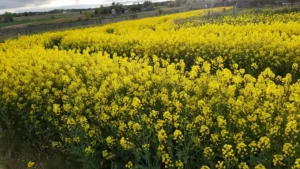
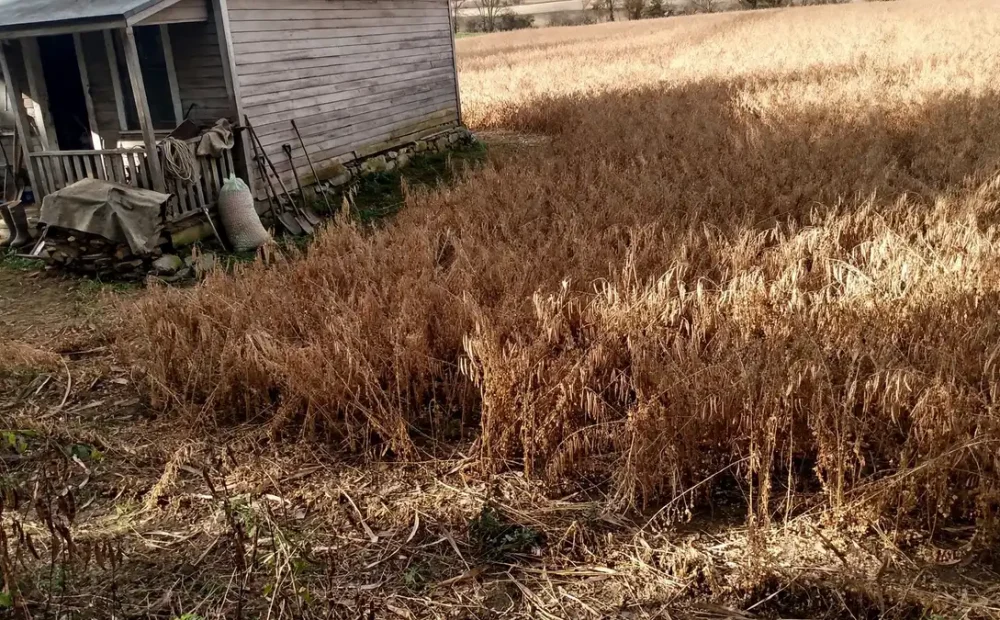
For three or four weeks each spring, the canola fields turn a yellow so bright it looks painted on. The flowers open all at once across whole valleys, the air fills with bees, and the farms that grow the crop open their doors to guests who want to see it up close. Canola is the crop behind the cooking oil in most kitchens, a low-acid rapeseed bred in Canada in the 1970s, and the farms that grow it have turned the short bloom into a season of their own.
A canola farm retreat means three to five nights on a working farm while the flowers are out. You sleep in a farmhouse room, walk the field edges in the morning, watch the seed pressed into golden oil, and eat from a kitchen that cooks with the farm’s own pressing. The farms run from the grain plains of France to the whale coast of South Africa.
Below are nine canola farm retreats worth considering in 2027, from the cheapest plain in France to a Cape farm at the far end of the map. Each of the nine is weighed on what it does well, where it falls short and the traveller it fits.
Key takeaways
- Canola is a low-acid rapeseed bred in Canada, and a canola farm stay is built around the yellow bloom, the pressing and the oil, so ask the farm when the flowers open before you book.
- The bloom lasts only three to four weeks, and the exact opening moves with the spring rain, so a stay planned around one date can end with the fields still green.
- The northern bloom falls in April and May, and the southern bloom runs in August and September, and the two seasons are six months apart, so check which hemisphere the farm sits in.
- Most canola farms are small and take only a few guests, so expect plain rooms, shared meals and pollen on your clothes.
- Bloom dates are a guess, not a promise: a stay pinned to the brightest week can end with the flowers already fading.
What a canola farm retreat actually is
A canola farm retreat means three to five nights on a working farm that grows canola, with the yellow bloom as the reason for the trip. Guests sleep in a farmhouse room or a converted barn, eat from the farm kitchen, and seeing the seed pressed into oil in the press house.
Canola has been grown for oil for only fifty years, and the great canola regions grew up around the presses they served. The plains of northern France fed the oil mills of Paris, the fields of the Baltic coast fed the presses of the Hanseatic towns, and the yellow hills of the Western Cape fed the kitchens of the whale coast.
Most of these farms sit in open country, with wide yellow fields and a press house beside the barn. Life on these farms runs to the bloom’s rhythm rather than a hotel’s, and the finest stays put you beside the press rather than leaving you to watch the fields from the gate.
How we picked these stays, and what to ask first
We began with where canola truly grows, not where it photographs best. A genuine canola farm offers fields to walk through, flowers to stand among at full bloom, and a press working with its own seed. A farm that buys its oil in is not a canola farm, whatever the website says.
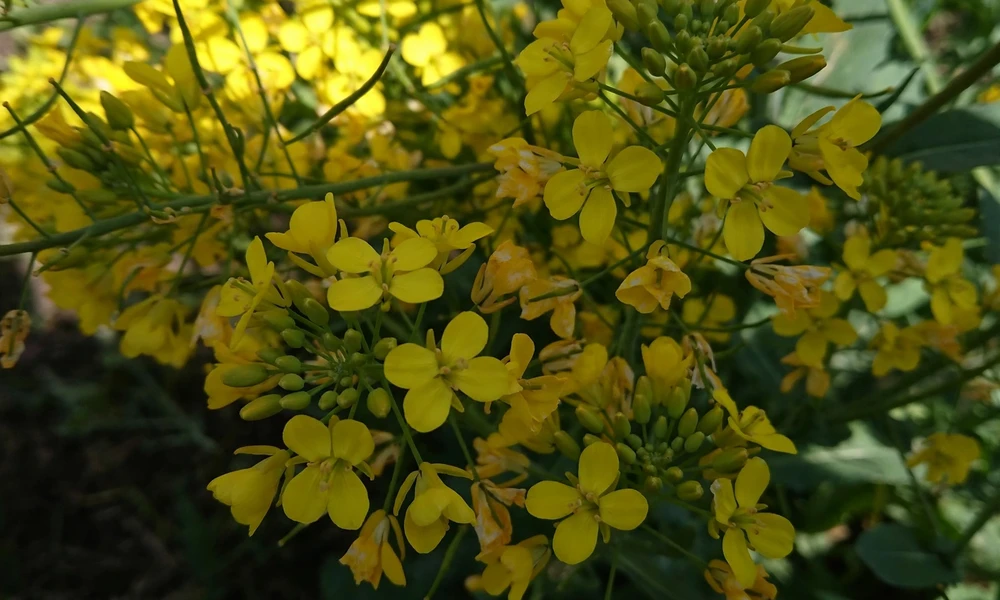
The strongest farms keep guest numbers small, so the bloom stays real work, not a show for visitors. They also set out plainly what the nightly rate covers, with meals, the ride in and the field walks included rather than billed on arrival. A farm that talks plainly about the bloom, the pressing and the bees usually looks after its guests well too.
Ask the farm for its bloom window in writing before you pay. A farm that answers both questions in the first email is usually a farm worth visiting, and a farm that cannot say when its own fields turn yellow is a farm to question.
The 9 best luxury canola farm retreats of 2027
Beauce, Centre-Val de Loire, France — Canola Gold on the Beauce Plain
What we like: Canola on the Beauce, where the yellow fields run flat between Chartres and the Loire and the farm presses its seed into golden oil in a stone press house. The villages keep their stone churches, and the kitchen serves farm eggs, soft cheese and bread dipped in the farm’s own oil.
What to consider: The plain is flat and the farms are plain, so the rooms are simple, and the bloom days are warm and full of bees.
Style: French grain-plain farm stay. Best for: Travellers who want canola with cathedrals and old villages. Price range: $65–$95 per night. Standout feature: Oil pressed on the farm from Beauce seed, tasted beside the Chartres spires.
Mecklenburg-Vorpommern, Germany — Canola on the Baltic Coast
What we like: Canola in Mecklenburg-Vorpommern, where the yellow fields run down to the Baltic shore and the farm presses its seed in a thatched press house. The villages keep their brick churches, and the kitchen serves smoked fish, new potatoes and bread with the farm’s cold-pressed oil.
What to consider: The coast wind can be sharp in bloom season, and the farms sit a long way from the big towns.
Style: German Baltic farm stay. Best for: Travellers who want canola with a cold sea at the field’s edge. Price range: $100–$130 per night. Standout feature: Yellow fields that run to the Baltic shore, with the press house in a thatched barn.
Lincolnshire, England — Canola Across the Wolds
What we like: Canola in Lincolnshire, where the yellow fields roll across the Wolds and the farm presses its seed into cold-pressed rapeseed oil. The farmhouses are brick and pantiled, and the kitchen serves Lincolnshire sausage, farm eggs and bread with the farm’s own oil.
What to consider: The Wolds are gentle rather than dramatic, so the views are soft, and the bloom week can be cut short by rain.
Style: English arable farm stay. Best for: Travellers who want canola with quiet lanes and old market towns. Price range: $135–$165 per night. Standout feature: Cold-pressed rapeseed oil from the Wolds, pressed on the farm.
Greater Poland, Poland — Canola in the Old Heartland
What we like: Canola in Greater Poland, where the yellow fields spread around Poznan and the farm presses its seed in a manor press house. The market towns keep their painted squares, and the kitchen serves beet soup, dumplings and dark bread with the farm’s golden oil.
What to consider: The fields are broken by forest, so the views are patchy, and the bloom falls early in a warm spring.
Style: Polish manor farm stay. Best for: Travellers who want canola near an old capital. Price range: $170–$200 per night. Standout feature: Oil pressed in a manor press house from Greater Poland seed.
Bărăgan Plain, Romania — Canola on the Danube Plain
What we like: Canola on the Bărăgan Plain, where the yellow fields run flat to the Danube and the farm presses its seed in a whitewashed press house. The villages keep their painted houses, and the kitchen serves yoghurt, white cheese and warm bread with the farm’s oil and honey.
What to consider: The plain is the hottest stay on this list in bloom season, and the farm is far from the towns.
Style: Romanian plain farm stay. Best for: Travellers who want canola on a wide open plain. Price range: $205–$235 per night. Standout feature: Yellow fields stretching flat to the Danube, with the farm’s own honey beside the oil.
Schleswig-Holstein, Germany — Canola Between Two Seas
What we like: Canola in Schleswig-Holstein, where the yellow fields lie between the North Sea and the Baltic and the farm presses its seed in a red-brick press house. The thatched villages sit behind the dykes, and the kitchen serves herring, new potatoes and rye bread with the farm’s oil.
What to consider: The wind off two seas can be sharp, and the bloom week moves fast in a warm spring.
Style: North German coastal farm stay. Best for: Travellers who want canola with two seas and long light. Price range: $240–$270 per night. Standout feature: Yellow fields set between the North Sea and the Baltic, with the press in a red-brick barn.
Stavropol, Russia — Canola on the Stavropol Upland
What we like: Canola in Stavropol, where the yellow fields cover the upland below the Caucasus foothills and the farm presses its seed in a stone press house. The mineral springs lie nearby, and the kitchen serves dumplings, roast meats and farm bread with the golden oil.
What to consider: The upland is the most remote stay on this list, and the bloom falls early, so the bright week is short and easy to miss.
Style: Caucasus foothill farm stay. Best for: Travellers who want canola with mountains on the horizon. Price range: $275–$305 per night. Standout feature: Yellow fields on the upland below the Caucasus, with the farm’s oil and spring water.
Hubei, China — Canola Along the Yangtze
What we like: Canola in Hubei, where the yellow fields run along the Yangtze and up the terraced hills, and the farm presses its seed in a timber press house. The hills are terraced, and the kitchen serves river fish, rice and vegetables fried in the farm’s own oil.
What to consider: The spring is humid and the terraces are steep, so the field walks are best in the morning.
Style: Yangtze valley farm stay. Best for: Travellers who want canola with a great river and terraced hills. Price range: $310–$340 per night. Standout feature: Yellow terraces along the Yangtze, with the farm’s oil in every dish.
Overberg, Western Cape, South Africa — Canola at the Cape
What we like: Canola in the Overberg, where the yellow fields roll between the fynbos hills and the whale coast and the farm presses its seed in a whitewashed press house. The whales pass in season, and the kitchen serves bobotie, braai bread and farm butter with the golden oil.
What to consider: The bloom falls in August and September, the opposite season to Europe, and the farm is a long drive from Cape Town.
Style: Cape coastal farm stay. Best for: Travellers who want canola with whales and fynbos. Price range: $345–$380 per night. Standout feature: Yellow fields above the whale coast, with the farm’s oil and fynbos honey.
Which canola region fits your trip
If you want canola where the oil story runs deepest, start with the Beauce or Greater Poland, where the seed has been pressed the longest and the press houses run to stone and timber. The Beauce adds the spires of Chartres on the horizon.
If you want scenery with your canola, the Overberg and Hubei put the fields in wild country, and Schleswig-Holstein puts them between two seas.
If you want the grain that goes with the canola, our guide to the wheat farm retreats covers the bread every farm table is built on, and the hop farm retreats offer a different harvest altogether, with tall bines and kilns instead of presses and hives.
The caveats that matter
Canola answers to the weather: farms give a best guess, never a promise, and a trip pinned to one bloom week gambles on the rain. The real warning is the pollen, easy to overlook on a stay built around flowers.
| Detail | What is known |
|---|---|
| Best time to visit | April into May in the north, August into September in the south, once the flowers open; the precise week shifts with the spring rain |
| How long the bloom lasts | Three to four weeks at most farms, with the brightest colour in the first ten days |
| What the work involves | Walking the field edges, watching the seed pressed into oil, and seeing the hives worked among the flowers |
| How long a stay runs | Three to five nights, timed to the late-spring bloom weeks |
| Who should take care | Guests with hay fever or a pollen allergy, because the flowers are the heart of the stay, and anyone unused to strong sun or bees |
| What the kitchen serves | Farm eggs, stews, roast meats and cheese, usually fried or dressed in the farm’s own oil |
| What to pack | Sturdy closed shoes, a sun hat, allergy tablets if you need them, and clothes you can wash by hand |
| What it does not do | No promised bloom day, no fixed menu, and no hotel-style service on a working farm |
If hay fever, a pollen allergy, or a bee sting allergy applies, speak to the farm before booking. A farm that answers it plainly is usually worth visiting. The barley farm retreats sound a different caution, since barley carries gluten in every kernel, while canola’s warning is written in yellow.
Checklist: booking a canola farm stay honestly
Run through these checks before you pay, and once more the week before you travel.
- Get the farm’s bloom window in writing, and ask what the plan is if the flowers are still shut on arrival.
- Make sure supper, the lift in from the nearest town and the morning walks are all inside the nightly price.
- Ask whether the pressing happens on the farm, and whether the hives are worked while guests are in the fields.
- See the bedroom before you pay: the rooms are plain, so try the bed, run the taps and test the heating.
- Pack for pollen and hard sun: shut shoes, a hat, allergy tablets if you need them, and clothes you can wash by hand.
- Keep a spare day for the nearest town, so a bloom that shifts still leaves you a fine trip.
Frequently asked questions
What is canola, and how is it different from rapeseed?
Canola is rapeseed bred to be low in erucic acid and glucosinolates, the two compounds that made old rapeseed oil bitter. The name comes from “Canadian oil, low acid”, and it was bred in Canada in the 1970s. The fields turn the same bright yellow, but the oil pressed from canola seed is the mild golden oil used for cooking, while old rapeseed oil was mostly industrial.
When do canola fields turn yellow?
The northern fields turn yellow in April and May, the southern fields in August and September, and the colour lasts three to four weeks. The exact opening moves with the spring rain, so ask the farm for its bloom window rather than one date, and hold off booking flights until the window is set.
How long does the canola bloom last?
Three to four weeks at most farms, with the brightest colour in the first ten days. The flowers open from the bottom of the stem upward, and a wet spring can stretch the bloom while a hot one can cut it short.
Can I walk through the canola fields?
Most farms let you walk the field edges and the farm tracks, and some let you step a little way into the flowers for photographs. The plants are tall and the stems are soft, so stay on the farm’s paths, keep clear of the hives, and ask the farm where guests may walk before you set off.
Where should a first-time canola traveller start?
The Beauce is the easiest first trip: the yellow fields are at their widest there, and the farms are used to guests. If you want the story as well as the colour, Mecklenburg-Vorpommern puts you in the canola country that fed the Baltic trade.
Is the oil the farm presses the same as the oil in the shops?
Partly. The farm presses the same seed, but farm oil is usually cold-pressed in small batches and sold unrefined, so it is deeper in colour and stronger in flavour than the clear refined oil in the shops. It keeps for months in a cool dark place.
The bottom line
A canola farm retreat suits travellers who prefer wide yellow fields, press houses and oil from the farm’s own seed to a hotel. The bloom is bright, the oil is golden and fresh, and the finest stays feed you from land they farmed themselves.
Decide the bloom week before the travel dates, and keep a spare day at the end. When the flowers open on time you will eat food cooked in oil pressed that week, and when they do not, the hills, the plains and the old towns will still carry the trip.