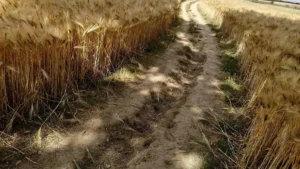
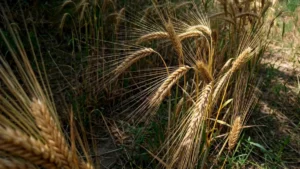
Barley is the grain that built beer, bread and whisky. It was one of the first crops people ever farmed, grown in the Fertile Crescent some ten thousand years ago, and it spread from there to every cool climate on earth. Barley feeds the malt houses of Scotland and the Czech lands, the bakeries of the Ethiopian highlands, and the breweries of Bavaria. It grows where wheat falters, in thin soil and short summers, and it ripens in a rush of gold that turns whole valleys amber for a few weeks each year.
A barley farm retreat takes you to those valleys at harvest time. You sleep in a farmhouse room or a converted barn, eat bread baked from the farm’s own grain, and watch the harvest come in, whether by hand on a small hillside plot or by combine on a prairie that runs to the horizon. Some farms malt their own barley and brew with it. Others mill it for bread, porridge and soup. All of them cook with the grain they grow, and the food is the reason the trip works.
Below are nine barley farm retreats worth considering in 2027, from a malting barley farm in Moravia to a prairie farm in Alberta. Each stay below is described by what it does well, what to watch for, and who it suits, so you can choose by how you like to travel rather than by a dot on a map.
Key takeaways
- Barley ripens in midsummer in most regions, and the exact week moves with the weather, so confirm dates with the farm before booking flights.
- Most barley farms are working farms first and guesthouses second, so expect plain rooms, shared meals and early mornings instead of hotel service.
- Barley contains gluten, so the farm kitchen suits wheat eaters far better than travellers who avoid gluten, and cross-contact is common in a shared kitchen.
- The harvest work is dusty and physical, with combines, threshing and grain handling, so sturdy shoes and a hat matter more than rain gear.
- No farm can guarantee a harvest on a set date, and a trip built around one cutting day can leave you watching a green field if the grain is not ready.
What a barley farm retreat actually is
A barley farm retreat is a stay on a working barley farm, usually two to five nights, where the farm is the reason for the trip rather than a backdrop. You sleep in a farmhouse room or a small guest cabin, eat meals cooked from the farm’s own grain, and join in the work of the season, walking the rows, watching the combine take the crop, and seeing the grain dried, cleaned and stored for malting or milling.
Barley itself is one of the oldest farmed grains in the world, first grown in the Fertile Crescent and carried from there to Europe, Africa and Asia. It became the grain of bread and porridge in the highlands, where wheat would not grow.
Most of these farms sit in cool country.
How we chose these stays and what to look for
We looked first at where barley actually grows well, not where it is marketed well. A real barley farm has fields you can walk through, a harvest you can join, and a kitchen or a malt house that uses the grain it grows.
The best farms take few guests, usually under a dozen at once, so the harvest stays real work instead of a display arranged for visitors. They also state clearly what the nightly rate includes, with meals, transport from the nearest town, and guided walks coming with the price, rather than being added when you arrive. A farm that answers questions about the harvest, the food and the weather in straightforward language is usually a farm that looks after its guests well. Our roundup of millet farm retreats uses the same check, and it is the easiest way to tell apart two farms that look alike on paper.
The 9 best luxury barley farm retreats of 2027
Moravia, Czech Republic — Malting Barley in the Haná Valley
What we like: The home of Moravian malt, where barley has been grown for Czech lager for generations and the farm’s own malt house turns the grain into the pale malt that makes the beer. The farm is family-run and generous, the rooms are simple and clean, and the harvest moves fast enough that a guest can see the whole cycle, from cutting to drying, in a single stay.
What to consider: The valley is warm by midday and the harvest weeks are short, so the farm’s dates matter more here than on most stays on this list. Style: Haná valley malt farm stay. Best for: Beer lovers who want the malt story. Price range: $60–$90 per night. Standout feature: Moravian malt barley grown for Czech lager, dried in the farm’s own malt house.
Aberdeenshire, Scotland — Spring Barley for Malt Whisky
What we like: Spring barley grown for single malt, on a farm where the grain’s journey to the distillery is the whole point of the stay. The farm sits in rolling lowland country, the rooms are plain and warm, and the harvest is cut with a combine that guests can ride in, which is the part most visitors remember.
What to consider: The Scottish summer is changeable and the harvest can be delayed by rain, so a flexible schedule matters more here than at most farms on this list. Style: Aberdeenshire barley farm stay. Best for: Whisky drinkers tracing the grain. Price range: $95–$125 per night. Standout feature: Spring barley grown for single malt, cut with a combine guests can ride in.
Norfolk, England — Barley on the East Anglian Plain
What we like: Barley grown on the flat East Anglian plain, where the fields run to a wide sky and the farm’s kitchen bakes with its own flour. The farm is close to the Broads, so a day on the water pairs well with a day in the field, and the village pub serves beer made from local barley.
What to consider: The plain is windy and the harvest is mechanised, so this stay suits travellers who like machines and open country more than hand work. Style: East Anglian arable farm stay. Best for: Walkers who like big flat skies. Price range: $130–$160 per night. Standout feature: Barley fields beside the Broads, with bread baked from the farm’s own flour.
Bavaria, Germany — Barley for the Brewing Hall
What we like: Barley grown for the brewing hall, on a farm that malts its own grain and brews a small batch with it each autumn. The farm is small and welcoming, the threshing yard is busy at harvest, and the village brewery is a short walk away for a second evening out.
What to consider: The farm is busy at harvest and the rooms are simple, so pack for work rather than for rest. Style: Bavarian brewing farm stay. Best for: Travellers who want beer at the source. Price range: $165–$195 per night. Standout feature: Barley malted on the farm and brewed into a small batch each autumn.
Champagne, France — Barley on the Chalk Plains
What we like: Barley grown on the chalk plains of the Marne, where the same pale soil that feeds the vineyards feeds the grain. The farm is close to old champagne houses, and the kitchen cooks barley soup and barley bread alongside the region’s wine, which makes the meals the best on this list for variety.
What to consider: The plains are exposed and the summer sun is strong, so bring a hat and sunscreen for the field work. Style: Champagne plain farm stay. Best for: Travellers pairing grain with wine country. Price range: $200–$230 per night. Standout feature: Barley grown on the chalk soils of the Marne, beside the champagne houses.
Alberta, Canada — Barley on the Prairies
What we like: Barley grown on the Canadian prairies, where the fields are broad and the harvest is a matter of combines working from dawn to dusk. The farm keeps cattle alongside the grain, so the stay mixes harvest work with ranch life, and the nights are cool enough for a fire under a wide sky.
What to consider: The prairie is a long drive from the nearest city and the roads are straight and slow, so the farm is a journey in itself rather than a quick stop. Style: Prairie grain farm stay. Best for: Road-trippers crossing the open prairie. Price range: $235–$265 per night. Standout feature: Broad-acre barley on the prairie, with cattle and a cool evening fire.
Montana, United States — Barley in the Big Sky Valleys
What we like: Barley grown in the valleys of Montana, where the grain is milled for bread and malted for the craft breweries of the state. The farm is close to mountain trails, and the valley landscape makes a natural second day out after the harvest work is done.
What to consider: The valleys are windy and the season runs late, so an early cold snap can cut it short. Style: Big Sky valley farm stay. Best for: Travellers who want mountains with the harvest. Price range: $270–$300 per night. Standout feature: Valley barley in the shadow of the Rockies, milled for bread and malted for craft beer.
Western Australia — Barley in the Wheatbelt
What we like: Barley grown in the wheatbelt of Western Australia, where the crop is harvested by combine on a scale few farms on this list can match. The farm is small and family-run, the grain is sold for malt and feed, and the red dirt roads give the landscape a colour no other stay on this list has.
What to consider: The wheatbelt is hot and dry at harvest and the farm is remote, so this is a stay for travellers who like distance and plain rooms. Style: Wheatbelt farm stay. Best for: Travellers who want the widest fields. Price range: $305–$340 per night. Standout feature: Barley harvested by combine in the wheatbelt, on red dirt roads under a wide sky.
Anatolia, Turkey — Barley on the Central Plateau
What we like: Barley grown on the central Anatolian plateau, close to where the grain was first farmed ten thousand years ago. The farm is near old towns and open steppe, the kitchen cooks barley soup and barley bread, and the plateau light at evening is the most beautiful on this list.
What to consider: The plateau is dry and the harvest window is narrow, so the farm’s dates are the whole trip. Style: Anatolian plateau farm stay. Best for: Travellers who want ancient grain country. Price range: $345–$380 per night. Standout feature: Barley grown where the grain was first farmed, on the open Anatolian steppe.
Which barley region fits your trip
If this is your first barley trip, start in Moravia. The stay is the cheapest on this list and the most rooted in the grain’s brewing story, and the Aberdeenshire stay pairs the harvest with a whisky landscape that fills a slow evening.
If you want North America, the Alberta stay is the classic choice, with broad fields and ranch life in the same region. Our quinoa farm retreats roundup says the same thing in different words: choose the journey you will enjoy, not only the place.
If food is the point, look to France or Turkey. The Champagne kitchen does more with barley soup and bread than any other farm on this list.
The caveats that matter
Barley farming depends on the weather in a way that catches first-time visitors by surprise. Farms give their best estimate, not a promise, and a trip built around a single cutting day is a risk.
| Detail | What is known |
|---|---|
| Best time to visit | Midsummer in most regions, when the grain heads are dry and golden; the exact week moves with the weather |
| What the work involves | Watching the combine cut the crop, drying the grain, and seeing it cleaned for malting or milling |
| How long a stay runs | Two to five nights on most farms, with the harvest work in the long summer days |
| Who should take care | Travellers with dust allergies, gluten intolerance, or limited mobility on uneven ground |
| What the kitchen serves | Barley bread, barley soup and porridge made from the farm’s own grain, often with vegetables and pulses |
| Gluten-free note | Barley contains gluten, so it is not suitable for coeliac travellers; ask the farm what else the kitchen cooks |
| What to pack | Sturdy shoes, a wide hat, long sleeves for the sun, and clothes you do not mind getting dusty |
| What it does not do | It does not guarantee a harvest day, a set menu, or hotel-style service on a working farm |
If you have a dust allergy, a gluten intolerance, or a health condition that heat makes worse, talk to the farm before you book. A short question about the kitchen and the drying floor before you book can spare you a hard stay, and a farm that answers it plainly is usually worth the visit. Our amaranth farm retreats roundup ends on the same advice.
Checklist: booking a barley farm stay honestly
Use these checks before you book, and again the week before you travel.
- Get the harvest week from the farm in writing, and ask what happens if the grain is still green when you arrive.
- Ask what the nightly rate covers: meals, lifts from the nearest town, and guided walks belong in the price, not on the bill later.
- Ask what the kitchen cooks and whether it can cope with a vegetarian request or a gluten-free guest.
- Ask about the room first: farmhouse rooms are plain by nature, so check the bed, the shower and the heating before you arrive.
- Pack for dust and glare: tough shoes, a broad hat, long sleeves, and clothes that rinse clean.
- Leave a spare day at the end for the nearest town, so a shifted harvest still leaves a good trip behind.
Frequently asked questions
When does barley ripen in Europe and in North America?
In Europe, spring barley usually ripens in July and August, after the long summer days turn the heads gold. In North America, the prairie and valley crops are ready in August and September, though the exact week moves with the weather. Ask the farm for its best guess and choose flights you can move by a few days.
Do farms cook the grain guests help to harvest?
Usually yes. Most farms cook the grain from the same harvest you helped with, often the same evening, as bread, soup or porridge.
Is the harvest work safe for children to join?
Older children can join the grain handling and the lighter work, which is safe and easy to learn. Combine cutting and grain drying are for adults, and small children are better kept near the kitchen or the yard while the machines are running.
What should I pack for a barley harvest?
Tough closed shoes, a broad hat, long sleeves, sun cream, and clothes you can spare for the dust. A thin scarf helps at threshing, when the chaff drifts through the air. Skip the waterproofs; the farms are dry by the time the grain is cut.
What is the nightly rate on a barley farm?
On this list, from $60 to $380 a night, with meals usually included. The cheapest stays are the European malt farms, and the dearest are the Australian and Turkish stays, where the rooms are larger and the transport is longer.
Where is most of the world’s barley grown?
Russia grows the most barley in the world, followed by Australia, France, Germany, Canada, Ukraine and Turkey. Spring barley leads in Europe and Canada, winter barley in France and Germany, and food barley in the highlands of Ethiopia and Tibet.
The bottom line
The best barley farm retreat in 2027 is not the most expensive or the most famous. It is the one where the grain is honestly grown, the kitchen cooks it, and the harvest week lines up with your dates. For a first trip, Moravia is the cheapest stay and the most welcoming one. For the grain’s own story, Anatolia is the stay that puts you where barley first grew.
Pick one region, get the harvest week in writing, pack for dust and glare, and judge the stay on the food and the work, not on the room. That is the honest way to enjoy a barley farm, without the disappointment that comes from expecting a hotel on a working farm.