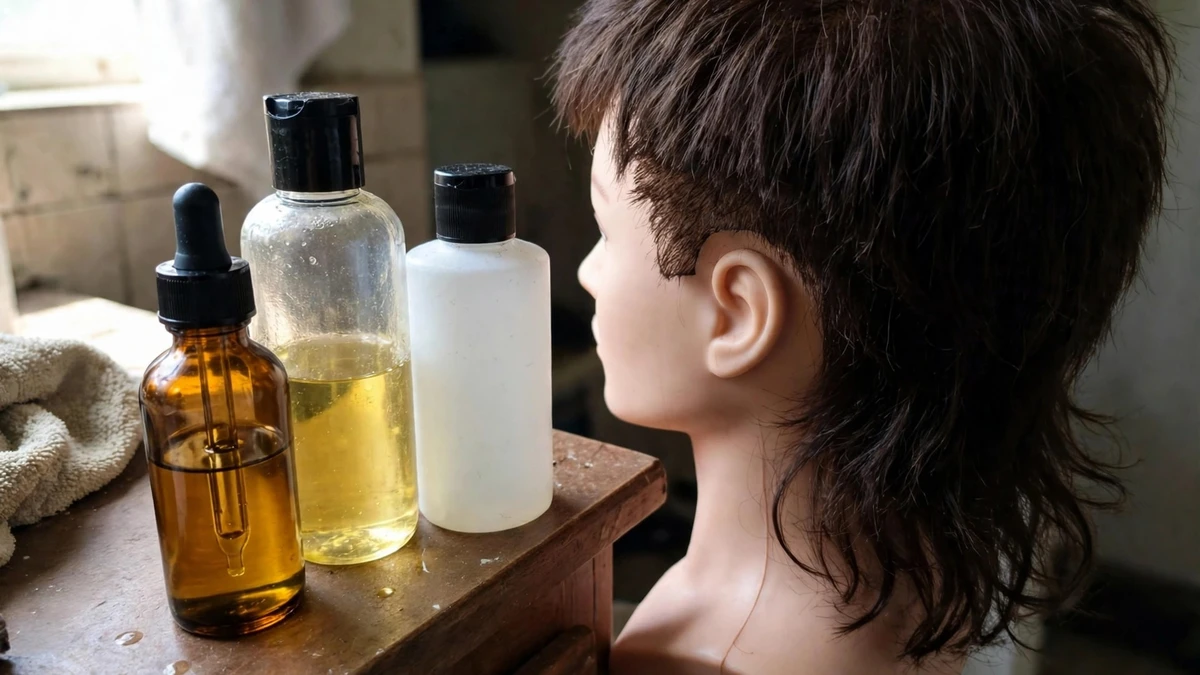
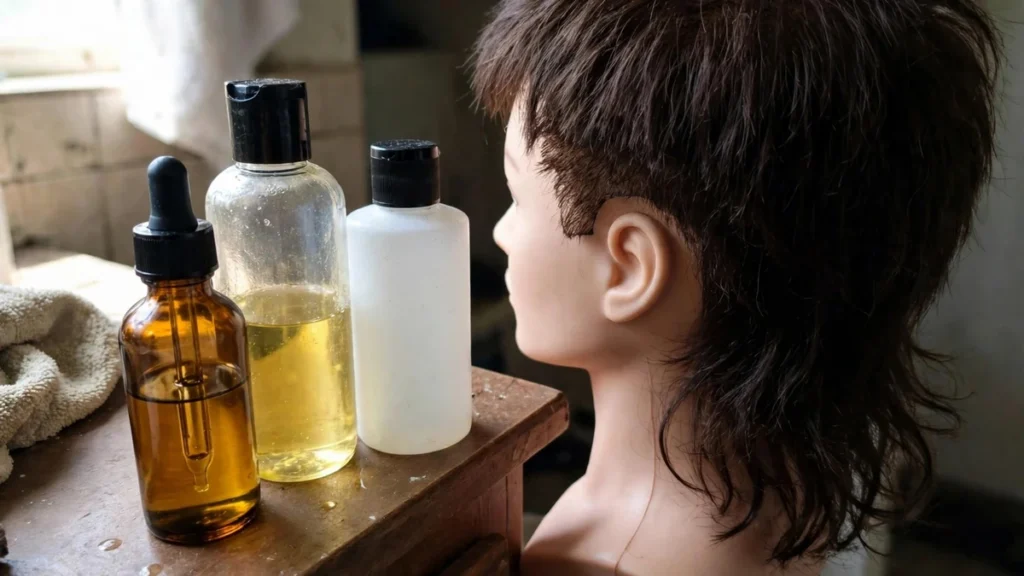
A mullet is two haircuts sharing one head. The top and sides stay short and close, while the back grows long and loose, and the two zones want almost opposite things from a bottle of oil. The short crown needs lift and air. The long back needs weight, moisture and sealed ends.
The right oil respects that split. It goes on the back length first, where the hair is oldest and driest, and only the residue reaches the short layers. It adds shine along the length without gluing the crown down, and it keeps the ends from splitting into a frayed tail.
Nine oils follow, from six dollars to forty-four, each judged on what it does well, what to watch for, and which mullet it suits.
Key takeaways
- A mullet takes oil on the long back length first, because that is the oldest and driest hair on the head.
- Two or three drops is the usual dose for a mullet, warmed in the palms and spread thin before it touches the hair.
- The short crown takes only what is left on your hands, or the top of the cut loses its lift within the hour.
- Light oils and thin serums suit fine mullets; thick and coarse mullets need a richer oil that can settle their frizz.
- No oil fixes a mullet that has outgrown its shape, and a bottle that leaves a greasy film on your hands is a reason to stop using it.
What a mullet needs from hair oil
The mullet’s shape is the whole problem. The back length hangs well past the collar, so its ends have survived months of washing, brushing and weather, and they dry out first. The crown, meanwhile, is cut short on purpose, so any oil that lands there shows up straight away as flat, darkened roots. A good oiling routine treats those two zones as different jobs.
Length is where the oil earns its keep. The back section takes the full dose, worked through from ear level down to the tips, because that is where split ends start and where shine is most visible.
The crown is where restraint matters. Short layers have very little hair to absorb oil, so even a single extra drop sits on the surface and pulls the layers together. The trick is to oil the back first and let the crown take only the thin film left on your palms. The wolf cut shares this split personality, which is why its oils are chosen the same way, light on top and richer underneath.
How we chose these oils and what to look for
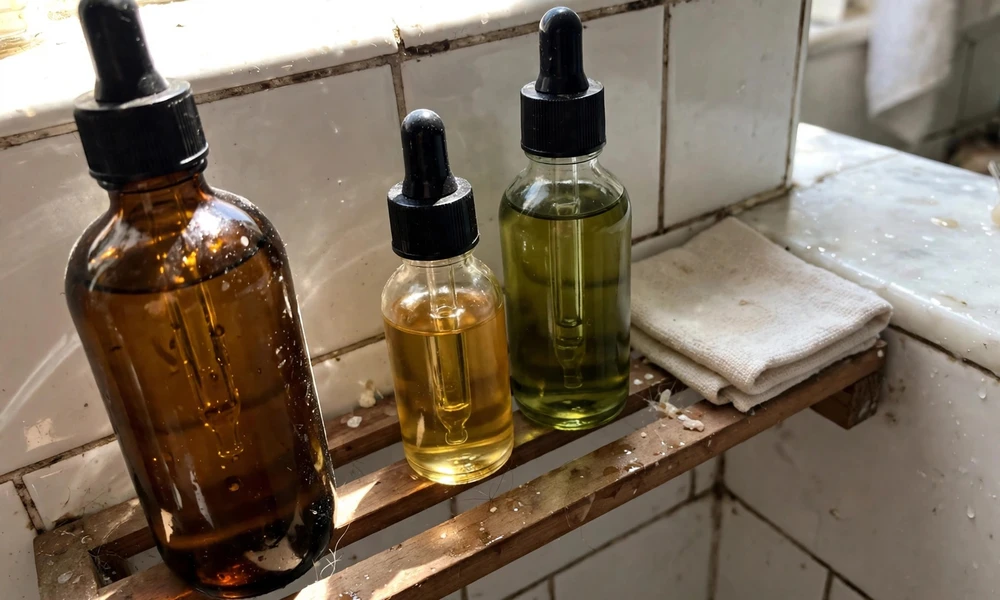
Every bottle below is a real product with a verifiable retail listing, and none of them appeared in an earlier BrassSmile hair-oil roundup. The famous oils are long gone from this series, so the list leans on quieter names: a Japanese salon oil, an Ayurvedic ritual oil, a moringa blend, and a handful of single-ingredient carrier oils that cost very little and do a lot.
Weight is the first filter. A mullet’s crown punishes heavy oils, so light oils and thin serums dominate the list, and the two rich oils here are meant for the back length and the scalp, not the top. Scent is the second filter, since the back length sits close to the collar and the nose all day.
The 9 best hair oils for a mullet in 2027
NOW Solutions Sweet Almond Oil
What we like: A single-ingredient cold-pressed almond oil in a plain bottle that does exactly one job and does it well, softening the long back length without any fragrance or silicone to argue with. The flip-top cap gives a slow, controlled pour, so a small dose is easy to measure.
What to consider: It has no scent and no styling hold, so coarse hair may need a second pass on the ends. Key ingredients: Sweet almond oil. Hair type: Every hair type, though fine to medium hair gains the most. Size: 4 fl oz (118 ml). Cruelty-free: No. Material: 100% pure sweet almond oil. Price Range: $6–$9. Best For: A cheap everyday oil for a mullet’s long back length. Standout Feature: The lowest-priced bottle in this roundup by a clear margin.
The cheapest way to learn how little oil a mullet needs: one drop on the back length, and watch what it does before adding more.
Viva Naturals Organic Jojoba Oil
What we like: A USDA organic cold-pressed jojoba oil that behaves like the scalp’s own sebum, so it sinks into the back length instead of sitting on top, and the spray pump version makes a two-drop dose almost automatic. The neutral scent disappears within minutes.
What to consider: The 4 oz bottle is small for the price, so a long mullet oiled daily will empty it fast. Key ingredients: Organic jojoba oil. Hair type: Fine or medium hair in any texture. Size: 4 fl oz (118 ml). Cruelty-free: Yes. Material: 100% pure organic jojoba oil. Price Range: $10–$12. Best For: A mullet that needs light moisture without weight. Standout Feature: USDA organic certification on a bottle this cheap.
Jojoba is the closest thing to a safe first oil for a mullet, because it is hard to overdo and easy to wash out.
WOW Skin Science Onion Black Seed Hair Oil
What we like: An onion and black seed blend aimed squarely at the scalp, which is where a mullet hides its biggest weakness, the short crown sitting tight against the skin and going oily or itchy first. The 200 ml bottle lasts for months even with weekly use.
What to consider: The onion scent is noticeable for an hour after use, so it suits wash days rather than mornings out. Key ingredients: Onion seed oil, black seed oil. Hair type: Every hair type, above all dry or itchy scalps. Size: 200 ml. Cruelty-free: No. Material: Onion seed and black seed oil blend. Price Range: $13–$15. Best For: A mullet with a dry, itchy scalp under the short top. Standout Feature: The only scalp-first pick in this roundup.
Use it as a pre-wash treatment and the smell is gone by the time the hair is dry.
Lebel IAU Serum Oil
What we like: A Japanese salon serum oil that feels like water in the hands and turns to silk on the hair, smoothing the back length without any of the drag that heavier salon oils leave behind. The 100 ml bottle is a sensible size for a daily habit.
What to consider: It is an import in most markets, so stock can vanish for weeks, and thick mullets may need a richer oil underneath it. Key ingredients: Salon serum oil blend. Hair type: Fine or medium hair, straight or wavy. Size: 100 ml. Cruelty-free: No. Material: Lightweight serum oil. Price Range: $16–$18. Best For: A mullet that needs salon-level smoothness on the back length. Standout Feature: The lightest Japanese salon oil in this list.
If the back length frizzes the moment you step outside, this is the bottle that tames it without flattening the crown.
Verb Moringa + Jojoba Treatment Oil
What we like: A moringa seed and jojoba blend with a clean, green scent that calms frizz in damp weather, which is exactly when a mullet’s back length starts to swell and lose its shape. The dropper makes a three-drop dose precise.
What to consider: The bottle is small and the price sits above the carrier oils, so daily use adds up. Key ingredients: Moringa seed oil, jojoba oil. Hair type: Medium or thick hair, wavy or curly. Size: 1 fl oz (30 ml). Cruelty-free: Yes. Material: Moringa and jojoba oil blend. Price Range: $19–$22. Best For: A mullet that frizzes in humidity. Standout Feature: Moringa seed oil, rare at this price.
Three drops on damp back length, none on the crown, and the mullet holds its shape through a humid afternoon.
Napla N. Polish Oil
What we like: A Japanese styling oil built for piecey, separated texture, which is the finish a modern mullet wants, with the back length broken into visible strands instead of one solid sheet. The 150 ml bottle is generous for a styling oil.
What to consider: It is an import that is hard to find outside specialist sellers, and it gives separation rather than deep moisture, so very dry ends still need a richer oil first. Key ingredients: Plant oil styling blend. Hair type: Medium hair, straight or wavy. Size: 150 ml. Cruelty-free: No. Material: Light styling oil blend. Price Range: $23–$26. Best For: A mullet worn with a piecey, separated finish. Standout Feature: The only Japanese import styling oil here.
Redken Oil for All
What we like: A multi-benefit salon oil that does the everyday jobs in one bottle, shine, smoothing and frizz control, without favouring any hair type, so it suits a mullet that changes with the weather. The pump dispenses a measured dose every time.
What to consider: It is a generalist, so it never beats the specialists on their own ground, and the bottle is light enough that a thick mullet may need two pumps on the back length alone. Key ingredients: Multi-benefit oil blend. Hair type: All hair types. Size: 100 ml (3.4 fl oz). Cruelty-free: No. Material: Lightweight multi-benefit oil. Price Range: $30–$34. Best For: A mullet that needs one bottle for shine and smoothing. Standout Feature: The most versatile bottle in this roundup.
Rene Furterer Karité Nutri Intense Nourishing Oil
What we like: A shea-based pre-shampoo oil that soaks into thick, coarse hair for twenty minutes and washes out leaving the back length soft instead of stiff, which is the difference between a mullet that moves and one that sticks out. The 100 ml bottle covers many weekly treatments.
What to consider: It is a pre-wash treatment, not a leave-in, so it adds a step to wash day. Key ingredients: Shea (karité) butter, plant oils. Hair type: Thick, coarse hair that runs very dry. Size: 100 ml (3.3 fl oz). Cruelty-free: No. Material: Shea oil blend. Price Range: $35–$39. Best For: A mullet with thick, coarse hair that drinks oil. Standout Feature: The only pre-shampoo treatment in this list.
Put it on dry hair before the shower, wait twenty minutes, and the back length comes out softer than any leave-in can manage.
Forest Essentials Head Massage Oil Bhringraj
What we like: An Ayurvedic herb-enriched oil built around bhringraj, made for slow scalp massage rather than quick styling, which turns a mullet’s weekly wash into a ritual instead of a chore. The amber bottle with its gold cap looks like the luxury item it is.
What to consider: It is the most expensive bottle here and an import in most markets, and the herbal scent is strong, so it suits evenings at home rather than mornings out. Key ingredients: Bhringraj herb infusion, sesame and coconut oils. Hair type: Every hair type, above all dry scalps. Size: 200 ml. Cruelty-free: No. Material: Bhringraj herb-infused oil. Price Range: $40–$44. Best For: A mullet treated as a weekly scalp ritual. Standout Feature: The only Ayurvedic pick in this roundup.
Massage it into the scalp, leave it for an hour, wash it out, and the short crown feels cleaner than it has in weeks.
Which oil is right for your mullet
Start with the texture of the back length, because that is where most of the oil goes. Fine hair wants the lightest bottles here, the sweet almond oil or the jojoba oil, and it wants them in the smallest dose. Thick and coarse hair needs the richer end of the list, the moringa blend for daily frizz or the shea pre-shampoo oil for a weekly reset.
Then think about the scalp. A mullet’s short crown sits close to the skin, so an itchy or flaky scalp shows up fast and ruins the cut from the top down. The onion black seed oil and the bhringraj oil are the two picks that treat the scalp first, and they work best as pre-wash treatments rather than leave-ins. If the scalp is calm, skip them and spend the money on a better finishing oil instead.
Budget decides the rest. The shag follows the same logic, light oils for fine layers and rich oils for thick ones, because the two cuts share the same short-on-top, long-underneath problem.
The caveats that matter
A mullet forgives very little oil in the wrong place. The table below is the short version of everything that goes wrong when the dose, the zone or the timing is off.
| Detail | What is known |
|---|---|
| How much a mullet takes | Two or three drops is the usual amount, warmed in the palms before it goes on |
| The no-go zone | Keep oil off the roots and the crown, or the top layers will lose their lift within an hour |
| Damp or dry | Damp hair takes oil for smoothness; dry hair takes a tiny amount for shine and stray hairs |
| The back section | The longer back length is the driest part of the cut and takes the most oil |
| The short crown | Short layers show grease fastest, so they take only the residue left on the hands |
| When a light oil wins | Fine and medium mullets do best with a light oil or a thin serum |
| Clearing build-up | A clarifying wash once a week stops oil from dulling the back length |
| When to stop a bottle | Itching, flakes or a smell that will not wash out are reasons to stop using it |
Checklist: choosing a hair oil for a mullet honestly
- Match the oil to the back length first, because that is where most of it goes.
- Buy the smallest bottle of a new oil until you know how the crown reacts to it.
- Check the ingredient list for a single clear oil rather than a long fragrance list.
- Keep the dose to two or three drops and warm it in your palms before applying.
- Test the oil on a wash day at home, not on a morning when you need to look right.
- Stop using a bottle that leaves the crown flat, the scalp itchy or the ends sticky.
Frequently asked questions
How much oil does a mullet need?
Two or three drops is the usual dose, with the back length taking most of it and the crown taking only the residue left on your hands. Fine hair needs two drops at most.
Does oil flatten the crown of a mullet?
Yes, if it goes on the roots. Oil the back length first and let the crown take only what is left on your palms.
Should the oil go on damp or dry hair for a mullet?
Damp hair is the better base for most oils, because the water helps the oil spread evenly along the back length and seal in moisture. Dry hair takes only a tiny amount, smoothed over the surface for shine and to settle stray hairs.
Can a fine mullet take a rich oil?
Only as a pre-wash treatment. A rich oil like the shea blend will flatten a fine crown if it is left in, but the same oil works well when it is massaged into the back length twenty minutes before a shower and then washed out.
How often should a mullet be oiled?
Two or three times a week is enough for most mullets, with a light oil on wash days and a richer treatment once a week.
Does one oil suit both the short crown and the long back?
One bottle can serve both zones if it is light, but the dose has to differ. The back length takes the full amount and the crown takes the residue, and a pixie cut shows the same rule at a smaller scale, where the whole head takes only a drop or two.
The bottom line
A mullet needs two different oiling habits in one routine: a generous hand on the long back length and a careful one on the short crown. The nine oils above cover that split from six dollars to forty-four, and the cheapest bottles handle the everyday work well enough that the expensive ones only earn their price when the hair is thick, coarse or very dry.
Start with the lightest oil that suits your texture, use two or three drops on damp hair, and give the crown nothing but the residue on your palms. If the back length shines and the top still moves, the bottle is right, and if either half fails, change the dose before you change the oil.