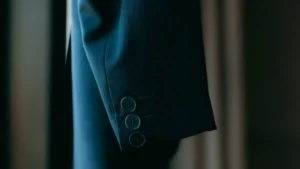

A cashmere suit is the softest suit you will ever wear, and that softness changes how it should be styled. The cloth drapes in a fluid line, holds almost no structure of its own, and has a quiet matte finish that swallows light instead of reflecting it.
The most common mistake is over-styling. Because a cashmere suit feels special, people reach for the boldest shirt, the loudest tie, and the shiniest shoes, as if the outfit needs to prove its price. It does not. The cloth is the statement, so everything else should be calm and well fitted: a plain white shirt, a muted tie, and polished dark shoes will flatter a cashmere suit far more than a wardrobe of competing details.
This guide walks through each styling decision in order, from fit and colour to shirts, ties, shoes, and occasions. It assumes you already own the suit or are about to buy one, so it does not repeat the buying advice.
Key takeaways
- Keep the fit clean and close without being tight: the jacket should skim the body, the shoulder should end at your own shoulder, and the trousers should break once at the shoe.
- Start with charcoal, navy, or dark grey, then add colour through the shirt, tie, or pocket square rather than through the suit itself.
- Wear a crisp cotton or fine wool shirt underneath; a soft knit polo works for relaxed evenings, but a heavy shirt fights the drape of the cloth.
- Choose ties in matte silk, knitted silk, or fine wool, and keep the knot small so it sits neatly against a soft, unstructured lapel.
- Cashmere is a soft, delicate cloth, so rest the suit between wears, brush it after use, and never force it into a sharp, structured look it cannot hold.
Why a cashmere suit styles differently
A cashmere suit behaves differently from a wool suit on the body, and the styling has to respect that. The cloth is fluid rather than springy. A jacket that is too tight will crease across the chest and pull at the button; a jacket that is too loose will look shapeless, because there is no stiff canvas underneath to hold the silhouette.
The finish matters too. Cashmere has a matte, almost chalky surface with no shine, so it reads as understated even in a dark colour. Matte and softly textured pieces — suede loafers, a knitted tie, a linen pocket square — sit naturally beside the cloth. Cashmere is also warm for its weight, so it is at its best in autumn, winter, and cool spring evenings, not on a hot summer afternoon. For the full background on the fabric itself, see our guide to what a cashmere suit is, including fibre grades and blends.
Getting the fit right

Fit matters more with cashmere than with almost any other suiting cloth. Aim for a middle ground: the jacket should close without strain, the shoulder seam should sit at the edge of your own shoulder, and the sleeve should show about a centimetre of shirt cuff.
Choose a soft, half-canvassed or unconstructed jacket if you can. The sweet spot is a light canvas through the chest, soft shoulders, and a single vent. A three-piece version is worth considering, because the waistcoat adds a layer of structure the cloth cannot provide, and it keeps the outfit looking finished even when the jacket is open. For the trousers, look for a mid-rise waist and a straight or gently tapered leg, with a single break at the shoe. Try the suit sitting down, not just standing: cashmere shows pulling across the thighs and seat more readily than wool.
Choosing a colour
Charcoal is the easiest cashmere suit colour to start with. It works with white, pale blue, burgundy, and grey shirts, suits evening events and smart dinners, and is forgiving of the soft creasing that cashmere shows. A charcoal suit with a white shirt and dark shoes is a complete outfit that needs little else.
Navy is the most versatile dark option after charcoal, pairing well with cream, pale pink, light grey, and white. Brown, camel, and dark green suit the cloth beautifully, because cashmere’s matte finish suits earthy, muted tones: a dark brown suit with a cream shirt and tan shoes is a warm, confident evening look.
Shirts to wear underneath
The shirt underneath a cashmere suit changes the whole mood of the outfit. A crisp white cotton shirt is the classic choice: smart enough for a wedding or a formal dinner, with clean lines that give structure to a soft jacket. A pale blue shirt is the most useful alternative to white, softening a charcoal or navy suit and working with burgundy, navy, and grey ties.
Pale pink and cream shirts work the same way with brown and green suits, adding warmth without competing with the cloth. Keep the shirt plain or very finely striped; bold checks and large patterns argue with the quiet texture of cashmere. For relaxed evenings, a fine-knit polo in navy, charcoal, or cream sits well under a cashmere jacket, and a fine merino roll-neck is a strong cold-weather option worn instead of a shirt and tie.
Ties, pocket squares and accessories
A cashmere suit takes a tie well, but the tie should be matte. Keep the knot small — a four-in-hand rather than a wide Windsor — so it sits neatly against a soft lapel without pushing the collar apart.
Colour is where a tie earns its place. With a charcoal suit, try burgundy, deep green, or navy with a small pattern; with a navy suit, try burgundy, silver-grey, or a muted paisley; with a brown suit, try cream, rust, or dark green. If you are unsure, a solid tie in a single deep colour is always safer than a busy pattern. For help choosing the right tie shape and width, see our guide to buying a tie. Keep other accessories to a minimum — a simple leather watch strap, a plain belt in the same tone as your shoes.
Shoes and belts
Shoes set the tone of a cashmere suit more than almost anything else. Dark brown or black leather Oxfords are the most reliable choice for formal occasions: smart, polished, and giving the soft suit a firm foundation. For evening events, black Oxfords with a charcoal or navy suit are hard to beat.
Loafers suit the softer side of a cashmere suit. Dark brown leather loafers work with navy, charcoal, and brown suits for dinners and smart evenings out, while suede loafers in dark brown or charcoal add texture that echoes the cloth. Match your belt to your shoes in both colour and finish, with a matte leather finish rather than a glossy one, and avoid chunky buckles and logo belts, which pull attention away from the clean line of the suit.
Styling a cashmere suit for different occasions
For a wedding, a cashmere suit works best at an autumn or winter ceremony. Choose charcoal or navy, a white or pale blue shirt, a burgundy or deep green tie, and polished Oxfords, with a white linen pocket square. A three-piece suit is ideal here: the waistcoat keeps the outfit looking finished all evening, even after the jacket comes off for dancing.
For a smart dinner or evening out, dress the suit down a fraction. A navy suit with a fine-knit polo or a pale blue shirt worn open at the collar, dark brown loafers, and no tie reads as relaxed luxury rather than office wear. For a formal work event, keep the full suit together with a shirt and tie in darker colours. In cold weather, layer a long wool or cashmere coat over the suit rather than a short jacket, so the line of the suit is not broken at the waist.
Cashmere suits at a glance
| Occasion | Suit colour | Shirt | Shoes |
|---|---|---|---|
| Autumn wedding | Charcoal or navy | White cotton shirt | Black leather Oxfords |
| Winter wedding | Charcoal, three-piece | White shirt, burgundy tie | Polished black Oxfords |
| Smart dinner | Navy | Pale blue shirt, open collar | Dark brown loafers |
| Evening out | Charcoal | Black roll-neck | Black Oxfords |
| Formal work event | Charcoal | White shirt, navy tie | Black Oxfords |
| Relaxed evening | Dark brown | Cream fine-knit polo | Dark brown suede loafers |
| Autumn daytime | Deep green | Cream shirt, no tie | Dark brown leather loafers |
| Cold-weather event | Navy | White shirt, grey tie | Black Oxfords, long overcoat |
Keeping the look sharp
A cashmere suit only looks good if the cloth is cared for between wears. Rest the suit for at least a day between wears so the fibres recover, brush it lightly with a soft clothes brush after use, and hang it on a wide wooden hanger in a breathable garment bag. Watch the friction points, too: cashmere pills where a bag strap, a seatbelt, or a chair arm rubs the jacket, so carry a bag in the hand rather than over the shoulder. A suit that is brushed, rested, and stored well will hold its soft drape for years.
Checklist before you wear it
- Try the suit sitting down, not just standing, and check for pulling at the chest, seat, and thighs.
- Choose a colour that works with at least three shirts you already own.
- Pick a matte tie and a small knot, and test the collar shape under the jacket.
- Match your belt to your shoes, and keep accessories to two or three simple pieces.
- Brush the suit, steam it lightly, and check for pills at the friction points.
- Check the dress code and the weather, and save the suit for cool days and smart occasions.
Frequently asked questions
Can you wear a cashmere suit to a wedding?
Yes, a cashmere suit works well for an autumn or winter wedding, especially an indoor or evening ceremony. Choose charcoal or navy, a white shirt, a muted tie, and polished Oxfords.
What shirt should I wear under a cashmere suit?
A crisp white or pale blue cotton shirt is the smartest choice. For a more relaxed look, a fine-knit polo or a fine merino roll-neck works well.
Should I wear a tie with a cashmere suit?
Yes, if the occasion calls for it. A knitted silk, matte silk, or fine wool tie in a deep, muted colour works best, tied in a small four-in-hand knot.
Can I wear a cashmere suit with trainers?
No, not if you want the suit to look its best. Trainers clash with the soft luxury of cashmere and make the outfit look unfinished. Dark leather Oxfords or loafers are the right shoes for a cashmere suit, even at relaxed events.
Can you wear a cashmere suit every day?
It is not a good idea. Cashmere is a delicate cloth that pills and wears through faster than wool at friction points, so daily wear will shorten the life of the suit.
What colours go best with a cashmere suit?
Charcoal, navy, and dark grey are the most versatile, working with white, pale blue, burgundy, and grey. Dark brown and deep green suit the matte finish of the cloth and look best in autumn and winter. Pale colours such as stone and cream look luxurious but show marks and creases easily, so they are best kept for short, smart occasions.
The bottom line
A cashmere suit styles best when you let the cloth lead. Keep the fit clean and soft, choose dark, muted colours, pair it with a crisp shirt and a matte tie, and finish it with polished dark shoes. The luxury is in the softness and the drape, not in loud details.
Start with one versatile suit in charcoal or navy, and build your outfits around it: a white shirt and burgundy tie for a wedding, a pale blue shirt and loafers for dinner, a black roll-neck for a winter evening out.
Note: This guide is general styling advice, not a guarantee of fit or care results. Check the care label on your own suit, and follow the dress code for any event you attend.
Meet Our Experts
BrassSmile’s fashion editors cover seasonal trends, wardrobe building, and style guides across fashion and lifestyle, researching current collections, fabric and fit guidance, and real-world wearability.
Why Trust BrassSmile
BrassSmile publishes independent fashion and lifestyle guides written for real wardrobes and real budgets. We focus on pieces that work beyond a single season, explain what to look for before you buy, and flag the practical caveats — fit, fabric, care, and weather — that decide whether a trend is worth your money.
Sources
BrassSmile’s own guides to cashmere suits, ties, and cashmere coats; Pexels stock photography; general tailoring and fabric care guidance from published style references.