Velvet shoes are an easy purchase to talk yourself out of. They cost more than the leather pair beside them, they cannot be worn in the rain, and everyone you know has a story about a velvet shoe that went shiny, flat or stained within a season. The sensible voice in your head says to buy the leather, wear it everywhere, and forget about velvet altogether.
The question is not whether velvet shoes are practical. They are not, in the way a leather loafer is practical. The question is whether they earn their price for the life they are actually bought for: evenings, weddings, parties, dinners, and the occasions when one pair of shoes has to make a plain outfit look deliberate. Judged on that life, a good pair of velvet shoes is one of the better value purchases in a wardrobe, and a bad pair is one of the worst.
This is our honest case for velvet shoes in 2027: what they give you that leather and suede do not, what they cost per wear when you count properly, the occasions where they pay for themselves, and the occasions where they never will.
Key takeaways
- Velvet shoes earn their price on occasions, not on errands: one pair can lift a plain outfit the way no leather shoe does, and that is what you are paying for.
- Cost per wear is the honest test. A $180 pair worn twenty times costs $9 a wear; a $60 pair worn twice costs $30 a wear and looks worse doing it.
- The shoe matters more than the label. Dense pile, a solid sole, a lined insole and a shape that holds are worth more than a designer name on a thin velvet upper.
- Velvet shoes are a dry-weather, occasion shoe. Bought for commuting, wet streets or daily wear, they will disappoint you, whatever you paid.
- Velvet shoes are not a financial investment, and a cheap velvet shoe with thin pile and a flimsy sole is a worse buy than a good leather shoe at the same price.
What this question actually asks
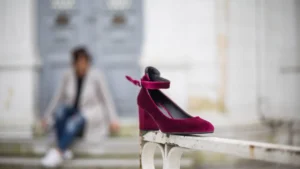
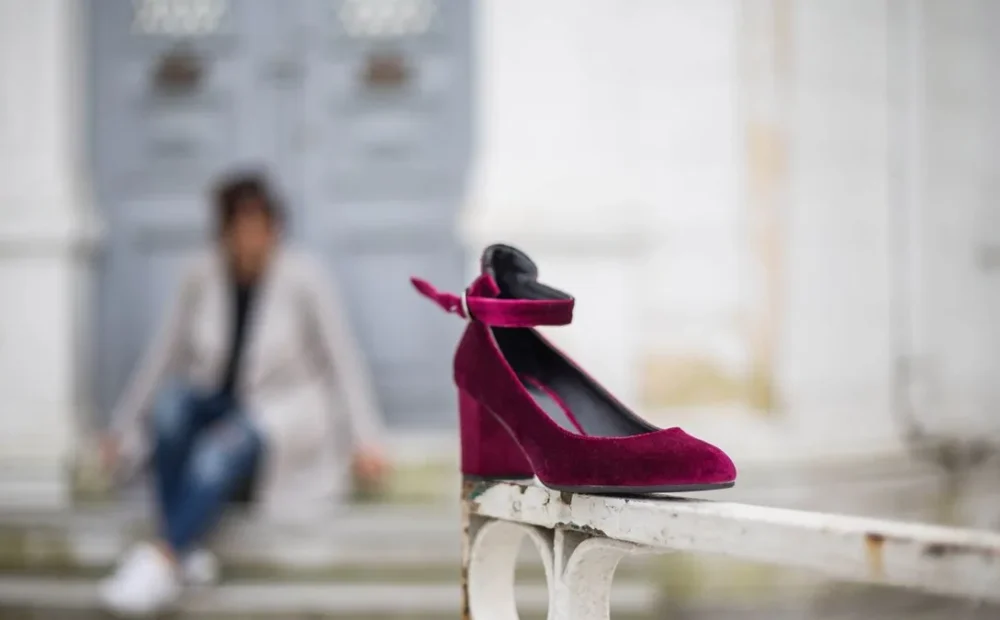
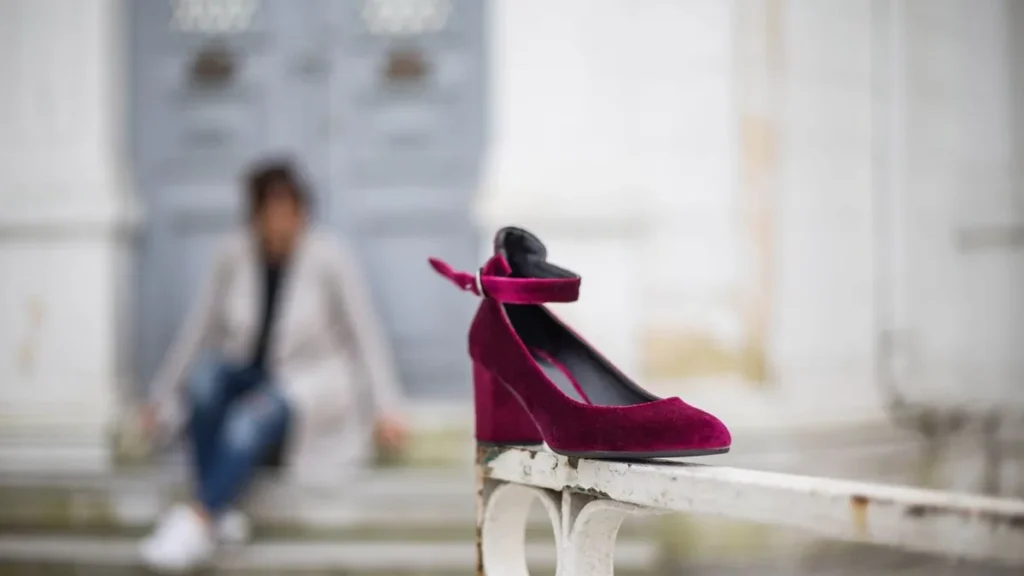
A velvet shoe is a shoe whose upper is made from velvet, a woven fabric with a dense pile of short upright fibres, rather than from leather or suede. The pile is the whole point. It catches light from one angle and holds shadow from another, so a burgundy velvet shoe looks like two different colours as you walk, and a black velvet shoe looks richer than black leather ever does.
The value question, then, is not about the fabric in general. Our guide to why velvet is the luxury fabric of 2027 makes the case for the material across blazers, dresses and tailoring. This article is narrower: it asks whether the shoe, specifically, is worth your money.
How we judged whether velvet shoes earn their price
We judged velvet shoes on the things that decide whether any occasion shoe is worth its money: the visual payoff, comfort across an evening, durability over seasons of occasional wear, care, and cost per wear. A shoe that looks extraordinary for one night and shabby by the third is not worth its price, whatever the label says.

Look first at the pile. Run your fingers across it: a good velvet pile is dense, even and springs back when you brush it, while a thin pile feels sparse and shows the base cloth through it. Look next at the sole and the shape. Our guide to how to care for velvet shoes explains the small routine that keeps a good pair looking new, and that routine only works on a shoe worth keeping in the first place.
The case for velvet shoes
They do something no other shoe does
What we like: Velvet is the only shoe material that changes colour as you move. The pile catches the light, so a burgundy shoe looks wine-dark in shadow and bright in the light, and a black shoe looks deep rather than flat. What to consider: That same pile shows marks, dust and flattened patches more readily than smooth leather, so the effect depends on keeping the shoes brushed and dry. Best for: Evening events, weddings and parties, where the light is low and the shoe is noticed. Cost: $120 to $350 for a good pair.
They make a plain outfit look deliberate
What we like: A velvet shoe is a shortcut. A black dress, a plain suit or simple trousers look finished the moment velvet shoes appear, because the texture supplies the interest the rest of the outfit withholds. What to consider: The shortcut only works once per outfit. Velvet shoes with a velvet dress, a velvet blazer and a velvet bag look like a costume, not an outfit. Best for: People who own simple clothes and want one piece that elevates them. Cost: $120 to $300.
The cost per wear is lower than it looks
What we like: A $180 pair of velvet shoes worn to twenty occasions over three years costs $9 a wear. A $60 pair worn twice, because it pinched, looked cheap or fell apart, costs $30 a wear. What to consider: The maths only works if you actually wear them. A pair bought for a life you do not live, for occasions that never come, is expensive at any price. Best for: Buyers with a real calendar of evenings, weddings and dinners. Cost: $150 to $350 upfront, less per wear than a cheap pair.
They suit more occasions than you expect
What we like: Velvet shoes are not only for black tie. A velvet loafer works with tailored trousers at a dinner, a velvet flat works with a simple dress at a lunch, and a velvet heel works with jeans at a party. What to consider: They still do not suit rain, mud, long walks or standing all day. The occasions are many, but they are all dry and mostly indoors. Best for: Anyone whose social life happens indoors, in the evening. Cost: $100 to $300, depending on the style.
Our roundup of the best velvet flats shows how wide the range is now, from evening heels to flats you can wear to a lunch without feeling overdressed, and that range is part of the value: the more occasions a pair covers, the lower its cost per wear falls.
When velvet shoes are not worth it
Velvet shoes are not worth it when they are bought for the wrong life. If you walk to work, stand all day, live somewhere it rains most weeks, or need one pair of shoes to do everything, velvet will fail you. The pile flattens in wet weather, the shoes mark easily, and a pair worn daily will look old within months, however much you paid.
They are also not worth it at the bottom of the price range. A $40 velvet shoe is almost always a thin velvet upper glued to a flimsy sole, and it will show it: the pile goes bald at the toe, the shape collapses, and the heel wobbles. A good leather shoe at the same price is a better purchase, and a good velvet shoe at three times the price is a better purchase too. The cheap velvet shoe is the worst of both worlds.
Velvet shoes against their rivals
Against leather, velvet wins on occasion and loses on everything else. Leather is tougher, more waterproof, easier to clean and wearable every day, and a good leather shoe will outlast a velvet one by years. But leather never gives you the depth of colour and the evening presence that velvet does, and for the occasions velvet is bought for, that presence is the whole purchase.
The caveats that matter
Velvet shoes are worth it, but only if you buy well and wear them honestly. A shoe that is mostly thin velvet over a weak sole, bought in a colour you will not wear, for occasions you do not attend, will not deliver any of the benefits above. It will look tired within a season and cost you more per wear than a good leather shoe would have.
| Detail | What is known |
|---|---|
| Visual payoff | Unique: the pile gives colour a depth no leather, suede or satin shoe matches |
| Cost per wear | Low if worn to 15 or more occasions; high if worn twice and abandoned |
| Durability | Years for a well-made pair worn occasionally on dry days; months for a cheap pair worn daily |
| Comfort | Good if the fit and heel are right; velvet itself adds no comfort, so try before you buy |
| Weather | Dry days and indoors only; rain flattens the pile and leaves marks |
| Care | Brush after wearing, protect before the first wear, store dry; a small routine, but not optional |
| What to check before buying | Pile density, sole quality, heel stability, shape, and the occasions you will actually wear them to |
| What they are not | Not a financial investment, not an everyday shoe, and not worth it in a cheap, thin-pile version |
Checklist: buying velvet shoes honestly
Use these checks before you buy, and again after the first evening of wearing.
- Check the pile: dense, even, springing back when brushed, with no base cloth showing through.
- Check the sole and heel: solid, straight, centred, and strong enough that the shoe holds its shape in your hand.
- Check the fit: try them on at the end of the day, walk in them, and sit in them, because an evening shoe must be comfortable for hours.
- Check the occasions: count the evenings, weddings and dinners you will actually wear them to in a year, and be honest about the number.
- Check the colour against your wardrobe: dark and rich first, and only a brave colour when the first pair already earns its keep.
- Check the care you will actually do: brushing after wearing, protector before the first wear, and dry storage between outings.
Frequently asked questions
Are velvet shoes worth the money?
Yes, when they are well made and bought for occasions. A $150 to $350 pair worn to fifteen or more evenings costs less per wear than a cheap pair worn twice, and it makes plain outfits look deliberate in a way no leather shoe does.
How much should good velvet shoes cost?
In 2027, a good pair usually costs $120 to $350, depending on the style, the construction and the brand. Below $80, the pile and the sole are often compromised. Above $400, you are usually paying for a name or a rare fibre rather than a better shoe.
Do velvet shoes last?
Yes, for years, if they are well made and worn only on dry days for occasions. Occasion shoes are worn for hours, not all day, so the pile and the shape survive far longer than they would on a daily shoe. A cheap pair worn daily will look tired within months.
Can you wear velvet shoes every day?
No, not happily. Velvet shoes are an occasion shoe: dry days, indoors, evenings. Worn daily, especially in rain or on long walks, the pile flattens, marks appear, and the shoes age fast.
Are velvet shoes comfortable?
They can be, but velvet itself adds no comfort, so comfort depends entirely on the fit, the heel height and the insole. Try them on at the end of the day, walk in them properly, and sit in them too.
What colour velvet shoes should I buy first?
Burgundy, black or midnight navy. Dark, rich colours show the pile at its best, match the clothes you already own, and hide marks better than pale or bright colours.
The bottom line
Velvet shoes are worth it when you buy a well-made pair, in a dark colour, for a real calendar of evenings, and you do the small amount of care they need. They do something no other shoe does, they make plain outfits look deliberate, and their cost per wear is lower than it looks once you count the occasions honestly. They are a good purchase, honestly judged.
Buy the best velvet you can afford, choose a colour you will actually wear, count the occasions before you pay, and brush them after every evening out.
Note: Prices and availability change, and fit varies by brand, so try velvet shoes on before buying and check the retailer’s returns policy. This article is a style opinion, not financial advice.
Meet Our Experts
Our fashion editors cover shoes, fabrics and occasion dressing, and they judge every pair on fit, construction and cost per wear, not on the label. We do not invent test results or quote experts we have not spoken to.
Why Trust BrassSmile
We write about what a purchase is actually worth, in general terms, from the fabric, the construction and the occasions it serves. Where we describe a product, we describe verifiable details: pile, sole, heel, fit and care. We do not take payment for recommendations.
Sources
BrassSmile guides to velvet fabric, velvet shoe care and velvet flats; brand and retailer product pages for fibre content, construction and care guidance.