
Every few years fashion picks a fabric and quietly hands it the crown. In 2027, that fabric is velvet. Not because it is new — velvet is one of the oldest luxury textiles — but because everything fashion wants right now points the same way: texture you can feel, colour with depth, and clothes that look considered.
This is not a claim that velvet suits everyone. It is a claim about what luxury means in 2027. For several seasons luxury meant restraint: flat fabrics, muted colours, nothing that asked to be noticed. That mood has run its course. The runways for autumn and winter 2026 were full of velvet in daylight — blazers, trousers, suits and long dresses — and the message was plain.
What follows is our case for velvet: what the fabric is, why this moment belongs to it, which types are worth your money, where it beats its rivals and where it does not, and how to wear it.
Key takeaways
- Velvet is the luxury fabric of 2027: depth, warmth and tactility in one material, as fashion leaves flat, muted quiet luxury behind.
- Autumn and winter 2026 runways showed velvet as daytime tailoring — blazers, suits and trousers — not only as evening dresses.
- The fibre matters more than the label: silk velvet is the most luxurious and demanding, cotton velvet the practical middle ground, polyester velvet the affordable entry point.
- One velvet piece per outfit keeps it looking expensive; two or more competing velvet pieces usually look like a set.
- Velvet is not for every life: it marks easily, shows pet hair, fades in strong sun and usually needs dry cleaning.
The case for velvet, in one fabric
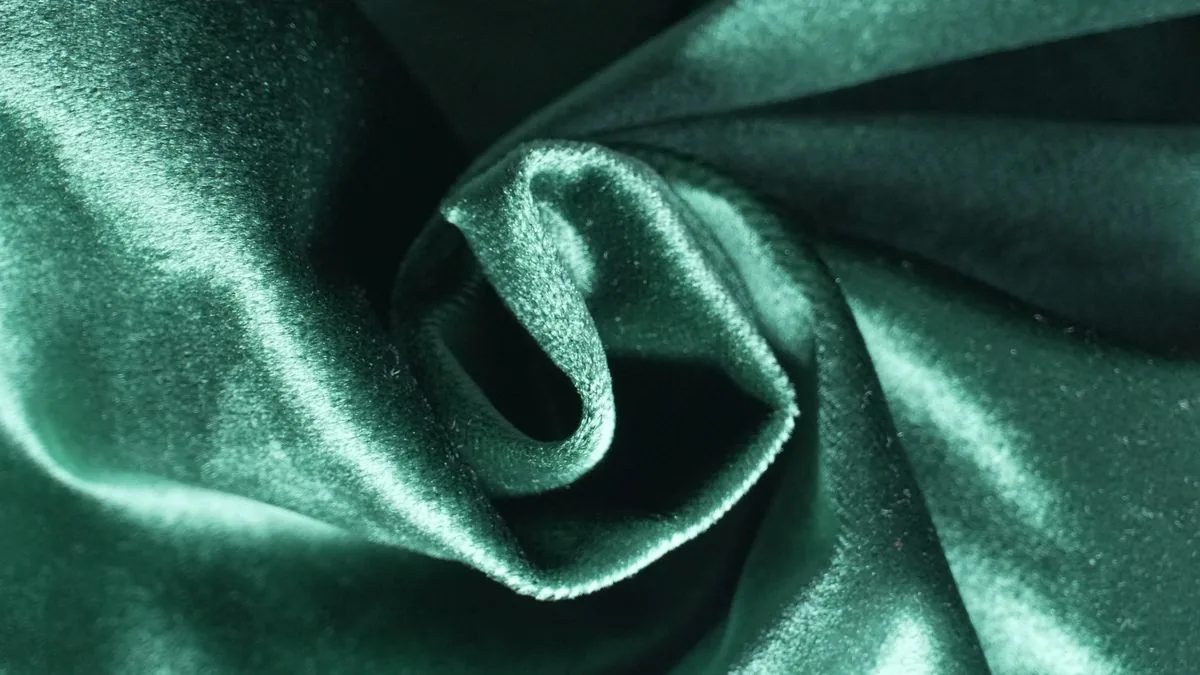
Luxury has always been, at root, a sensory argument. A thing feels expensive before you know what it costs. Velvet makes that argument better than any other fabric because of its pile: thousands of short, upright fibres that catch light from one angle and hold shadow from another. No flat weave can do that.
That is why velvet has survived for centuries as a marker of status. It was woven from silk and reserved for royalty, because making it was slow and costly: two layers of cloth woven at once, joined by pile threads, then cut apart with a blade. Power looms and synthetic fibres later made it cheaper and far more common, but the association never left. A burgundy wool suit is handsome; a burgundy velvet blazer is a statement.
What velvet actually is

Velvet is defined by its construction, not by its fibre. Any velvet is a woven fabric with a dense, even pile of cut threads standing upright from a base cloth, usually one to three millimetres tall. Cut it pile-up and the fabric shines; cut it pile-down and the colour looks deeper. That is the whole trick.
The fibre changes what that trick costs and how it behaves. Silk velvet is the original and still the finest: fluid drape, rich lustre, colour depth nothing else matches — but it is costly and needs dry cleaning. Cotton velvet is heavier, more matte and far more durable, the sensible choice for blazers and upholstery. Polyester velvet is the affordable workhorse, but it can look shiny rather than rich if the pile is thin. Compare fibres in our guide to natural fibres in clothing.
Finishes matter too. Crushed velvet is pressed for a patterned, lustrous surface — glamorous, but it dates faster than plain velvet. Devoré, or burnout velvet, has parts of the pile dissolved away to leave a sheer pattern, which suits evening wear. Ciselé uses cut and uncut loops to pattern the pile itself. Plain velvet is the safest first buy.
Why 2027 belongs to velvet
The runway evidence is unusually consistent. Numéro Netherlands called velvet the clear winner among the traditional fabrics of autumn and winter 2026. In Milan, Giorgio Armani closed a landmark collection with velvet, Fendi showed a black velvet blazer, and Dolce & Gabbana showed dandy-style velvet tailoring. In New York, Ralph Lauren closed his show with velvet and Khaite showed it in slim trousers. Paris showed the same story at Lanvin, Victoria Beckham and Calvin Klein.
What matters is not the names but the shape of the clothes. The pieces named most often are blazers, suits, skinny trousers and long dresses, not party minidresses. That is the change. Velvet has always been an evening fabric; in 2027 it is a daytime fabric that happens to look magnificent in the evening too. A velvet blazer over a plain shirt works because velvet supplies the drama the rest of the outfit withholds.
Colour is part of the story. The season leans towards burgundy, emerald, midnight navy and deep plum, and velvet makes those colours look their richest, because the pile gives a dark colour shadows as well as shine. The same burgundy in flat wool looks sober; in velvet it looks deliberate.
The types worth knowing
If you are buying one velvet piece in 2027, buy plain silk or cotton velvet in a dark, rich colour. Silk velvet is the luxury benchmark: it drapes like liquid and holds colour with unusual depth, but it is the most expensive and demanding, marking with water and needing dry cleaning. Save it for occasion pieces.
Cotton velvet is the everyday luxury option: heavier and more matte, it holds a tailored shape well and tolerates more wear. Polyester velvet is the entry point: affordable, durable and easy to care for, but a thin polyester pile can look plasticky under bright light.
One distinction confuses buyers constantly: velvet is not velveteen, and it is not velour. Velveteen is made by cutting the weft rather than the warp, giving a shorter, stiffer pile closer to corduroy. Velour is usually knitted, softer and stretchier, and belongs to loungewear.
Velvet against its rivals
Velvet does not win every comparison. It wins the ones that matter most in 2027.
| Detail | What is known |
|---|---|
| Velvet vs satin | Satin’s shine is flat; velvet adds shadow and depth, so it reads as richer and less bridal. |
| Velvet vs silk | Plain silk drapes more fluidly and suits warm weather; velvet is warmer and more dramatic. |
| Velvet vs wool | Wool is more practical and crease-resistant; velvet is more luxurious, but far more delicate. |
| Velvet vs cashmere | Cashmere is softer against the skin; velvet gives stronger visual drama and holds a tailored shape. |
| Velvet vs corduroy | Corduroy is sturdier and more casual; velvet is smoother, dressier and more light-responsive. |
| Velvet vs leather | Leather is tougher and weather-resistant; velvet is warmer and softer, but marks far more easily. |
| Velvet vs linen | Linen is cool and relaxed; velvet is warm, structured and formal, and suits the opposite season. |
| Velvet vs sequins | Sequins shout louder for one evening; velvet whispers luxury all day and can be worn again. |
The pattern is clear. Velvet is rarely the most practical fabric, and almost always the most luxurious-looking. In a year when luxury is defined by how a fabric looks and feels, that trade is worth making.
The caveats that matter
An honest opinion piece has to say where its subject fails, and velvet fails in several familiar ways. It marks easily: brush the pile one way and you leave a visible streak, spill water on silk velvet and you may leave a spot only a professional can remove. It shows pet hair and lint clearly, especially in dark colours. It also fades in strong sunlight.
Care is the bigger commitment. Most silk and rayon velvet should be dry-cleaned, and home washing usually ends in a flattened pile. Cotton and polyester velvet are more forgiving, but even they dislike being crushed in a crowded wardrobe. Hang velvet, never fold it for long, and steam rather than iron — an iron flattens the pile and leaves a shine no brushing will reverse. Good velvet is also expensive to make. Cheap velvet is usually thin polyester, the version most likely to disappoint in daylight — so buy a smaller piece in a better fabric.
How to wear velvet in 2027
Velvet is easy to love and surprisingly easy to get wrong. The rule that saves almost every outfit is simple: one velvet piece at a time. A velvet blazer needs a plain shirt and plain trousers, not a velvet shirt and velvet trousers. A velvet dress needs simple shoes and minimal jewellery. Give it space.
Colour and fit do the rest. Dark, rich colours — burgundy, emerald, midnight navy, black — are the safest and most flattering, because they let the pile create its own light and shadow. Pale velvet shows every mark and crease. Fit should be clean and tailored rather than slouchy. The satin dresses on our site make a useful comparison: satin gives a smooth, bright shine, while velvet gives depth and shadow.
Checklist: before you buy velvet
- Read the fibre label first: silk for occasion pieces, cotton for tailored pieces, polyester only if the pile is dense.
- Choose one dark, rich colour — burgundy, emerald, navy or black — not a pale shade that shows every mark.
- Buy one velvet piece per outfit and keep the rest of the look plain, so the fabric is the statement.
- Check the pile in daylight: run your hand across it and look for thin, shiny patches that signal cheap velvet.
- Ask about care before you buy: if it needs dry cleaning, budget for it, and never iron velvet directly.
- Hang velvet, do not fold it for long, and keep it out of strong sunlight so the colour and pile survive.
Frequently asked questions
Is velvet really in fashion in 2027?
Yes. Autumn and winter 2026 runway coverage consistently presents velvet as a leading fabric, with Armani, Ralph Lauren, Khaite, Alaïa, Lanvin and Victoria Beckham showing it as tailoring, trousers and dresses. The difference is that it is worn in daylight, not only in the evening.
What is the best type of velvet to buy?
Cotton velvet is the best all-round buy: durable, matte, and good for blazers and trousers you will wear often. Silk velvet is the most luxurious and best for occasion wear, while polyester velvet is the affordable option.
Can you wear velvet during the day?
Yes. A velvet blazer with a plain shirt, velvet trousers with a knit, or a velvet suit with flat shoes all work in daylight. Keep the rest of the outfit simple and wear one velvet piece at a time.
How do you clean velvet?
Silk and rayon velvet should usually be dry-cleaned; check the care label first. Cotton and polyester velvet are more forgiving, but avoid machine washing unless the label allows it. Steam rather than iron, and blot spills quickly.
Does velvet suit everyone?
Velvet suits most people in the right cut and colour, but it adds visual weight, so a clean, tailored fit flatters more than an oversized one. Dark colours are the most forgiving.
Is velvet a good investment?
A plain, dark velvet blazer or trousers in good-quality fabric can last for years and is a sound investment if you will wear it regularly. Crushed velvet and bright colours date faster, so treat those as statement pieces. See how the luxury fashion brands we cover handle velvet.
The bottom line
Velvet is the luxury fabric of 2027 because it answers the question fashion is asking right now: how do clothes feel, not just how do they look. Its pile gives depth, warmth and movement to a single piece of cloth.
It is not right for everyone. It marks, it needs care, and it asks for restraint from the rest of your outfit. But bought well — plain, dark, in the best fibre you can afford, worn one piece at a time — it is the most rewarding fabric you can own in 2027.
Note: Runway coverage changes as collections are reported, and fabric care varies by fibre and finish, so always check the care label on your own piece before buying.
Meet Our Experts
Our fashion editors cover fabrics, tailoring and seasonal trends, drawing on published runway coverage and fabric guides.
Why Trust BrassSmile
We write about what we can verify: published runway reports, fabric construction, and the practical realities of wearing and caring for a fabric.
Sources
Runway reporting from Milano Fashion World, ELLE Canada and Who What Wear; fabric construction and history from Wikipedia’s velvet entry and published fabric guides.