A linen suit is a matching two-piece suit — jacket and trousers cut from the same cloth — made from linen, the fabric woven from the fibres of the flax plant. It is not a blazer worn with separate trousers, and it is not a jacket that happens to be linen. The point is the match: same colour, same texture, same relaxed way of moving.
The linen suit exists for one reason above all others: hot weather. Linen is the coolest natural tailoring fabric, and a full suit in linen still lets air move freely around the body. That is why it turns up at summer weddings, garden parties and warm-weather holidays.
Yet it is also widely misunderstood. People expect it to behave like wool and are disappointed when it softens and wrinkles within an hour. Others avoid linen because they assume it always looks messy. A linen suit has its own rules: soft construction, an easy fit, and a lived-in finish.
Key takeaways
- A linen suit is a matching jacket and trousers cut from the same linen cloth.
- Linen is woven from flax fibres. It is exceptionally breathable, but it has almost no elasticity, so it creases readily.
- Good linen suits are softly constructed, with little or no canvas and a half lining or none.
- The trousers matter as much as the jacket. Both halves must fit with the same easy, relaxed line.
- It is a warm-weather suit, best at summer weddings and relaxed occasions.
What a linen suit actually is
Strip away the marketing and a linen suit is simple to define: a two-piece suit whose jacket and trousers are both cut from linen cloth, either pure linen or a linen blend. The jacket follows the familiar suit pattern — lapels, a button front, pockets and a vent — and the trousers are cut to match. The two pieces are sold, and worn, as a pair.
That matching is the whole definition. A linen blazer with cotton chinos is a smart outfit, not a linen suit; a linen jacket with linen trousers in a different shade is a coordinated outfit, not a suit. The suit is a set: one cloth, two pieces, one colour.
The second defining feature is construction. A wool suit is built around structure: canvas, padding, a full lining. A linen suit is built the opposite way, with a half-canvassed or unconstructed jacket, soft shoulders and little or no lining.
The fabric: flax, linen and why it behaves the way it does

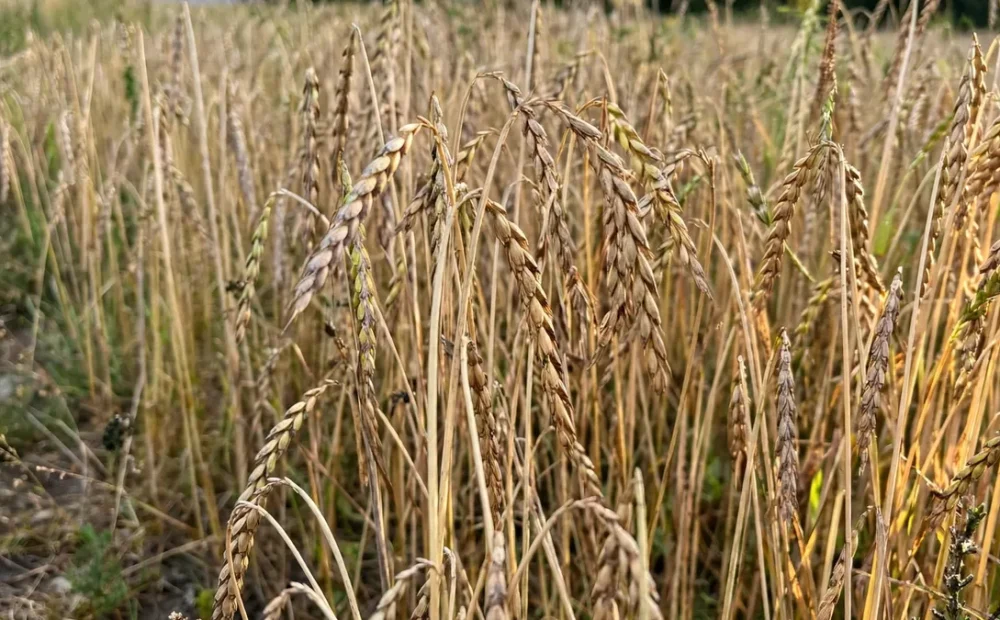
Linen begins as flax, grown for its stem fibres. The fibres are long, strong and hollow, and when woven they produce a cloth with a dry, crisp hand and a slightly uneven, slubbed surface. That uneven texture is the signature of real linen.
The hollow fibres are also why linen feels so cool. They move air and moisture through the cloth instead of trapping them against the body. On a hot, humid day, a linen suit keeps working while wool feels heavy and cotton turns clammy. See the guide to the best natural fibres in clothing for how linen compares with cotton, wool and silk.
The trade-off is elasticity, or rather the lack of it. Linen fibres barely stretch and barely spring back, so every fold leaves a mark: These creases are not damage or poor quality — they are what linen does, and a suit that never creases is almost certainly not pure linen. Weight matters too. A year-round wool suit is typically cut from cloth weighing 260 to 320 grams per square metre, while a linen suit usually sits between 180 and 280 grams. Very light linen wrinkles fast; heavier linen, around 250 to 280 grams, drapes better. Blends change the balance: linen with cotton softens the creasing, linen with a little wool adds drape.
The two halves: jacket and trousers
The jacket half is, in most respects, a linen blazer cut to match its trousers. It usually has notched lapels, a two-button front and flap or patch pockets, with a soft shoulder and little structure. Look for patch pockets, a vent that lets the jacket move, and horn or mother-of-pearl buttons. A single-breasted jacket is the most versatile choice.
On a true suit, jacket and trousers are cut from the same dye lot, so the colour matches exactly under any light. Bought separately, even in the same named shade, the halves can drift apart after a few washes. Any lining should be lightweight and breathable, never heavy polyester. For the shapes that work hardest in a warm-weather wardrobe, see the best blazers for women.
The trouser half is the part people get wrong. Linen trousers need room. With no stretch in the cloth, a close fit pulls across the thigh when you sit, bags at the knee when you stand, and creases in hard lines. The right fit is a straight or gently tapered leg with enough ease through the thigh, a mid to high rise. Drawstring waists belong at the beach rather than at a wedding; for a smarter suit, choose a proper waistband with a button and a side adjuster.
How a linen suit should fit
A linen suit should fit more easily than a wool suit. Nothing should pull, and nothing should strain. The shoulders of the jacket should end at your own shoulder line, with no overhang and no divot where the sleeve meets the body. The jacket should button without pulling across the chest.
A linen jacket is usually cut a touch shorter than a wool suit jacket, ending around the middle of the seat. The sleeves should show about a centimetre of shirt cuff, and the trousers should sit on the waist without a belt holding them up — if you need a belt, the waist is too big. Above all, accept a little softness: a linen suit will never look as sharp as wool, and chasing that sharpness is how people end up buying a size too small.
Linen vs wool vs cotton: how the suits compare
The honest way to choose a suit for warm weather is to compare the three main suit cloths side by side.
| Feature | Linen suit | Wool suit | Cotton suit |
|---|---|---|---|
| Breathability | Excellent — the coolest of the three | Good in lightweight tropical wool | Good, but holds moisture longer |
| Typical cloth weight | 180–280 gsm | 260–320 gsm year-round | 220–300 gsm |
| Wrinkling | Heavy — creases within an hour | Minimal — springs back well | Moderate — creases, less than linen |
| Warmth | Very low — best for heat | Moderate — insulates in cool air | Low to moderate |
| Structure and drape | Soft, relaxed, unstructured | Structured, holds a sharp line | Soft, but heavier than linen |
| Best season | Late spring to early autumn | Year-round, all seasons | Spring and summer |
| Care | Wash or dry clean; press with steam | Usually dry clean only | Machine washable, easy care |
| Formality | Smart-casual to semi-formal | Formal to business | Smart-casual |
The trade-off is plain. Linen wins on comfort in heat and loses on staying pressed. Wool wins on looking sharp all day and loses on breathability. Cotton sits in the middle. For a hot climate, linen; for every occasion, wool.
When to wear a linen suit — and when not to
A linen suit is at its best where the weather is warm and the dress code is relaxed. Summer weddings are its natural home, especially outdoor and destination weddings. It works at garden parties, long lunches, warm-weather holidays and smart evenings in hot climates.
For women, the same set dresses up with heels and jewellery or down with sandals and a plain top. The sharpest end of the spectrum is the tailored power suit — see the best power suits for women for the cuts that carry a linen suit from a daytime event into the evening.
There are occasions where it is the wrong choice. A formal evening wedding or black tie needs wool. A job interview or a serious business meeting is usually better served by wool, because a linen suit signals relaxed confidence, not formality. Cold weather is a clear no: linen offers almost no insulation. And if the day involves hours of sitting, expect heavy creasing across the lap.
How to buy and care for a linen suit
When you buy, start with the cloth. Real linen feels dry and cool, with a slightly uneven weave and fine slubs. Check the label for the fibre content, and check that the jacket and trousers share the same dye lot and care label.
Colour is the next decision. Natural shades — ecru, stone, sand, oatmeal and pale grey — are the most versatile and the most forgiving of creases. Navy and charcoal look smarter but show creases and lint more clearly, and white linen is striking but the hardest to keep clean.
Caring for a linen suit is simpler than its reputation suggests. Most can be machine washed on a gentle, cool cycle. Never use a hot wash or harsh detergent, and never tumble dry linen — it shrinks and hardens. Dry flat or on a hanger, and press with steam while slightly damp.
Quick checklist — before you buy a linen suit
- Both pieces are cut from the same cloth and dye lot, so the colour matches exactly.
- The jacket is softly constructed, with little or no canvas and a light, breathable lining.
- The trousers have room through the thigh and sit on the waist without a belt.
- The cloth feels dry and cool, with a slightly uneven weave and visible slubs.
- The colour suits the occasions you will actually wear it to.
- You have accepted the wrinkles — if creases will bother you, choose a linen blend instead.
Frequently asked questions
Is a linen suit the same as a linen blazer?
No. A linen blazer is a single jacket made from linen, worn with separate trousers. A linen suit is a matching set, jacket and trousers cut from the same linen cloth.
Can you wear a linen suit to a wedding?
Yes, and summer weddings are where linen suits look their best. Keep the shoes smart — loafers or derbies rather than trainers. For a formal evening wedding or black tie, choose wool instead.
Can you wear a linen suit to work?
In a relaxed or creative office, a linen suit is a smart, comfortable choice in warm weather. In a formal office, a bank or a law firm, wool is safer, because linen reads as relaxed, not formal.
Do linen suits always wrinkle?
Almost always, yes. Linen fibres have very little elasticity, so folds leave marks within an hour of wearing. The wrinkles are part of the look and soften with wear, but they never disappear entirely.
What shoes go with a linen suit?
Loafers are the natural partner — suede for a relaxed look, leather for something smarter. Avoid heavy black Oxfords, which clash with the lightness of the cloth.
Is a linen suit only for summer?
Mostly, yes. Linen suits are designed for late spring to early autumn, when the priority is staying cool. In cold weather linen offers almost no insulation, so the suit feels thin and looks out of place. For winter, choose wool.
The bottom line
A linen suit is a matching jacket and trousers cut from linen cloth, and its whole character follows from that one fact. The flax fibre makes it the coolest, most breathable suit you can buy, and the same fibre makes it crease, drape softly and refuse to hold a sharp line.
If you buy one, buy it for what it is rather than what you wish it were. Choose a medium-weight cloth, a relaxed fit in both halves, and a colour you will reach for on hot days, and accept the wrinkles as part of the bargain. Worn that way, it is the right suit for its weather.
Note: Fabric weights and blend percentages vary by maker, so always check the label on the individual suit before buying. A specific garment may behave differently depending on its cloth, weave and construction.