Cashmere bedding makes a promise no other luxury fabric quite makes: the warmth of a winter duvet without the weight of one, and the softness of a favourite jumper stretched across the whole bed. A cashmere duvet cover has to feel good for eight hours a night, survive the washing machine, and still look good a year later.
The price is the first thing anyone notices, and it is genuinely high. A pure cashmere duvet set can cost several times what a good cotton set costs, and it asks for more care than any other bedding in the house. Yet the people who love it rarely talk about the price. They talk about the first cold night: the bed feels warm within minutes, without the heavy feeling of a thick winter duvet.
Our answer is yes, but only for some sleepers and only in the right fibre. A well-made pure cashmere or high-percentage blend set, bought once and cared for properly, can be the most comfortable bedding you own for years. A thin, low-grade set in a house with moths, pets and a hot wash will pill and thin out long before it has earned its price back.
- Key takeaways: Cashmere bedding is worth it when the cost is spread over years of nightly use — a set kept four or five years costs less per night than cheap sets replaced twice.
- The fibre grade decides the verdict: long, fine fibres pill less and stay softer than short, coarse ones, and a high-percentage blend beats a token one.
- Sleep comfort is cashmere’s strongest case: it is warm without weight, it breathes, and it suits cold sleepers better than velvet or a heavy winter duvet.
- Upkeep is the real cost nobody budgets for: cashmere pills by nature, moths are drawn to it, and pure sets usually need dry cleaning or a careful cold wash.
- No bedding has been shown to improve sleep quality or skin, so buy cashmere for how warm and soft it feels, not for health claims.
The Verdict First: Worth It, With Conditions
Start with the money, because that is where most bedding arguments go wrong. A cashmere duvet set is not expensive the way a mattress is expensive. Even a good one costs roughly what a household spends on a short break away. Spread over four or five years of nightly use, the cost per night is pennies. A cheap set replaced within two seasons is the expensive purchase.
So the verdict is conditional, and the conditions are about the fibre and the household, not the label. The right grade of cashmere, a percentage on the label that matches the price, a bedroom without moths, and a laundry routine you will actually follow. Buy the pure fibre when you want the real thing and will care for it. Buy a good blend when you want most of the feel at a far lower price and with far less fuss.
What You Are Actually Paying For
When one cashmere duvet set costs about $180 and another costs more than $1,000 for the same size, the difference is rarely the label stitched inside. It is the fibre itself: how fine it is, how long it is, and how much of it is actually in the fabric. Cashmere comes from the soft undercoat of cashmere goats, and only a small amount of it is fine enough for luxury bedding. The finer the fibre, the softer it feels. The longer the fibre, the less it pills.
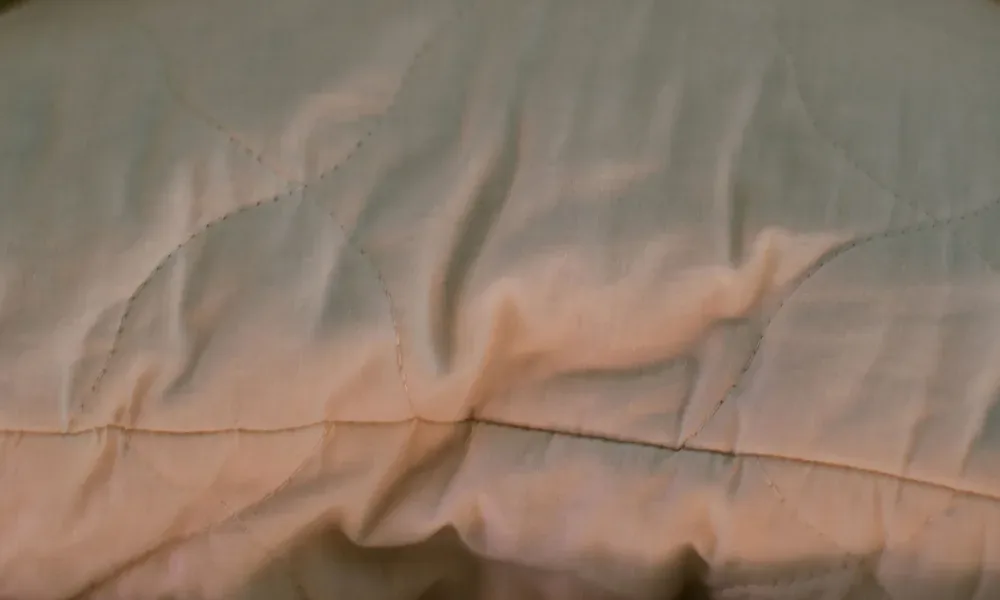
The label is the single most useful thing on a cashmere listing. It should state the cashmere percentage plainly, such as 100% cashmere or a 30% cashmere blend. A listing that says only cashmere feel or cashmere-like is usually a synthetic or ordinary wool fabric with no cashmere in it at all. Our roundup of the best luxury cashmere bedding sets of 2027 finds the same pattern: the value sits where the percentage is stated honestly and the price matches it.
The construction matters almost as much as the fibre. A woven cashmere cover is smoother and more stable, and it holds its shape through the night. A knitted cover is softer and drapes beautifully, but it stretches more and snags more easily. A double-layer set is the warmest of all, and also the heaviest to wash and the easiest to overheat in.
The Sleep Test: Warm Without Weight
Warmth without weight is where cashmere wins its fans, and it is the one quality no other luxury bedding fabric quite matches. Cashmere fibres are hollow, so they trap air and hold warmth in a fabric that weighs far less than a wool blanket of the same warmth. A pure cashmere duvet cover feels light on the body, almost airy, and yet the bed warms up quickly.
It also breathes. Cashmere lets moisture pass through, so a sleeper who wakes damp under a synthetic duvet can wake dry under cashmere. It is not a cooling fabric, but it is not a sweaty one either. Good cashmere is soft with a gentle, almost powdery hand, no scratch and no shine. It does not slide the way silk slides, and it does not grip the way velvet grips. It stays where you put it.
Hot sleepers should treat cashmere as a winter set only: even a fine-gauge set is a warm fabric, and a hot sleeper in a heated bedroom will still wake warm.
The Durability Argument: Long Fibres, Short Patience
Durability is where cashmere bedding surprises people, in both directions. The fibre itself is strong for its fineness, and a well-made set, washed gently and kept out of strong sun, can last four or five years of nightly use. The fabric, though, is fragile in exactly the ways daily life is rough, and the first of those is pilling. Cashmere pills. Even good cashmere pills. Long-fibre cashmere pills lightly and slowly, and a de-pilling comb keeps it looking good.
The second enemy is the moth. Moths are drawn to the keratin in animal fibres, and cashmere is one of their favourite foods. A cashmere duvet cover left folded in a wardrobe through the summer, unwashed and unprotected, is exactly the meal a clothes moth is looking for. The defence is simple: wash the set before storing it and keep it in a sealed bag or a cedar-lined chest.
The third enemy is friction. Bedding carries your full body weight for eight hours a night, and the wear is concentrated exactly where you sleep. Its weak points are specific and avoidable: rough skin and hangnails that catch a knitted cover, jewellery worn to bed, a pet’s claws kneading the same spot, and washing too hot or drying too hard. A woven cover resists all of this better than a knitted one.
The Washing Bill Nobody Puts on the Price Tag
If durability is the case for cashmere bedding, washing is the case against it. A duvet cover is large, heavy when wet, and it needs washing far more often than anything else in the room, because it touches skin all night. Pure cashmere usually needs dry cleaning, or a gentle cold hand wash with a wool wash, dried flat away from direct heat. That is a real cost, in money and in time.
A blend changes the arithmetic completely. A cashmere blend with cotton or fine wool, usually between 20% and 50% cashmere, can often be machine washed on a cool gentle cycle and put back on the bed the same day. It is tougher, it pills less, and it costs far less to keep. Our roundup of the best cashmere blankets for winter 2027 makes the same point for the matching layer: a blend is the sensible way into cashmere.
Whatever you buy, the rules are the same. Wash cool and gentle, never hot. Use a mild wool wash, no bleach and no softener, which coats the fibres and dulls them. Never tumble dry cashmere, and never wring it: press the water out gently and dry it flat. A set washed this way keeps its softness for years.
The Look, Weighed Honestly
Cashmere bedding does not look like velvet bedding, and it does not try to. There is no deep pile, no shine, no colour that shifts as you move across the room. What it has instead is a quiet, matte softness: a gentle drape, a surface that catches the light softly, and a bed that looks calm rather than dressed up. The colours are usually natural too — cream, soft grey, warm oatmeal, pale camel —.
The Caveats That Matter at a Glance
| Detail | What is known |
|---|---|
| Best sleeper | Cold sleepers who dislike heavy duvets; warm without weight. |
| Worst sleeper | Hot sleepers in warm bedrooms; even fine-gauge cashmere is warm in summer. |
| Fibre grade | Long, fine fibres pill less; short, coarse fibres pill fast. |
| Label check | Cashmere percentage must be stated plainly; cashmere feel usually means none. |
| Pilling | All cashmere pills; long-fibre sets pill lightly and can be de-pilled. |
| Moths | Moths are drawn to cashmere; wash before storing and keep sealed. |
| Washing cost | Pure sets usually need dry cleaning; blends are usually machine washable. |
| Health claims | No bedding has been shown to improve sleep or skin. |
Checklist Before You Buy
- Read the label first: check the cashmere percentage and whether the cover is woven or knitted.
- Choose the grade you can live with: long-fibre pure cashmere, or a 30% to 50% blend for easier washing.
- Match the weight to your sleep: a fine-gauge set for warm sleepers, a double-layer set only for genuinely cold bedrooms.
- Count the washing cost: add dry cleaning or careful hand washing to the price, and be honest about whether you will do it.
- Check for moths before you buy: if the house has had clothes moths, protect the set or choose a blend instead.
- Start with one set: buy one good cashmere duvet set before buying matching cashmere for every bed.
Frequently Asked Questions
Is cashmere bedding worth the money?
Yes, when the cost is spread over years of nightly use. A well-made pure or high-percentage blend set kept four or five years costs less per night than cheap sets replaced twice. It is not worth it with low-grade fibre or a household that will not wash it gently.
Is cashmere bedding good for hot sleepers?
Not usually. Cashmere breathes, but it is a warm fabric by nature, and a hot sleeper in a heated bedroom will still wake warm. Hot sleepers should choose a fine-gauge set for winter only, or a cotton or linen set for the rest of the year.
How do you wash cashmere bedding?
Pure cashmere usually needs dry cleaning or a gentle cold hand wash with a wool wash, dried flat away from direct heat. Never tumble dry it and never wring it. Many blends can be machine washed cool; check the care label.
How long does cashmere bedding last?
A well-made set, washed gently and stored properly, can last four or five years. Low-grade cashmere pills heavily within weeks.
Does cashmere bedding pill?
Yes, all cashmere pills to some degree, because short fibres work loose and tangle on the surface. Long-fibre cashmere pills lightly and slowly, and a de-pilling comb keeps it looking good. Heavy pilling within weeks is a sign of short, low-grade fibre.
What is the best cashmere bedding to buy first?
One good duvet set, in a deeper tone, with the cashmere percentage stated plainly on the label and a care routine you will actually follow. A matching throw, such as the ones in our roundup of the best luxury cashmere throws of 2027, is a cheaper way to try the fibre before committing to a full set.
The Bottom Line
Cashmere bedding is worth it when the arithmetic works: a well-made set, in the right grade and weight, bought once and washed with care, costs pennies a night over the years it stays warm, soft and intact. For a cold sleeper who dislikes heavy duvets, no fabric sleeps quite like it.
The money is wasted only when the fabric fights the household — low-grade cashmere in a house with moths and pets, or any pure cashmere in a laundry routine that runs one hot wash for everything. Buy one good set before you buy three.
Note: Prices are approximate, based on late-2026 published roundups, and vary by country and season. Check the official retailer for the current price before buying.
Meet Our Experts
Our home and lifestyle editors cover luxury interiors, fabrics and seasonal styling, and review each guide against current retailer listings and published fabric guidance before it is published.
Why Trust BrassSmile
We describe fabrics, fits and care from verifiable specifications and published reviews, and we flag the caveats that matter, such as cleaning needs, pilling and moths, rather than only the selling points. We do not accept payment for placement in our guides.
Sources
Byrdie, Vogue, Harper’s Bazaar, Elle Decoration, Sleepopolis, Mattress Clarity, and published fabric and care guidance from luxury interiors houses.