Put a cashmere blanket and an alpaca blanket side by side and they look like the same promise: soft, warm, expensive, and made for slow evenings. Pick them up and the difference starts immediately. The cashmere one feels like cloud-soft down that barely weighs anything. The alpaca one feels silkier, denser, and somehow warmer than its weight suggests.
Both fibres come from animals that live in harsh, cold places, and both are sold as luxury. But they are not interchangeable. Cashmere is the undercoat of a goat from the high plateaus of Mongolia. Alpaca is the fleece of a camelid from the Andes of Peru, an animal bred for its fibre for thousands of years.
This comparison puts the two fibres head to head on warmth, weight, softness, durability, care and price. No shortlist, no brand ranking — just the fibre facts, so you can choose once and choose well.
Key takeaways
- Alpaca is warmer weight for weight than cashmere, because its fibres are hollow and trap more air; cashmere wins on pure softness and lightness.
- Cashmere fibres are finer, around 14 to 16 microns, while alpaca ranges from about 18 microns for baby alpaca to 25 microns and above for adult fleece.
- Alpaca is naturally hypoallergenic because it contains almost no lanolin, and it pills less than cashmere under daily use.
- A good alpaca blanket will usually outlast a good cashmere blanket, and it often costs less than a comparable cashmere throw.
- Neither fibre likes a washing machine, and a suspiciously cheap blanket labelled cashmere or baby alpaca is almost always a blend.
What each fibre actually is
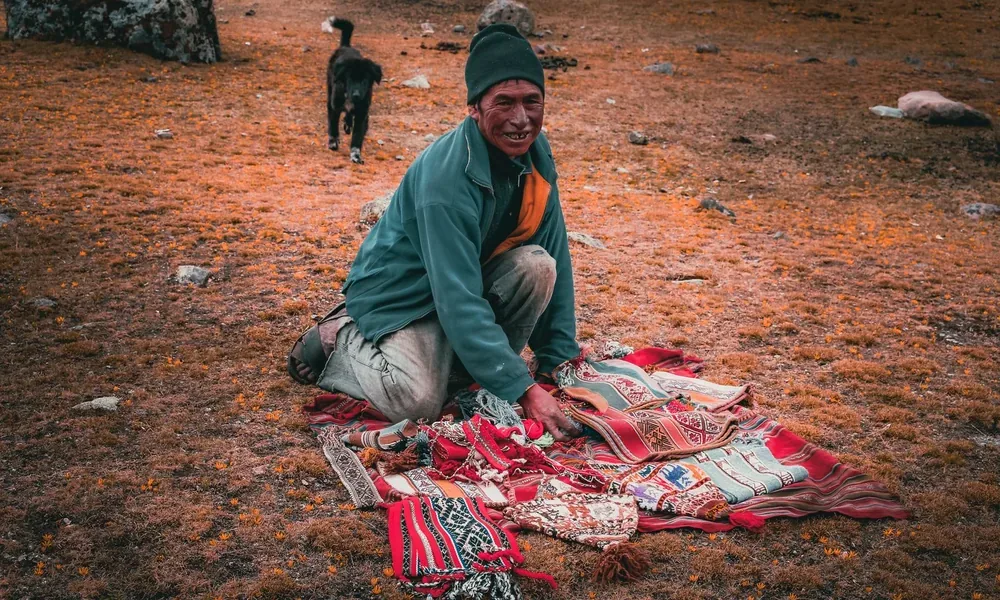
Cashmere is the soft undercoat of cashmere goats, combed out once a year in spring, mostly in Mongolia and Inner Mongolia. The finest fibres, Grade A, measure about 14 to 16 microns across and at least 34 millimetres long. Our guide to what to look for in a cashmere blanket explains the grades and weaves in more detail.
Alpaca is the fleece of the alpaca, a domesticated camelid raised in the high Andes of Peru, Bolivia and Chile. There are two types: huacaya, with a dense, fluffy, crimped fleece, and suri, with long, silky, straight locks that drape like water. Most blankets use huacaya, because its crimp traps air and gives a soft, springy hand.
The single most important difference is the structure of the fibre itself. Cashmere fibres are solid and very fine, which is why they feel so soft. Alpaca fibres are hollow, with tiny air pockets running through them. That hollow core is what makes alpaca warmer for its weight, and it also makes the fibre lighter than it looks and naturally water-repellent.
Warmth, weight and temperature regulation
Warmth is not about thickness. It is about how much warm air the fibres trap, and that comes down to structure and density. Alpaca wins this test on physics alone: the hollow core of each fibre holds air, and still air is what keeps you warm. Makers and textile researchers commonly describe alpaca as warmer than sheep wool weight for weight, and many put it ahead of cashmere too, gram for gram.
Cashmere is still very warm, and it is warmer for its weight than ordinary wool. A cashmere throw feels warm the moment you pull it over your knees, because the fine fibres sit close to the skin and trap a thin layer of air.
Weight tells a different story. Cashmere is the lighter fibre. A cashmere throw of 130 by 180 centimetres often weighs 300 to 400 grams, and it folds into almost nothing. An alpaca throw of the same size is usually heavier, around 400 to 600 grams, because the fibre is denser and the weave is often tighter. If you want a blanket that travels in a bag or drapes like a scarf, cashmere wins. If you want a blanket that stays put on a sofa and blocks draughts, alpaca wins.
Softness against skin: the micron story
Feel is decided by fineness, and fineness is measured in microns: the diameter of a single fibre. The finer the fibre, the more easily it bends against skin, and the softer it feels. Cashmere is the finer fibre here, at 14 to 16 microns for good Grade A fibre, and that is why nothing else quite matches the feeling of cashmere against bare skin.
Baby alpaca, the finest alpaca grade, measures around 18 to 22 microns. That is finer than merino wool, and it feels soft and silky rather than fluffy. But it is not as soft as cashmere, and the difference is noticeable if you hold both blankets against your cheek. Adult alpaca, at 23 to 25 microns and above, feels coarser still, and it can prickle sensitive skin.
Alpaca has a different kind of softness, though. Its fibres are smooth, with fewer scales on the surface than wool, so they slide against each other and against skin. That gives alpaca a silky, almost slippery drape that cashmere does not have. Our head-to-head of cashmere versus wool blankets explains the micron scale in more detail, and the same numbers apply here.
Durability, pilling and lifespan
This is where alpaca pulls ahead. Alpaca fibres are longer and stronger than cashmere fibres, and they have a smoother surface, so they resist pilling. A cashmere blanket pills because its fibres are short and fine, and the loose ends work their way to the surface in the first weeks of use. It is normal, it usually settles down, and it does not mean the blanket is faulty — but it does mean regular de-pilling.
An alpaca blanket pills far less. The longer fibres stay locked in the weave, and the smooth surface sheds friction instead of catching it.
Strength matters too. Cashmere is a delicate fibre, and a cashmere blanket needs gentle handling to last. Alpaca is one of the strongest natural fibres, and it resists stretching, tearing and abrasion. A good alpaca blanket used daily can last fifteen to twenty years, while a good cashmere blanket cared for properly can last a decade or more. The difference is forgiveness: alpaca survives rough treatment that would ruin cashmere.
Care, washing and storage
Neither fibre likes a washing machine, and that is the honest truth. Cashmere should be hand-washed in cool water with a gentle detergent, or dry-cleaned. Alpaca should be treated the same way: hand-wash in cool water, never hot, never wring, and dry flat away from direct heat. Hot water and agitation will felt both fibres, and felting cannot be undone.
Alpaca is slightly more forgiving in the wash. Its fibres are stronger and less likely to felt from a brief mistake, and some alpaca blankets are labelled as hand-washable with more confidence than cashmere. But do not take that as permission to machine-wash.
Drying matters as much as washing. Never tumble-dry either fibre, and never hang a wet blanket, because the weight of the water will stretch it out of shape. Roll it in a clean towel to press out water, then lay it flat on a dry towel and reshape it. Turn it once while it dries, and keep it out of direct sunlight, which fades natural colours.
Price and value in 2027
Cashmere is the more expensive fibre, and the gap is wide. A genuine 100 percent cashmere throw in 2027 typically costs from around 200 to 500 pounds or dollars, and a large, high-grade one can cost far more. The price reflects scarcity: each goat yields only a small amount of undercoat a year, and the combing, sorting and spinning are slow, skilled work.
Alpaca is usually cheaper, though it is still a luxury fibre. A genuine 100 percent baby alpaca throw in 2027 typically costs from around 120 to 350 pounds or dollars, depending on size, grade and maker. Adult alpaca is cheaper still, but it is coarser, so check the grade before you celebrate the price. Our roundup of the best luxury throw blankets shows what the top end of the market looks like, and how these two fibres sit inside it.
Value is not the same as price. A cashmere blanket costs more, but it gives you unmatched softness and lightness, and if you care for it, a decade or more of use. An alpaca blanket costs less, lasts longer under daily use, and gives you more warmth for the same weight. For a blanket that will be draped, travelled with, and touched more than used hard, cashmere is worth its price.
Cashmere vs alpaca at a glance
| Detail | What is known |
|---|---|
| Warmth for its weight | Alpaca wins: hollow fibres trap more air than solid cashmere fibres. |
| Weight and drape | Cashmere is lighter and folds smaller; alpaca is denser with a silkier drape. |
| Softness | Cashmere is softer at 14 to 16 microns; baby alpaca is silky at 18 to 22 microns. |
| Sensitive skin | Both are gentle, but alpaca is naturally hypoallergenic with almost no lanolin. |
| Pilling | Cashmere pills more in the first weeks; alpaca pills far less. |
| Lifespan | Alpaca usually lasts longer, 15 to 20 years with daily use; cashmere a decade or more with care. |
| Care | Both need hand-washing in cool water and drying flat; neither likes a machine. |
| Price in 2027 | Cashmere throws typically cost more; baby alpaca throws usually cost less for the same size. |
Checklist: before you buy
- Read the composition label: 100 percent cashmere or 100 percent alpaca, with the grade named, not just the word luxury.
- Feel it on the inside of your wrist: if it prickles there, it will prickle at midnight.
- Check the weight and size in centimetres, not just the name: a throw should cover you from shoulders to feet.
- Ask whether it is baby alpaca or adult alpaca: the grade decides the softness and the fair price.
- Read the care label before you buy: if it says dry clean only, believe it and budget for it.
- Be suspicious of a bargain: a very cheap cashmere or baby alpaca blanket is almost always a blend.
Frequently asked questions
Which blanket is warmer, cashmere or alpaca?
Alpaca is warmer weight for weight, because its fibres are hollow and trap more air. Cashmere is still very warm, and it feels warm instantly against skin, but for the same weight of blanket, alpaca holds heat longer on a cold night.
Which is softer, cashmere or alpaca?
Cashmere is softer. Its fibres measure around 14 to 16 microns, while even baby alpaca measures around 18 to 22 microns. Alpaca feels silky and smooth rather than fluffy, which some people prefer, but for pure softness cashmere wins.
Is alpaca better than cashmere for allergies?
Yes, usually. Alpaca contains almost no lanolin, the natural oil in sheep wool that irritates some people, so it is often described as hypoallergenic.
Does alpaca pill less than cashmere?
Yes. Alpaca fibres are longer and smoother, so they stay locked in the weave. Cashmere pills because its short, fine fibres work loose in the first weeks.
Can I machine-wash a cashmere or alpaca blanket?
No, not as a rule. Both should be hand-washed in cool water or dry-cleaned, never wrung, and dried flat. Alpaca is slightly more forgiving of a mistake, but repeated machine washing will felt either fibre and shorten its life.
Is an alpaca blanket worth the money?
Yes, for daily use. A genuine baby alpaca blanket usually costs less than a comparable cashmere throw, lasts longer, pills less, and is warmer for its weight. Cashmere is worth its higher price if softness and lightness matter most to you, and you are willing to care for it gently.
The bottom line
Buy cashmere if you want the softest, lightest blanket you can own, and you are willing to hand-wash it, store it properly and treat it gently. Buy alpaca if you want a blanket that works hard every evening, stays warm on a damp night, pills less, lasts longer, and costs less for the same size.
The real mistake is buying on the label alone. Feel the fibre, check the composition and the grade, read the care instructions, and choose the blanket that fits your life. A blanket you use every night is better value than one you are afraid to touch.
Note: Prices and fibre measurements are typical for 2027 throws and vary by maker and retailer; check the composition label on the blanket you buy.
Meet Our Experts
Our editors cover luxury home textiles and natural fibres, drawing on maker specifications, fibre guides and published textile research to explain what each material does in real use.
Why Trust BrassSmile
We compare fibres on their published properties — micron count, fibre structure, care requirements and typical retail prices — rather than on marketing claims, and we flag where a label or a bargain price should make you look twice.
Sources
Textile fibre guides on cashmere and alpaca grading; maker care guides for cashmere and alpaca blankets; published descriptions of alpaca fibre structure and thermal properties.