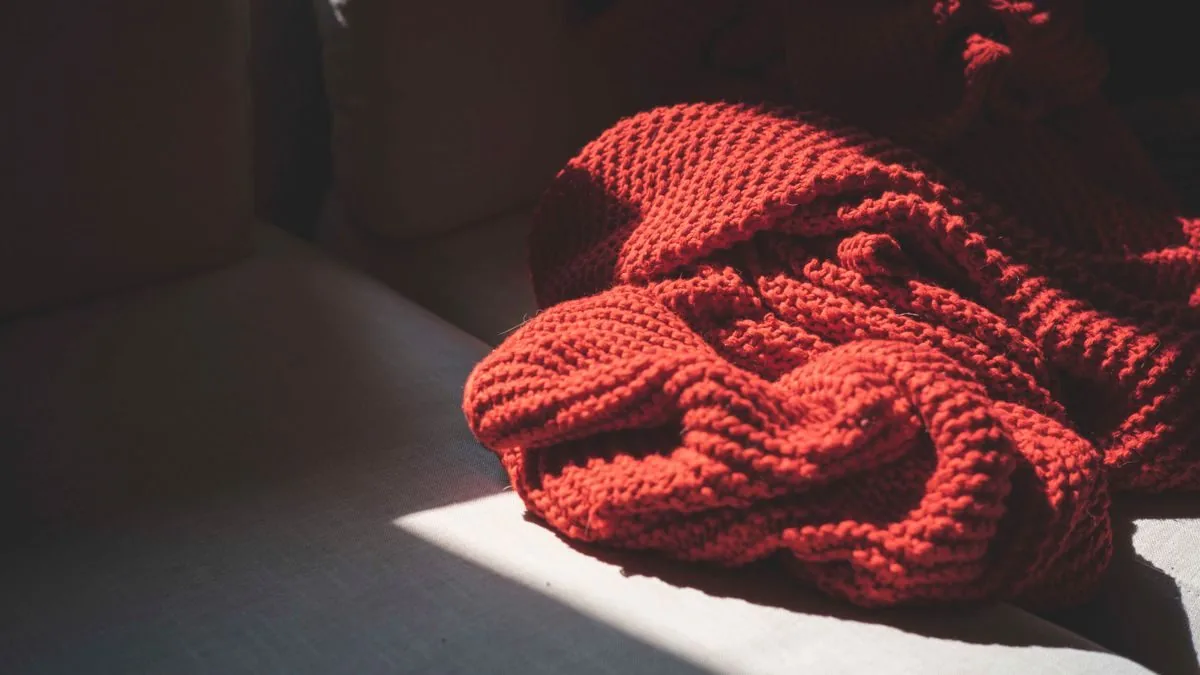

Stand in front of a blanket shelf in January and the choice looks simple: the cashmere one is softer, the wool one is cheaper, and the rest is decoration. It is not. A cashmere blanket and a wool blanket come from different animals, and the wrong one will spend its life folded on a chair instead of on your lap.
Cashmere has the luxury reputation, and it earns most of it. It is lighter than wool for the same warmth, softer against bare skin, and it folds into almost nothing. Wool is tougher, warmer when damp, easier to live with, and it costs a fraction of the price.
This comparison puts the two fibres head to head on warmth, weight, feel, durability, care and price. No shortlist, no brand ranking — just the fibre facts, so you can choose once and choose well.
Key takeaways
- Cashmere is warmer for its weight and softer, but it pills more, costs far more, and needs gentler care.
- Wool is the tougher, more forgiving blanket: it keeps its shape, stays warm when damp, and usually costs a third to a half of a comparable cashmere throw.
- Feel is decided by fineness: fine cashmere at 15 to 15.5 microns and fine merino under 20 microns both feel soft, while coarse wool above 30 microns is what people call itchy.
- A good wool blanket will outlast a good cashmere blanket under daily use, but a well-cared-for cashmere blanket can still last a decade or more.
- Neither fibre is machine-washable in the usual sense, and a suspiciously cheap cashmere blanket is almost always a blend.
What each fibre actually is
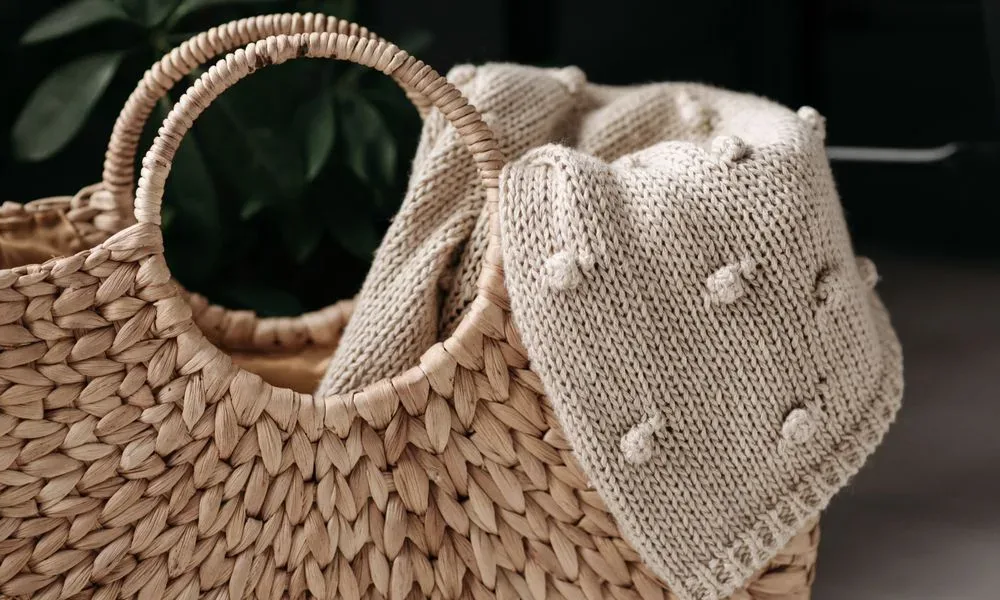
Cashmere is the soft undercoat of cashmere goats, combed out once a year in spring, mostly in Mongolia and Inner Mongolia. The finest fibres, Grade A, measure about 15 to 15.5 microns across and at least 34 millimetres long. Our guide to what to look for in a cashmere blanket explains the grades and weaves in more detail.
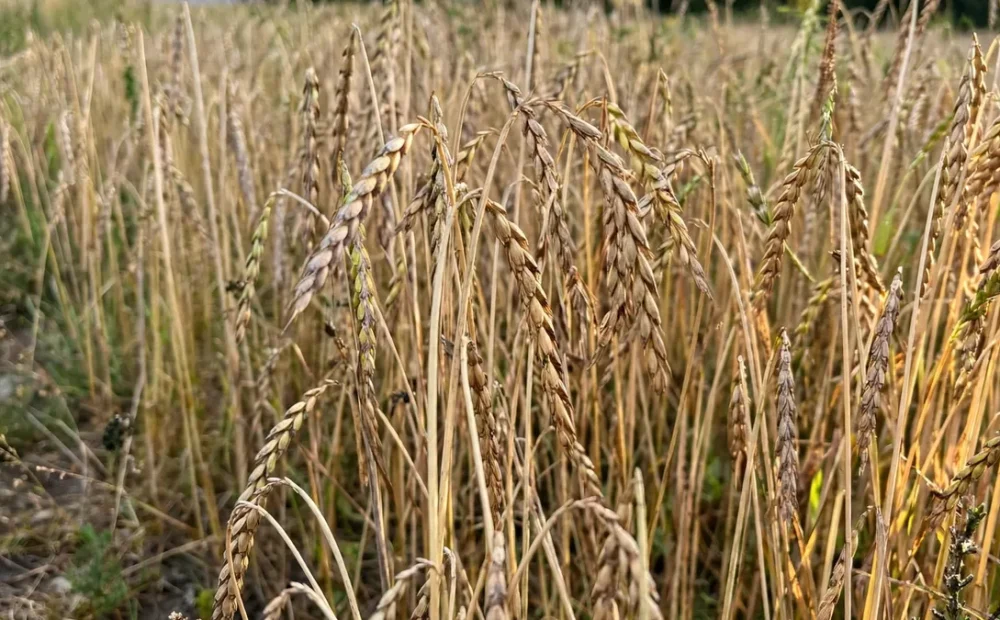
Wool is the fleece of sheep, and it comes in far more varieties than most shoppers realise. Merino wool is the finest and softest, often 18 to 22 microns, and it is the wool most often used for blankets meant to touch skin. Ordinary wool, at 25 microns and above, is coarser and better suited to hard-wearing throws.
Check the composition label. Pure cashmere should say 100 percent cashmere, and pure wool should say 100 percent wool, usually with the type named. Blends are common and not a bad thing: a little wool adds strength to cashmere, and a little cashmere adds softness to wool. But a blend sold at a pure-cashmere price is a rip-off.
Warmth, weight and feel
Cashmere wins on warmth per gram. Its fibres are hollow and fine, so they trap a lot of still air in very little weight, and cashmere is often described as up to three times warmer than sheep’s wool by weight. A typical cashmere throw weighs 300 to 500 grams; a comparable wool throw weighs 800 grams to 1.5 kilograms.
Wool wins on warmth in real-world conditions. Its fibres absorb up to a third of their weight in moisture without feeling wet, and they keep insulating when damp, which cashmere does less well. A wool blanket on a cold sofa or a draughty evening still feels warm. Wool also regulates temperature, breathing when warm and insulating when cold. For a bed blanket, that steady warmth matters more than cashmere’s lightness.
Fine cashmere is silky, almost buttery, with no prickle at all, and it gets softer with use. Fine merino wool is nearly as soft, and most people could not tell a good merino throw from a mid-grade cashmere throw with their eyes closed. The difference appears at the coarse end: cheap cashmere can feel scratchy, while coarse wool above 30 microns is what gives wool its itchy reputation.
Durability, pilling and lifespan
Wool fibres are naturally elastic: they bend thousands of times and spring back, so a wool blanket resists crushing, keeps its loft, and recovers its shape after being sat on and folded. A well-made wool blanket used every evening can last ten to twenty years. Cashmere fibres are finer and weaker, so a cashmere blanket is more easily damaged by friction and snagging.
Both fibres pill, because pilling is what happens when short fibres work loose and tangle on the surface. Cashmere pills more, especially in the first few weeks, because its fibres are so fine and short. The good news is that cashmere pilling usually settles down once the loose fibres have shed, and a cashmere comb restores the surface. Never pull pills off by hand, which drags more fibre out with them.
Longevity depends as much on care as on fibre. A cashmere blanket washed correctly, stored with moth protection and kept away from rough surfaces can last a decade or more. The blanket that dies young is almost always the one machine-washed on a hot cycle or dried on a radiator. If you want one blanket for twenty years of hard use, buy wool; if you want the softest blanket you will ever own, buy cashmere.
Care, washing and storage
Hand wash in cool water with a gentle wool detergent, press the water out without wringing, and dry flat on a towel away from direct heat. Cashmere is the more delicate: hot water and agitation will felt it, shrinking a throw into a stiff mat. Some wool blankets are labelled superwash, so they can be machine-washed on a cold wool cycle — but a hot wash will still ruin them. Our guide to how to choose a wool blanket covers the care labels worth checking before you buy.
Clothes moths are drawn to natural protein fibres, and they are especially fond of cashmere, which is finer and easier for larvae to eat. Clean the blanket before storing it — moths are drawn to body oils and food marks — then fold it loosely in a breathable cotton bag with cedar or lavender, in a cool, dry place. Never store either blanket in a sealed plastic bag, which traps moisture, and never hang a heavy wool blanket on a hook, which stretches it out of shape.
Day-to-day care is simple for both. Air the blanket outside on a dry day instead of washing it after every use; natural fibres release odours when aired.
Price and value in 2027
A decent pure cashmere throw in 2027 starts at around $130 to $200, and a well-made one from a good maker runs $300 to $600 or more. A good pure wool throw starts at around $80 to $150, and a premium merino throw runs $200 to $350. Cashmere under $100 is almost never pure. Our roundup of the best cashmere blankets for winter 2027 shows the real price spread.
Per evening of use, a $300 wool blanket that lasts fifteen years is cheaper than a $400 cashmere blanket that lasts eight — but that arithmetic misses the point of cashmere, which is that it feels better every single time you pick it up. The sensible middle ground is a blend: a cashmere-wool throw, usually 30 to 50 percent cashmere, gives you most of cashmere’s softness with wool’s strength, at a price between the two.
Buy the best you can afford in the fibre you will actually look after. A $150 merino throw used every night is better value than a $500 cashmere throw that lives in a drawer because you are afraid of spoiling it.
Cashmere vs wool at a glance
| Detail | Cashmere | Wool |
|---|---|---|
| Warmth for its weight | Higher — up to three times warmer than wool by weight | High, and stays warm when damp |
| Weight of a typical throw | 300 to 500 grams — light and easy to drape | 800 grams to 1.5 kilograms — heavier and cosier |
| Feel against skin | Silky and buttery, no prickle when fine | Soft when fine merino, itchy when coarse |
| Durability | Delicate — needs gentle handling | Tough and springy — the everyday workhorse |
| Pilling | More at first, then settles with combing | Less at first, can continue lightly over time |
| Care | Hand wash cold, dry flat, moths love it | Hand wash or cold wool cycle if superwash |
| Typical price in 2027 | $130 to $600 or more for a pure throw | $80 to $350 for a good pure throw |
| Best for | Light luxury, reading chairs, gifting | Daily use, beds, draughty rooms, families |
Checklist: before you buy
- Check the composition: 100 percent cashmere or 100 percent wool, with the type named, or a blend with percentages stated.
- Feel the fibre: fine cashmere at 15 to 15.5 microns and fine merino under 20 microns should feel soft, never scratchy, against your neck.
- Weigh the throw: cashmere should feel almost weightless, wool substantial but not stiff.
- Read the care label first: if it says dry clean only and you will never dry clean it, buy the other blanket.
- Buy the size you will use: about 50 by 60 inches covers one person on a sofa.
- Plan the storage: a breathable cotton bag with cedar or lavender, and a clean blanket before it goes away for the summer.
Frequently asked questions
Is cashmere warmer than wool?
Gram for gram, yes. Cashmere traps more still air, so it is warmer for its weight. But a thick wool blanket is often warmer in absolute terms because there is more of it, and wool keeps its warmth when damp. For the same price, wool usually wins.
Which blanket is better for sensitive skin?
Fine cashmere is the safest bet, because its fibres are so fine they do not prickle. True wool allergy is rare; what most people call a wool allergy is a reaction to coarse fibres above 30 microns.
Why does my cashmere blanket pill so much?
Cashmere pills because its fibres are short and fine, and the loose ones work to the surface in the first weeks. It is normal, it usually settles down, and it does not mean the blanket is faulty. Comb the pills off gently instead of pulling them.
Can I machine-wash a wool or cashmere blanket?
Cashmere should be hand-washed in cool water or dry-cleaned. Some wool blankets are labelled superwash and can be machine-washed on a cold wool cycle, but most pure wool blankets should also be hand-washed. Never use hot water, never wring either fibre, and never tumble-dry them.
Is a cashmere-wool blend worth buying?
A blend of 30 to 50 percent cashmere with wool gives you most of cashmere’s softness with wool’s strength, at a price between the two. Check the percentages are printed on the label, and be wary of a blend with less than ten percent cashmere.
How long will each blanket last?
A good wool blanket used daily can last ten to twenty years, and a good cashmere blanket cared for properly can last a decade or more. The difference is forgiveness: wool survives rough treatment that would ruin cashmere, while cashmere rewards gentle care with softness that only improves with age.
The bottom line
Buy cashmere if you want the softest, lightest blanket you can own, and you are willing to hand-wash it, store it properly and treat it gently. Buy wool if you want a blanket that works hard every evening, survives children and pets, stays warm on a damp night and costs far less.
The real mistake is buying on the label alone. Feel the fibre, check the composition, read the care instructions, and choose the blanket that fits your life. A blanket you use every night is better value than one you are afraid to touch.
Note: Prices and fibre measurements are typical for 2027 throws and vary by maker and retailer; check the composition label on the blanket you buy.