A barley farm escape is a short trip built around a grain most travellers have never seen growing. You travel to a farm where barley is the main crop, stay in a farmhouse room, and join the harvest for a few days. It is neither a resort break nor a guided tour. It is a farm that opens its doors to guests, and the way to enjoy it is to arrive ready for a little work, eat what the farm cooks, and let the harvest set the day’s pace.
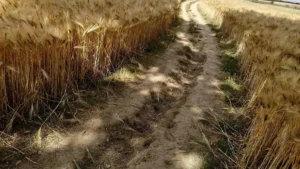
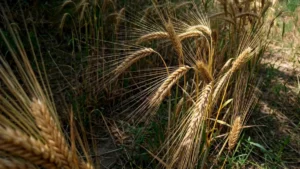
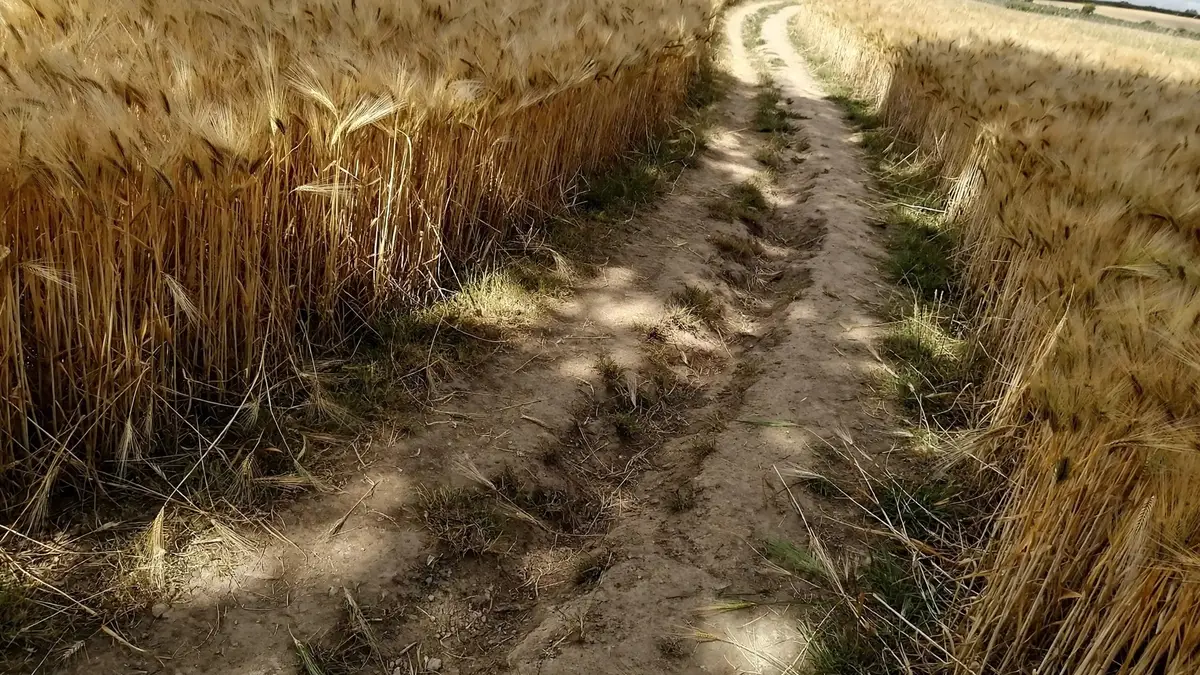
The grain is what sets this trip apart. Barley ripens in a rush of gold, grows in cool soil, and feeds the malt houses, bakeries and breweries of Europe, North America and the highlands. A barley field at harvest is a field of heavy golden heads bending under their own weight, and the work of cutting, drying and cleaning it is work that has fed people for ten thousand years.
This guide walks through the nine steps that turn a vague idea into a booked trip: picking what the barley is grown for, finding the farm, timing the harvest, packing for dust and cool mornings, and leaving room for the plan to move when the grain does.
Key takeaways
- Pick what the barley is grown for first, because malt, food and feed barley grow in different places and ripen in different weeks.
- The harvest week moves with the weather, so book flights that can shift and confirm the date with the farm twice.
- Most barley farms are working farms first, so expect plain rooms, shared meals and early starts instead of hotel service.
- The work is hands-on and dusty, with combines, grain drying and threshing, so sturdy shoes and a hat matter more than rain gear.
- No farm can guarantee a harvest on a set date, and a trip built around one cutting day can leave you facing a green field if the grain is not ready.
What a barley farm escape involves
A barley farm escape is a stay of two to five nights on a working barley farm, where the farm is the reason for the trip rather than a backdrop. You sleep in a farmhouse room or a small guest cabin, eat meals cooked from the farm’s own grain, and take part in the season’s work, walking the rows, watching the combine take the crop, and seeing the grain dried and cleaned for malting or milling.
The days are simple. The mornings belong to the fields, the kitchen serves the grain at midday, and the afternoons are for rest, a walk, or a wander to the nearest market. Evenings are for the table, and the table is where the grain earns its keep, from barley bread in England to barley soup in Anatolia to beer brewed from the farm’s own malt in Bavaria.
The trip fits travellers who like plain food, early starts and real work. It will not fit travellers who want a spa, a fixed menu, or a timetable that never shifts. The harvest moves, and a good barley escape moves with it.
How to plan it and what to look for
Begin with the grain, not the map. Malt barley grows in Moravia, Aberdeenshire and the Canadian prairies, food barley in the highlands and on the Anatolian plateau, and feed barley almost everywhere else. Each one ripens in a different week, and each one is cooked differently, so the purpose you pick decides the country, the season and the food.
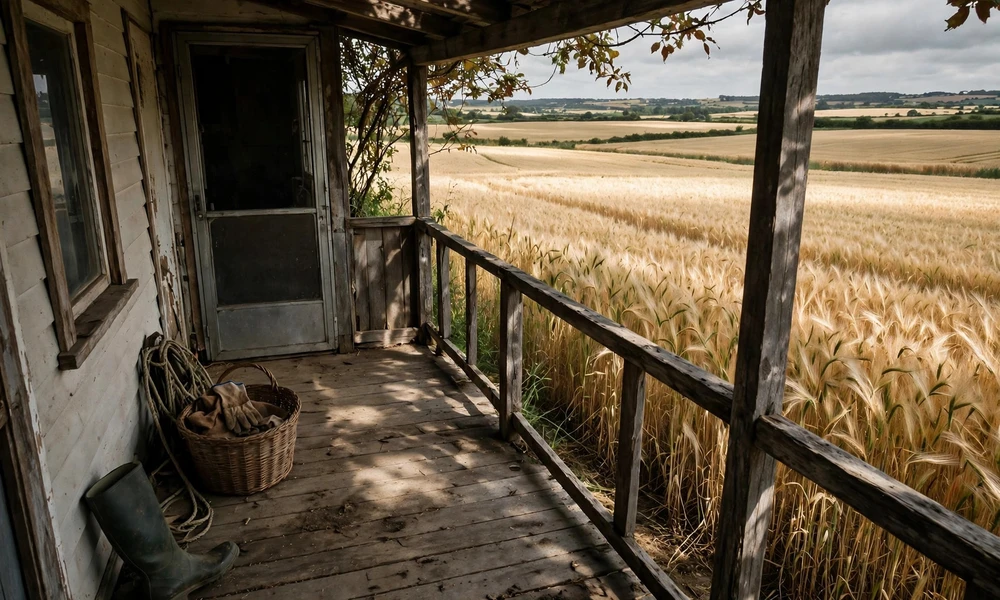
Then look at how the farm cares for its guests. Good farms keep groups small, usually no more than a dozen guests at once, so the harvest stays honest labour rather than a display staged for visitors. They also set out clearly what the nightly rate covers, with meals, transport from the nearest town, and guided walks included in the price, not charged on arrival. A farm that answers questions about the harvest, the food and the weather openly and directly is usually one that treats its guests well. Our sesame farm escape guide uses the same test, and it is the simplest way to tell apart two farms that look alike on paper.
The 9 steps to plan a barley farm escape
Decide the barley’s job before you open a map
What to do: Choose between malt, food and feed barley, then let the purpose choose the country. Malt barley points to Moravia, Aberdeenshire or the Canadian prairies, food barley to the Anatolian plateau or the highlands, and feed barley to the broad arable plains. What to avoid: Picking a country first and hoping the grain suits it. Best for: Travellers who want the food and drink to match the field. Time needed: An evening of reading. Standout tip: Learn the local name for the grain and the malt before you search, because farms use the local words, not the English ones.
Visit the malt house while it is working
What to do: Ask whether the farm has a malt house, and whether guests can see the barley steeped, germinated and dried. Malting is the part of the barley story most guests never see, and a farm that opens its malt house is a farm that treats guests as helpers, not spectators. What to avoid: Assuming every barley farm malts its grain. Best for: Travellers who want the brewing story. Time needed: One email. Standout tip: Ask what the malt is sold for, because the answer tells you whether the farm brews, bakes, or simply sells its grain on.
Work out the cutting dates with the farmer
What to do: Ask whether the cutting is done with a sickle, a scythe, or a combine, and whether guests can take part. Hand cutting is slow and sociable, while a combine is fast and loud, and the two make for very different days in the field. What to avoid: Expecting hand work on a farm that harvests by machine. Best for: Travellers who want real work. Time needed: One email. Standout tip: Ask to ride in the combine if the farm uses one, because the view from the cab is the best seat on the farm.
Pack for cool mornings and a dusty threshing yard
What to do: Pack sturdy closed shoes, a wide hat, a warm layer for the mornings, sunscreen, and clothes you can wash easily. A thin scarf helps at threshing, when the chaff drifts through the air, and a water bottle beats a second camera lens. What to avoid: Waterproofs or white clothes for a dry harvest. Best for: Every traveller on this list. Time needed: An hour of packing. Standout tip: Carry shoes you are happy to spoil, because threshing dust works its way into everything.
Taste the farm’s bread, soup and beer in one evening
What to do: Ask the farm what it cooks from its own grain, and plan one evening around the full table: barley bread, barley soup, and beer brewed from the farm’s malt if the farm brews. A little curiosity turns a meal into a conversation with the cook. What to avoid: Turning up with no idea what the grain becomes on the plate. Best for: Travellers who love food culture. Time needed: An evening at the table. Standout tip: Pick up the local greeting too, because the kitchen is where the farm’s welcome lives.
Walk the field rows with the farmer at dawn
What to do: Ask to walk the field rows with the farmer at dawn, when the grain is cool and the light is low. The walk is where a barley region shows its real life, and it is worth more than a second day in the yard. What to avoid: Sleeping through the morning and missing the best light of the day. Best for: Travellers who like quiet mornings and open fields. Time needed: An hour at dawn. Standout tip: Carry a handful of grain back from the walk, and ask the farmer to show you how to tell ripe kernels from green ones.
Shop the market stalls beside the locals
What to do: Keep one morning free for the nearest market town, where the grain is sold, the flour is milled, and the farm’s neighbours shop. Markets are where a barley region shows its real life, and they are worth more than a second day in the fields. What to avoid: Packing every hour with farm work and leaving no time for the town. Best for: Travellers who love markets and people. Time needed: A morning. Standout tip: Buy a loaf of the town’s barley bread at the market stall, and compare it with the farm’s own baking.
Take a sack of malt home for your own kitchen
What to do: Ask whether the farm sells malt, flour or grain to visitors, and whether it can pack it for travel. A sack of the farm’s own malt is the best souvenir on this trip, and it brews and bakes well at home. What to avoid: Buying grain in a town shop and taking it for the farm’s own. Best for: Cooks and brewers who want to keep the trip going. Time needed: A few minutes at the farm shop counter. Standout tip: Ask the cook for the recipe to go with the malt, and write it down before you leave.
Ring the farm again the week before you fly
What to do: Confirm the harvest week when you first enquire, and ring the farm again the week before you travel. Barley ripens fast and the week moves with the weather, so a second check catches a moved harvest before your flights are fixed. What to avoid: Fixing non-changeable flights around one harvest date. Best for: Every traveller on this list. Time needed: Two calls. Standout tip: Ask the farm what happens if the grain is not ready, because a good farm will have a second activity ready, and a bad one will not answer.
Picking the right season and region
If this is your first barley trip, go in July or August. The European and Canadian crops both harvest in those months, the weather is warm, and the work is at its busiest. The Moravia stay is the cheapest on this list and the most welcoming, and the Aberdeenshire stay pairs the harvest with a whisky landscape that fills a slow evening.
If you want Australia, go in November or December, when the wheatbelt crop comes off and the harvest is partly mechanised. If you want Anatolia, go in June or July, when the plateau barley is cut and the soup season begins. Our quinoa farm escape guide works the same way: pick the season first, then the country, not the other way round.
If food is what matters most, look to France or Turkey. The Champagne kitchen does more with barley soup and bread than any other farm on this list, and the Anatolian stay pairs the grain with a soup tradition that is generous and varied.
The caveats that matter
Barley farming depends on the weather in a way that surprises people on their first visit. Farms offer their best estimate, not a promise, and a trip built around a single cutting day is a risk.
| Detail | What is known |
|---|---|
| Best time to travel | Midsummer in most regions, when the grain heads are dry and golden; the exact week moves with the weather |
| How far ahead to book | Two to three months ahead for the harvest weeks, and sooner for the small family farms |
| How long a stay runs | Two to five nights on most farms, with the harvest work in the long summer days |
| Who should take care | Travellers with dust allergies, gluten intolerance, or limited mobility on uneven ground |
| What the work involves | Watching the combine cut the crop, drying the grain, and seeing it cleaned for malting or milling |
| Gluten-free note | Barley contains gluten, so it is not suitable for coeliac travellers; ask the farm what else the kitchen cooks |
| What to pack | Sturdy shoes, a wide hat, long sleeves for the sun, and clothes you do not mind getting dusty |
| What it does not do | It does not guarantee a harvest day, a set menu, or hotel-style service on a working farm |
If you have a dust allergy, a gluten intolerance, or a health condition that heat makes worse, talk to the farm before you book. One short question about the kitchen and the drying floor before you book can head off a hard stay, and a farm that answers it plainly is usually worth the visit. Our amaranth farm escape guide ends on the same advice, because the grain changes and the guidance does not.
Checklist: before you book a barley farm escape
Use these checks before you book, and again the week before you travel.
- Pick what the barley is grown for first, because the purpose decides the country, the season and the food.
- Get the harvest week from the farm in writing, and ask what the fallback is if the grain is still green when you arrive.
- Ask what the nightly rate covers, and check that meals, lifts from the nearest town and guided walks sit inside the price rather than on the bill later.
- Ask what the kitchen cooks and whether it can manage a vegetarian request or a gluten-free guest.
- Pack for dust and glare: tough shoes, a broad hat, long sleeves, and clothes that come clean in a wash.
- Hold a spare day at the end for the nearest town, so a shifted harvest still leaves a good trip in hand.
Frequently asked questions
When should I book a barley farm stay?
Two or three months ahead for the harvest weeks, and earlier for the small family farms, which take only a few guests at a time. The cheapest stays fill first, because the harvest weeks are brief and the rooms are few.
How fit do I need to be for the harvest work?
Moderately fit is enough. The cutting is done by combine and takes a steady eye, the grain handling is rhythmic rather than heavy, and the walking is light work that anyone can learn. If your back is bad or dust troubles you, tell the farm and ask for kitchen work instead.
What happens if the harvest week moves after I book?
Ask the farm before you book. A good farm will have a second activity ready, such as a market visit, a cooking lesson, or a walk through the fields, and will tell you plainly. A farm that cannot answer is one to skip, because the harvest shifts often and the plan should shift with it.
Can I eat barley if I avoid gluten?
Barley contains gluten, so it is not safe for coeliac travellers or anyone who must avoid gluten strictly. The risk is a shared farm kitchen that also handles wheat flour, so ask the farm about what else it cooks before you book, and tell the cook when you arrive.
Is there a reason to visit a barley farm outside harvest?
Yes, if you go for the food and the place more than the work. The kitchen cooks barley all year, the markets run all year, and the landscape is worth a slow walk. What you lose outside harvest is the cutting itself, which is the part most guests remember.
How much does a full week on a barley farm run to?
On this list, a week runs from about $420 on the cheapest Moravian farms to about $2,660 on the dearest Australian and Turkish stays, with meals usually included. Add flights, lifts from the nearest town, and a night in town at the end.
The bottom line
The best barley farm escape in 2027 is not the most expensive or the most famous. It is the one where the grain is grown with care, the kitchen cooks it, and the harvest week fits your dates. For a first trip, Moravia is the cheapest stay and the friendliest one. For the grain’s own story, Anatolia puts you where barley first grew.
Pick what the barley is grown for, confirm the harvest week twice, pack for dust and sun, and leave a free day at the end. That is the honest way to plan a barley farm escape, without the disappointment that comes from expecting a hotel on a working farm.