
Sesame does not wait for you. The capsules along each stem begin to split as they ripen, and once they open the seed spills into the dust, so a farm that grows sesame plans its whole year around a cutting week that can move by a day or two with the weather. That narrow window is what makes a sesame farm escape both tricky to arrange and unlike any other farm holiday: you cannot pick your dates and hope the crop cooperates.
Once you accept that the farm sets the calendar, the rest of the planning is simple. Flights, rooms and transfers all follow the cutting week, and a trip built that way feels completely different from one built around a hotel’s availability. The reward is a harvest you join with your own hands, in a field where the work has barely changed in five thousand years.
The nine steps below take you from finding the cutting dates to buying oil on the last day. Work through them in order and you will reach the right farm in the right week, with a spare day in hand.
Key takeaways
- Fix the cutting week first — flights, rooms and transfers all follow it.
- Northern hemisphere cutting falls in late autumn and the dry season, and the exact week shifts with the rain.
- Get the inclusion list in writing before paying, and settle transfers before flights.
- Bring closed shoes, a hat and clothes you can ruin, and keep the first afternoon light.
- A sesame allergy rules these stays out entirely; no farm can make its fields or kitchen safe.
What a sesame farm escape involves
A sesame farm escape is a short trip built around the sesame harvest. You stay on or beside a working sesame farm, join the cutting and the threshing, eat meals cooked from the seed, and learn how sesame goes from a plant in the field to oil, tahini and halva. Mornings are physical and afternoons are slow.
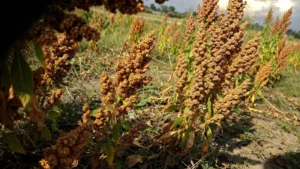
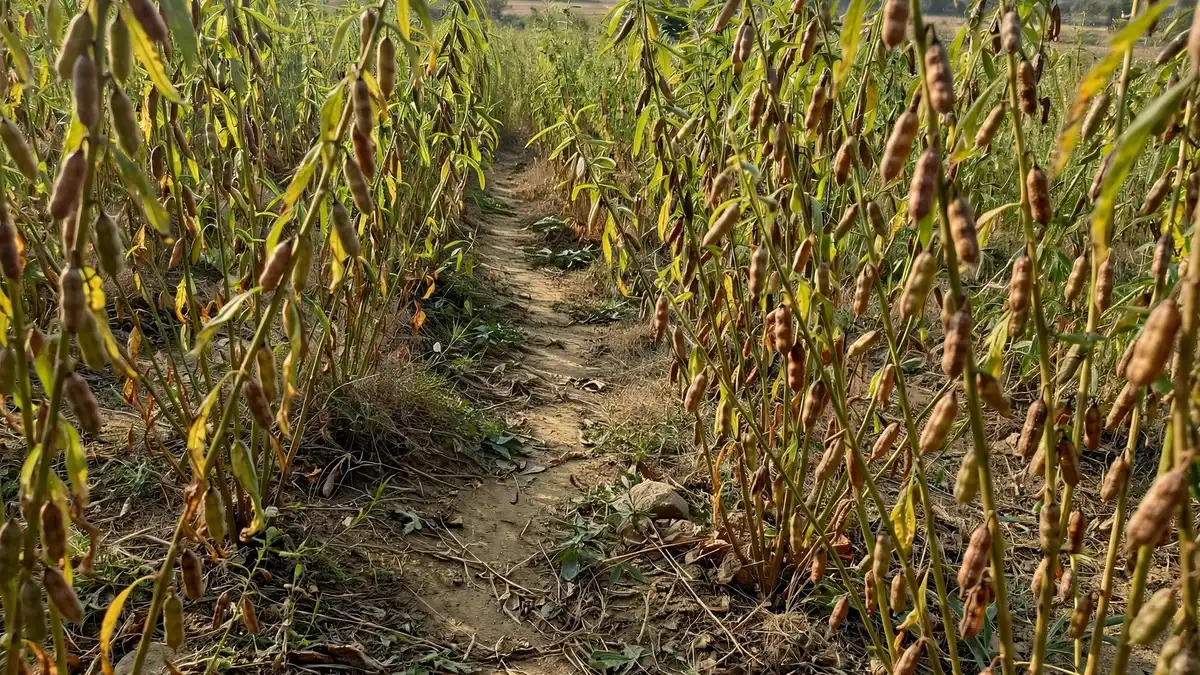
The crop sets the shape of the trip. Sesame carries its seed in capsules that split open as they ripen, so the harvest is a race: plants are cut while still slightly green, stacked in shocks to dry, and threshed before the seed spills. A stay that offers all four stages is a genuine sesame farm escape. A stay that offers only a tour and a tasting is a pleasant rural break, not the same journey.
That short window is also why the planning works differently from other farm holidays. Our guide to planning a peanut farm escape is about a single digging week that moves with the weather, while a sesame escape is about a cutting week that can shift by days, not weeks, once the capsules start to split. The pine nut escape in our pine nut farm escape guide is about forest walks and long seasons, and sesame is the opposite: a short, sharp harvest window that rewards travellers who plan around it.
How to plan it and what to look for
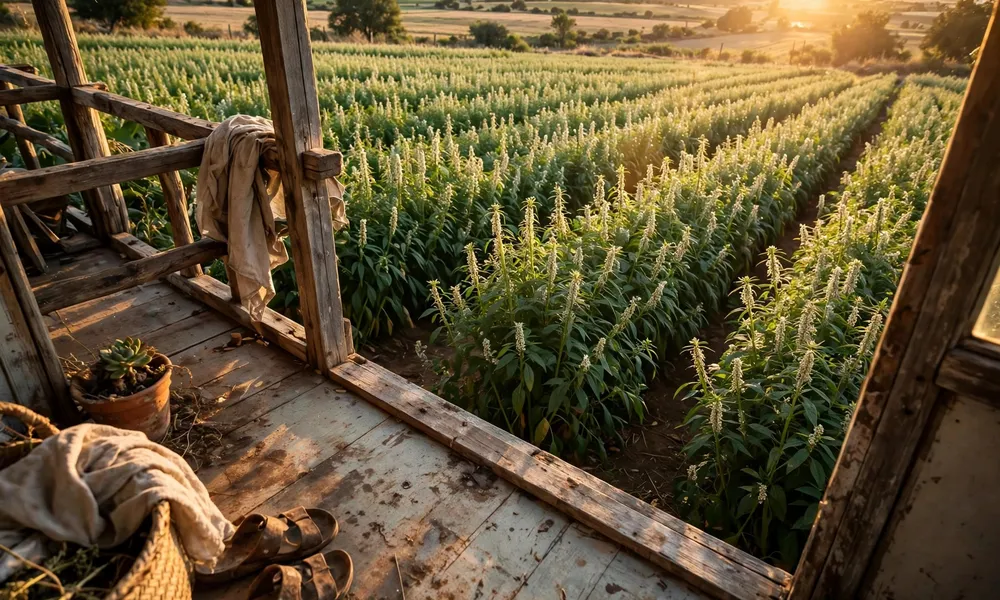
Begin with the farm, not the flight. A good sesame farm stay will publish its cutting window, name the variety in the ground, and answer questions about the harvest honestly. Look for a farm that grows sesame at scale, lets guests join the cutting, and cooks with its own seed.
Then examine what the rate actually covers. Breakfast and one harvest activity at least should be in the rate, and the farm should put them in writing. Transfers are the usual surprise: many sesame farms sit an hour or more from the nearest town. Ask for the complete list before paying, and judge stays on what is included rather than the headline nightly rate.
Lastly, judge the room by farm-stay standards. What you want is a clean room, a proper bed, steady water pressure and a quiet night. A spa, a pool or a minibar are unnecessary here, and a farm that pays for those is usually paying less for the farming. The Brazil nut escape in our Brazil nut farm escape guide makes the same point, and it holds doubly for sesame, where the work is dustier and the rooms should be simpler.
The 9 steps to plan a sesame farm escape
Email the farm and ask for the cutting dates
What to do: Email the farm and ask for its cutting window in writing, then check those dates against the variety in the ground and the season’s rain. What to avoid: Paying for flights before you know the harvest dates, because they almost never line up by luck. Best for: Every traveller, on every sesame trip. Time needed: One afternoon of emails. Standout tip: Ask for the cutting dates and the threshing week, not just the harvest month.
The cutting week is the whole trip. A farm that cuts in late November will have green plants in October and empty fields in January. Get the dates confirmed in writing, ask what happens when rain delays them, and only then look at flights.
Choose where to go by what you will eat
What to do: Choose Gedaref or Humera for sesame at full scale, Jigawa or Rajasthan for oil and sweets, and San Pedro for a ranch stay with riding. What to avoid: Picking a stay from its photos and finding the farm grows a different crop. Best for: Travellers weighing up the nine regions in our roundup. Time needed: An evening of reading. Standout tip: Match the region to the meals you want, not the cheapest flight.
Every sesame region cooks its seed differently. Sudan presses oil, Myanmar pours it warm over lunch, Nigeria grinds paste, Rajasthan makes halva, and Paraguay pairs the harvest with an asado. Read the farm’s menu before its room photos, and the region will choose itself.
Ask for the full included list in writing
What to do: Ask for a written list of what the nightly rate covers: breakfast, farm activities, meals, transfers, and any cooking sessions. What to avoid: Taking a farm activity as included just because it appears in the photos. Best for: Anyone weighing two farms at different prices. Time needed: Half an hour per farm. Standout tip: Judge stays on the included list, not the headline rate.
Two farms can ask the same nightly rate and deliver very different trips. One includes breakfast, cutting, threshing and a farm dinner, while the other includes breakfast and a tour. Only the written list gives a fair comparison.
Work out how you reach the farm gate
What to do: Ask how far the farm is from the nearest town and airport, whether it offers transfers, and what a local taxi costs. What to avoid: Turning up at a rural station with no onward transport and no phone signal. Best for: Travellers heading to remote farms in Sudan, Ethiopia or Paraguay. Time needed: One hour of planning. Standout tip: Take the farm’s own transfer when it offers one, even at a higher price.
Sesame farms are rural, and the last stretch is usually the hardest. A farm transfer costs more than a local taxi, yet it turns up, it knows the track, and it waits when your flight runs late. For the remote stays here, that dependability matters more than the saving.
Your packing list starts with old clothes
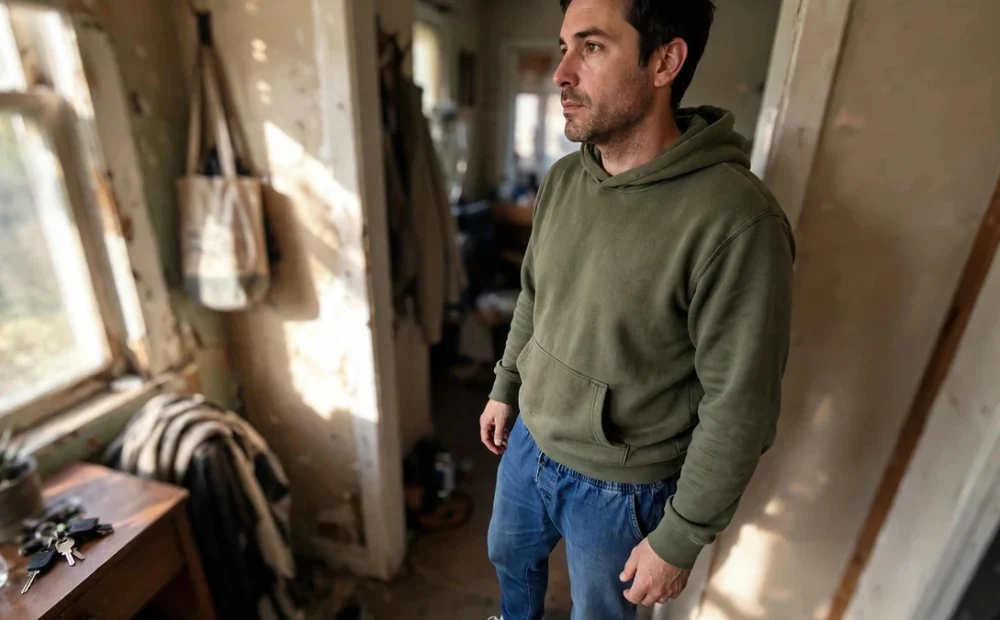
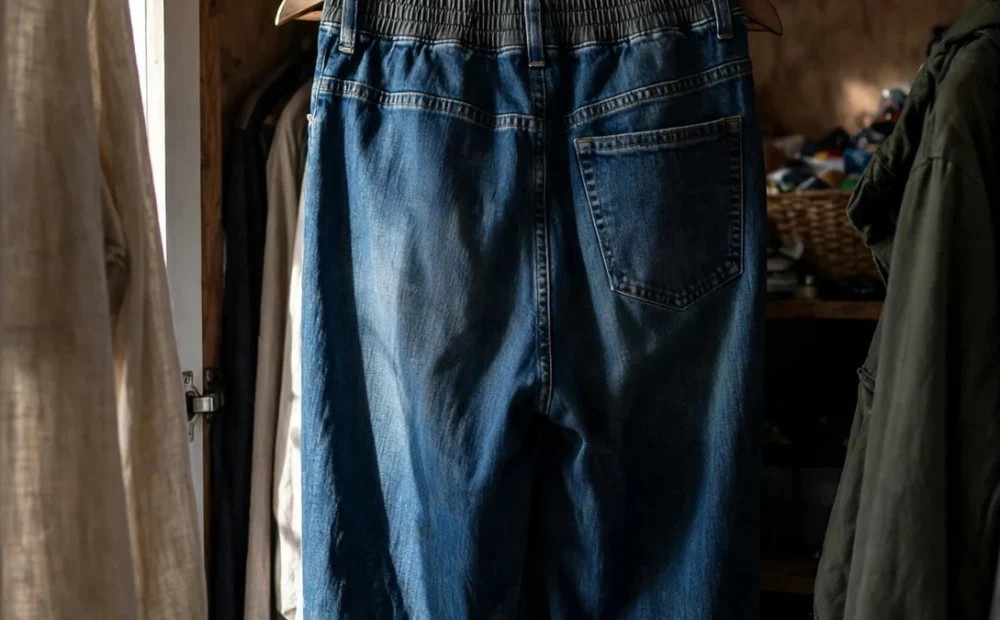
What to do: Pack closed shoes with grip, a wide hat, sun cream, a water bottle, and two sets of field clothes you do not mind ruining. What to avoid: Packing white trainers, open sandals, or a single good outfit for the whole stay. Best for: Anyone on a first farm stay. Time needed: An evening of packing. Standout tip: Keep the field clothes in a separate bag so dust never touches your clean clothes.
Threshing throws up a fine dust that gets into everything, and the cutting happens in the sun. Closed shoes matter because the rows are uneven, and a hat matters because there is no shade in a sesame field. Pack as though you will work in a field, because that is the plan.
Arrive the evening before the cutting begins
What to do: Arrive the evening before, sleep well, and be in the field when the cutting starts, usually just after sunrise. What to avoid: Turning up at midday and spending your first day watching other people work. Best for: Travellers staying just two or three nights. Time needed: One early morning. Standout tip: Ask the host the night before what time the cutters start, and set two alarms.
The cut is the heart of the trip, and it happens early, before the heat. Arrive the night before, eat with the host, and be there when the first plants come down. A morning in the field teaches you more about sesame than a week of reading.
Spend the hottest hours threshing in the shade
What to do: Use the hot hours for threshing by hand, winnowing, pressing oil, and cooking with the host. What to avoid: Cutting through the midday heat, which is miserable and slow. Best for: Anyone who cares about the food as much as the fieldwork. Time needed: Two or three afternoons. Standout tip: Learn one dish properly, such as tahini or sesame brittle, and cook it yourself.
Afternoons on a sesame farm belong in the shade. Threshing is rhythmic and sociable, winnowing is quick, and cooking is where the seed turns into a meal. Master one dish properly, and you take home a skill, not just a photograph.
Do your farm shopping on the second day
What to do: Buy sesame oil, tahini and halva on the second day, and ask the farm to seal jars for travel. What to avoid: Waiting until the morning you leave, when the farm shop may be closed. Best for: Travellers who want to cook with the seed at home. Time needed: Half an hour. Standout tip: Buy oil the farm pressed this week, not a bottle from last season.
Farm shops keep farm hours, and the final morning is the worst time to shop. Buy on day two, while the pressing is fresh. Check your destination’s food import rules first, and ask the farm to seal the jars properly.
Keep one spare day in town after the stay
What to do: Add one spare day after the stay, in the nearest town, before your flight home. What to avoid: Flying out on the morning after the harvest, when you will be tired and dusty. Best for: Travellers flying home from a far-flung farm. Time needed: One extra night. Standout tip: Use the spare day to wash, rest, and eat a meal somebody else cooked.
A harvest day is hard work, and the morning after is a poor time to catch a flight. A spare day in the nearest town lets you wash the dust off and sleep properly. It is the cheapest cover on the whole itinerary.
Picking the right season and region
The northern hemisphere harvest runs from late autumn into the dry season, and that is the window for Gedaref, Magway, Jigawa, Dodoma, Humera, Bobo-Dioulasso and Rajasthan, with Paraguay’s harvest falling in the opposite half of the year. The precise weeks shift with the rain, so get this year’s dates from the farm and plan the trip around them.
The season shapes comfort as much as it shapes the crop. Summer in Rajasthan and the Sudanese plains is extremely hot, and the best months are the cooler ones after the cutting begins. Ethiopia’s lowlands are best after the rains, while Uganda and Tanzania suit the dry season, when the roads are passable.
Together, region and season decide what ends up on your plate. A December stay in Gedaref means oil pressed that week, a January stay in Rajasthan means halva made that morning, and an autumn stay in San Pedro means sesame sauces at the asado. Pick the season that serves the food you want, and leave the rest to the farm.
The caveats that matter
Sesame allergy is the hard limit on this trip, and it is worth repeating plainly. Sesame farms grow, cut, thresh, press and cook sesame in the open air. The dust hangs in the air, the oil is in the kitchen, and no amount of cleaning changes that. If you or anyone travelling with you has a sesame allergy, do not book a sesame farm stay. No version of this trip is safe for an allergic guest.
| Detail | What is known |
|---|---|
| Best time to go | Late autumn into the dry season in the northern hemisphere; the cutting weeks move with the rain |
| Who should not book | Anyone with a sesame allergy, and anyone who cannot walk uneven field rows |
| What is usually included | Breakfast, at least one farm activity, and a farm meal on most stays |
| What costs extra | Transfers, longer harvest days, cooking classes and safari or riding trips |
| How physical it is | Cutting and threshing are real work; winnowing and pressing are light |
| What to pack | Closed shoes for the field, a hat, sun cream, and clothes you do not mind getting dusty |
| How far ahead to book | Two to three months for harvest weeks; the best farms sell out first |
| What it does not offer | A resort experience, a sesame-free kitchen, or a harvest on demand outside the season |
Heat and dust are the other honest warnings. Cutting happens in the sun, the soil gets everywhere, and a sesame farm in the dry season is not a gentle place. Carry water through the morning, and switch to the shaded winnowing work when the midday heat peaks.
Checklist: before you book a sesame farm escape
Use these checks before you pay.
- Ask for the cutting dates first, then plan around them rather than the cheapest flight.
- Ask for a written breakdown of breakfast, activities, meals and transfers.
- Ask how the farm deals with dust and heat, and whether afternoons offer shaded work.
- Check the room by farm standards, not hotel ones: clean and quiet is enough.
- Tell the farm about dietary needs in advance, but do not ask it to be sesame-free.
- Pack closed shoes, a hat, sun cream and spare field clothes.
Frequently asked questions
How early must I book a sesame farm escape?
Two to three months for the harvest weeks, which sell out first. Get the cutting dates from the farm first, then build the trip around them.
What if the rain delays the cutting?
It often does, by a few days. A good farm will tell you the new dates quickly, so keep your flights flexible and build in a spare day.
Is a sesame farm worth visiting outside harvest season?
You can, but the stay is quieter: the fields are green or empty, and the threshing floor is silent. The harvest weeks are when the farm is at its best.
Do I need the local language to enjoy a sesame farm stay?
No, but a few words help. Most hosts speak enough English for the harvest, and the work itself needs little translation.
Do children enjoy a sesame farm escape?
Often yes. Winnowing and pressing are safe and easy, while cutting suits older children, so ask which jobs fit their ages.
What budget should I plan for a sesame farm escape?
Nightly rates run from about $95 in Gedaref to about $510 at the San Pedro ranch. Add transfers and a spare night in town, and budget for oil and tahini to take home.
The bottom line
The best sesame farm escape in 2027 is the one whose cutting dates match your trip and whose farm grows the crop at scale. Gedaref and Humera suit a first sesame trip, Jigawa and Rajasthan suit food lovers, and San Pedro suits travellers who want a ranch.
Plan around the cutting season, pack for dust and heat, and be honest with the farm about what you can manage. Do that, and a sesame farm escape gives you a morning in the field, an afternoon at the threshing floor, and a meal made from a seed you helped to bring in.