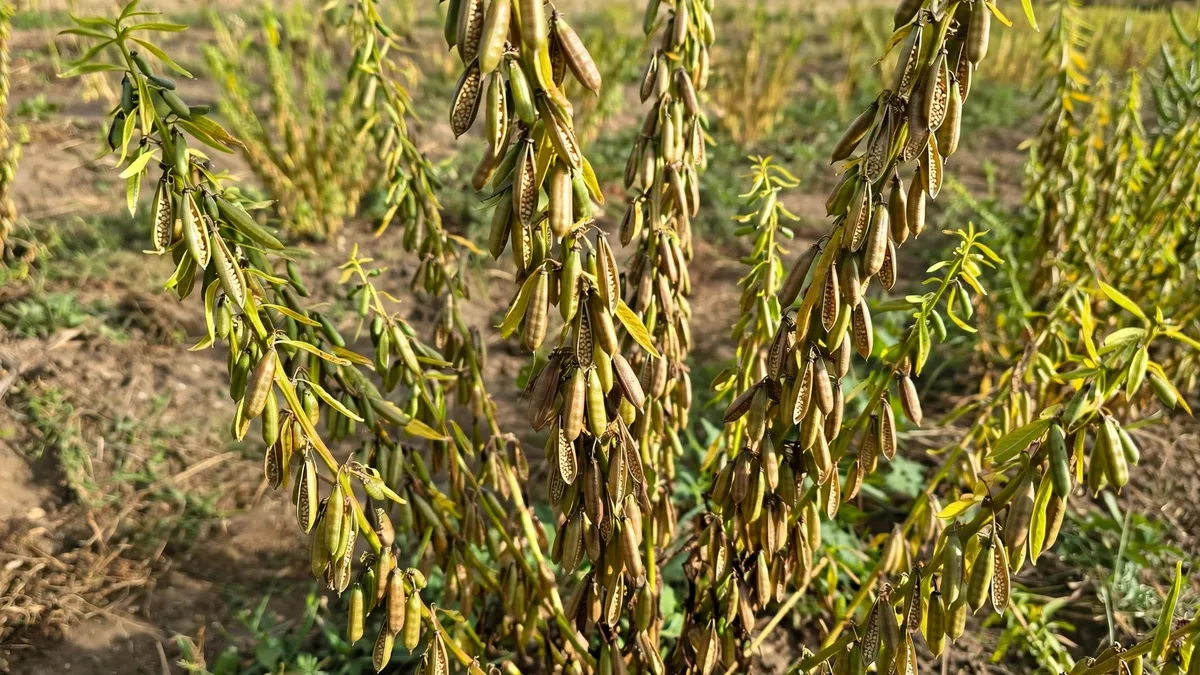
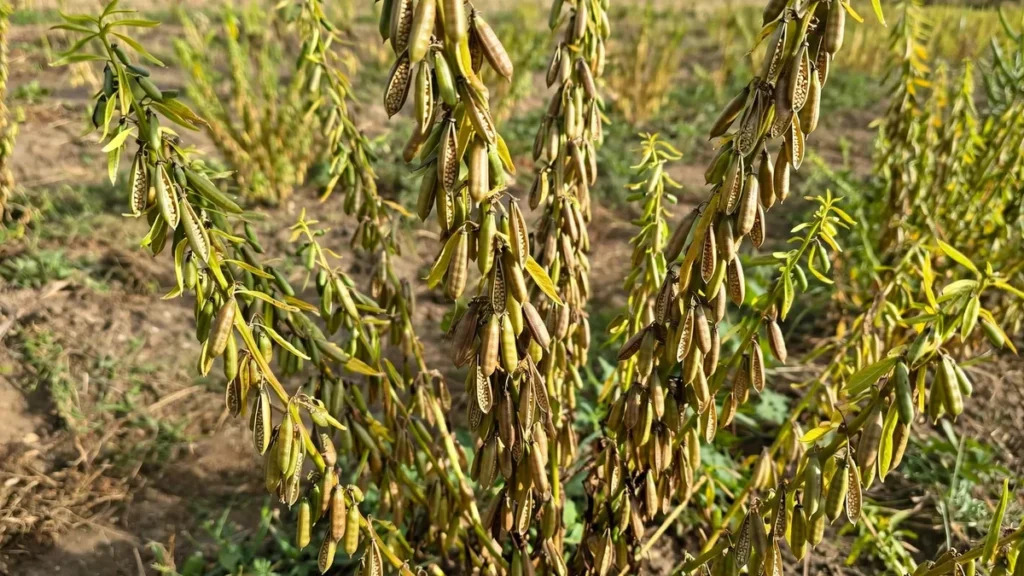
Sesame is one of the oldest crops people have ever farmed for oil, and a sesame farm stay feels older than almost any other farm holiday. The work has barely changed in thousands of years: the plants are cut by hand, stacked in the field to dry, and then beaten so the seeds fall out of the splitting pods. You stand in a dry field with a bundle of stems, and the harvest happens in your hands.
The best of these stays put you in the threshing yard rather than on a viewing platform. You sleep in a farmhouse room or a converted storehouse, eat bread dipped in tahini ground that morning, watch oil pressed in a small expeller, and spend your afternoons with the people who grow the seed. The pace is slow, the work is dusty, and the food is the freshest version of a crop most travellers have only ever met sprinkled on a bun.
Below are nine sesame farm retreats worth considering in 2027, from the sesame plains of eastern Sudan to a ranch in the Paraguayan interior. Each entry below covers what the stay does well, where it falls short, and who will enjoy it most.
Key takeaways
- A sesame farm retreat is a working-farm stay built around the cut, dry and thresh harvest, not a country hotel with a sesame label.
- Harvest timing matters more than anything else: the plants are cut when the seed capsules start to split, and the window is short.
- Tahini ground that morning and oil pressed that week are the foods that show whether a stay is genuinely farm-led.
- Book a stay that lets you join the cutting, the stacking and the threshing, and check what is actually included before you pay.
- Sesame allergy is the hard limit here: no farm stay in this guide can make its kitchen safe for someone with one.
What a sesame farm retreat actually is
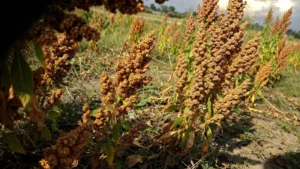
A sesame farm retreat is a stay on a working sesame farm where guests take part in the harvest and eat from it. Sesame, or Sesamum indicum, is a tall annual plant that carries its seeds in small capsules along the stem. When the capsules ripen they begin to split open, which is why the crop is cut while still slightly green, stacked in shocks in the field to finish drying, and then threshed so the seeds shake free. A stay built around that process will have a cutting day, a drying field, a threshing floor, and a kitchen that grinds and presses the seed. Without those, it is a rural stay with a sesame theme.
The rhythm of the stay follows the crop. Mornings start early, because cutting happens before the heat builds. The plants are cut low, tied in bundles, and stacked upright so the sun and wind finish the drying. Afternoons are slower: threshing on a cloth or a beaten-earth floor, winnowing the seed clean, pressing oil, and grinding tahini.
That working rhythm is also what makes these stays different from the other farm retreats we have covered. Our guide to the peanut farm retreats of 2027 is about digging a crop out of the soil, while a sesame stay is about cutting a crop that stands waist-high and threshing it in the yard. The pine nut stays in our pine nut farm retreats guide are forest gathering around long-lived trees, and sesame is the opposite: a single-season annual, grown, cut and threshed inside a few months.
How we chose these stays and what to look for
We looked first at whether the farm actually grows sesame at scale. A stay qualifies here only if sesame is a real crop on the property, not a border strip or a bought-in ingredient. The best stays grow many acres at least, and the host can tell you the variety in the ground and the expected cutting week. When a host cannot answer those questions, the fields are scenery rather than a working farm.
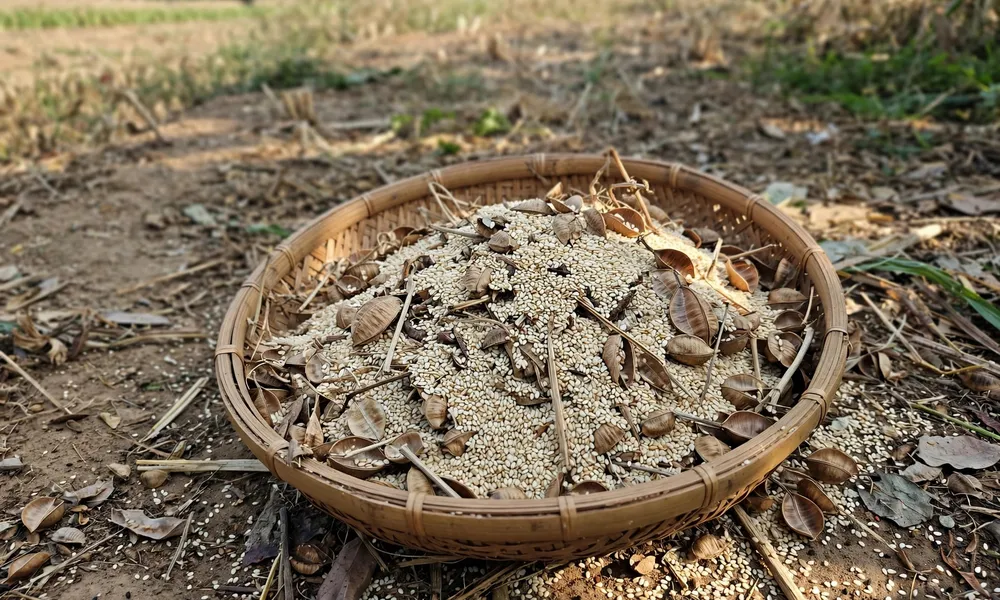
Next we weighed how much of the harvest guests are actually allowed to join. Cutting, stacking, threshing and winnowing are the four jobs that make a sesame stay worth the trip, and a stay that offers all four beats one that offers a tour and a tasting. Pressing matters too: a kitchen that grinds its own tahini and presses its own oil is showing you the crop properly, while a kitchen that serves sesame dishes from bought-in stock is not.
Last, we judged the rooms and the rates on their own merits. A farm stay ought to be comfortable, not a resort in disguise. A clean room, steady hot water, a decent bed and a silent night count for more than any spa menu. Rates quoted below are nightly for two guests, with breakfast and at least one harvest activity included.
The 9 best sesame farm retreats of 2027
Gedaref, Sudan — Sesame Fields of the Eastern Plains
What we like: A working farm in Sudan’s sesame heartland, with vast fields, cutting days guests can join, and a press that makes oil on site. What to consider: The heat is fierce and the farm is remote. Best for: First-time visitors who want to see sesame grown at real scale. Style: Working farm stay. Price range: $95–$130 per night. Standout feature: A threshing floor where guests beat the dried plants and watch the seed fall.
Gedaref grows more sesame than almost anywhere else on earth, and this farm sits in the middle of it. The white sesame here is prized for oil and tahini, and the cutting week runs from late autumn into the dry season, when the fields turn gold and the threshing starts.
Magway, Myanmar — Dry-Zone Sesame Smallholdings
What we like: Small family farms in Myanmar’s dry zone, with sesame grown between pulses, a shared threshing yard, and meals built around sesame oil and groundnut stews. What to consider: The dry zone is hot and dusty for most of the year. Best for: Travellers who want a slow, hot, honest harvest. Style: Dry-zone farm stay. Price range: $140–$175 per night. Standout feature: Sesame oil pressed in a wooden expeller and poured warm at lunch.
Magway’s sesame grows on thin, dry soil where little else thrives, and the farmers here know the crop intimately.
Jigawa, Nigeria — Northern Sesame Farms
What we like: A family farm in northern Nigeria’s sesame belt, with a pressing shed, a grinding stone for tahini-style paste, and hosts who have grown sesame for three generations. What to consider: The farm is at its best in the cooler months after the rains. Best for: Food travellers who want sesame oil pressed the same day. Style: Family farm stay. Price range: $185–$220 per night. Standout feature: A grinding stone where guests help make the farm’s sesame paste.
Jigawa sits in the middle of Nigeria’s northern sesame country, where the seed is a cash crop and a kitchen staple at once.
Dodoma, Tanzania — Central Plateau Sesame Fields
What we like: A smallholding on Tanzania’s central plateau, with sesame grown alongside sorghum, a host family that teaches threshing and winnowing, and a safari leg built into longer stays. What to consider: The plateau is dry and the roads can be rough after rain. Best for: Travellers pairing a farm stay with a safari. Style: Smallholding stay. Price range: $230–$265 per night. Standout feature: A safari day at the end of the stay, after the threshing is done.
Sesame is one of the central plateau’s quiet cash crops, grown on smallholdings across the dry interior, and this stay shows that scale honestly.
Humera, Ethiopia — Sesame Estates of the Western Lowlands
What we like: A sesame estate in Ethiopia’s western lowlands, with broad fields of white sesame, a mechanised thresher guests can watch, and meals built around injera and sesame-spiced stews. What to consider: The lowlands are hot and the estate is a long drive from the nearest town. Best for: Travellers who want white sesame and big open fields. Style: Estate stay. Price range: $275–$310 per night. Standout feature: White sesame threshed on the estate and sorted by hand on long tables.
Humera’s white sesame is famous among buyers, and the estate grows it on a scale that makes the harvest feel industrial and intimate at once.
Bobo-Dioulasso, Burkina Faso — Sesame and Shea Country
What we like: A farm near Bobo-Dioulasso where sesame grows beside shea trees, with a women’s cooperative that threshes and presses, and a stay that puts money directly into the farming community. What to consider: The rooms are basic and the tracks into the farm are rough. Best for: Travellers who want a community-run farm stay. Style: Community farm stay. Price range: $320–$355 per night. Standout feature: Sesame and shea pressed side by side in the cooperative’s shed.
Burkina Faso’s sesame country is also its shea country, and this stay shows both crops together. The cooperative does the threshing and pressing, so the work you join is the work that actually pays the community, and the meals mix sesame paste with shea butter in a way you will not find anywhere else.
Soroti, Uganda — Eastern Uganda Sesame Cooperatives
What we like: A cooperative farm in eastern Uganda, with sesame grown by smallholder families, a shared threshing ground, and a host who introduces guests to the growers by name. What to consider: The rains run from March to May and again in the autumn, and the roads can be difficult in the wet season. Best for: Travellers who want to meet the growers directly. Style: Cooperative stay. Price range: $365–$400 per night. Standout feature: A growers’ market morning, where the cooperative sells its seed to traders.
Sesame is one of eastern Uganda’s most important cash crops, and the cooperative model means the stay is genuinely owned by the people who grow the seed.
Rajasthan, India — Desert Sesame Farms
What we like: A farm in the Rajasthan desert, with sesame grown on rain-fed land, a kitchen that makes halva and sesame brittle, and desert light that makes the threshing yard glow at dusk. What to consider: Summer heat is brutal here, so November to February is the sensible window. Best for: Food travellers who want halva, tahini and desert light. Style: Desert farm stay. Price range: $410–$450 per night. Standout feature: Halva made in the farm kitchen from sesame pressed that week.
Rajasthan’s sesame grows where the rain is scarce and the sun is strong, and the crop survives because it needs so little water. The farm’s halva is made the old way, with sesame paste, jaggery and cardamom, and it tastes nothing like the boxed kind.
San Pedro, Paraguay — Sesame Ranches of the Interior
What we like: A ranch in Paraguay’s interior, with wide sesame fields, an asado that includes sesame sauces, and a stay that pairs the harvest with horseback riding. What to consider: The harvest is in autumn, and the ranch is at its quietest in winter. Best for: Travellers who want a ranch stay with a sesame harvest. Style: Ranch stay. Price range: $460–$510 per night. Standout feature: Horseback rides through the sesame fields at sunset.
Paraguay grows sesame as an export crop across its interior departments, and this ranch sits in the middle of the fields. The stay pairs the harvest with ranch life: mornings in the sesame rows, afternoons on horseback, and an evening asado with sesame sauces on the table.
Which sesame region fits your trip
Choose by the harvest you want to join, not by the postcard. Gedaref and Humera are the right call if you want sesame at full scale, a working threshing floor, and a farm that has been doing this for generations.
Rajasthan is for anyone who cares about sesame sweets and wants to see halva made properly, while San Pedro is for travellers who want a ranch stay where the sesame harvest is one part of a bigger experience. The Brazil nut stays in our Brazil nut farm retreats guide are a useful comparison: Brazil nuts are wild-harvested from forest trees, while sesame is a sown annual that is cut, dried and threshed in a single season.
Timing decides more than region. The cutting season runs from late autumn into the dry season in the northern hemisphere, and the southern hemisphere harvests fall in the opposite half of the year.
The caveats that matter
Sesame allergy is the one rule with no exceptions. These farms grow, cut, thresh, press and cook sesame in the open air, and the dust and the oil are everywhere. If you or anyone in your party has a sesame allergy, do not book one of these stays, and do not assume a farm can make a safe room or a safe meal.
| Detail | What is known |
|---|---|
| Best time to go | Late autumn into the dry season in the northern hemisphere; the cutting weeks move with the rain |
| Who should not book | Anyone with a sesame allergy, and anyone who cannot walk uneven field rows |
| What is usually included | Breakfast, at least one farm activity, and a farm meal on most stays |
| What costs extra | Transfers, longer harvest days, cooking classes and safari or riding trips |
| How physical it is | Cutting and threshing are real work; winnowing and pressing are light |
| What to pack | Closed shoes for the field, a hat, sun cream, and clothes you do not mind getting dusty |
| How far ahead to book | Two to three months for harvest weeks; the best farms sell out first |
| What it does not offer | A resort experience, a sesame-free kitchen, or a harvest on demand outside the season |
Heat and dust are the other honest warnings. Cutting happens in the sun, threshing throws up a fine dust, and a sesame farm in the dry season is not a gentle place.
Checklist: booking a sesame farm stay honestly
Use these checks before you pay.
- Ask for the cutting dates and plan around them, not around the cheapest flight.
- Ask for a written list of what the rate covers, from breakfast to transfers.
- Ask how the farm copes with dust and heat, and what shaded work it offers in the afternoon.
- Judge the room by farm standards: clean, quiet and comfortable is enough.
- Mention dietary needs early, but never expect the farm to be sesame-free.
- Pack sturdy closed shoes, a hat, sun cream and a change of field clothes.
Frequently asked questions
Which months suit a sesame farm retreat best?
Late autumn into the dry season in the northern hemisphere, when the plants are cut and the threshing floors are busy. Get the cutting dates from the farm and plan the trip around them.
Are children welcome at the sesame harvest?
Often yes. Winnowing and pressing are safe and easy for children, and cutting fits older ones, so ask the farm which jobs suit their ages.
How fit do I need to be for a sesame farm stay?
You need to walk uneven field rows and stand for an hour or two, but most farms offer lighter jobs such as winnowing and cooking. Tell the host what you can manage and they will find work that suits you.
What will I eat on a sesame farm stay?
Tahini ground that morning, sesame oil pressed that week, halva, sesame bread, and local dishes built around the seed.
What do sesame farm retreats cost?
They range from about $95 a night in Gedaref to about $510 a night at the San Pedro ranch. Breakfast and one harvest activity are usually in the rate, while transfers are billed on top.
Can I take sesame home with me?
Almost always. Most farms sell seed, fresh oil and tahini, and some will pack halva for travel. Look up your destination’s food import rules before you pack any jars.
The bottom line
The best sesame farm retreat in 2027 is the one whose cutting dates match your trip and whose farm grows the crop at scale. Gedaref and Humera are the easy first choice, Jigawa and Rajasthan are the food-led choices, and San Pedro is the polished ranch stay for travellers who want more comfort.
Plan around the cutting season, pack for dust and heat, and tell the farm what you can manage before you arrive. Do that, and a sesame farm stay gives you a morning in the field, an afternoon at the threshing floor, and a meal made from a crop you helped to bring in.