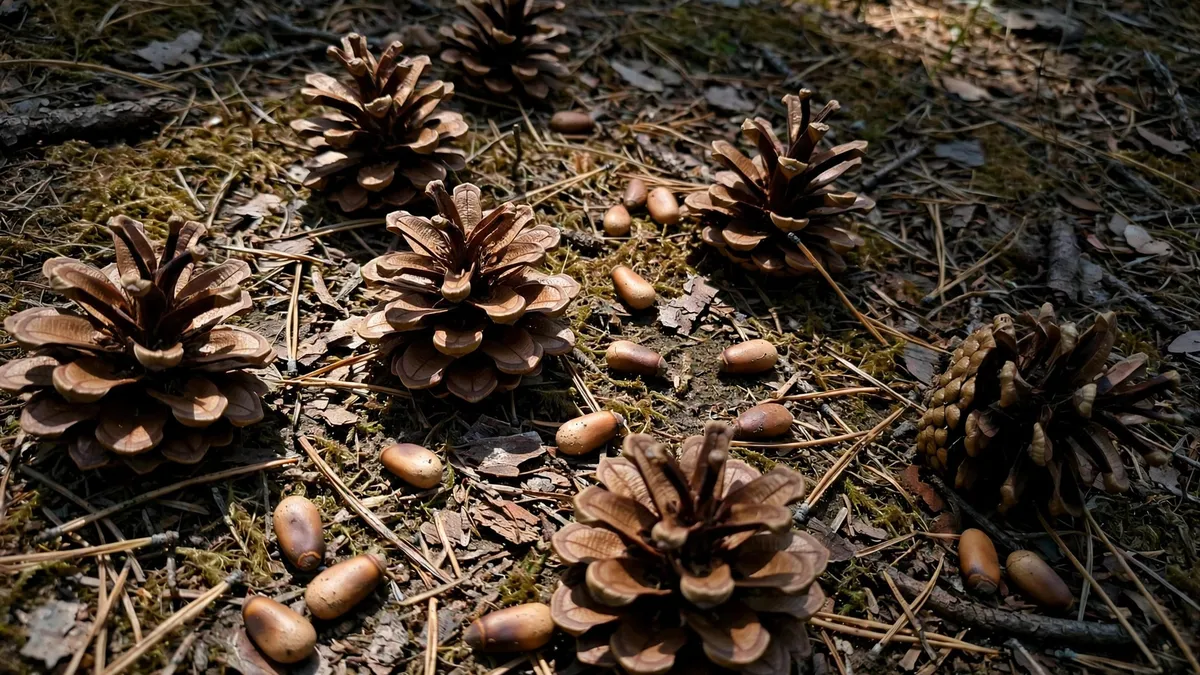
A pine nut retreat is a stay built around a tree that does not hurry. The stone pine takes fifteen to twenty years to bear, its cones take three years to ripen, and the nuts inside are shelled by hand, a few at a time, after the cones have dried in the sun. That slowness is the whole point of the trip, and it is also the reason the nuts cost what they do.
What makes these stays different from other farm retreats is the harvest itself. There is no orchard of neat rows to walk through with a basket. There are pine forests, some of them centuries old, where the cones are gathered from the ground or shaken from the branches, carried to a drying yard, and cracked open one by one. The work is quiet, dusty, and done mostly by hand, and guests who arrive at the right time get to see it happen.
Each of the nine below notes its strengths, its limits, and the traveller it suits best.
Key takeaways
- Pine nuts come from several different pines, so the tree, the season, and the flavour change with the region you choose.
- Travel in the cone season, roughly September to November in most regions, when the cones are gathered, dried, and cracked.
- Expect the nuts to be expensive, because one cone holds only a small handful and the shelling is done by hand.
- Book a stay that works with the people who harvest the nuts, because the crop is gathered, not simply grown.
- No one can promise you a heavy cone year, a dry week, or a particular tree, so treat any stay that does as a warning sign, not a selling point.
What a pine nut retreat really means
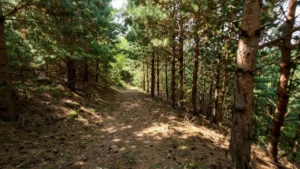
A pine nut retreat is a stay built around a working pine forest, not a working farm in the usual sense. The trees are often old, sometimes planted centuries ago for timber or shade, and the nut harvest is a small part of what the forest gives. Guests sleep in a lodge, a farmhouse, or a guesthouse inside or beside the forest, eat what the kitchen and the region provide, and spend their days walking the pine avenues, visiting the drying yard, and tasting the nuts fresh from the shell.
The stay is organised around that harvest. In the Mediterranean the stone pine cone is gathered in autumn, left to dry in the sun until it opens, and then the seeds are shaken out and shelled. In Korea and northeast China the Korean pine is harvested the same way, in the mountains. In Pakistan the chilgoza pine grows on steep slopes and its nuts are collected by hand. In the American Southwest the piñon is gathered from wild trees and roasted over a fire.
The nine stays below earned their place for the forest, not for the thread count. Each one is in a real pine nut region, works with the people who gather the nuts, and lets guests see at least one stage of the work. Prices below are guide nightly bands for a double room in 2027, and they move with the season.
How the nine stays earned their place
The tree came first. A stay only made the list if it sits inside a genuine pine nut region, works with harvesters or a cooperative that gathers the nuts, and lets guests see at least one stage of the work, from the cone on the ground to the shelled nut in the kitchen. A lodge near a pine forest you cannot enter did not qualify.
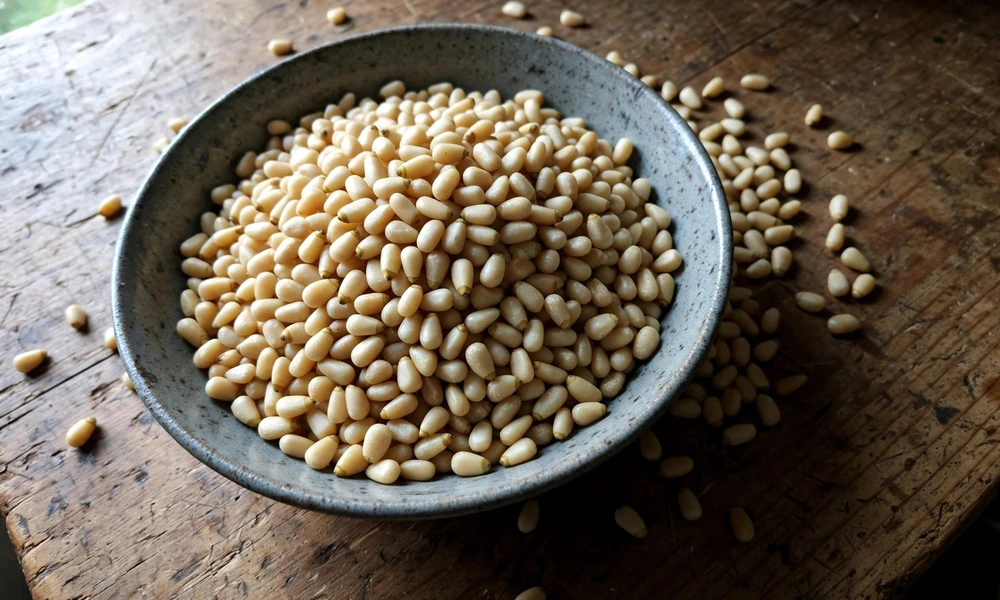
We then looked at the stay itself: a comfortable bed, food cooked on site, a host who knows the forest, and a price that matches what is offered. The cheapest stay here is a simple coastal lodge and the most expensive is a full-service ranch lodge, and both earn their place. If you like the idea of a nut that is gathered rather than farmed, our guide to luxury Brazil nut farm retreats covers a nut that is collected wild from the rainforest.
The 9 best luxury pine nut farm retreats of 2027
San Rossore, Tuscany, Italy
What we like: A coastal lodge inside the San Rossore estate, stone pines planted in long avenues, a host who has gathered cones since childhood, and pesto made with the estate’s own pinoli. What to consider: The cones ripen in autumn, the lodge is simple, and the marsh nearby brings mosquitoes in summer.
Best For: First-time pine nut travellers who want the sea and the forest together. Style: Coastal pine forest lodge. Price Range: $140–$190 per night. Standout Feature: Walking the stone pine avenues of the estate at dawn.
Liguria, Italy
What we like: A hillside agriturismo above the coast, terraced gardens, a kitchen that makes pesto from pine nuts gathered that week, and a host who knows every pine on the slope. What to consider: The lanes are steep, the rooms are few, and the harvest weeks fill quickly.
Best For: Food lovers who want pesto at its source. Style: Hillside agriturismo. Price Range: $200–$250 per night. Standout Feature: A pesto-making evening with pine nuts gathered that week.
Liguria is where pesto was born, and the agriturismo here keeps the pine nuts, the basil, and the olive oil within a few steps of the kitchen.
Huelva, Spain
What we like: A pine forest finca on the Atlantic coast, warm autumn air, and a drying yard where the cones are spread in the sun each morning. What to consider: The finca is quiet, the nearest town is a drive away, and the forest paths are sandy underfoot.
Best For: Couples who like slow forest days. Style: Pine forest finca. Price Range: $260–$310 per night. Standout Feature: Breakfast under stone pines while the cones dry in the yard.
Bergama, İzmir, Turkey
What we like: An Aegean stone farmhouse, pine forests on the hills behind it, and a drying terrace where the cones split open in the sun. What to consider: The farmhouse is old and full of character, the hills are steep, and the harvest weeks are short.
Best For: Travellers who want the Aegean pine harvest. Style: Aegean stone farmhouse. Price Range: $320–$370 per night. Standout Feature: Watching cones split open in the sun on the drying terrace.
Bcharré, Lebanon
What we like: A mountain guesthouse in the cedars’ country, stone pine groves on the slopes, and a kitchen that cooks with pine nuts in kibbeh and sweet pastries. What to consider: The roads are mountain roads, the guesthouse is small, and winter comes early at this height.
Best For: Travellers who want pine nuts in Lebanese cooking. Style: Mountain guesthouse. Price Range: $380–$430 per night. Standout Feature: A kitchen lesson in kibbeh and pine nut desserts.
Bcharré is Lebanon’s mountain heart, and the guesthouse here treats the pine nut as a pantry staple, not a garnish.
Jilin, China
What we like: A forest lodge in the Korean pine country of northeast China, tall straight pines, and a harvest crew that works the forest every autumn morning. What to consider: The lodge is remote, the autumn is cold, and the stay is best arranged through the lodge itself.
Best For: Adventurous travellers chasing the Korean pine harvest. Style: Forest lodge. Price Range: $440–$490 per night. Standout Feature: A morning in the Korean pine forest with the harvest crew.
Jilin’s Korean pine forests are some of the oldest pine nut country in Asia, and the lodge here sits at the edge of the trees with the forest pressing in on three sides.
Gangwon, South Korea
What we like: A mountain pension in the pine country of Gangwon, crisp autumn air, and a breakfast of jatjuk, pine nut porridge, made from nuts gathered the day before. What to consider: The pension is small, the rooms are few, and the mountain roads are slow in the rains.
Best For: Food lovers who want jatjuk at its source. Style: Mountain pension. Price Range: $500–$560 per night. Standout Feature: Pine nut porridge at breakfast, made from nuts gathered the day before.
Gangwon is Korea’s pine nut heartland, and the pension here keeps the harvest, the kitchen, and the forest within a short walk of each other.
Chitral, Pakistan
What we like: A chilgoza harvest camp in the Hindu Kush foothills, a working harvest, and nuts roasted warm beside the fire. What to consider: The camp is basic, the mountains are steep, and the stay is best arranged well in advance.
Best For: Travellers who want the rarest pine nut of all. Style: Chilgoza harvest camp. Price Range: $570–$630 per night. Standout Feature: Roasted chilgoza eaten warm beside the fire.
Santa Fe, New Mexico, USA
What we like: A piñon ranch lodge in the high desert, wide skies, and a kitchen that roasts piñon over an outdoor fire at dusk. What to consider: The lodge is a drive from town, and the desert is dry and bright at midday.
Best For: Travellers who want roasted piñon and desert light. Style: Piñon ranch lodge. Price Range: $640–$710 per night. Standout Feature: Roasted piñon nuts by an outdoor fire at dusk.
Santa Fe’s piñon country is the American Southwest at its most generous, and the lodge here sits on a ridge with the desert spread out below it.
Pine nut country, explained
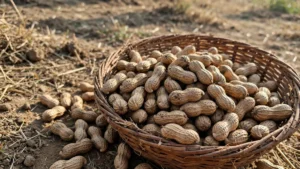
The pine nut is not one nut but several, and the difference matters. The Mediterranean stone pine, Pinus pinea, gives the long, pale pinoli used in pesto. The Korean pine, Pinus koraiensis, gives a shorter, richer nut harvested in northeast Asia. The chilgoza pine, Pinus gerardiana, gives a long, slender nut from the Himalayan foothills. The piñon pines of the American Southwest give a small, buttery nut that is usually roasted.
The harvest works the same way in every region, and it is slow. The cones take two to three years to ripen, then they are gathered, spread in the sun until they open, and the seeds are shaken out and shelled by hand. One cone holds only a small handful of nuts, and a good tree may give only a few kilos a year. That is why pine nuts are among the most expensive nuts in the world, and why a stay that lets you watch the work is worth more than a stay that only serves the nuts at dinner.
Harvest season runs with the autumn, roughly September to November in most regions, and it is the key to timing a visit. If you want to see the gathering, the drying, and the shelling, travel inside those months. Outside them the forest is still beautiful, but the work is trail clearing, pruning, and waiting, and the drying yard will be quiet. The same seasonal logic shapes other nut trips, and our guide to luxury cashew farm retreats plans around its own harvest in the same way.
The caveats that matter
A pine nut retreat is a forest first and a hotel second, and the caveats all follow from that. The work follows the seasons, the weather is part of the trip, and the forest controls neither. Any stay that guarantees a heavy cone year on a set date is either lucky or overselling. Read the booking terms, ask what is covered, and find out how far the lodge truly sits from the nearest town.
| Detail | What is known |
|---|---|
| Best time to visit | During cone season: roughly September to November in most pine nut regions |
| How long to stay | Three to four nights is enough to see the forest work and settle in |
| Getting there | Most lodges need a car or a lodge transfer, and the last stretch is often a forest track |
| What to pack | Sturdy closed shoes, layers, sun protection, rain gear, and clothes you do not mind getting dusty |
| Allergies | Tell the lodge about nut allergies before you book; pine nut dust and shells are present across the property |
| Pine mouth | Some pine nuts can leave a bitter, metallic taste for days; ask the lodge which species its nuts come from |
| What the price covers | Usually the room and breakfast, sometimes full board; activities and transfers are often extra |
| What it does not do | It does not guarantee a heavy cone year, dry weather, or a particular tree |
Allergies deserve a special note. Pine nut is a tree nut, and a pine forest in harvest season is full of nut dust, shells, and oil in the air during shelling. If anyone in your party has a nut allergy, tell the lodge before booking and ask plainly whether the stay is right for you.
Checklist: booking a pine nut farm retreat honestly
Use these checks before you pay, and again the week before you travel.
- Check your region’s cone dates and book within them to catch the work.
- Ask exactly what the nightly price covers, since meals, activities, and transfers are often billed apart.
- Check the journey: ask how long the last stretch takes and whether you need a car or a transfer.
- Make sure the room sits inside the forest, not in the nearest town.
- Check the cancellation terms, especially when the cone season can shift with the weather.
- Put allergies and food needs in writing to the lodge before you book.
Frequently asked questions
Which stay is the easiest first pine nut trip?
San Rossore in Tuscany or Liguria are the gentlest introductions on this list. Both have hosts used to first-time forest guests and paths that are easy to walk. Save the more remote stays, such as Chitral or Jilin, for a second trip.
Can children visit a pine nut farm?
Yes, for families with older children who can walk forest trails and follow safety rules around the drying yard. Younger children will enjoy the animals and the kitchen, but the forest is a working place with tools, dust, and sap. Ask the lodge which ages it welcomes.
When do pine nuts ripen?
It depends on the region, but the main cone season is roughly September to November in most pine nut country. The cones ripen over several weeks, so even inside the season the forest changes day by day.
Is a pine nut retreat a good couples trip?
They can be, in a quiet, unpolished way. A farmhouse in the forest, dinner under the pines, and a morning walk before anyone else is awake suits couples who like slow days. If quiet forest days sound too slow, a resort will suit you better; our guide to luxury pistachio farm retreats makes the same distinction between farm stays and resorts.
What will a pine nut stay cost each night?
On this list, from around $140 a night for a simple coastal lodge to around $710 for a full-service ranch lodge. Most stays fall between $260 and $560, and the price usually covers the room and breakfast, so check what is included before you compare two stays.
How early do I need to reserve a pine nut stay?
For cone season, two to three months ahead is sensible, because the small forest stays on this list have few rooms and the harvest is the busiest time. Outside the season, a few weeks’ notice is usually enough. If you are travelling for one particular harvest week, ring the lodge the week before you go, because the season can shift.
The bottom line
The best pine nut farm retreat in 2027 is not the most expensive or the most polished. It is the one in a real pine nut region, at cone time, with a room in the forest itself and a host who knows the trees. San Rossore and Liguria are the easiest places to start, Chitral and Jilin are the most rewarding for travellers who want the real harvest, and Santa Fe is the best for a group that wants to share the fire.
Choose one region, travel inside its cone season, pack sturdy shoes and patience, and let the forest set the pace. That is the honest way to see how a pine nut gets from a forest tree to a table, and it is an experience no packet of nuts will ever give you.