A pine nut escape is planned backwards, and that is what makes it different from a hotel break. You start with the cones, not the room. The forest decides when the work happens, the weather decides whether the cones open, and the lodge simply gives you a bed inside that rhythm. Once you accept that order, the rest of the planning falls into place.
The trick is to choose the tree before you choose the place. A stone pine in Tuscany ripens in a different month from a piñon in New Mexico, and a chilgoza in Pakistan tastes nothing like a Korean pine in Jilin. Pick the nut you want to taste, find the month its cones are gathered, and only then look for a bed. The nine steps below follow that order, from the first decision to the last morning of the trip, and each one pairs the move to make with the mistake to avoid.
Key takeaways
- Let the cone season pick your dates, because a pine forest between seasons is a quiet forest, not a working one.
- Pick a stay that works with the harvesters, not a lodge beside a forest you cannot walk in.
- Sleep on the land itself, because the dawn walk and the drying yard happen before and after the day visitors leave.
- Work out the last stretch of the journey before you pay for anything, because the final road to a forest lodge is usually the hardest part.
- No stay can promise a heavy cone year, a dry week, or one particular tree, and a lodge that does is selling a brochure, not a forest.
What a pine nut escape looks like
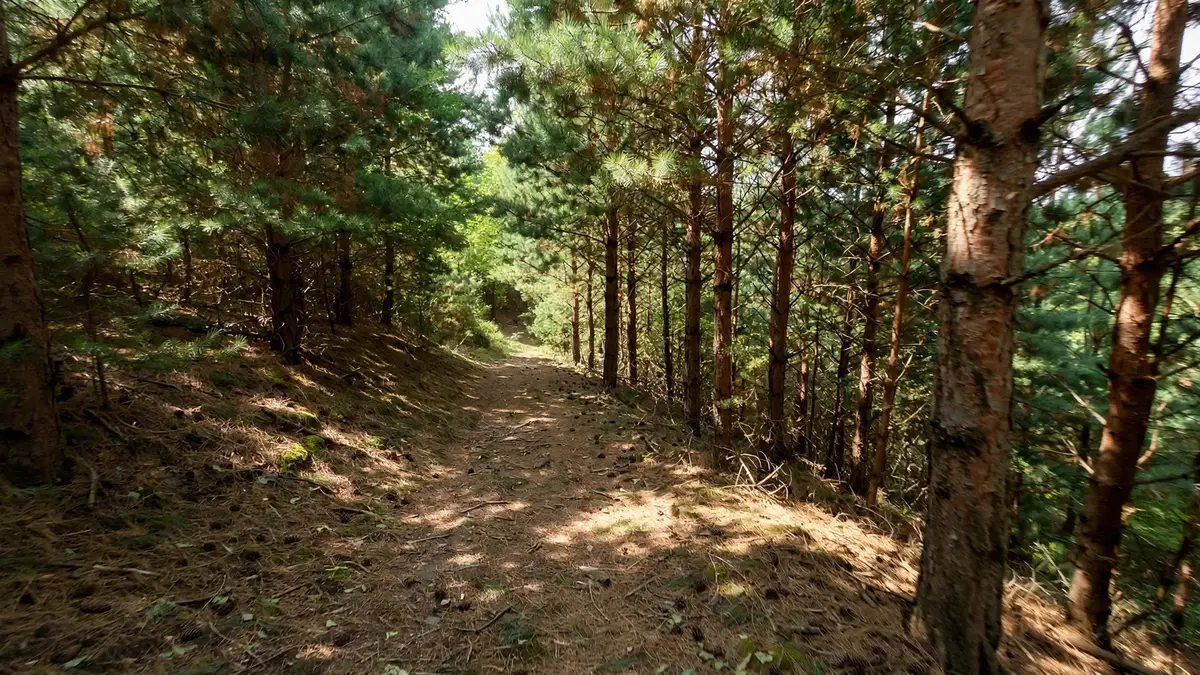
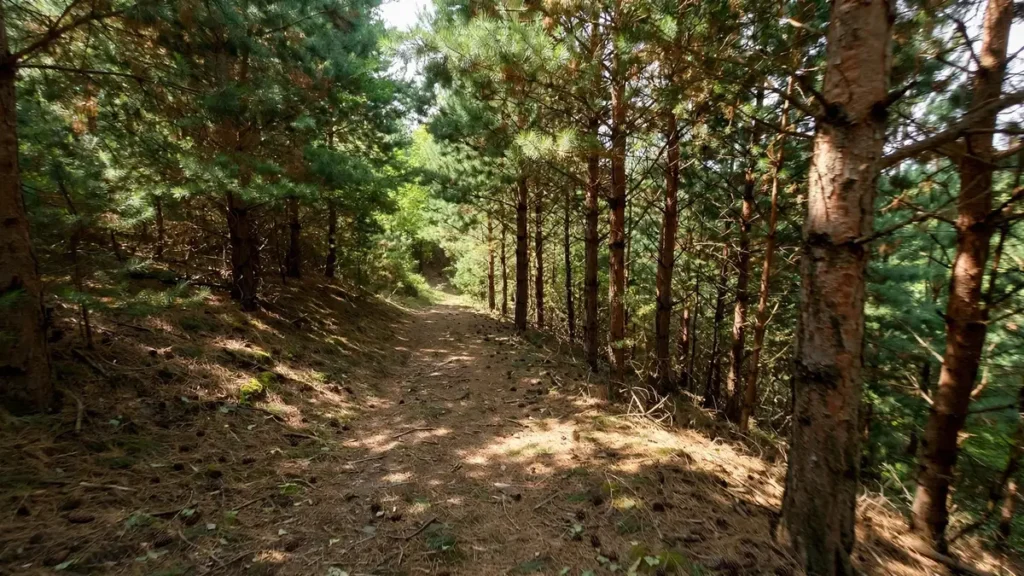
Picture three or four nights in a lodge or farmhouse tucked inside a pine forest. You wake to birdsong, walk the pine avenues while the air is still cool, watch the cones being spread in the drying yard, eat lunch cooked in the lodge kitchen, and leave the afternoon deliberately empty. Nobody hands you a timetable at check-in. The forest sets the day, and you fit around it.
That looseness catches resort travellers by surprise. The harvesters do not wait for guests, the cones do not open on request, and the kitchen cooks what the region gives. You are a guest inside a working rhythm, not the reason for it, and the trip is better once you stop trying to fill every hour.
The steps below are written for travellers who want the forest itself, not a forest view from a hotel window. They favour the plain choices: a genuine working forest, a room on the land, a transfer arranged in advance, and one day left entirely open.
The plan in five moves
Here is the whole plan in short, before the detail. First, choose your month, then match it to a pine whose cones are ripening then. Second, find a stay in that region that works with harvesters and keeps its guests in rooms on the land. Third, work out the journey and arrange a car or a lodge transfer. Fourth, book the room, put allergies and food needs in writing, and read the cancellation terms. Fifth, pack sturdy shoes, rain gear, and sun protection, and keep one day completely free.

Do those five things and the trip largely takes care of itself. The lodge will explain what is happening when you arrive, the kitchen will feed you, and the forest will offer a walk every morning. The same five moves work for other crops too, and our guide to planning a Brazil nut farm escape begins from the harvest in the same way.
The nine steps that follow add the detail, in the order you will need it.
The 9 steps to a pine nut escape
Book inside the cone months, not around them
What to do: Settle your travel month first, then find the pine regions whose cones are ripening in that month, and only then look at rooms. What to avoid: Falling for a beautiful lodge photograph and arriving to find the forest between seasons.
Best For: First-time forest travellers. Time Needed: An evening of research. Standout Tip: Note the cone months for three regions before looking at a single room.
The room is the simplest part of a forest escape to choose, and the least important. A lovely farmhouse in a quiet forest in the wrong month is still a quiet forest, while a plain room in a busy forest at cone time is a trip you will remember.
Choose your pine before you choose your map
What to do: Decide whether you want stone pine, Korean pine, chilgoza, or piñon, and let that choice narrow the map. What to avoid: Booking a pine forest stay without knowing which nut it grows, and finding the wrong flavour at dinner.
Best For: Travellers who care about the food. Time Needed: An hour of reading about the four main pines. Standout Tip: Ask the lodge which species grows on its land, and what it tastes like fresh.
Every pine nut tastes different, and the tree is the reason. A stone pine nut is pale and delicate, a Korean pine nut is rich, a chilgoza is long and slender, and a piñon is small and buttery. Choose the flavour first and the place follows.
Stay where the cones are dried, not where the postcards are
What to do: Ask for a room on the land itself, as close to the drying yard and the shelling table as the lodge allows. What to avoid: A room in the nearest town, which makes every forest morning a drive.
Best For: Early risers. Time Needed: A single question at booking. Standout Tip: The room nearest the drying yard is also the room with the best smell in the morning.
The forest is where the escape happens in truth, and being inside it is worth the effort. The harvesters leave at dawn, and the smell of the drying cones drifts across the clearing by afternoon.
Ask how the cones are opened
What to do: Find out which stages of the work happen on the land and who does them. What to avoid: Assuming that a lodge shells nuts just because it has pine trees.
Best For: Curious travellers who like to see how things work. Time Needed: Half an hour exchanging messages with the host. Standout Tip: Ask to see the drying yard, not the swimming pool.
Many lodges grow nothing and shell nothing, which is a perfectly good way to run a lodge, but it means there is little forest work for a guest to see. The best stays work with harvesters, and the host can tell you who they are and when they work.
Work out the last stretch first, then book
What to do: Work out exactly how you get from the nearest town to the lodge, and arrange the car or transfer before you book the room. What to avoid: Arriving at a bus stop with luggage and no plan.
Best For: Travellers coming by train or bus. Time Needed: An hour of planning. Standout Tip: Ask the lodge for the name of a driver it trusts, and use that driver.
The final stretch is the part of a forest escape that most often goes wrong. Airports and towns are easy, but the last road is often a forest track with no timetable and no taxis. Arrange it first, in writing, with the lodge, and the rest of the journey becomes simple.
Pack clothes that can meet sap and dust
What to do: Pack sturdy closed shoes, light layers for cool mornings, sun protection, rain gear, and clothes you do not mind getting dusty. What to avoid: White linen, open sandals, and anything you would be upset to stain with pine sap.
Best For: Anyone walking the trails. Time Needed: One packing session. Standout Tip: Pack a light rain layer even in the dry months, since forest weather changes fast.
A pine forest is a working landscape, and it will mark your clothes. The ground is dusty, the trees drop cones and sap, and the rain arrives without warning.
Taste the nut the day it is shelled
What to do: Taste the fresh nuts the lodge offers, and enjoy one small handful. What to avoid: Eating pine nuts by the bowlful, when a small handful is already rich and filling.
Best For: Food lovers. Time Needed: One meal. Standout Tip: Taste the nut the day it is shelled, because it is at its sweetest then.
Most visitors have tasted the nut and never stood under the tree, which is a shame. The fresh nut is sweet, resinous, and rich, and one small handful is enough to understand it.
Buy the shelled nuts from the harvesters
What to do: Leave one morning free to buy what the harvesters sell, with the lodge’s guidance, and take a small bag home. What to avoid: Packing every day with lodge activities and never seeing the trade the forest relies on.
Best For: Travellers who like meeting the people behind the crop. Time Needed: A morning. Standout Tip: Go early, when the shelling table is busiest and the nuts are freshest.
A pine forest does not exist in isolation. It feeds the harvesters, the cooperative, and the town, and the market stall is where that relationship is visible.
Get the moved-season refund answer on paper
What to do: Read the cancellation and refund terms before you pay, and ask what happens if the cone season moves. What to avoid: Assuming a lodge will refund a cone-timed booking just because the season moved.
Best For: Anyone booking for a single harvest week. Time Needed: Twenty minutes going over the booking terms. Standout Tip: Get the season-refund answer in writing before paying, not after.
Cone dates move with the weather, and a lodge cannot control the rain. Some lodges will shift your dates free of charge, some will offer a credit, and some will keep the payment, and each is fair if you knew before you paid.
When pine nuts are harvested
Timing is the single most useful thing to know before you plan a pine nut escape, and it is also the most variable. The main cone season runs from September into November in most pine nut regions, and the exact weeks move with the weather, so the only way to be sure is to ask the lodge.
The harvest itself stretches over weeks rather than days, because the cones do not all ripen at once. Harvesters walk the forest each morning, gathering the fallen cones and shaking the ripe ones from the branches, and the work repeats day after day until the season ends. That rhythm is good news for a traveller, because it means there is no single harvest day to miss, and a stay of three or four nights inside the season will almost always catch the gathering, the drying, and the shelling.
Outside cone season, the forest is still worth visiting, but for different reasons. The trails are cleared, young trees are marked, and the forest is quieter, which suits travellers who want the landscape without the work. What you will not see is the drying yard in full swing or the shelling table at its busiest. The season shapes every farm trip, and our guide to planning a macadamia farm escape works around its own harvest the same way.
The caveats that matter
A pine nut escape is a forest stay, and the caveats are the ones that apply to any working forest. The weather matters, the cone season moves, the roads can be rough, and the lodge cannot promise what it does not control.
| Detail | What is known |
|---|---|
| Best time to travel | Inside the cone season: roughly September to November in most pine nut regions |
| How long to stay | Three to four nights is enough to see the forest work and settle in |
| Getting to the lodge | Most lodges need a car or lodge transfer, and the last stretch is often a forest track with no timetable |
| What to pack | Sturdy closed shoes, layers, sun protection, a rain layer, and clothes you do not mind getting dusty |
| Allergies | Tell the lodge about nut allergies before you book; pine nut dust and shells are present across the property |
| Pine mouth | Some pine nuts can leave a bitter, metallic taste for days; ask the lodge which species its nuts come from |
| Booking terms | Read the cancellation and season-refund terms before you pay, and get the answer in writing |
| What it does not do | It does not guarantee a heavy cone year, dry weather, or a particular tree |
One warning matters more than the rest. A pine forest in harvest season is full of dust, shells, and oil in the air while the nuts are being shelled, and pine nut is a tree nut, so anyone with a nut allergy should talk to the lodge before booking. Some lodges can manage it, while others will say plainly the stay is not right for you, and that plain answer is worth more than a polite yes.
Checklist: planning your pine nut escape
Use these checks before you book, and again the week before you travel.
- Check your region’s cone months and travel within them to catch the work.
- Check the lodge works with harvesters or a cooperative, and ask which stages guests can watch.
- Check the last leg and book a car or lodge transfer before you book the room.
- Check the room sits in the forest, not in the nearest town.
- Read the cancellation and season-refund terms, and keep the answer in writing.
- Tell the lodge about allergies and food needs before you book.
Frequently asked questions
When do pine nuts ripen?
It depends where the trees grow, but the main cone season is roughly September to November in most pine nut regions. The cones ripen over several weeks, so a stay of three or four nights inside the season will usually catch the gathering and the drying.
Can I reach a pine forest stay without a car?
Often yes, but only if you plan ahead. Most lodges can send a car or a driver to the nearest town or airport. What rarely works is arriving at a bus stop and hoping for a lift, because the last stretch is usually a forest track with no passing traffic.
Can I bring children to a pine nut farm?
For older children who can walk forest trails and follow safety rules around the drying yard, yes. Younger children will love the animals and the kitchen, but the forest is a working place, full of tools, dust, and sap. Ask the lodge which ages it welcomes, and book only if yours fit.
How many nights make a good pine nut stay?
Three or four nights suits most travellers. One night is too short to settle into the forest’s pace, and a week is long unless the work genuinely interests you. Four nights gives you the dawn walk, the drying yard, and a market morning.
What should I pack for a pine forest stay?
Sturdy closed shoes, light layers for cool mornings, sun protection, and a light rain layer, plus clothes you do not mind getting dusty or marked with sap. Leave the white linen and open sandals at home, and bring small cash for the market stall. For another crop, our guide to planning a pistachio farm escape lists a similar kit, without the rain gear.
Will the farm let me join the cone gathering?
Sometimes, and it depends on the lodge. Some lodges welcome guests to gather fallen cones and help sort the nuts, and some keep guests out of the work for safety reasons. Ask before you arrive, and if the lodge says yes, follow the harvesters’ instructions exactly.
The bottom line
A good pine nut escape is planned backwards from the cone season. Choose the month, match it to a pine, find a stay that works with the harvesters, sleep in the forest, sort the last road, and leave a day open. That order is the whole plan.
Begin with the nut, not the room, and the forest will take care of the rest. The trails will give you a morning walk, the drying yard will give you the smell of warm pine, and the kitchen will give you a meal you could not get anywhere else. That is what a pine nut escape is for, and it is worth planning properly.