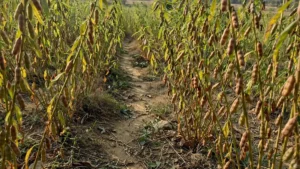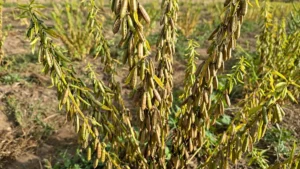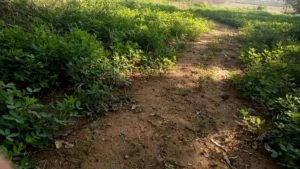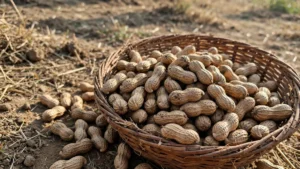
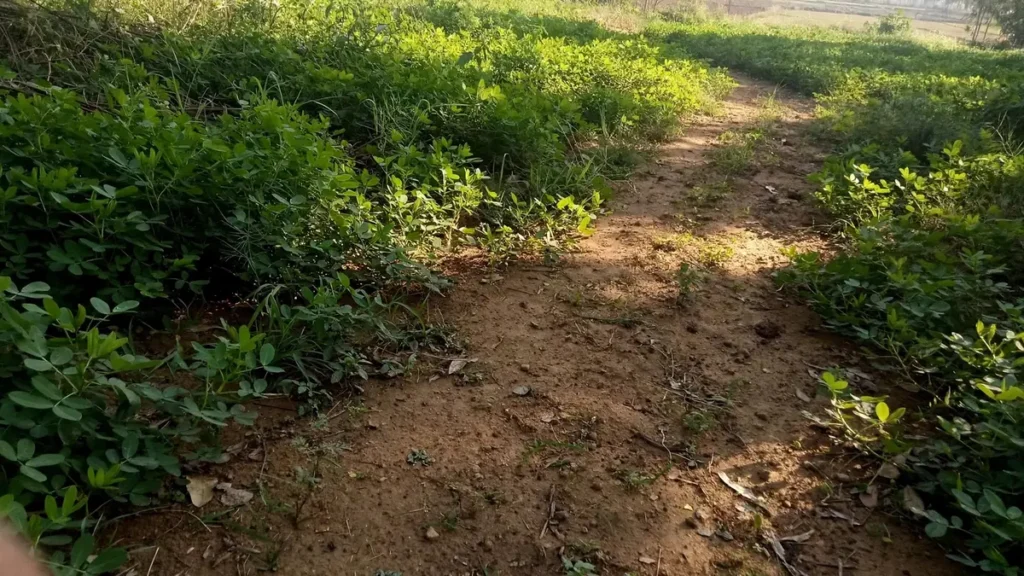
A peanut farm escape is not a holiday you can plan the way you plan a beach break. The crop decides the dates, the farm decides the work, and the weather decides whether the digging happens on Tuesday or Friday. That sounds like a drawback, and it is the reason most people never book one. It is also why the stays that work feel so different: you arrive on the farm’s terms, and the farm rewards you with a harvest you helped to bring in.
The planning itself is straightforward once you accept that the digging season comes first. Everything else — flights, rooms, transfers, packing — hangs off the week the farm digs. Get that week right and the rest of the trip falls into place. Get it wrong and you will spend your stay looking at green plants in the ground and eating peanuts somebody else harvested last year.
This guide walks through the nine steps that make a peanut farm escape work, from finding the digging dates to buying oil on the last day. Follow them in order, and you will arrive at the right farm, in the right week, with a spare day to spare.
Key takeaways
- The digging dates come first: every other booking hangs off the week the farm lifts its crop.
- Northern hemisphere digging runs from late summer into autumn, and the exact weeks move with the rain.
- Read the inclusion list in writing before you pay, and sort transfers before you book flights.
- Pack closed shoes, a hat and clothes you are happy to ruin, and plan a light first afternoon.
- Peanut allergy is a hard no for these stays, and no farm can make its fields or kitchen safe for an allergic guest.
What a peanut farm escape involves
A peanut farm escape is a short trip built around the groundnut harvest. You stay on or beside a working peanut farm, join the digging and the shelling, eat meals cooked from the crop, and learn how a peanut goes from a plant in the ground to oil, butter and stew. The days are physical in the morning and slow in the afternoon.
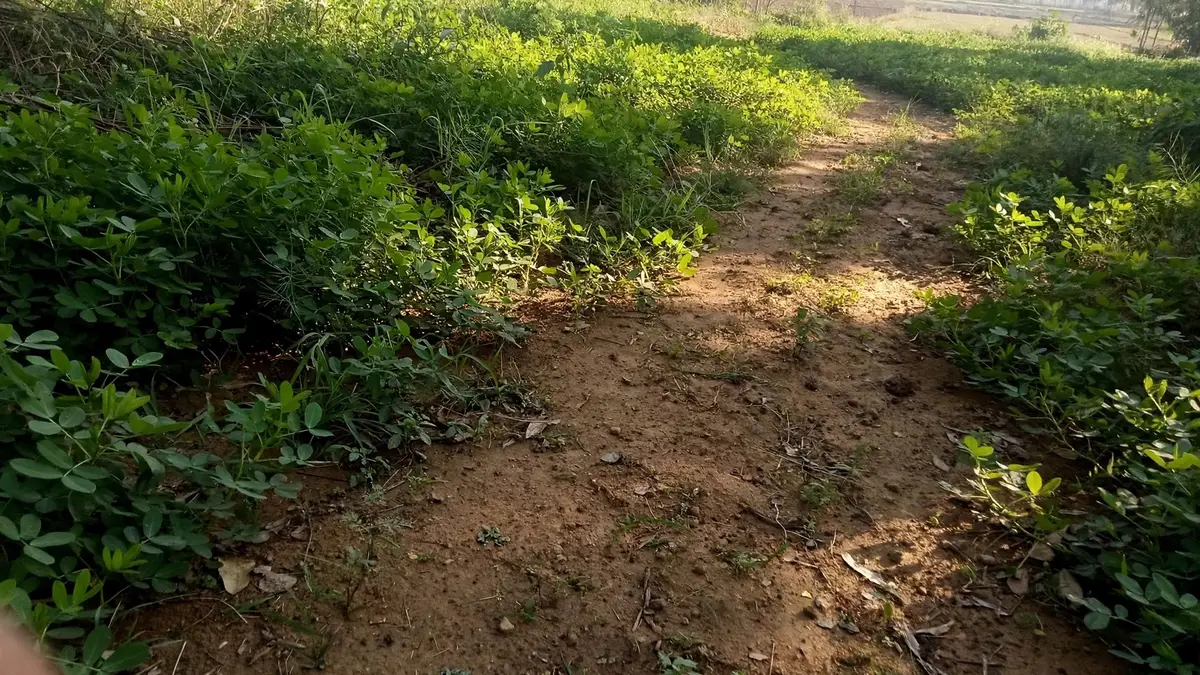
The crop sets the shape of the trip. Peanuts flower above the soil and form their pods underground, so the harvest is a dig: plants are lifted, pods are shaken free, and the harvest is dried in windrows before curing. A stay that offers all four stages is a genuine peanut farm escape. A stay that offers a tour and a tasting is a pleasant rural break, but not the same trip.
The planning is different from other farm holidays for the same reason. Our guide to planning a pine nut farm escape is about forest walks and long seasons, while a peanut escape is about a single digging week that moves with the weather. The cashew escape in our cashew farm escape guide is closer in spirit, but cashews are picked from trees over months, and peanuts are dug in days, so the timing pressure on a peanut trip is much sharper.
How to plan it and what to look for
Start with the farm, not the flight. A good peanut farm stay will publish its digging window, name the variety in the ground, and answer questions about the harvest honestly. Look for a farm that grows groundnuts at scale, lets guests join the digging, and cooks with its own crop.

Look next at what the price actually covers. Breakfast and at least one farm activity should be included, and the farm should list them in writing. Transfers are the usual surprise: many peanut farms sit an hour or more from the nearest town. Ask for the full list before you pay, and compare stays on what is included, not on the headline nightly rate.
Finally, look at the room with farm-stay eyes. You want a clean room, a proper bed, good water pressure and a quiet night. You do not need a spa, a pool or a minibar, and a farm that spends its money on those things is often spending less on the farming. The pecan escape in our pecan farm escape guide makes the same point, and it holds doubly for peanuts, where the work is muddier and the rooms should be simpler.
The 9 steps to plan a peanut farm escape
Lock in the digging week before spending a cent
What to do: Email the farm and ask for its digging window in writing, then check the dates against the variety it grows and the rain that season. What to avoid: Booking flights first and hoping the harvest lines up, because it rarely does. Best for: Every traveller, on every peanut trip. Time needed: One afternoon of emails. Standout tip: Ask for the digging dates and the curing week, not just the harvest month.
The digging week is the whole trip. A farm that digs in late September will have green plants in August and empty rows in November. Get the dates in writing, ask what happens if the rain pushes them back, and only then look at flights.
Let the cooking decide which region you pick
What to do: Choose Virginia or Alabama for boiled peanuts and an easy first trip, Senegal or Gujarat for groundnut cooking, and Córdoba for a ranch stay with riding. What to avoid: Choosing by the prettiest photo and discovering the farm grows a different crop. Best for: Travellers deciding between the nine regions in our roundup. Time needed: An evening of reading. Standout tip: Match the region to the food you want to eat, not the flight that is cheapest.
Every peanut region cooks its crop differently. Virginia boils, Alabama presses and grinds, Senegal stews, Gujarat presses oil, and Córdoba pairs the harvest with an asado. Read the farm’s menu before its room photos, and the right region will pick itself.
Read the inclusion list line by line
What to do: Ask for a written list of what the nightly rate covers: breakfast, farm activities, meals, transfers, and any cooking sessions. What to avoid: Assuming a farm activity is included because it appears in the photos. Best for: Anyone comparing two farms at different prices. Time needed: Half an hour per farm. Standout tip: Compare stays on the included list, not the headline rate.
Two farms can charge the same nightly rate and offer very different trips. One includes breakfast, digging, shelling and a farm dinner, while the other includes breakfast and a tour. The written list is the only fair comparison.
Arrive at the farm gate without a scramble
What to do: Ask how far the farm is from the nearest town and airport, whether it offers transfers, and what a local taxi costs. What to avoid: Arriving at a rural station with no onward transport and no phone signal. Best for: Travellers heading to remote farms in Oklahoma, Mali or Zambia. Time needed: One hour of planning. Standout tip: Book the farm’s own transfer when it offers one, even if it costs more.
Peanut farms are rural, and the last stretch is usually the hardest. A farm transfer costs more than a local taxi but it arrives, it knows the track, and it will wait if your flight is late. For the remote stays here, that reliability is worth more than the saving.
Dress like you will be digging
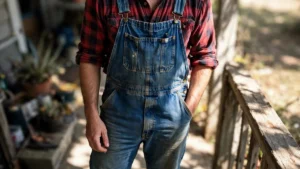
What to do: Pack closed shoes with grip, a wide hat, sun cream, a water bottle, and two sets of field clothes you do not mind ruining. What to avoid: Bringing white trainers, open sandals, or a single good outfit for the whole stay. Best for: Anyone whose first farm stay this is. Time needed: An evening of packing. Standout tip: Pack the field clothes in a separate bag so the dust never reaches your clean clothes.
Digging is dusty work in the sun, and the soil gets into everything. Closed shoes matter because the rows are uneven, and a hat matters because there is no shade in a peanut field. Pack as if you are going to work in a field, because you are.
Be in the field when the first plants come up
What to do: Arrive the evening before, sleep well, and be in the field when the digging starts, usually just after sunrise. What to avoid: Arriving at midday and spending your first day watching other people work. Best for: Travellers on a short two or three night stay. Time needed: One early morning. Standout tip: Ask the host the night before what time the diggers start, and set two alarms.
The dig is the heart of the trip, and it happens early, before the heat. Arrive the night before, eat with the host, and be there when the first plants come up. A morning in the field teaches you more about peanuts than a week of reading.
Keep the hot hours for the shelling table
What to do: Use the hot hours for shelling by hand, roasting, pressing oil, and cooking with the host. What to avoid: Trying to dig through the midday heat, which is miserable and slow. Best for: Anyone who wants the food side of the trip as much as the field side. Time needed: Two or three afternoons. Standout tip: Learn one dish properly, such as groundnut stew or peanut chutney, and cook it yourself.
Afternoons on a peanut farm belong in the shade. Shelling is rhythmic and sociable, roasting is quick, and cooking is where the crop turns into a meal. Learn one dish properly, and you will take home a skill, not just a photograph.
Shop for oil and peanuts on day two
What to do: Buy roasted peanuts, fresh oil and ground butter on the second day, and ask the farm to vacuum-pack pods for travel. What to avoid: Leaving it to the morning you leave, when the farm shop may be closed. Best for: Travellers who want to cook with the crop at home. Time needed: Half an hour. Standout tip: Buy the oil the farm pressed that week, not a bottle from last season.
Farm shops run on farm hours, and the last morning is the worst time to shop. Buy on the second day, while the pressing is fresh. Check your destination’s food import rules first, and ask the farm to vacuum-pack pods.
Leave a buffer day after the farm
What to do: Add one spare day after the stay, in the nearest town, before your flight home. What to avoid: Booking a flight for the morning after the harvest, when you will be tired and dusty. Best for: Travellers flying home from a remote farm. Time needed: One extra night. Standout tip: Use the buffer day to wash, rest, and eat a meal somebody else cooked.
A harvest day is real work, and the morning after it is not a good time to catch a flight. A buffer day in the nearest town lets you wash the dust off and sleep properly. It is the cheapest insurance on the whole itinerary.
Picking the right season and region
The northern hemisphere harvest runs from late summer into autumn, and that is the window for Virginia, Alabama, Oklahoma, Senegal, Mali, Gujarat and Córdoba in the southern hemisphere’s opposite season. The exact weeks move with the rain, so ask for this year’s dates, not last year’s, and build the trip around the answer.
Season matters for comfort as well as for the crop. Summer in Gujarat and the southern United States is extremely hot, and the best months are the cooler ones after the harvest begins. Senegal and Mali are best after the rains, while Malawi and Zambia suit the dry season, when the roads are passable.
Region and season together decide the food you will eat. A September stay in Virginia means boiled peanuts, an October stay in Alabama means fresh butter and oil, and a February stay in Gujarat means oil pressed that week and chutney made that morning. Choose the season that gives you the food you want, and the farm will do the rest.
The caveats that matter
Peanut allergy is the hard limit on this trip, and it is worth repeating plainly. Peanut farms grow, dry, shell, roast and cook peanuts in the open air. The dust is in the air, the oil is in the kitchen, and no cleaning routine changes that. If you or anyone travelling with you has a peanut allergy, do not book a peanut farm stay. There is no safe version of this trip for an allergic guest.
| Detail | What is known |
|---|---|
| First step | Get the digging dates in writing from the farm before booking anything else |
| Best booking window | Two to three months ahead for harvest weeks; the best farms sell out first |
| Ideal trip length | Three to four nights, with one buffer day after the farm |
| How physical it is | Digging is real work; shelling, roasting and cooking are light |
| What to pack | Closed shoes, a hat, sun cream, a water bottle, and field clothes you can ruin |
| Biggest extra cost | Transfers from the nearest town or airport, often charged separately |
| Who should not go | Anyone with a peanut allergy, and anyone who cannot walk uneven field rows |
| What to buy | Roasted peanuts, fresh oil and ground butter, bought before the last day |
Weather is the other honest caveat. Rain can push the digging back by days, and a hot spell can make the field work harder than you expected. That is what the buffer day is for, and why the digging dates should be confirmed twice.
Checklist: before you book a peanut farm escape
Use these checks in order.
- Get the digging dates in writing, and confirm them again the week before you travel.
- Read the inclusion list: breakfast, farm activities, meals, transfers, and cooking sessions.
- Sort transport from the nearest town or airport, and book the farm transfer when it is offered.
- Pack closed shoes, a hat, sun cream, a water bottle, and a spare set of field clothes.
- Tell the farm about dietary needs and fitness limits in advance, but never ask for a peanut-free stay.
- Leave one buffer day after the farm, in the nearest town, before your flight home.
Frequently asked questions
How far ahead should I book a peanut farm escape?
Two to three months ahead for harvest weeks, which are the busiest and the best. The digging dates are fixed, so late booking usually means a different farm or a different week.
What if the rain pushes the digging back?
Ask the farm what happens when the dates move. Most farms will shift your stay by a day or two, or move you to shelling and cooking while the fields dry.
Can I visit a peanut farm outside harvest season?
Yes, but it is a different trip. You will see the farm, meet the hosts and eat well, but there will be no digging. If the harvest matters, book inside the digging window.
Will I manage if I only speak English?
Yes, on the farms in this guide, which host international guests. In Senegal, Mali and Argentina, a few local words are appreciated, and the host will usually translate the farming explanations.
Is a peanut farm escape suitable for children?
Shelling, roasting and cooking suit children well, and most farms welcome families. Digging is heavier, so check with the farm which jobs fit your children’s ages.
How much should I budget for a peanut farm escape?
Stays run from about $85 a night in Virginia to about $640 a night at the Córdoba finca, plus transfers and flights. A three-night stay usually costs between $400 and $2,000 before flights.
The bottom line
A peanut farm escape works when the digging dates come first and everything else follows. Get the harvest week in writing, pick the region by the food, read the inclusion list, sort the transport, and pack for dust and heat.
Arrive the evening before the dig, be in the field at sunrise, spend the afternoon shelling and cooking, and leave a buffer day after the farm. Do that, and the trip gives you what no ordinary holiday can: a crop you helped to dig, a dish you learned to cook, and a jar of oil pressed in the week you were there.