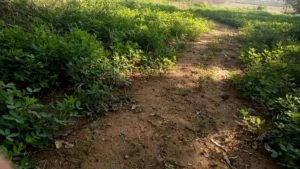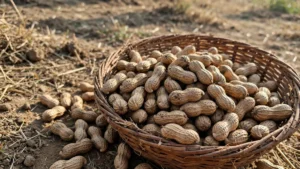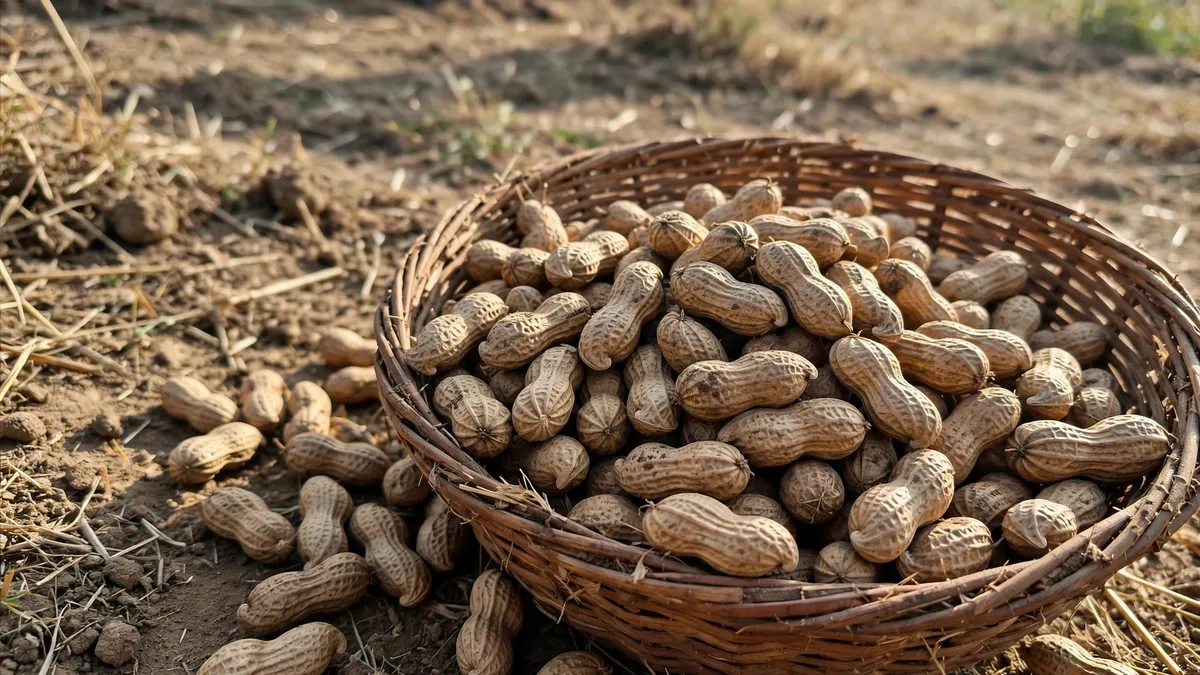
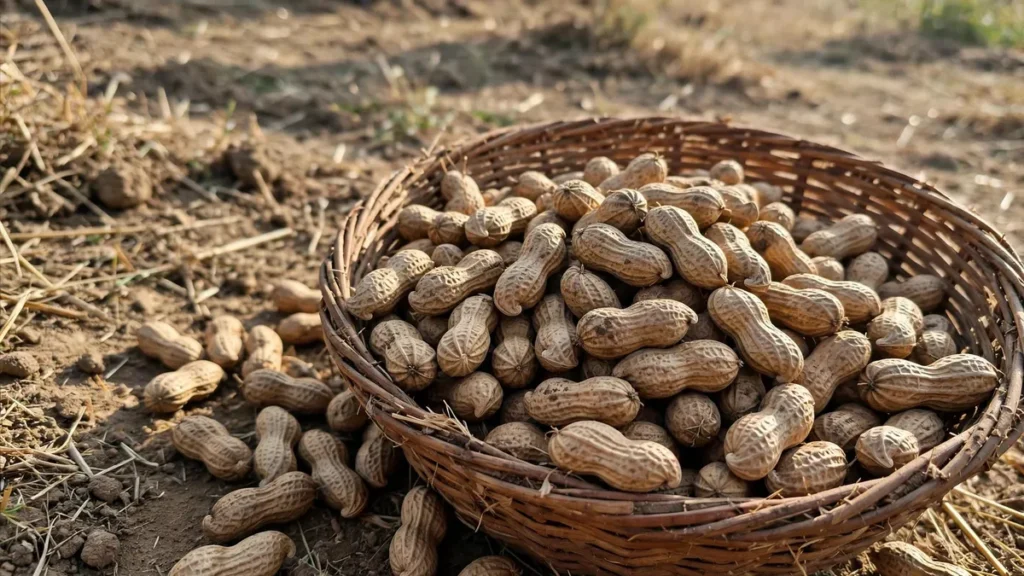
Peanuts grow underground, which is exactly why a peanut farm stay feels different from any other farm holiday. You cannot see the crop from the farmhouse porch. You have to walk the rows and shake the soil off the pods yourself to understand what the farm actually does.
The best of these stays put you in the middle of the harvest rather than on its edge. You sleep in a converted barn or a farmhouse room, eat peanuts boiled, roasted, pressed into oil or ground into butter that morning, and spend your days with the people who grow them. The pace is slow, the work is real, and the food is the freshest version of a crop most travellers have only ever met in a jar.
Below are nine peanut farm retreats worth considering in 2027, from a working farm in Virginia to a groundnut estate in Senegal and a family finca in Córdoba. Each one is described by its strengths, its drawbacks, and the traveller it suits best.
Key takeaways
- A peanut farm retreat is a working-farm stay built around the groundnut harvest, not a country hotel with a field view.
- Harvest timing matters more than anything else: most digging happens in late summer and autumn, and the exact weeks move with the rain.
- Boiled peanuts, fresh peanut oil and morning-ground butter are the foods that show whether a stay is genuinely farm-led.
- Book a stay that lets you join the digging and the shelling, and check what is actually included before you pay.
- Peanut allergy is the hard limit here: no farm stay in this guide can make its kitchen safe for someone with one.
What a peanut farm retreat actually is
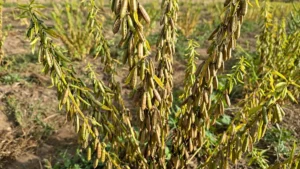
A peanut farm retreat is a stay on a working groundnut farm where guests take part in the harvest and eat from it. The peanut, or groundnut, is a legume that flowers above the soil and then pushes its pegs down to form pods underground, so the harvest is a dig, not a pick. A stay built around that process will have a digging day, a curing shed, a shelling table, and a kitchen that cooks with the crop. Without those, it is a rural stay with a peanut theme.
The rhythm of the stay follows the crop. Mornings start early, because digging happens before the heat. The plants are lifted, the pods are shaken free, and the harvest dries in windrows before curing. Afternoons are slower: shelling by hand, pressing oil, roasting, and cooking. Evenings are usually communal, with a meal built around the day’s work and a host who can explain why this year’s pods are small or why the rain came a week late.
That working rhythm is also what makes these stays different from the nut-farm retreats we have covered elsewhere. Our guide to the pine nut farm retreats of 2027 is about forest gathering and long-lived trees, while a peanut stay is about a single-season annual crop and a harvest you can join in a single afternoon. The cashew stays in our cashew farm retreats guide share the hands-on feel, but cashews grow on trees and peanuts grow in the soil.
How we chose these stays and what to look for
We looked first at whether the farm actually grows peanuts at scale. A stay qualifies here only if groundnuts are a real crop on the property, not a garden patch or a bought-in ingredient. The best stays grow several acres at least, and the host can tell you the variety in the ground and the expected digging week. If a host cannot answer those questions, the farm is a backdrop.
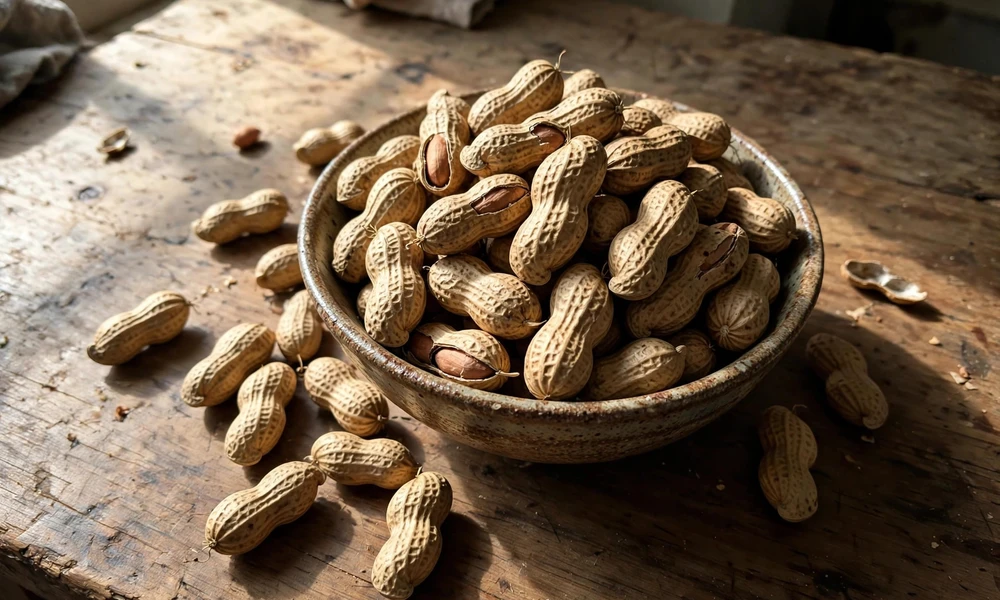
We looked next at how much of the harvest guests can join. Digging, shaking, curing and shelling are the four jobs that make a peanut stay worth the trip, and a stay that offers all four beats one that offers a tour and a tasting. Cooking matters too: a kitchen that boils peanuts in the shell and presses its own oil is showing you the crop properly, while a kitchen that serves peanut dishes from bought-in stock is not.
Finally, we looked at the room and the price honestly. A working farm stay should be comfortable without pretending to be a resort. Clean rooms, good water pressure, a proper bed and a quiet night matter more than a spa menu here. Prices below are per night for two people, including breakfast and at least one farm activity.
The 9 best peanut farm retreats of 2027
Suffolk, Virginia — Peanut Rows on the Atlantic Plain
What we like: A fourth-generation Virginia peanut farm with a converted barn, digging days guests can join, and a kitchen that boils peanuts in the shell every afternoon. What to consider: The harvest window is short, usually late September. Best for: First-time farm guests who want a proper harvest day. Style: Working barn stay. Price range: $85–$120 per night. Standout feature: Boiled peanuts served warm from the pot at four o’clock.
Suffolk calls itself the peanut capital of Virginia, and this farm earns the title. The Virginia-type peanuts here are large and sweet and made for boiling, and the digging day runs from the field to the pot without a gap.
Dothan, Alabama — The Peanut Capital Farmhouse
What we like: A family farmhouse on the edge of the Wiregrass, with a peanut festival in autumn, a shelling porch, and hosts who have grown runner peanuts for three generations. What to consider: The farm is at its best in October and November. Best for: Families who want a festival atmosphere and a working farm. Style: Farmhouse stay. Price range: $130–$165 per night. Standout feature: A shelling porch where guests crack pods by hand in the evening.
Dothan’s claim to the peanut capital title is serious. The runner peanuts here go mostly to butter and oil, so the stay leans into pressing and grinding, and you can take home a jar of butter ground that same day.
Stillwater, Oklahoma — Red Dirt Peanut Fields
What we like: A small Oklahoma farm on red dirt soil, with a curing shed guests can walk through, a smokehouse that roasts peanuts over hickory, and big open skies at night. What to consider: The farm is remote and the wind can be relentless. Best for: Travellers who want quiet, space and a slow harvest. Style: Remote farm stay. Price range: $175–$210 per night. Standout feature: Hickory-smoked peanuts roasted in the farm smokehouse.
Oklahoma peanuts grow in soil that stains everything red. The curing shed is the heart of the stay: rows of dug plants drying on racks, the smell of earth and smoke, and a host who explains how a week of wind changes the flavour.
Kaolack, Senegal — Groundnut Basin Estate
What we like: A groundnut estate in Senegal’s historic peanut basin, with hand-digging alongside local farmers, a press that makes oil on site, and meals built around mafé and groundnut stew. What to consider: The stay is best in the cooler months after the rains. Best for: Travellers who want to understand groundnuts as a West African staple. Style: Estate stay. Price range: $225–$260 per night. Standout feature: Groundnut oil pressed on the estate and used in that night’s stew.
Kaolack sits in the middle of Senegal’s groundnut basin, where peanuts have been the cash crop for more than a century. The estate still digs by hand, and guests work alongside the farm team.
Sikasso, Mali — Southern Groundnut Fields
What we like: A farm in Mali’s green south, with groundnut fields that stretch to the horizon, a women’s cooperative that shells and roasts, and a stay that puts money directly into the farming community. What to consider: The stay is simple and the roads are rough. Best for: Experienced travellers who want a community-led farm stay. Style: Community farm stay. Price range: $275–$310 per night. Standout feature: Roasted groundnuts sold by the cooperative, shelled that morning.
Sikasso is Mali’s farming heartland, and groundnuts are one of its main crops. The stay is run with a women’s cooperative that does the shelling and roasting, so the work you join is the work that actually pays the community.
Lilongwe, Malawi — Lakeside Groundnut Smallholding
What we like: A smallholding outside Lilongwe where groundnuts grow alongside maize, with a host family that teaches shelling and roasting, and a lake trip built into longer stays. What to consider: The rains run from November to April, and the roads can be difficult in the wet season. Best for: Travellers combining a farm stay with a Malawi lake trip. Style: Family smallholding. Price range: $330–$375 per night. Standout feature: A lake day at the end of the stay, after the harvest work.
Groundnuts are Malawi’s quiet cash crop, grown on smallholdings across the central plateau, and this stay shows that scale honestly. There is no estate here, just a family farm and a host who will teach you to shell fast enough to keep up with the children.
Eastern Province, Zambia — Groundnut and Maize Farm
What we like: A Zambian farm where groundnuts rotate with maize, with a harvest camp atmosphere, a bush kitchen, and a host who explains the rotation system field by field. What to consider: The farm is a long drive from Lusaka, and the stay suits travellers comfortable with basic facilities. Best for: Travellers interested in how groundnuts feed the soil as well as the kitchen. Style: Harvest camp. Price range: $390–$440 per night. Standout feature: A bush kitchen where groundnut relish is cooked over open fire.
Peanuts earn their place on this Zambian farm by fixing nitrogen in the soil, and the host treats that as the main story. You walk the rotation fields and learn why the two crops need each other.
Junagadh, Gujarat — Saurashtra Groundnut Farms
What we like: A farm in Gujarat’s Saurashtra region, the heart of India’s groundnut belt, with oil pressing on site, a thali built around groundnut chutney, and a host family that has farmed here for generations. What to consider: The summer heat is extreme, and the best months are November to February. Best for: Food travellers who want to see groundnut oil made properly. Style: Family farm stay. Price range: $460–$520 per night. Standout feature: Groundnut oil pressed in the farm’s own expeller and served at lunch.
Gujarat grows more groundnuts than almost anywhere else on earth, and Saurashtra is the centre of it. The farm presses its own oil in a small expeller, and the difference from a supermarket bottle is obvious the moment it hits the thali.
Córdoba, Argentina — Pampas Peanut Finca
What we like: A finca in Córdoba province, Argentina’s peanut heartland, with wide pampas fields, an asado that includes peanut sauces, and a stay that pairs the harvest with horseback riding. What to consider: The harvest is in autumn, and the farm is at its quietest in winter. Best for: Travellers who want a pampas ranch stay with a peanut harvest. Style: Ranch finca. Price range: $550–$640 per night. Standout feature: Horseback rides through the peanut fields at sunset.
Córdoba grows most of Argentina’s peanuts, and this finca sits in the middle of the pampas fields. The stay pairs the harvest with ranch life: mornings in the peanut rows, afternoons on horseback, and an evening asado with peanut sauces.
Which peanut region fits your trip
Choose by the harvest you want to join, not by the postcard. Virginia and Alabama are the right call if you want boiled peanuts, a short flight from the east coast, and a farm that has been doing this for generations. Oklahoma suits travellers who want space and quiet, while Senegal, Mali, Malawi and Zambia show groundnuts as a staple food and a community crop.
Gujarat is for anyone who cares about groundnut oil and wants to see it pressed, while Córdoba is for travellers who want a ranch stay where the peanut harvest is one part of a bigger pampas experience. The pecan stays in our pecan farm retreats guide are a useful comparison: pecans grow on trees and the harvest is a shake, while peanuts grow in the soil and the harvest is a dig.
Timing decides more than region. The digging season runs from late summer into autumn in the northern hemisphere, and the southern hemisphere harvests fall in the opposite half of the year. Ask for the digging dates before you book, and build your trip around them.
The caveats that matter
Peanut allergy is the one rule with no exceptions. These farms grow, dry, shell, roast and cook peanuts in the open air, and the dust and the oil are everywhere. If you or anyone in your party has a peanut allergy, do not book one of these stays, and do not assume a farm can make a safe room or a safe meal.
| Detail | What is known |
|---|---|
| Best time to go | Late summer to autumn in the northern hemisphere; the digging weeks move with the rain |
| Who should not book | Anyone with a peanut allergy, and anyone who cannot walk uneven field rows |
| What is usually included | Breakfast, at least one farm activity, and a farm meal on most stays |
| What costs extra | Transfers, longer harvest days, cooking classes and lake or riding trips |
| How physical it is | Digging and shaking are real work; shelling and roasting are light |
| What to pack | Closed shoes for the field, a hat, sun cream, and clothes you do not mind getting dusty |
| How far ahead to book | Two to three months for harvest weeks; the best farms sell out first |
| What it does not offer | A resort experience, a peanut-free kitchen, or a harvest on demand outside the season |
Heat and dust are the other honest warnings. Digging happens in the sun, the soil gets everywhere, and a peanut farm in August is not a gentle place. Drink water through the morning, and take the afternoon shelling shift if the midday heat is too much.
Checklist: booking a peanut farm stay honestly
Use these checks before you pay.
- Ask for the digging dates and book around them, not around the cheapest flight.
- Ask what is included: breakfast, farm activities, meals, and transfers should be listed in writing.
- Ask how the farm handles dust and heat, and whether there is a shaded afternoon activity.
- Check the room honestly: a working farm stay should be clean and quiet, not luxurious.
- Tell the farm about dietary needs in advance, but never ask it to be peanut-free.
- Pack closed shoes, a hat, sun cream, and a spare set of clothes for the field.
Frequently asked questions
When is the best time to visit a peanut farm retreat?
Late summer to autumn in the northern hemisphere, when the plants are dug and the curing sheds are full. Ask the farm for its digging dates and book around them.
Can children join the peanut harvest?
Often yes, for shelling and roasting, which are safe and easy. Digging suits older children, so ask the farm which jobs fit your children’s ages.
Do I need to be fit to stay on a peanut farm?
You need to walk uneven field rows and stand for an hour or two, but most farms offer lighter jobs such as shelling and cooking. Tell the host your limits and they will find work that fits.
What food should I expect on a peanut farm stay?
Boiled peanuts, roasted peanuts in the shell, fresh peanut oil, morning-ground butter, and local dishes built around the crop.
Are peanut farm retreats expensive?
They range from about $85 a night in Virginia to about $640 a night at the Córdoba finca. Most stays include breakfast and one farm activity, with transfers charged separately.
Can I buy peanuts to take home?
Almost always. Most farms sell roasted peanuts, fresh oil and ground butter, and some will vacuum-pack pods. Check your destination’s food import rules first.
The bottom line
The best peanut farm retreat in 2027 is the one whose digging dates match your trip and whose farm grows the crop at scale. Virginia and Alabama are the easy first choice, Senegal and Gujarat are the food-led choices, and Córdoba is the polished ranch stay.
Book around the digging season, pack for dust and heat, and tell the farm your limits before you arrive. Do that, and a peanut farm stay gives you a morning in the field, an afternoon at the shelling table, and a meal made from a crop you helped to dig.