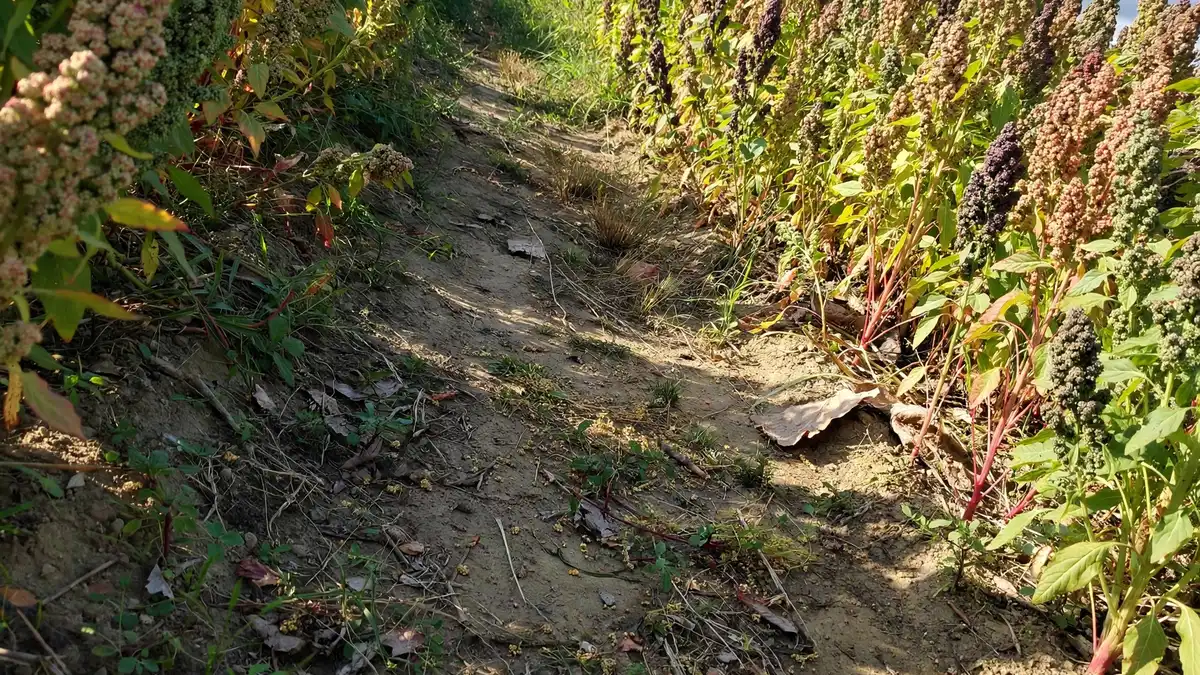
A quinoa farm escape is not a holiday you can plan by the calendar alone. The crop sets the dates, the altitude sets the pace, and the farm sets the rules. Get those three things right and the trip runs itself: you arrive rested, the grain is ripe, and the farm has time for you. Get them wrong and you spend the week chasing a harvest that has already finished or has not started yet.
The good news is that planning a quinoa trip is mostly a matter of asking the right questions early. Farms that grow quinoa are used to visitors who arrive at the wrong altitude, in the wrong clothes, on the wrong week, and they will tell you plainly what to do differently if you ask.
Use this guide alongside a farm’s own information, not instead of it. A farm knows its fields, its weather and its kitchen better than any article can, and a short email exchange with the farm is worth more than a week of reading about quinoa in general.
Key takeaways
- Pick the harvest month first, then the region, then the farm — the crop’s calendar decides the trip, not the map.
- Book the farm stay before the flights, because harvest-week rooms go first and flight dates are easier to move than a harvest.
- Give yourself two nights at altitude before any farm work, or the first day of the harvest will be spent feeling unwell.
- Ask for the harvest dates and the rate breakdown in writing, so a shifted harvest does not become a dispute.
- No plan survives a late rain or an early frost, so keep a spare day and a nearby town in the itinerary.
What a quinoa farm escape involves
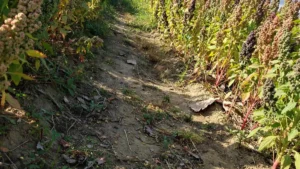
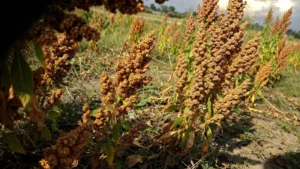
A quinoa farm escape is a short working stay, usually three to five nights, on a farm that grows quinoa as a real crop. You sleep in a farmhouse room or a small guest cabin, eat with the household, and join the work of the season. That work is simple and physical: walking the rows to check the grain, cutting the seed heads, threshing them on a canvas or a stone floor, and winnowing the grain so the wind carries off the chaff.
The grain itself is a seed from a plant in the same family as spinach and beetroot. It was domesticated in the Andes thousands of years ago, and it still grows best where the air is thin and the soil is poor.
Most quinoa farms sit high, between 3,000 and 4,000 metres in the Andes, and the newer farms in Colorado, Saskatchewan, Morocco and China are high too. That height shapes everything about the trip: the cold mornings, the strong sun, the shortness of breath on a slope, and the need to move slowly on the first day. An escape that ignores altitude is an escape that wastes its first two days.
How to plan it and what to look for
Start with the harvest month, not the destination. On the Altiplano the harvest falls in late April to June; in Colorado and Saskatchewan it falls in late summer and autumn; in Morocco and China it depends on the valley and the year. A farm that gives you a harvest week in writing, and tells you what happens if the week moves, is a farm that has done this before.
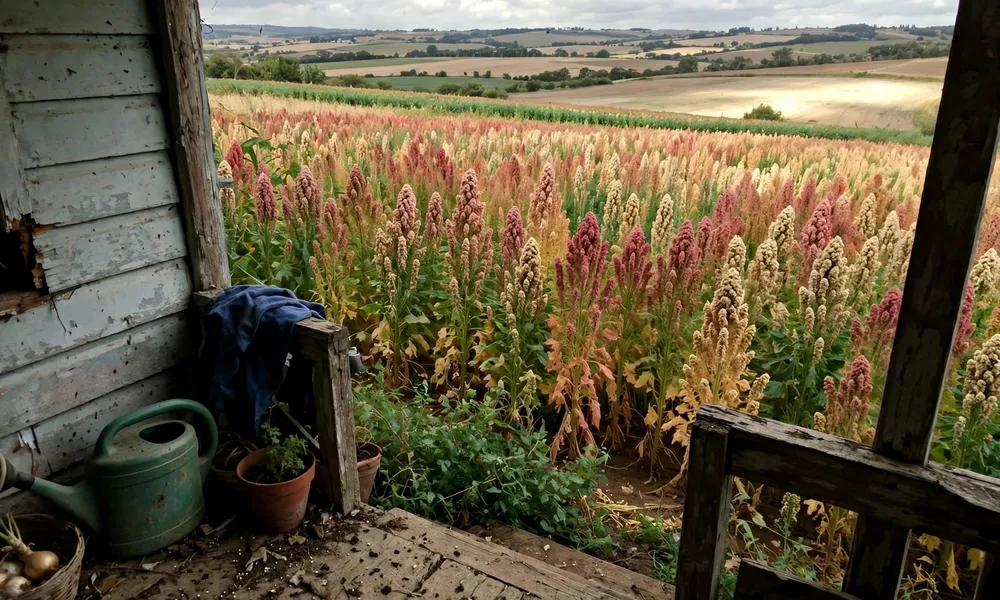
Turn next to what the stay actually covers. Meals, transport from the nearest town, and any guided walks should be listed in the price, not discovered on arrival. Small farms are usually honest about this, and a farm that answers questions about altitude, food and harvest dates in plain language is usually a farm that runs a good stay. Our guide to planning a sesame farm escape makes the same point, and it is the single most useful habit in farm travel: get the practical answers in writing before you pay.
Finally, look at the journey, not just the farm. A quinoa stay works best when the farm is within reach of a town with a clinic, a market and a place to spend a slow day.
The 9 steps to plan a quinoa farm escape
Pick the month the grain ripens, then pick the farm
What to do: Find the harvest month first, then pick a region that harvests in a month you can travel. The Altiplano harvests in late April to June, North America in late summer, and the other regions vary by valley and year.
What to avoid: Choosing a region because you like the look of it, then discovering its harvest falls in a month you cannot travel. Best for: Travellers with fixed holiday dates. Time needed: One evening of reading and a single email to the farm. Standout tip: Ask the farm for last year’s harvest dates too — they show how much the week moves.
Secure the farm bed first, then the airfare
What to do: Reserve the farm first, get the harvest week in writing, and only then book flights. Farm rooms during harvest week are few, and they go to the people who ask first.
What to avoid: Booking a cheap flight and then finding no farm room in harvest week. Best for: Anyone travelling in April, May or June. Time needed: A week of emails, usually answered within two days. Standout tip: Ask the farm to hold the room for 48 hours while you check flights.
Plan two nights at altitude before any farm work
What to do: Arrive two nights early and stay at altitude, in the nearest town or on the farm itself, before you do any physical work. Walk gently, drink water, eat lightly, and sleep.
What to avoid: Arriving the same day the harvest starts and working in the fields at 3,600 metres. Best for: First-time visitors to high country. Time needed: Two nights, built into the itinerary from the start. Standout tip: The first night is for sleeping, not for sightseeing — save the energy for the fields.
Get the full list of what your money buys
What to do: Ask for a written list: meals, transport from the nearest town, guided walks, and any harvest-day equipment. If something is not listed, assume it is not included.
What to avoid: Assuming the rate covers everything because the farm’s website shows smiling guests at dinner. Best for: Travellers on a fixed budget. Time needed: One email, answered before you pay anything. Standout tip: Ask about laundry and drinking water too — small costs add up on a farm.
Farm stays are not hotels, and their rates are not standardised.
Dress for frost at dawn and glare by noon
What to do: Pack layers you can add and remove, a warm jacket, a hat, sunscreen, lip balm and sturdy shoes with grip. The morning will be cold, the midday sun will be strong, and the ground will be uneven.
What to avoid: Packing for one temperature, or bringing smart clothes that cannot survive a threshing floor. Best for: Anyone who has never farmed at altitude. Time needed: An evening of packing, checked against the farm’s advice. Standout tip: Gloves help twice over — against the cold at dawn and against the dry stalks at threshing.
Quinoa country has the widest temperature range of any farm trip.
Eat supper with the household on your first evening
What to do: Arrive on the farm the evening before the harvest starts, eat with the household, and sleep early. You will wake with the farm, not behind it.
What to avoid: Arriving mid-morning on harvest day, when the work is already half done and the household has no time to settle you in. Best for: Travellers who want the whole harvest, start to finish. Time needed: One evening, planned into the journey. Standout tip: Ask the farm what time the work starts, and work backwards from that hour.
A harvest day starts early and moves fast.
Save midday for the threshing floor and the kitchen
What to do: Use the hot middle of the day for threshing, winnowing and cooking, when the grain is dry and the kitchen is working. Save the walking and the photographs for the cooler hours.
What to avoid: Trying to walk the fields at noon, when the sun is at its strongest and the work is at its slowest. Best for: Cooks and anyone who likes the kitchen side of a farm. Time needed: Two to three hours a day, usually after lunch. Standout tip: Threshing is easier than it looks — the grain falls out of the heads with a few firm shakes.
The rhythm of a harvest day is set by the sun and the grain, not by a schedule.
Make the village market your final morning
What to do: Keep the final morning free and walk to the nearest market. Buy grain, dried herbs and whatever the farm recommends, and let the farm show you what to look for.
What to avoid: Filling the last morning with farm work and then rushing to the airport with a bag of unwashed grain. Best for: Travellers who like to bring food home. Time needed: A morning, with transport arranged the day before. Standout tip: Buy the grain the farm recommends, not the prettiest bag — the farm knows which variety cooks best.
A market morning is the right ending to a farm trip.
Spend a day recovering in town before your flight
What to do: Add one unplanned day in the nearest town after the farm stay, before your flight home. Sleep late, eat well, and let your body come down from the altitude.
What to avoid: Booking a flight for the morning after the farm stay, when you are tired, dusty and still at altitude. Best for: Anyone flying home from a high-altitude trip. Time needed: One full day, with a hotel booked in advance. Standout tip: Use the day to wash and repack, not to add another excursion.
The day after a farm stay is for recovery, not for sightseeing.
Picking the right season and region
Season matters more than region for a quinoa trip. The Altiplano harvest in late April to June is the classic window, with dry days, cold nights and fields at full colour. North America harvests in late summer and autumn, which suits travellers who cannot get away in spring. Morocco and China vary by valley, so the farm’s own dates matter more than any general calendar.
Region matters for the journey around the farm. The Salar de Uyuni stay pairs the harvest with the salt flats, Puno pairs it with the lake, and the Himalayan terraces pair it with walking. If the harvest shifts, a good second attraction saves the trip, and a farm near a town with a market and a clinic is worth more than a farm with a prettier view. Our guide to planning a cashew farm escape uses the same test, and it holds for every farm crop: the farm is the reason to go, but the region is what carries the trip when the weather changes.
Think about altitude honestly. If you have struggled with height before, pick a lower farm — Colorado, Saskatchewan or Boyacá — rather than the Altiplano. If you are comfortable at 3,500 metres, the Andes give you the most dramatic quinoa country on earth.
The caveats that matter
Quinoa farming is weather-dependent, and the harvest window is short. A late rain can push the harvest back by two weeks, an early frost can end it overnight, and a farm can only give you its best estimate. Travellers who build their whole trip around a single harvest day are gambling, and the farm is not to blame when the weather wins.
| Detail | What is known |
|---|---|
| Best harvest window | Late April to June on the Altiplano; late summer and autumn in North America and Asia |
| How far ahead to book | Three to six months for Altiplano harvest weeks; two months for other regions |
| Altitude to expect | 3,000 to 4,000 metres in the Andes; lower in Colorado, Saskatchewan and Morocco |
| How long to stay | Three to five nights, with two nights at altitude before any farm work |
| What to pack | Layers, a warm jacket, a hat, sunscreen, lip balm and sturdy shoes with grip |
| What the rate should cover | Meals, transport from the nearest town and guided walks, listed in writing |
| Who should take care | Anyone with heart or breathing conditions, and anyone who has struggled with altitude before |
| What can go wrong | Late rain, early frost, a shifted harvest, and altitude sickness on day one |
If you take regular medication, are pregnant, or have a heart or breathing condition, talk to your clinician before travelling above 3,000 metres. Height affects everyone differently, and a farm in the mountains is far from a hospital if something goes wrong.
Checklist: before you book a quinoa farm escape
Use these checks before you pay, and again a week before you travel.
- Get the harvest week confirmed in writing, with the farm’s plan if the dates shift.
- Get the rate in writing: meals, transport from the nearest town, and guided walks should all be listed.
- Note the farm’s altitude and the nearest clinic, and know how far help is.
- Make sure your insurance covers travel above 3,000 metres and evacuation from a remote farm.
- Send the farm your allergies and dietary needs before you arrive, not at the table.
- Read the cancellation terms: a stay that cannot move your dates when the harvest moves is a risk, not a bargain.
Frequently asked questions
When is the right time to book a quinoa farm escape?
Three to six months ahead for Altiplano harvest weeks, when the small farms fill up fast. Two months is usually enough for other regions, but the harvest-week rooms still go first. Book the farm before the flights, and get the harvest week in writing.
Does altitude sickness spoil a quinoa farm stay?
It can, especially on the Altiplano above 3,500 metres. Most people feel it as a headache, poor sleep or shortness of breath on the first day. Two slow nights at altitude before any farm work is the best prevention, and descending is the only reliable cure if symptoms get worse.
Does a quinoa farm stay work when nothing is being harvested?
Yes, if you go for the landscape, the food and the walking rather than the harvest itself. The fields are green and quiet outside harvest season, and the farm kitchen still cooks with stored grain. But if the harvest is the point of your trip, wait for the harvest week.
What happens if the harvest shifts after I book?
It happens, usually after a dry spell or an early frost. Ask the farm how it handles a moved harvest when you book: a good farm will shift your dates, suggest a nearby farm, or offer a different week. Keep a spare day in the itinerary either way.
Do children enjoy a quinoa farm escape?
Children of eight and older usually enjoy the work, the animals and the food. Smaller children find the height and the early starts hard. Ask the farm if it has welcomed children before, and what the day looks like for them.
What should I set aside for a quinoa farm escape?
Most stays on this list run from $75 to $450 a night, usually including meals, for three to five nights. Add flights, transport to the farm, and a night in town before and after. A realistic total for a week, excluding long-haul flights, is $1,000 to $3,000 depending on the region.
The bottom line
Planning a quinoa farm escape comes down to three decisions: the harvest month, the farm, and the altitude. Get the month right by asking the farm, book the farm before the flights, and give yourself two slow nights at height before any work. Everything else — the packing, the market morning, the slow day in town — follows from those three choices.
Keep the plan simple and keep a spare day. The farm sets the calendar, the weather sets the harvest, and the traveller who accepts both has the better trip. Our guide to planning a pecan farm escape makes the same point about harvest timing, and it holds for every farm crop: ask the farm, trust its answer, and leave room for the season to move.