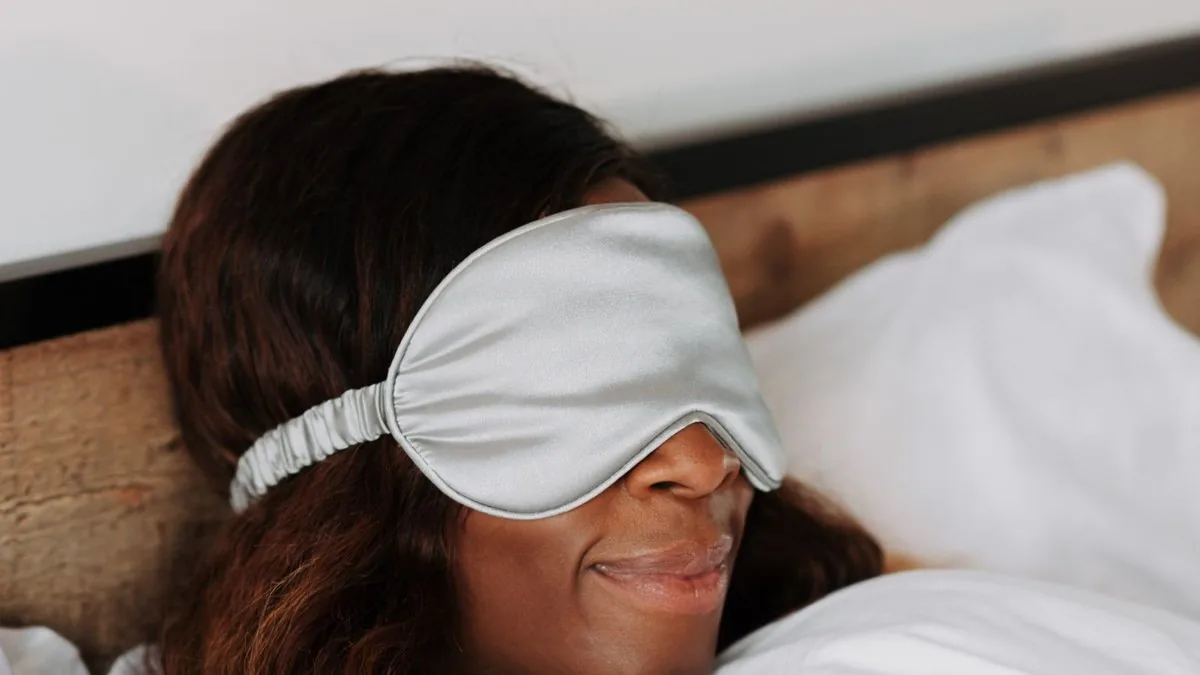
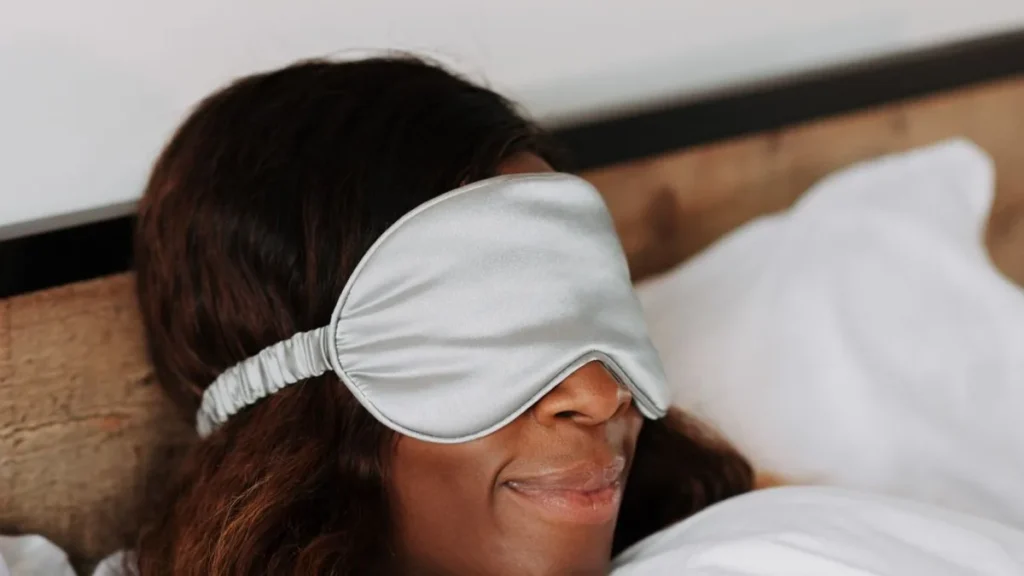
A silk sleep mask looks like the smallest possible upgrade to your nights. It costs less than a new pillow, it takes up no space, and the promise is seductive: deeper sleep, smoother skin, shinier hair, all while you do nothing at all. It is a lovely story, and like most lovely stories about beauty products, it is only partly true.
Here is our honest take, after weighing what a mask can plausibly do against what it is often sold as doing. A sleep mask is, first and foremost, a light-blocking tool. That is not a small thing. Light is one of the strongest signals telling your brain to stay awake, and a mask that genuinely blocks it can help you fall asleep faster and stay asleep longer, especially if you sleep in a bright room or share a bed with someone who reads late.
So is a silk sleep mask worth it? Our answer is a careful yes, but only if you buy it for the right reason and choose the right one. Silk is comfortable against the eyes, it feels cooler than cheap synthetic fabric, and it is less likely to tug at delicate skin or catch on hair than a rough cotton mask. But silk alone will not fix broken sleep, erase fine lines, or rescue a bad bedtime routine.
Key takeaways
- A sleep mask’s main, proven job is blocking light, which can genuinely help you fall asleep and stay asleep in a bright room.
- Silk feels gentler and cooler than most fabrics, and it is less likely to crease skin or snag hair, but it is a comfort advantage, not a treatment.
- Claims about silk preventing wrinkles, boosting collagen, or transforming hair are not supported by strong evidence, and should be read as marketing.
- Fit matters more than fabric: a mask that slips, presses on your eyes, or lets light leak in will not help, however expensive the silk.
- Caveat: no sleep mask can compensate for poor sleep habits, and anyone with an eye condition, recent eye surgery, or persistent sleep problems should speak to a doctor rather than relying on an accessory.
What a silk sleep mask actually does
Darkness helps you sleep. Your body reads light as a cue to be alert, and even modest light leaking through curtains or a partner’s phone can fragment sleep without you fully waking. A well-designed mask removes that variable entirely.
That is why masks are most useful in specific situations: light sleepers, shift workers sleeping in daylight, travellers, and anyone whose bedroom cannot be made properly dark. If your room is already dark and quiet, a mask may add very little.
Silk’s contribution is about how the mask feels while it does that job. Real silk, particularly mulberry silk, is smooth, breathable, and temperature-regulating in a way that cheap polyester is not. It glides rather than drags across the eyelids, which matters when the fabric sits against thin skin for hours.
What to look for before you buy
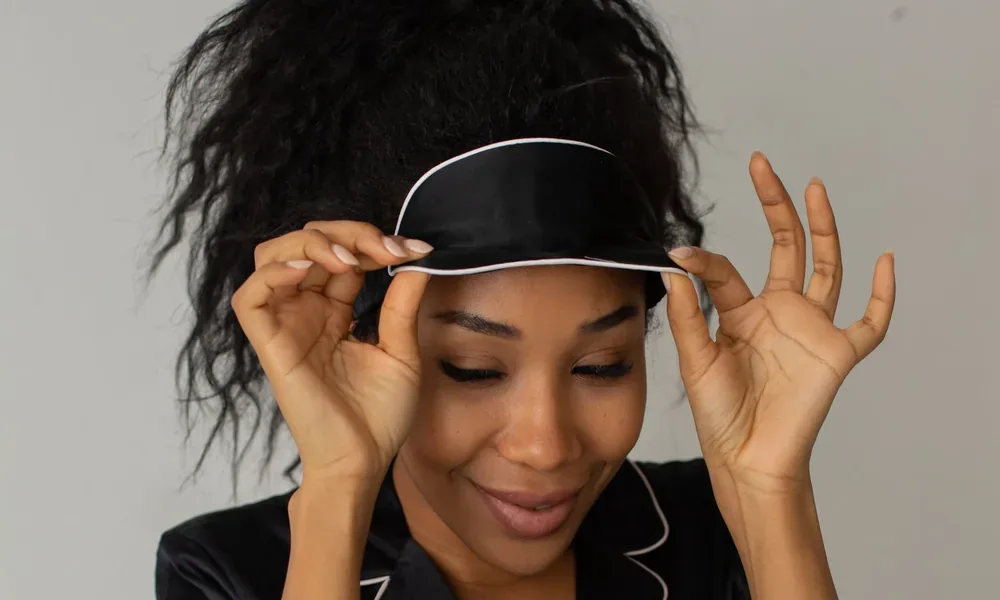
Not all silk masks are equal, and the differences that matter are practical rather than glamorous. The first is the fit. A mask should sit snugly enough that light cannot leak in around the nose, but loosely enough that it does not press on your eyeballs. Look for a contoured or cupped design with space over the eyelids, rather than a flat band of fabric stretched tight across your face.
The second is the strap. A thin elastic strap that digs in will leave marks and wake you up; a wide, adjustable strap distributes pressure and stays put when you turn over. If you sleep on your side, this matters even more, because a bulky strap or a knot at the back of the head will press into the pillow and shift the mask.
The third is the silk itself. Genuine mulberry silk at a reasonable weight feels substantial rather than flimsy, and it is usually washable if you treat it gently. Very cheap masks labelled silk may be a silk blend or entirely synthetic satin, which can feel slippery and hot. Check the fabric composition before you check the brand name, and be wary of any listing that will not say plainly what the mask is made of.
Finally, think about care. A mask lives against your face every night, collecting skin oils and product residue, so it needs regular washing. Hand washing with a gentle detergent and air drying is usually enough, at least once a week. A mask that is easy to keep clean is a mask you will keep using.
The skin and hair claims, honestly
This is where the conversation usually drifts from fact into fantasy, so let us be careful. The most common claim is that silk prevents sleep creases and therefore prevents wrinkles. There is a kernel of sense here: waking with deep creases from a rough pillowcase or a tight mask is real, and silk’s smooth surface reduces friction, so creases are less likely and less deep. But a sleep crease is not a wrinkle. Wrinkles form over years from sun exposure, collagen loss, and repeated facial movement, and no fabric worn overnight has been shown to reverse or prevent that process.
A similar pattern holds for hydration claims. Some brands suggest silk keeps moisture in your skin better than cotton, because cotton absorbs the creams you apply at night. There is some logic to this, since a less absorbent fabric will indeed take less of your night cream, but the effect is small, and it is no substitute for a good moisturiser. If your night cream is doing its job, the mask is a footnote. Our guide to night creams is a better place to spend your attention than the fabric of your mask.
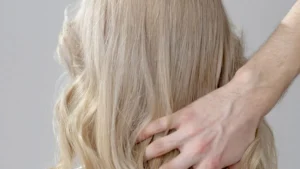
The hair claim is the most defensible of the three, and still modest. Silk is less likely to snag or rough up the hair cuticle than cotton, which is why people with curly or fragile hair often notice less frizz when they switch to silk pillowcases or masks with silk straps. The mask only touches the hair at the edges and the strap, so the effect is far smaller than a full silk pillowcase, but it is real for some people. It will not repair damaged hair or replace proper hair care.
None of this means the claims are lies. It means they are small truths dressed up as big ones. A silk mask can be gentler on your skin and hair than a rough alternative, and gentler is worth having. What it cannot do is act as skincare, and anyone selling it as an anti-ageing treatment is asking you to confuse comfort with medicine.
The caveats that matter
A mask is a simple product, but it is not right for everyone. The most obvious caveat is fit and pressure, already discussed, but there are others worth knowing before you buy. People who sleep hot may find any mask uncomfortable, silk included, and a mask that makes you feel claustrophobic will do more harm than good.
There are also eye-health considerations. Anyone with an eye infection, a stye, dry-eye disease, or recent eye surgery should check with their doctor before wearing a mask nightly, since a warm, damp fabric against closed eyes can trap moisture and irritate the surface of the eye.
| Detail | What is known |
|---|---|
| Light blocking | The strongest benefit; darkness supports deeper, less broken sleep. |
| Silk comfort | Smooth, cool, and breathable; gentler on eyelids than rough fabrics. |
| Sleep creases | Less friction can mean fewer morning creases; this is not wrinkle prevention. |
| Skin hydration | Silk absorbs less night cream than cotton, but the effect is small. |
| Hair frizz | Less snagging at the strap and edges; far smaller effect than a silk pillowcase. |
| Fit and pressure | A mask that presses on the eyes or slips will disturb sleep, not help it. |
| Eye health | Check with a doctor after eye surgery or with persistent eye irritation. |
| Who benefits most | Light sleepers, shift workers, travellers, and bright bedrooms. |
The last caveat is the one that matters most, and it has nothing to do with the mask itself. A sleep mask cannot fix the things that most often ruin sleep: caffeine late in the day, a phone glowing in bed, an irregular schedule, or stress. If those are the real problems, a silk mask is a pleasant distraction from them, not a solution.
Checklist: before you buy a silk sleep mask
- Check the fabric composition and look for genuine mulberry silk, not unspecified satin.
- Choose a contoured design with space over the eyelids, not a flat band pulled tight.
- Pick a wide, adjustable strap that will not dig in or shift when you turn over.
- Hold it up to the light: if you can see through it, it will not block light properly.
- Make sure the care instructions are realistic enough that you will actually wash it weekly.
- Set a budget and stick to it; beyond a certain point, you are paying for branding, not sleep.
Frequently asked questions
Do silk sleep masks actually help you sleep better?
They can help if light is the thing disturbing your sleep, because a good mask blocks light effectively and darkness supports deeper sleep. Silk itself does not make you sleepy; it makes the mask more comfortable to wear all night, which is what lets the light blocking do its job.
Is silk better than other fabrics for a sleep mask?
For comfort, yes, in our view. Silk is smoother, cooler, and less likely to crease skin or snag hair than cotton or cheap polyester. It is not a medical advantage, and a well-designed cotton or foam mask that fits properly will block light just as well.
Can a silk sleep mask prevent wrinkles?
No, not in any meaningful sense. It can reduce friction and therefore reduce morning sleep creases, which is a real but temporary benefit. Wrinkles are driven by sun exposure, collagen loss, and ageing, and no fabric worn overnight prevents them. For the skin around the eyes, a targeted eye cream for dark circles and daily sun protection matter far more than a mask.
Will a silk mask help with puffy eyes in the morning?
Possibly a little, and only indirectly. The cool feel of silk can be soothing, and better sleep itself reduces puffiness. But a mask is not a treatment for puffiness or dark circles, and persistent puffiness is worth looking at in your sleep, diet, and skincare routine rather than expecting a mask to fix it.
How do I wash a silk sleep mask?
Hand wash in cool water with a gentle detergent, rinse well, press out the water without wringing, and air dry away from direct sunlight. Avoid harsh detergents and tumble drying, which damage silk fibres. Wash at least once a week, since the mask sits against your face every night.
Is a silk sleep mask worth the price?
It is worth it if you will wear it every night and light is a genuine problem for you. A mid-priced, well-made silk mask is usually the sweet spot; the most expensive options rarely sleep better than a good mid-range one. If you are unsure, try a cheaper well-fitting mask first to find out whether you like sleeping in one at all. Silk also appears in other wardrobe pieces, and our roundup of silk blouses shows how the same fabric works far beyond the bedroom.
The bottom line
Our verdict is simple: a silk sleep mask is worth buying for light blocking and comfort, and not worth buying as skincare. If you sleep in a bright room, travel often, or work nights, a well-fitting silk mask is one of the cheapest and most reliable sleep upgrades available, and the silk makes it pleasant enough to use every night.
What it will not do is transform your skin, repair your hair, or rescue broken sleep on its own. Buy it for darkness and comfort, keep your expectations honest, choose fit over branding, and wash it regularly. Do that, and a small slip of silk can earn its place on your nightstand for years.
Note: This is an opinion piece, not medical advice. Claims about skin and hair are presented as our assessment of the available evidence, not as proven results, and no product was tested in a laboratory for this article. If you have an eye condition, recent eye surgery, or ongoing sleep problems, speak to a doctor before relying on a sleep mask.