There is a difference between a hotel with a good spa and a spa retreat, and you feel it by the second morning. A hotel spa is an hour fitted around the rest of your trip. A retreat turns that order around: the spa is the reason you came, the days are built around treatments, rest and slow meals, and everything else exists to support that single purpose.
Asia does this better than anywhere else, because the traditions behind it are older and deeper. Thai massage, Ayurveda, traditional Chinese medicine, Japanese onsen bathing and Balinese healing are living practices here, taught by practitioners who trained for years.
This guide covers eight real, named retreats across Thailand, Bali, India, Japan, Vietnam and the Maldives, each with a genuine spa or wellness programme at its centre. Prices below are indicative and change by season and programme, so confirm every rate before you book. Treat the list as a menu, not a ranking: the right retreat depends on what you want these days to do for you.
Key takeaways
- A spa retreat is programme-led: the stay is built around multi-day treatments, rest and structured days, not a hotel with a spa attached.
- Choose by tradition first: Thai healing in Hua Hin and Koh Samui, Ayurveda in the Himalayas, onsen bathing in Japan, jungle healing in Bali.
- Most of these retreats work best over three to seven nights; one night is a taster, and the real reset needs at least three days.
- Expect indicative rates from around $350 a night at the more accessible Thai retreats to well over $1,500 a night at the most exclusive addresses.
- No retreat can promise a medical outcome, and none of the rates here are confirmed for your dates — check directly with the property before booking.
What makes a spa retreat different
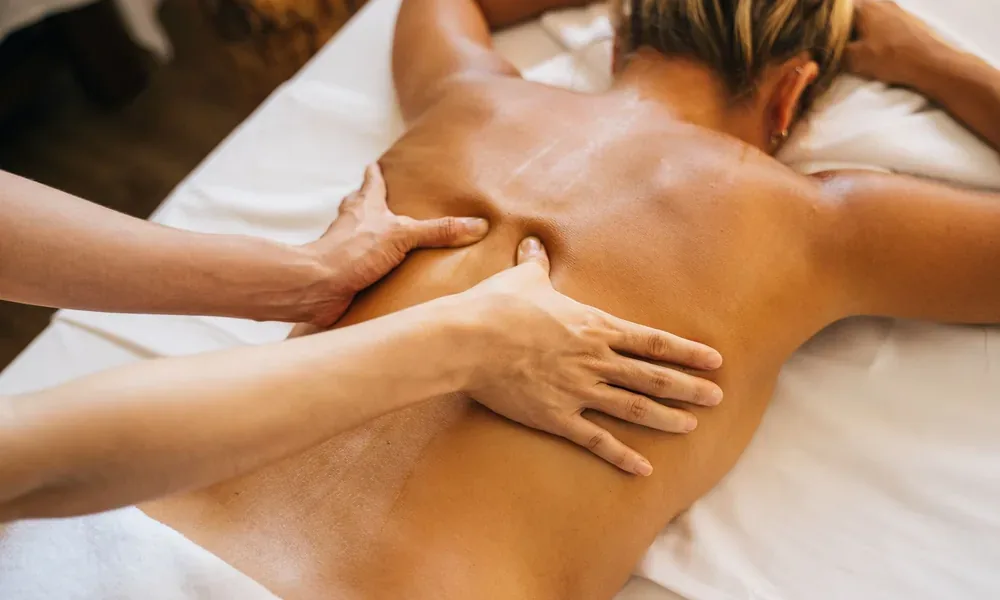
The first difference is the schedule. At a retreat the day is gently decided for you: an early treatment or yoga session, a slow breakfast, a second treatment in the afternoon, and an early night. The second difference is the practitioner. A hotel spa employs therapists; a retreat employs specialists — Ayurvedic doctors, naturopaths, traditional Chinese medicine practitioners and physiotherapists — who assess you on arrival and shape the programme around you. The third difference is what is missing: no loud pool scene, no packed restaurant, no pressure to fill every hour.
How we chose these eight
Every retreat below is a real, operating property with a published spa or wellness programme, a track record of several years, and coverage in independent travel and wellness guides. We chose for range: different countries, traditions and intensities. None of these eight appears in our guides to the best luxury safari retreats, the best luxury coastal retreats or the best luxury jungle retreats.
The best luxury spa retreats in Asia
1. Chiva-Som, Hua Hin, Thailand
The original Thai destination spa, open since 1995 on a quiet beachfront in Hua Hin, and still the benchmark other Asian retreats are measured against. A health assessment on arrival, a tailored programme, and practitioners across physiotherapy, traditional Thai medicine and complementary therapies, with retreats from three nights covering detox, stress, sleep and fitness. Indicative rates run from around $600 a night all-inclusive, rising well above $1,500 a night in high season.
What we like: the depth of the practitioner team. What to consider: it is structured, so travellers who want a loose holiday may find it too full.
2. Kamalaya, Koh Samui, Thailand
Built around a cave once used by Buddhist monks for meditation, on a hillside above the Gulf of Thailand, Kamalaya is the more holistic and spiritual of Thailand’s two great destination retreats. The programme blends traditional Chinese medicine, Thai healing arts and Western approaches, with resident naturopaths and more than a hundred therapies for stress, sleep, detox and emotional balance. Indicative rates start from around $350 a night in low season, with programmes priced separately.
What we like: the setting and the gradual, honest approach. What to consider: programmes are priced on top of the room, so work out the full cost first.
3. COMO Shambhala Estate, Ubud, Bali, Indonesia
High above the Ayung River gorge outside Ubud, COMO Shambhala Estate is the benchmark for luxury wellness in Southeast Asia. The estate sits in jungle above a sacred spring, with hydrotherapy pools and resident experts in Ayurveda, yoga and nutrition. Residential programmes run from three to fourteen nights, including Ayurvedic consultations, daily yoga and wellness-focused cuisine. Indicative rates run from around $500 a night, with programmes on top.
What we like: the jungle setting and the resident team. What to consider: Ubud is humid and the estate is spread out, so expect steps and slopes.
4. Ananda in the Himalayas, India
Set in a maharaja’s palace estate above Rishikesh, Ananda is the grandest Ayurvedic retreat in Asia. The spa has dozens of treatment rooms and a dedicated Ayurvedic centre, with programmes built around traditional Ayurveda, yoga and Vedanta, designed by resident physicians after a consultation. Days follow a calm rhythm of early yoga, treatments and walks in the palace grounds. Rates vary by season; book well ahead for the cooler months from October to March.
What we like: the scale of the Ayurvedic programme and the setting. What to consider: the early starts suit morning people.
5. Six Senses Vana, Dehradun, India
Set in a former Tibetan monastery estate in the Himalayan foothills, Six Senses Vana is a modern ashram: Ayurveda, Sowa-Rigpa (Tibetan medicine), yoga and contemplative practice, delivered with clinical precision. Programmes run from five to twenty-one nights and include panchakarma, the traditional Ayurvedic cleansing sequence, supervised by resident vaidyas. It won recognition at the Global Spa Awards in 2026.
What we like: the authenticity of the Ayurvedic and Tibetan medicine. What to consider: the most austere stay on the list — it suits travellers who genuinely want quiet.
6. Amanemu, Ise-Shima, Japan
Amanemu is Aman’s ryokan-inspired resort in Ise-Shima National Park, built around a 2,000-square-metre Japanese spa and two large onsen bathing pavilions fed by natural hot springs. The spa is the heart of the stay: mineral-rich onsen baths, watsu and shiatsu treatments, and a quiet design of wood, stone and paper screens. Indicative rates run from around $1,700 a night, and it books far ahead in cherry-blossom and autumn seasons.
What we like: the onsen itself — one of the finest spa settings in Japan. What to consider: the price, and onsen etiquette, including bathing unclothed.
7. Amanoi, Vinh Hy Bay, Vietnam
On a cliff above Vinh Hy Bay, on Vietnam’s south-central coast, Amanoi is Aman’s most secluded Vietnamese address, inside Nui Chua National Park, with a private beach and a lake at the centre of the grounds. The Amanoi Spa sits on the lake, with treatment pavilions, a hydrotherapy area and a programme of Vietnamese healing traditions, yoga and meditation. Rates vary by season, with the dry months from roughly December to August the most popular time to visit.
What we like: the privacy and the lake-side spa setting. What to consider: it is remote, so transfers take planning.
8. JOALI BEING, Maldives
The Maldives’ first dedicated wellbeing resort, JOALI BEING sits on Bodufushi island in Raa Atoll, reached by seaplane from Male. The resort is built around four pillars — mind, skin, microbiome and energy — with naturopaths, Ayurvedic doctors and movement specialists, and programmes from a few nights to two weeks. Indicative rates run from around $1,400 a night, and our guide to the best luxury hotels in the Maldives puts it in context among the country’s other top stays.
What we like: a serious wellbeing programme with a classic island setting. What to consider: seaplane transfers add cost and are weather-dependent — and the resort suits a honeymoon, so see our best honeymoon destinations for how to pair it with a trip.
The retreats at a glance
| Retreat | Where | Best for |
|---|---|---|
| Chiva-Som | Hua Hin, Thailand | Structured, clinical wellness programmes |
| Kamalaya | Koh Samui, Thailand | Holistic healing and emotional reset |
| COMO Shambhala Estate | Ubud, Bali | A first luxury wellness retreat |
| Ananda in the Himalayas | Rishikesh, India | Classical Ayurveda in a palace setting |
| Six Senses Vana | Dehradun, India | Deep Ayurveda and Tibetan medicine |
| Amanemu | Ise-Shima, Japan | Onsen bathing and quiet luxury |
| Amanoi | Vinh Hy Bay, Vietnam | Privacy and a lake-side spa |
| JOALI BEING | Raa Atoll, Maldives | Wellbeing on a private island |
Before you book: a checklist
- Pick the tradition first — Thai healing, Ayurveda, onsen or jungle wellness — and let the country follow from that choice.
- Book at least three nights; most programmes need that long to settle into, and single nights rarely deliver the reset.
- Check what the rate includes: some retreats are all-inclusive, others price programmes, meals and transfers separately.
- Ask about medical suitability before booking, especially for detox, panchakarma or any programme with fasting or intensive treatments.
- Check the season: the Himalayas are best from October to March, and Japan peaks in spring and autumn.
- Confirm transfers in advance — seaplanes, boats and mountain roads can add hours and cost, and some are weather-dependent.
Frequently asked questions
How many nights should I book at a luxury spa retreat in Asia?
Three nights is the practical minimum, and five to seven nights is better. The first day is usually arrival and a consultation, so a shorter stay rarely gives the programme time to work.
What is the difference between a spa retreat and a hotel with a spa?
A hotel spa is an amenity you use between other activities. A retreat is built around the spa and the programme: treatments shape the day, meals are part of the plan, and the stay is designed for rest.
Are these retreats suitable for a first wellness trip?
Yes. COMO Shambhala Estate and Kamalaya are the easiest starting points, because their programmes are structured but gentle. Six Senses Vana and Ananda are deeper and more traditional, so they suit travellers who already know they want Ayurveda.
Do I need to be fit or experienced at yoga to go?
No. Yoga and movement sessions are pitched at all levels, and most programmes can be adapted for a complete beginner. Be honest in the arrival consultation about your health and fitness, so the practitioners can set the programme at the right level.
When is the best time of year to visit a spa retreat in Asia?
The Himalayan retreats are at their best from October to March. Thailand and Bali are warm year-round, with the driest months from November to February in Thailand and April to October in Bali. Japan is most popular in spring and autumn, and both seasons book far ahead.
How much should I budget?
Indicative rates run from around $350 a night at the more accessible Thai retreats to $1,400 a night or more at JOALI BEING and around $1,700 a night at Amanemu. Some retreats are all-inclusive, others add programmes, meals and transfers on top, so ask for the full price for your dates.
The bottom line
The best luxury spa retreat in Asia is the one whose tradition matches what you actually need. If you want structure and a clinical standard, Chiva-Som is still the benchmark. If you want depth and spirituality, Kamalaya or Six Senses Vana will give you more. If you want beauty and ease on a first wellness trip, COMO Shambhala Estate is the safest choice, and if you want the sea as part of the treatment, Amanoi or JOALI BEING are hard to beat.
Whatever you choose, book the programme before the room, allow at least three nights, and go in with an open mind about the schedule. The retreats that change people are rarely the ones with the longest treatment menus. If Asia is not on your map this year, our guide to the best luxury hotels in Santorini covers a different kind of slow, sea-facing stay.
Note: Rates, programme details and minimum stays change by season and are indicative only. Confirm the current price, what is included, and medical suitability directly with the retreat before booking.
Meet our experts
This guide was prepared by the BrassSmile travel desk from published retreat programmes and independent travel guides.
Why trust BrassSmile
We list only real, named properties we can verify in independent sources, and we label every rate as indicative.
Sources
Retreat programmes as published by Chiva-Som, Kamalaya, COMO, Ananda, Six Senses, Aman and JOALI; independent coverage in Spa Awards, World of Wanderlust and Healing Holidays.