Choosing a diamond ring feels harder than it should. The stone is small, the price is large, and every shop speaks a different language: cut, colour, clarity, carat, setting, band, certificate. Most people know only what they can spend and what they like. That is enough to start.
The mistake is to start with the diamond. A ring is not a loose stone. It has to survive washing hands, opening doors, gym sessions, and decades of daily wear, and it has to suit the person wearing it. Shape, setting, and band change how the ring looks and feels far more than a single grade on a certificate.
This guide works through the decisions in the order that matters: the wearer, the shape, the setting, the band, then the diamond, the budget, and the checks that protect you. It is written for an engagement ring, but the same thinking applies to any diamond ring worn every day. There is no single right ring — only the right ring for one hand, one life, and one budget.
Key takeaways
- Choose the ring for the wearer first: shape, setting, and band decide how it looks and feels daily.
- Cut matters more than carat. A well-cut smaller diamond outshines a poorly cut bigger one.
- Round suits almost everyone; oval and cushion look larger for their weight, while emerald shows clarity openly.
- Buy a certified diamond from a recognised laboratory, and match the certificate number to the stone.
- Decide which quality you will notice daily and which you will never see — and spend there.
Start with the wearer, not the stone
Think about the hand first. Long, slim fingers suit most shapes, and a longer stone such as an oval can flatter them further. Shorter fingers often look best with a round or oval stone, which lengthens the finger. A wide band can overwhelm a small hand; a very thin band can look lost on a larger one.
Daily life matters as much as looks. Someone who works with their hands, lifts, gardens, or plays sport needs a low, secure setting that will not catch. A high-set solitaire looks dramatic but snags on jumpers and knocks against door frames. A bezel setting, where metal wraps around the stone’s edge, is one of the safest choices for an active life.
Style is the third piece, and only the wearer can answer it. Look at the jewellery they already wear: yellow gold or white, silver or rose, bold or delicate, vintage or modern? A ring that matches what they already love will be worn happily. If the ring is a surprise, a trusted friend or a quiet look at an existing ring box is worth more than any sales advice.
The shape of the stone

Shape and cut are often confused. Shape is the outline: round, oval, cushion, princess, emerald, pear, marquise, radiant, or heart. Cut is how well the stone is faceted, and it decides how much light comes back to your eye. Choose the shape by taste and the cut by quality.
Round brilliant is the classic: the most brilliant shape, the easiest to find in good quality, and the most forgiving of small colour and clarity differences. Oval is the most popular alternative — it looks larger than a round of the same weight, lengthens the finger, and costs less per carat. Cushion suits vintage settings; princess is square and modern, but its corners need protection. Emerald and Asscher are step cuts with calm, mirror-like sparkle that shows clarity openly, so they need a cleaner stone.
Fancy shapes — anything that is not round — usually cost less per carat than a round of the same quality, because less rough diamond is wasted in cutting them. Try shapes on the hand in daylight as well as under shop lights: shop lighting is designed to make every diamond sparkle, while daylight is where the ring will actually live.
The 4Cs, applied to a ring
Cut is the most important of the four Cs, because it decides sparkle. Look for Excellent or Very Good, and trust your eyes: a well-cut diamond returns light brightly and evenly. Colour runs from D, colourless, down as a faint yellow tint appears. In white gold or platinum, a grade of G or H still looks white once set, and costs far less than a D.
Clarity describes tiny marks inside the stone, called inclusions. A stone graded VS1 or VS2, or even a clean SI1, will usually look flawless to the naked eye. Paying for a Flawless grade buys something nobody can see on the hand. The exception is step cuts such as emerald and Asscher, where inclusions are easier to see.
Carat is weight, not size, and it is the number most people over-focus on. An oval or marquise of the same weight looks larger than a round, a halo makes a centre stone look larger, and a well-cut stone looks larger than a deep, poorly cut one. Decide carat last, after shape, setting, and metal. If you want the full detail, our diamond buying guide explains each grade in depth.
Settings: how the stone is held
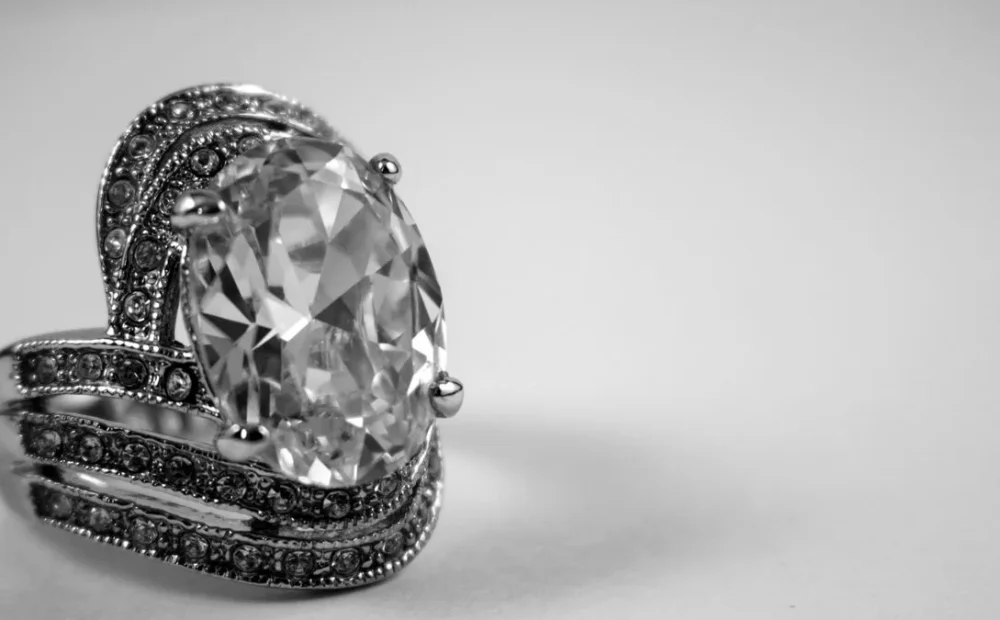
The setting holds the stone, and it changes the look of the whole ring more than any other single choice. A solitaire holds one centre stone on four or six prongs: the classic choice, showing the stone fully. Six prongs suit larger stones; four show more of the stone. A halo surrounds the centre stone with small diamonds, making it look larger, but it costs more. Pavé sets small diamonds along the band. A bezel wraps metal around the stone’s edge — the most protective setting, ideal for an active life.
Prongs are what keep the stone in the ring, so have them checked once a year — a worn prong is the most common reason a stone is lost. Look at the ring from the side and from underneath, not just from above: the side view shows how high the stone sits and whether it will sit beside a wedding band. Our roundup of the best engagement rings of 2027 shows how each setting looks on the hand.
The band: metal, width, and comfort
The band touches the skin all day, so comfort is not a detail. A comfort-fit band, slightly rounded inside, feels noticeably better than a flat band. A band of 1.5 to 2 millimetres looks delicate; 2.5 to 3 millimetres looks more substantial. Too wide and the ring feels tight; too narrow and it can dig in.
| Setting | Best for | Watch for |
|---|---|---|
| Solitaire, four prongs | Showing off the centre stone | Stone sits high and can catch |
| Solitaire, six prongs | Larger stones; extra security | More metal visible |
| Halo | Making a smaller stone look larger | Small stones need checking |
| Pavé band | Sparkle from every angle | Stones can loosen with hard wear |
| Three-stone | A substantial, symbolic look | Side stones add cost and width |
| Bezel | Active lives; most protective | Shows slightly less of the stone |
| Tension | A modern, striking look | Needs a strong band |
| Flush setting | Everyday wear; nothing to catch | Stone sits low, looks smaller |
Platinum is the most durable and the most expensive metal: naturally white, needing no re-plating, and hypoallergenic. White gold looks similar but costs less; its rhodium coating wears and needs renewing every year or two. Yellow gold is warm and hides scratches well; rose gold is romantic and also hides wear well. For karat, 18-karat is richer and softer, while 14-karat is harder and more practical. Match the metal to the wearer’s jewellery and skin tone: white metals flatter cooler skin, yellow and rose gold flatter warmer skin.
Budget: where the money actually goes
There is no correct amount to spend, and the old rule about months’ salary is a marketing line, not a guide. Decide what you can spend without debt or regret, then spend it where it shows: cut first, because sparkle is what you see daily; setting and metal second; colour and clarity third; carat last.
A few moves stretch a budget. An oval, cushion, or pear shape instead of a round buys a visibly larger stone for the same money. A colour grade of G or H and a clarity grade of VS2 or a clean SI1 save a large amount with no visible difference once set. A lab-grown diamond — chemically the same stone, grown in a laboratory — costs far less than a natural diamond, though its resale value is generally lower. If you are weighing the alternatives, our comparison of diamond and moissanite engagement rings is a useful starting point.
Certification and what to avoid
A certificate is the one piece of paper that matters as much as the ring. It should come from a recognised independent laboratory — GIA and IGI are the names most buyers will meet — and describe the stone’s cut, colour, clarity, and carat. Ask for it before you pay, and check that its number matches the number inscribed on the stone’s edge. Avoid a shop that will not show the stone loose, under magnification, or in daylight, and avoid buying in a rush. Ask for the return period, resizing policy, and warranty in writing.
Checklist: before you buy
- Know the wearer’s ring size, metal colour, and style — and whether they want a surprise or a say.
- Choose the shape by trying it on the hand, in daylight, not only under shop lights.
- Put cut quality first, then setting and metal, then colour and clarity, then carat.
- Check the certificate from a recognised laboratory, and match its number to the stone.
- Look at the ring from the side and underneath, and check it sits well beside a wedding band.
- Get the return, resizing, and warranty terms in writing, and insure the ring from day one.
Frequently asked questions
How much should I spend on a diamond ring?
There is no correct figure. Decide what you can spend without debt or regret, then spend it where it shows: cut first, then setting and metal, then colour and clarity, then carat.
What is the best diamond shape for an engagement ring?
Round brilliant is the safest and most brilliant choice. Oval looks larger for its weight and lengthens the finger. Cushion suits vintage styles; emerald and Asscher need cleaner stones; pear and marquise need protected tips. Try each shape on the hand.
Is a lab-grown diamond a real diamond?
Yes. It has the same chemical composition and crystal structure as a mined diamond, grown in a laboratory rather than formed underground. It costs less, but its resale value is generally lower, and some buyers prefer a natural stone.
What colour and clarity grades should I choose?
For most rings, colour G or H looks white once set in white gold or platinum, and clarity VS2 or a clean SI1 looks flawless to the naked eye. Step cuts such as emerald and Asscher are the exception, where higher clarity is worth more.
Which setting is safest for everyday wear?
A bezel setting is the most protective, because metal wraps around the stone’s edge. A low-set solitaire or a flush setting is nearly as practical. Have the prongs checked once a year, whatever you choose.
How do I find out someone’s ring size without asking?
Borrow a ring they wear on the correct finger and have a jeweller measure it, or trace its inside circle on paper. Measure in the evening, when fingers are largest. Most rings can be resized by one or two sizes.
The bottom line
A good diamond ring is not the biggest or the most expensive one in the shop. It is the one that suits the hand it is made for, survives the life it will be lived in, and leaves the buyer comfortable with what was paid. Start with the wearer, choose the shape and setting by trying them on, and put cut quality first.
Take your time. Look at rings in daylight, compare two shops rather than one, and sleep on the decision before you pay. The ring will be worn every day for decades; an extra week of choosing is nothing against that.
Note: Diamond grades, prices, and availability change over time, and this guide is general information, not personal buying advice. Check the certificate, the shop’s terms, and an independent valuation before buying, and insure the ring from the day you buy it.