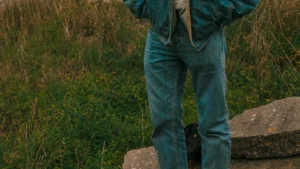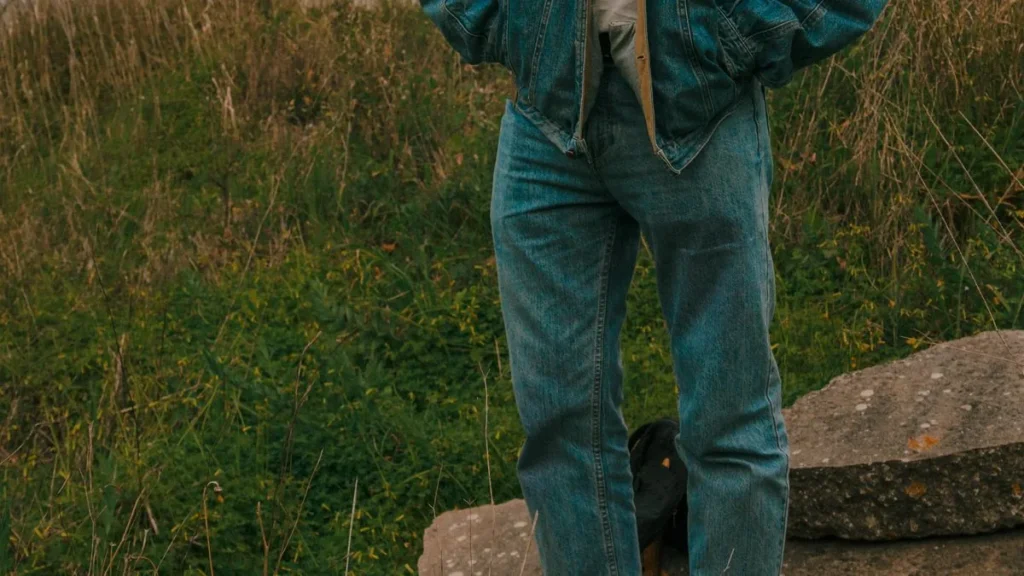
Vintage denim is back, and this time it does not feel like a costume. Walk through any busy high street or scroll through any feed and you will find the same thing: faded straight-leg jeans, a boxy denim jacket that has clearly lived a previous life, and a wash no factory could quite fake. The return is not subtle, and it is not confined to one age group.
That is what makes this moment worth an honest look rather than a simple celebration. Denim has come back before, and each return has been sold as a revolution before settling into the same cycle of buying too much and moving on. The question is not whether vintage denim looks good right now — it does, when done well — but whether the reasons behind its return are as solid as the marketing suggests, and whether the pieces people are buying will still earn their place in three years.
This is our take, not a trend report dressed up as fact. We have watched the resale shelves fill, the high street copy the archive, and the prices climb, and we think the honest answer sits in the middle: vintage denim is back for real reasons, some of the hype is justified, and some of it is not. Here is where the return is genuine, where it is overstated, and how to buy into it without regretting it.
Key takeaways
- Vintage denim is returning because of fit, durability, and fatigue with disposable fashion — not one runway show.
- The best vintage pieces are the simplest: straight legs, classic washes, and sturdy jackets.
- Resale prices have risen, so vintage is no longer always the cheap option.
- Sustainability is real, but only if the piece is worn often and kept for years.
- Caveat: no reliable public data proves vintage outsells new denim overall, so takeover claims are opinion, not fact.
What is actually driving the return
The first driver is fit, and it is the least glamorous and most important. For years, the dominant jean was tight, stretchy, and unforgiving. Vintage denim, by contrast, tends to be rigid and straight, with a higher rise that stays put when you sit down. That is not nostalgia; it is comfort. When people try on a well-cut pair of older jeans and realise they can walk and sit without adjusting anything, the appeal becomes obvious.
The second driver is tiredness with clothes that fall apart. Cheap new jeans can look fine on the hanger and then lose their shape or thin at the thighs within a season. A pair that has already survived twenty years has passed a test a new pair has not yet taken. That does not mean every old pair is well made — plenty is not — but the pieces still in good condition after decades tend to be the sturdy ones, because the flimsy ones were thrown away long ago.
The third driver is cultural. Denim carries associations few fabrics can match: workwear, music, film, and decades of everyday life. A faded jacket tells a small story, even if that story belongs to a stranger. When so much fashion looks polished and identical, that sense of history feels like a relief — and a reaction against the sameness of fast fashion. People want to look like themselves, not like a product page, and vintage denim offers a shortcut to that feeling, provided the wearer actually likes the piece, not just the idea of it.
What works: the cuts and washes worth your money
In our opinion, the strongest vintage denim looks are the plainest ones. A straight-leg jean in a mid-blue or faded wash, worn with a simple shirt or knit, is hard to get wrong and easy to wear for years. It suits most body shapes and pairs with trainers and boots alike. The same is true of a classic denim jacket: worn open over a dress or jumper, it adds structure without demanding attention. These pieces justify the hype because they are genuinely versatile, not merely fashionable for a season.
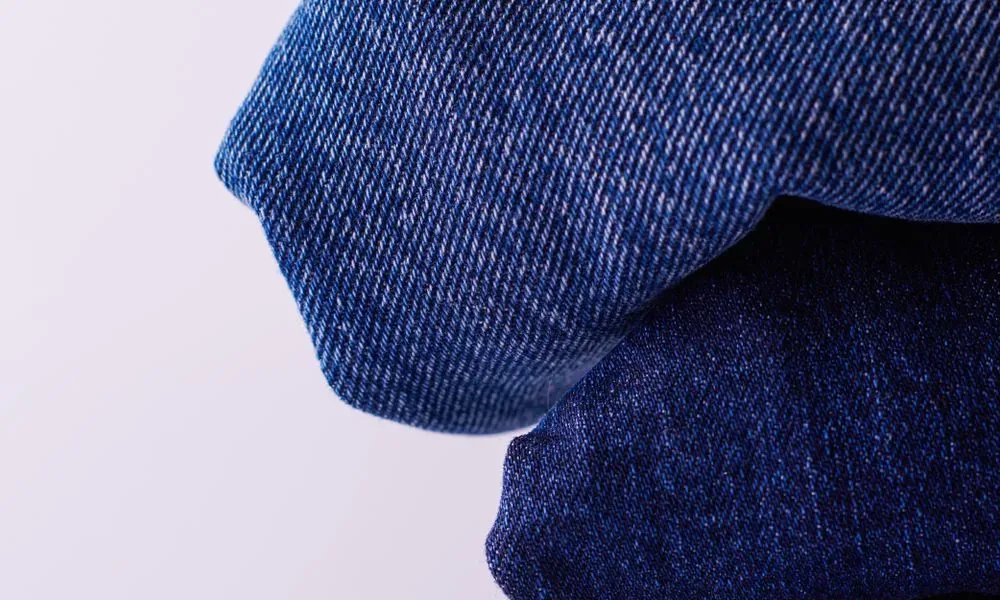
Barrel and wide-leg jeans also deserve a fair hearing, though they divide opinion. They look modern and relaxed, but they are harder to style: a wide leg needs a neater top half and a good shoe, or the outfit can look shapeless. If you already love relaxed tailoring, a barrel jean will probably fit your wardrobe; if your wardrobe is mostly fitted tops, it may sit unworn. That is a mismatch, not a flaw in the jean. For styling ideas, our guide to the best boots to wear with barrel jeans is a useful starting point.
Wash matters as much as cut. Light, sun-faded washes look wonderful in daylight but can be harder to dress up. Dark, rigid denim is more formal and more durable, and it ages beautifully, developing its own fade pattern over time. Mid-blue sits in the middle and is, in our view, the safest first buy. A genuinely old wash usually looks uneven in a natural way, while a factory-made vintage wash can look too uniform. Neither is wrong, but it is worth knowing which one you are paying for.
What is overhyped
The first thing we would call overhyped is the idea that anything labelled vintage is automatically better. It is not. Some vintage denim is thin, badly cut, or simply uncomfortable, and no amount of storytelling changes that. A high price tag does not guarantee quality; sometimes it only guarantees scarcity. Faded jeans with torn pockets and weak seams can sell for more than a well-made new pair, purely because of the label inside. That is fashion as collecting, not fashion as dressing.
The second overhyped claim is that vintage denim suits everyone equally. It does not. Very rigid denim can be unforgiving if you need stretch for comfort, and very high rises can feel wrong on some body shapes. Flared cuts can overwhelm a petite frame unless the length and shoe are right. None of this means vintage denim is a bad idea; it means the right pair matters more than the right label. Trying pieces on, or checking measurements carefully online, is the difference between a pair you wear weekly and one that lives at the back of a drawer.
The third overhyped idea is that the return of vintage denim means the end of new denim. It does not. New denim still offers consistent sizing, a full range of lengths, and modern stretch blends for people who need them. The two can coexist, and most wardrobes are healthier for mixing them. A vintage jacket with new jeans usually looks more natural than a head-to-toe archive outfit, which can tip quickly from stylish into fancy dress. As our roundup of the best denim trends for fall 2026 and 2027 shows, vintage is one thread in the story, not the whole fabric.
The sustainability argument, honestly assessed
Buying second-hand denim is, in principle, a more sustainable choice than buying new. It avoids the water, dye, and energy that go into making a fresh pair, and it keeps an existing garment in use for longer. But the benefit depends entirely on what happens after the purchase. A second-hand pair worn twice and then discarded has not saved much; it has simply delayed the same waste. The environmental case for vintage denim rests on wear, not on buying.
There is also an uncomfortable side to the boom. As vintage denim has become more desirable, prices have risen, and some people who relied on second-hand shops for affordable clothing have found their options shrinking. That is not a reason to stop buying vintage, but it is a reason to buy thoughtfully: choose pieces you will genuinely wear, look after them, and repair them. A small repair — a reinforced pocket, a replaced button — can add years to a pair of jeans. In our view, the most sustainable denim habit is wearing what you own, for longer, and mending it when it breaks.
Vintage denim at a glance
| Detail | What is known |
|---|---|
| Why it is back | Comfort, durability, and fatigue with disposable fashion. |
| Best first buy | A straight-leg jean in mid-blue, or a classic denim jacket. |
| Hardest to style | Very wide or flared legs, which need careful proportion. |
| Price reality | Prices have risen; vintage is no longer always cheap. |
| Sustainability | Real benefit when worn often for years; weak if rarely worn. |
| Quality check | Strong seams, intact pockets, and fabric that still feels sturdy. |
| Who should be cautious | Anyone who needs stretch for comfort, or who dislikes rigid fabric and high rises. |
| Our verdict | Worth it selectively — the simple, well-made pieces. |
Checklist: before you buy vintage denim
- Check the seams, pockets, and waistband for weakness, thinning, or repairs that may not hold.
- Measure the waist, rise, and inseam, and compare them with a pair you already own that fits well.
- Try it with clothes you already own, not an imaginary outfit.
- Ask whether you would still like it without the vintage label.
- Compare the price with a good new pair before you pay it.
- Plan for care: wash cold, wash rarely, and repair small damage early rather than letting it spread.
Frequently asked questions
Is vintage denim really better quality than new denim?
Sometimes, but not always. The vintage pieces still in good condition today tend to be the sturdy ones, because weaker garments were discarded long ago. That said, plenty of vintage denim is thin or poorly made, and plenty of new denim is excellent. Judge each piece on fabric, seams, and fit rather than on age.
Why has vintage denim become so expensive?
Demand has grown faster than supply. There is a finite amount of genuinely old denim in good condition, and as more buyers compete for the same cuts, prices rise. Sought-after styles and rare sizes command the highest prices. The price is justified only when the quality and fit match it.
What is the easiest vintage denim style to wear?
A straight-leg jean in a mid-blue wash is the easiest starting point, followed by a classic denim jacket. Both pair with a wide range of tops and shoes and suit most settings.
How do I spot a genuinely old pair versus a new pair made to look old?
Genuine wear usually looks uneven and natural, with fading at seams, pockets, and hems, and hardware that shows honest age. Factory distressing can look too uniform. Labels, stitching, and fabric weight can offer clues, but none is proof on its own — and a well-made modern pair with a vintage wash is not a bad purchase, as long as you know what you are paying for.
Is buying vintage denim actually sustainable?
It can be, but only if the piece is worn often and kept for a long time. Buying second-hand avoids the resources needed to make a new pair. Buying pieces you rarely wear, however, does little for the planet. Wear, care, and repair are what turn a vintage purchase into a sustainable one.
Where is the best place to start looking for vintage denim?
Start with local charity shops, flea markets, and reputable resale shops where you can try pieces on and inspect them. Online resale works well once you know your measurements and preferred cuts. If you are travelling, dedicated vintage districts are worth a visit — our guide to the best vintage stores in Paris is a good place to begin.
The bottom line
Our view is that vintage denim deserves its comeback — but selectively. The simple pieces, bought for fit and fabric rather than hype, are genuinely good clothes that will outlast most trends. The overpriced or uncomfortable pieces are not, and no amount of nostalgia makes them worth your money. Buy the pair you will wear every week, look after it, and let the rest of the trend pass you by.
That is the most honest way to wear vintage denim: not as a statement about the past, but as a practical choice for the present. If a pair of old jeans fits well and goes with your life, it does not matter whether it is fashionable this year or next. It matters that you reach for it, again and again, until it becomes part of your own story.
Note: This article is an opinion piece, not a verified sales report or buying advice based on measured market data. Prices, availability, and sizing vary by seller and region, so check the piece and the returns policy before you buy.