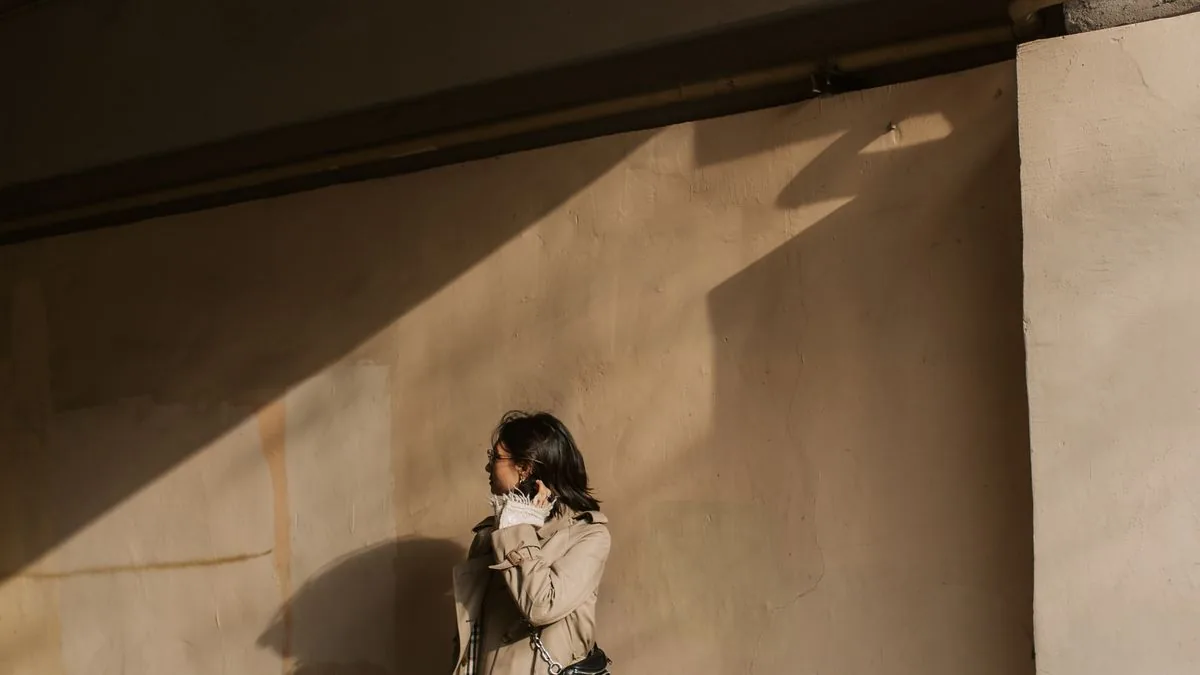

For a few seasons, quiet luxury felt like the only sensible answer to fashion. No logos, no shouting, no trend-chasing — just beautiful fabrics, clean lines and clothes that looked expensive because they were well made, not because they were well branded. It was the wardrobe equivalent of speaking softly and letting the quality do the talking. And for a while, it worked beautifully.
But walk through a city centre today, scroll through a feed, or stand in a department store, and something has shifted. The beige-on-beige uniform that once looked so considered now looks, in many places, a little tired. When everyone is whispering, nobody can be heard. That is the quiet part of the problem: a look built on restraint loses its power the moment it becomes the default.
This is an opinion piece, not a trend forecast backed by sales data, and it comes with a caveat up front: quiet luxury is not dead, and the ideas behind it were never wrong. What is fading is the version of it that became a uniform — the copy-paste beige capsule sold as a shortcut to looking rich. What follows is our honest take on what changed, what is replacing it, and what is genuinely worth keeping.
Key takeaways
- Quiet luxury faded as a look, not as an idea — it became so widely copied that its main selling point, standing apart, disappeared.
- The beige-only palette and logo-free uniform turned into a formula, and formulas are the opposite of personal style.
- What is replacing it is louder, more personal and more playful: colour, texture, vintage, and pieces chosen for character rather than status.
- Quality, fit and good fabric were never the problem — those parts of quiet luxury are worth keeping, just worn with more personality.
- Caveat: this is our editorial opinion, not a sales report — tastes move in cycles, and quiet minimalism will return in a new form, as it always does.
What quiet luxury was — and what it promised
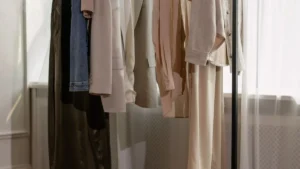
Quiet luxury arrived with a clear promise: buy less, buy better, and stop advertising your wealth on your chest. It drew on old-money dressing, on the wardrobes of women who had never needed a logo to be taken seriously, and on a growing fatigue with fast fashion and trend cycles that turned over every few weeks. The palette was restrained — cream, camel, grey, navy, black. The silhouettes were clean. The fabrics did the talking: cashmere, silk, linen, fine wool.
At its best, it was genuinely liberating. A well-cut pair of trousers and a beautiful knit can carry a whole week of outfits. There is real pleasure in a wardrobe where everything goes with everything else, where getting dressed takes five minutes, and where nothing you own embarrasses you in a photograph five years later. For many of us, quiet luxury was the first time fashion felt calm rather than frantic — and that calm was the point.
It also carried a quiet moral argument, and that was part of its appeal. Choosing fewer, better pieces felt like a stand against waste and against the churn of micro-trends. It suggested a person who had taste rather than a shopping habit.
What changed

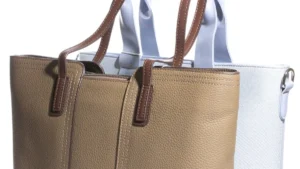
The first thing that changed was scale. When a style is adopted by every high-street chain at once, it stops being a signal. The same cream knit, the same camel coat, the same structured tote appeared in every shop window, at every price point, in every size. What had looked like discernment started to look like a dress code — and a dress code is the one thing this look was supposed to replace.
The second change was sameness. Quiet luxury, done strictly, leaves very little room for personality. The palette is narrow, the silhouettes are safe, and the whole point is not to stand out. Worn by one person, that reads as confidence. Worn by a whole street, it reads as a uniform. Many women we hear from describe the same feeling: they looked polished, but they did not look like themselves. The clothes were correct and the outfit was forgettable.
The third change was the context around it. The last couple of years have been anything but quiet — economically, culturally, and visually. In uncertain times, some people do retreat into neutrals. But many others want their clothes to do the opposite: to lift the mood, to show some joy, to mark a return to going out, to pleasure, to being seen. A beige capsule can feel like the right answer in a calm season and the wrong one in a season that asks for a little more life.
Finally, the look became a target. Once “quiet luxury” became a phrase every brand used, it stopped meaning anything. High-street labels attached it to polyester blends, and influencers built whole identities around it in a month. When a label means everything, it means nothing — and thoughtful shoppers noticed.
What is replacing it
The most visible replacement is colour — not neon, not costume, but real colour worn with confidence. Deep greens, rich burgundy, cobalt, warm reds and strong blues are showing up where beige used to sit, often in a single bold piece against otherwise simple clothes. It is a small shift with a big effect: one coloured knit or one coloured coat changes an entire outfit, and it says something about the person wearing it.
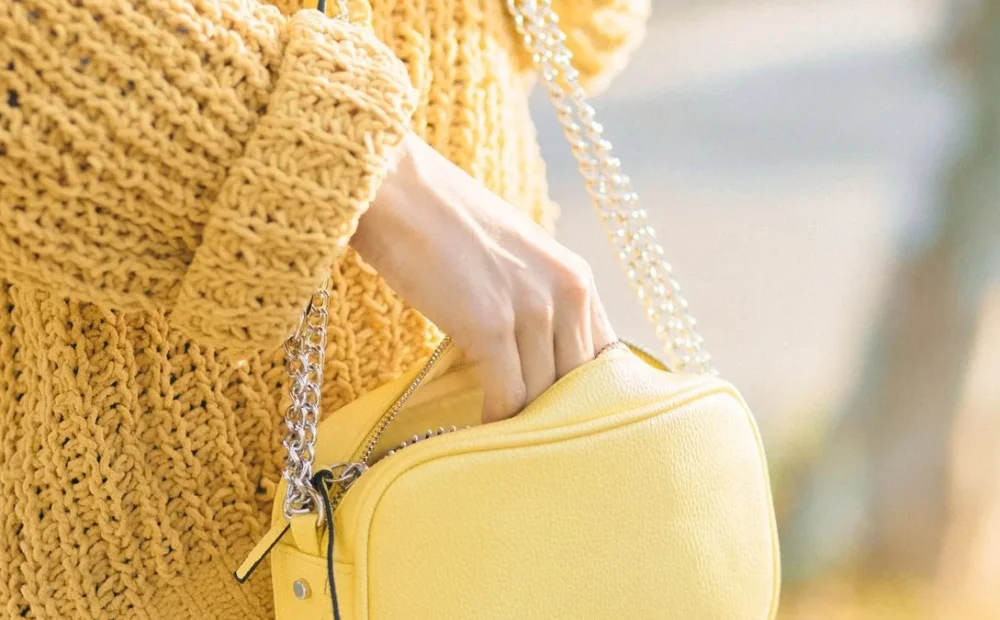
Texture is doing the same work. Where quiet luxury favoured smooth, flat surfaces, the new mood favours things you can feel: chunky knits, soft corduroy, velvet, leather, shearling, tweed with a visible weave. A textured piece does not need a logo to be interesting, and it photographs with far more character than another flat cream sweater. The handbag trends shaping 2027 tell the same story — softer shapes, richer materials and more varied colours are replacing the single plain structured tote.
Personality is the deeper shift. Vintage and second-hand pieces, inherited jewellery, a brooch, a patterned scarf, a pair of shoes with a story — these are the details that make an outfit belong to one person rather than to a mood board. The most interesting wardrobes right now are not the most expensive ones; they are the most specific ones.
There is also a quiet rebellion in how people shop. Rather than buying a whole capsule at once, many are buying one beautiful thing at a time — a coat they will keep for a decade, a pair of shoes made properly, a bag chosen slowly. That is, ironically, the original promise of quiet luxury, kept alive by people who have stopped using the phrase. The luxury fashion brands worth knowing in 2027 are the ones that still earn that kind of slow, deliberate purchase — through craft and fit rather than through a trend label.
What is worth keeping
None of this means the whole idea should be thrown out. Quiet luxury got several important things right, and those things are worth carrying forward — just without the beige-only rulebook. Good fabric, good fit, fewer and better pieces, and clothes that last are not trends; they are the foundation of any wardrobe that works. The table below is our honest scorecard: what to keep, and what to let go.
| Element | What is known |
|---|---|
| Quality fabrics | Keep — cashmere, silk, linen and fine wool age better and feel better than cheap substitutes. |
| Good fit and tailoring | Keep — fit is what makes simple clothes look expensive, whatever the colour. |
| Buy less, buy better | Keep — fewer, well-chosen pieces beat a wardrobe full of near-duplicates. |
| The beige-only palette | Let go — neutrals are useful, but a wardrobe of only beige flattens personality. |
| No logos at all | Soften — discreet branding is fine; the point was never to ban a label, it was to avoid shouting. |
| One uniform for everyone | Let go — a look that fits every woman fits no woman particularly well. |
| Timeless over trendy | Keep, with limits — timeless pieces anchor a wardrobe, but a few joyful, of-the-moment pieces keep it alive. |
| Understatement as status | Reconsider — dressing well should be about how you feel, not about signalling wealth to strangers. |
The thread running through the “keep” column is simple: the craft was never the problem, the costume was. A beautifully made coat in a rich green is still quiet luxury in every way that matters — it is just not beige. The same is true of colour itself: learning how neutral colours work in an outfit is still useful, because neutrals are the background against which one strong colour can shine. The mistake was treating the background as the whole picture.
Checklist: keeping the good parts without the uniform
- Keep the fabrics and the fit — spend on construction, not on the label.
- Keep neutrals as a base, then add one colour, texture or pattern you genuinely love.
- Add one personal detail — vintage, inherited, handmade — that no one else could copy exactly.
- Buy one beautiful thing at a time, and only when you can picture wearing it in three years.
- Check the mirror for yourself, not for a mood board: do you look like you, only better?
- Let one outfit a week be joyful rather than correct — colour, print or a piece that makes you smile.
Frequently asked questions
Is quiet luxury really over?
Not as an idea. The fabrics, the fit and the buy-less-buy-better thinking are still sound. What is fading is the strict beige uniform version of it — the look that became so widely copied it stopped saying anything personal. Expect the principles to survive and the costume to change.
Does this mean logos are back?
Not necessarily, and not in the old head-to-toe way. What is returning is visibility in general — colour, texture, pattern and personality — rather than logos specifically. Many people still prefer discreet branding; they are simply pairing it with more expressive clothes.
Can I still wear beige and cream?
Absolutely. Beige, cream, camel and grey are useful, flattering neutrals, and a well-made neutral outfit still looks wonderful. The shift is only against wearing nothing but neutrals, all the time, as if colour were a mistake. One coloured piece is usually enough to change the whole feeling.
What should I keep from my quiet-luxury wardrobe?
Keep the best-made pieces: the coat with a good cut, the knit in real cashmere or wool, the trousers that fit properly, the leather bag that has aged well. Those are the foundation. Then add colour, texture or a personal piece around them, rather than replacing the whole wardrobe.
Is the new, louder style just another trend cycle?
Honestly, yes — partly. Fashion moves in cycles, and the swing from restraint to expression is one of the oldest patterns there is. The difference this time is that the reaction is less about following a new rule and more about personal choice.
How do I update my wardrobe without spending a fortune?
Start with one change, not ten. One coloured knit, one textured scarf, one vintage brooch or one pair of shoes in a colour you love can transform outfits you already own. The expensive mistake is buying a whole new capsule; the smart move is adding personality to the good pieces you already have.
The bottom line
Quiet luxury faded for the most ordinary reason a fashion idea can fade: it worked too well, too many people copied it, and the copy lost the soul of the original. The original was never really about beige. It was about choosing well, dressing for yourself, and letting quality speak instead of noise.
Our take, in short: keep the craft, drop the costume. Buy the coat that fits beautifully, whether it is camel or deep green. Wear the neutrals you love, and then wear one thing that is unmistakably yours. Fashion’s quietest lesson was never that you should disappear into your clothes — it was that the best-dressed person in the room is usually the one who looks most like herself.
Note: This article is an editorial opinion piece. It reflects our view on a fashion trend, not sales data or a forecast, and tastes vary by person, place and season. Treat it as a starting point for your own style choices, not as a rulebook.
Meet Our Experts
Our fashion and lifestyle editors cover style, luxury and wardrobe building for BrassSmile, drawing on brand collections, runway coverage and reader feedback.
Why Trust BrassSmile
We write about fashion we have looked at closely — fabrics, fit, construction and how pieces work in a real wardrobe — and we say plainly when a piece is opinion rather than tested fact.
Sources
Brand collections and runway coverage; BrassSmile fashion guides; general fashion commentary on the quiet-luxury trend.