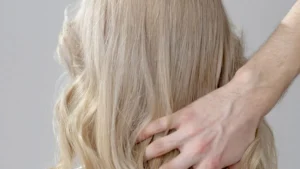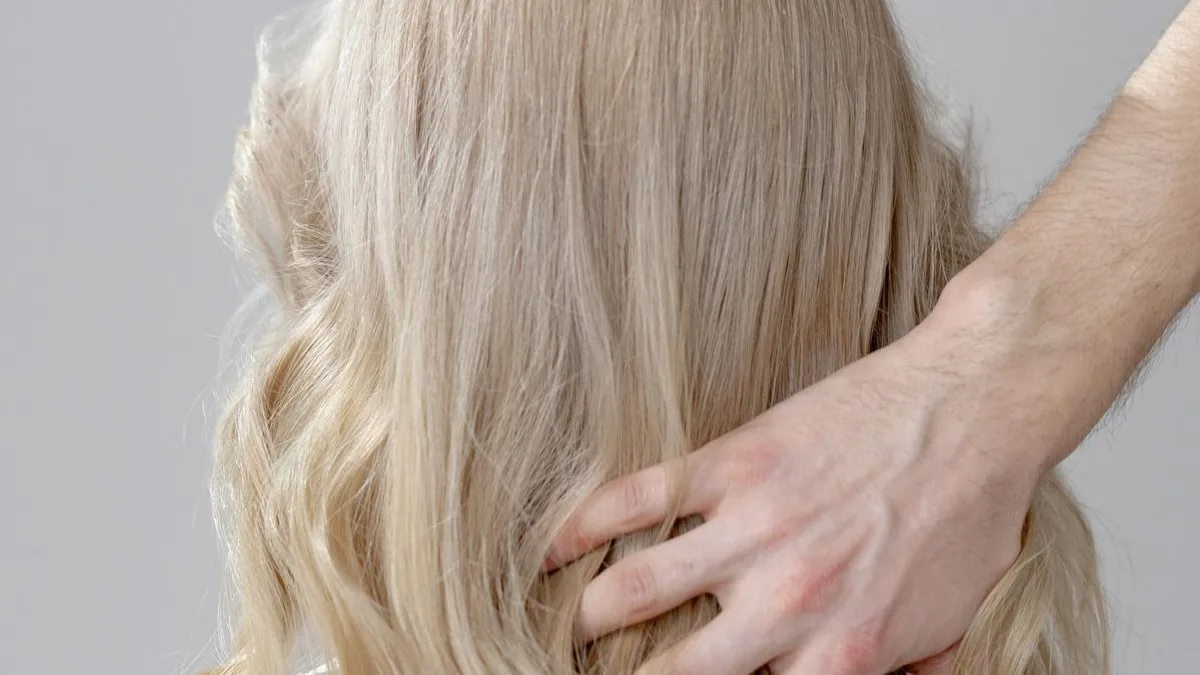
A hair glaze is a semi-permanent coating that sits on the surface of the hair shaft and adds shine, smoothness and a small amount of colour. It does not lift your natural colour, open the cuticle the way permanent dye does, or change the structure of the hair. Think of it as a clear or lightly tinted top coat: it fills in rough patches on the surface and reflects light more evenly.
Glazes are popular because they give a visible result with very little commitment. A salon glaze usually takes under an hour, fades gradually over one to three weeks, and can be repeated without the regrowth line of permanent colour. At-home versions are simpler still, applied like a deep conditioner and rinsed out after a set time.
That simplicity is also where the confusion starts. Glazes are sold alongside toners, glosses and demi-permanent colour, and the words are often used as if they mean the same thing. They do not. A glaze coats the outside of the hair, a toner adjusts the tone of lightened hair, and a dye changes colour more deeply and lasts longer.
Key takeaways
- A hair glaze is a surface coating that adds shine and smoothness, with clear or lightly tinted colour, and it fades in about one to three weeks.
- It is not a toner: a glaze does not correct yellow or brassy tones in lightened hair, and it does not lift or permanently change your colour.
- Clear glazes suit almost any hair type, while tinted glazes work best for refreshing faded colour or adding a soft wash of tone.
- Results depend on the condition of your hair: porous or damaged hair may absorb tint unevenly and fade faster.
- A glaze will not repair damage, cover grey fully, or replace a colour service when a real colour change is needed.
What a Hair Glaze Actually Is
A hair glaze is a lightweight, semi-permanent treatment made of conditioning agents and, in tinted versions, a small amount of direct dye. It sits on the outside of the hair shaft rather than penetrating deeply into it, leaving a thin, even layer over the cuticle, the outermost layer of each strand. That layer creates the shine: a smooth surface reflects light in one direction, while a rough, raised cuticle scatters it.
Most glazes are ammonia-free and do not require a developer, which is one reason they are described as gentle. They cannot make hair lighter. A clear glaze adds no colour at all, only shine and smoothness. A tinted glaze deposits a small amount of colour on the surface, enough to refresh a faded shade, but not enough to take hair from brown to blonde or cover a large amount of grey.
Salons use glazes as a finishing step after a colour service, to seal in colour and even out tone, and as a standalone treatment between appointments, to revive dull hair without more dye. The effect is most obvious on hair that has lost shine through heat styling, colouring or sun, because the coating fills in the uneven surface.
How a Hair Glaze Is Applied
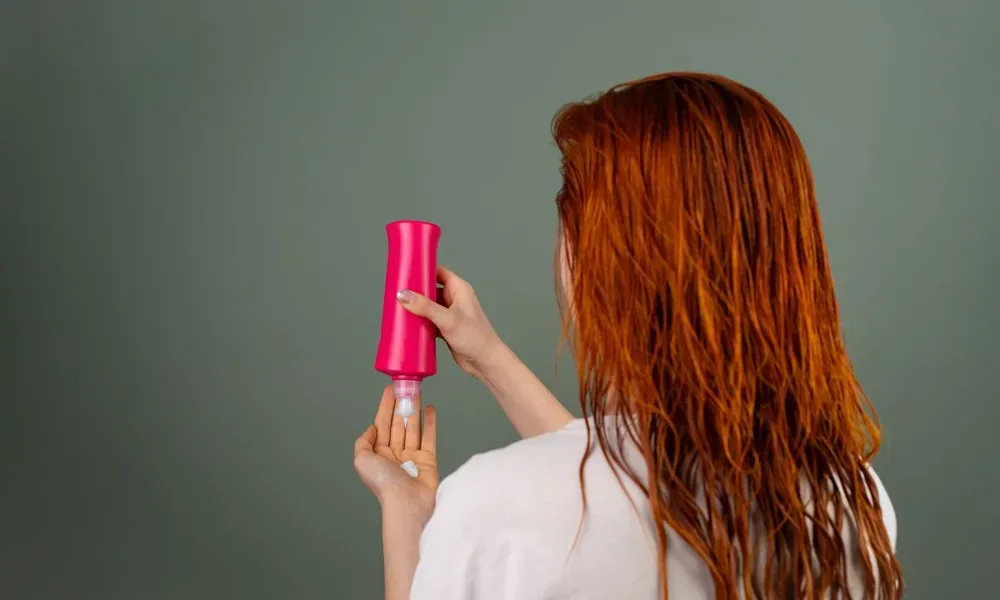
In a salon, a glaze is applied after the hair has been washed and towel-dried. The stylist combs the product through from roots to ends, leaves it to process for around ten to twenty minutes, sometimes with gentle heat, then rinses with cool or lukewarm water. The whole appointment often takes less than an hour.
At home, start with clean, towel-dried hair that is damp but not dripping. Apply the glaze evenly, section by section, using your fingers or a wide-tooth comb, paying attention to the mid-lengths and ends, which are usually the dullest. Leave it on for the time stated on the packaging, usually ten to thirty minutes, then rinse thoroughly.
A few details make a difference. Wear gloves with tinted formulas, and use an old towel to protect clothes and surfaces. After rinsing, skip shampoo for a day or two, since each wash removes a little of the coating. Use a gentle, sulphate-free shampoo when you do wash. Washing your hair properly, with lukewarm water and a small amount of product, matters more than washing it often.
Glaze vs Toner vs Gloss vs Dye
The four terms overlap in marketing, but they describe different things. A glaze coats the surface. A toner is a colour-correcting product used mainly on lightened or blonde hair to neutralise unwanted yellow, orange or brassy tones. A gloss is the least precise term: some brands use it for a clear shine treatment, effectively a glaze, while others use it for a demi-permanent colour with a low level of developer. A dye changes the colour more deeply and lasts considerably longer.
The difference shows in what each one can fix. If your blonde has gone yellow, a glaze will add shine but will not remove the yellow; a toner will. If your brown colour has faded and looks flat, a tinted glaze can refresh it without a full dye job. If you want to go from dark brown to copper, or to cover grey thoroughly, neither a glaze nor a toner will do the job.
| Treatment | What it does |
|---|---|
| Hair glaze | Coats the surface for shine and smoothness, clear or lightly tinted; fades in 1 to 3 weeks. |
| Hair toner | Corrects yellow, orange or brassy tones in lightened hair; works inside the shaft. |
| Hair gloss | A loose term: sometimes a clear shine coat like a glaze, sometimes a demi-permanent colour. |
| Demi-permanent dye | Deposits colour with a low-level developer, lasts 4 to 6 weeks, blends grey but does not lift hair lighter. |
| Permanent dye | Changes colour inside the shaft, lasts until it grows out, can lift colour and cover grey fully. |
| Clear glaze | Adds shine and smoothness with no colour change; suits any hair colour, including virgin and grey hair. |
| Tinted glaze | Adds a soft wash of colour and refreshes faded shades; best on hair close to the target shade. |
| Deep conditioning mask | Moisturises and softens the hair but adds no colour and less surface shine than a glaze. |
How Long a Glaze Lasts and Who It Suits Best
Most glazes last between one and three weeks, depending on how often you wash your hair, the products you use, and the condition of your hair. Clear glazes tend to last slightly longer in appearance because there is no colour to fade, only shine that gradually diminishes. Hot water and clarifying shampoos shorten the result, while cool water and gentle cleansing stretch it out.
A glaze suits almost anyone who wants more shine without changing their colour. It works well on colour-treated hair that has faded between appointments, on hair that looks dull after heat styling or sun, and on hair that is naturally healthy but flat. It is also a good option before an event, since the result is immediate.
Straight and wavy hair shows shine most clearly. Curly and coily hair can still benefit, mainly through smoothing and less frizz, though the shine may be less dramatic. Very porous hair absorbs tinted glaze unevenly, so colour can look stronger on the ends than the roots; a clear glaze is the safer choice there. If shine is the main goal, professional hair shine products cover the serums, sprays and treatments that work alongside a glaze rather than replacing it.
The Caveats That Matter
A glaze is a gentle treatment, but it is not a repair treatment. It coats the surface, which makes hair look and feel better, but it does not rebuild the internal structure of damaged hair. If your hair is breaking, splitting or very dry, a glaze will make it look shinier for a week or two, and the underlying dryness will still be there when it fades. A regular hydrating hair mask used between glazes does more for the condition of the hair than repeating the glaze more often.
Allergic reactions are uncommon with glazes, especially clear ones, but tinted formulas contain dyes, so a patch test is sensible if you have sensitive skin or have reacted to hair colour before. Apply a small amount behind the ear, wait the time stated on the packaging, and check for redness or itching before using it on your whole head.
Colour results are also less predictable than the packaging suggests. A tinted glaze looks different on dark hair, light hair, porous hair and previously coloured hair, even in the same shade. On dark hair it may be barely visible except in sunlight; on light or bleached hair it can look much stronger. A strand test on a hidden section is the simplest way to see the real result first.
Checklist: Before You Try a Hair Glaze
- Decide what you want: shine only means a clear glaze, while faded colour means a tinted glaze in a shade close to your current colour.
- Check whether your problem is tone, not shine: yellow or brassy blonde needs a toner, not a glaze.
- Do a strand test with a tinted glaze, especially on porous, bleached or previously coloured hair.
- Wash with a gentle shampoo and towel-dry first, then apply evenly section by section so the coating does not sit thickly in one place.
- Follow the processing time on the packaging instead of leaving the product on longer.
- Plan your washing routine afterwards: cool water and gentle shampoo will make the glaze last longer.
Frequently Asked Questions
Is a hair glaze the same as a hair gloss?
Sometimes, but not always. Some brands use gloss to mean a clear shine treatment, which is effectively the same as a glaze. Others use gloss for a demi-permanent colour that penetrates more deeply and lasts longer. If it is a simple coat-and-rinse treatment with no developer, it is behaving like a glaze.
Will a hair glaze cover grey hair?
No, not properly. A tinted glaze can soften the look of a small amount of grey by adding a wash of colour over it, but grey hair is resistant and the tint washes out quickly, often unevenly. If covering grey is the goal, a demi-permanent or permanent dye is the right product.
How often can you use a hair glaze?
As often as every two to three weeks, once the previous application has faded. Because a glaze does not use ammonia or lift the hair, repeating it does not cause the same cumulative damage as repeating permanent dye. Using a tinted glaze too often on porous hair can lead to colour build-up on the ends, so wait until the previous coat has mostly washed out.
Can you glaze your hair at home?
Yes, at-home glazes are made for exactly that, and the process is similar to applying a hair mask: clean, damp hair, even application, the stated processing time, and a thorough rinse. A clear glaze is the easiest at-home option because there is no colour to get wrong.
Does a hair glaze damage your hair?
A glaze is one of the gentlest colour-related treatments available, because it does not lift the hair or use ammonia. Most people experience no damage from it. The main risks are cosmetic: uneven tint on porous hair, colour build-up from overuse, or a reaction to dye ingredients in a tinted formula.
Will a glaze make my hair look oily?
It should not, if it is rinsed properly and not over-applied at the roots. A glaze adds shine, which can be mistaken for oiliness on very fine or flat hair if too much product is left near the scalp. Apply it mainly through the mid-lengths and ends, and rinse until the water runs clear.
The Bottom Line
A hair glaze is a simple, low-commitment way to add shine and smoothness to your hair, and to refresh faded colour with a tinted version. It works on the surface, fades gradually over one to three weeks, and does not carry the regrowth or damage concerns of permanent dye.
The key is to choose it for the right problem. If you want shine, a glaze is an excellent choice. If you want to correct yellow tones, you need a toner. If you want a real colour change or full grey coverage, you need a dye. Match the product to the problem, and a glaze will do exactly what it promises, nothing more and nothing less.
Note: Results vary with hair type, colour history and condition. A strand test and a patch test are the safest first steps with any tinted glaze.