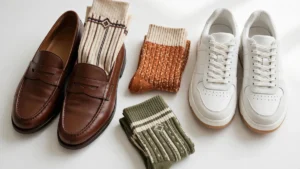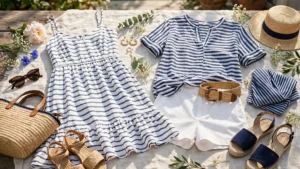

What Are Neutral Colours for Clothes? 9 Shades That Work With Everything
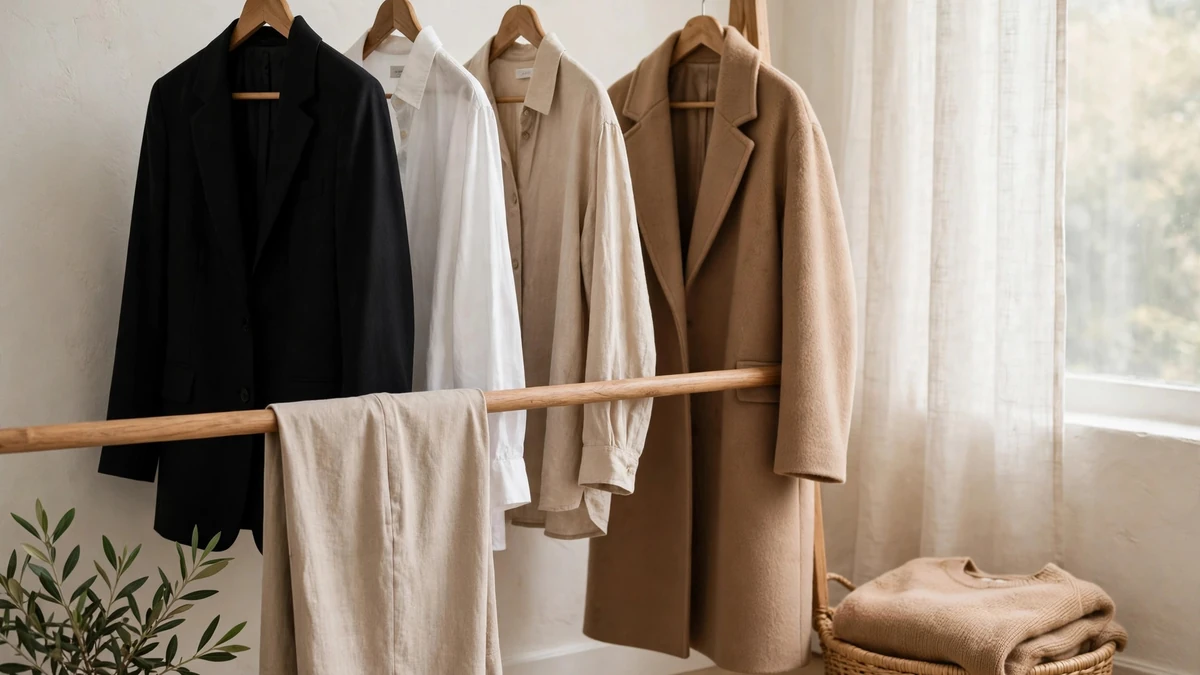
Neutral colours are the quiet backbone of every good wardrobe. They are the shades that never argue with each other, never go out of fashion, and never make an outfit harder to put together. Black, white, cream, beige, grey, navy, camel, olive and taupe are the nine shades that do this work, and once you understand how each one behaves, getting dressed becomes noticeably easier.
The appeal is not that neutrals are boring. It is that they are reliable. A neutral wardrobe gives you more outfits from fewer pieces, because everything can be combined with everything else.
Below are the nine neutral shades that work with everything in 2027, with what each one is good at, what to watch for, and who it suits best, so you can choose the neutrals that flatter you rather than the ones that simply look good on a rail.
Key takeaways
- Neutral colours are shades with low saturation: black, white, cream, beige, grey, navy, camel, olive and taupe, and they combine freely with each other and with colour.
- The right neutral depends on your skin tone: warm skin suits camel, cream and olive, while cool skin suits grey, navy and true black.
- Fabric matters as much as colour: the same shade looks richer in wool or silk than in a thin synthetic, and cheap neutrals show wear fastest.
- A wardrobe built on three or four neutrals, not all nine, gives the most outfits with the least effort.
- Neutrals are not a rule against colour: they are a base that makes one bright piece, a scarf or a bag, look intentional rather than accidental.
What neutral colours actually are
A neutral colour is a shade with very little saturation, which means it has almost no obvious hue pulling it toward red, blue or yellow. Black, white and grey are the true neutrals, with no hue at all. Beige, cream, camel, taupe, navy and olive are near-neutrals: they lean warm or cool, but so gently that they behave like neutrals in an outfit. That is why they pair with almost anything, while a saturated colour such as cobalt or cherry red needs more thought.
The reason neutrals work so well together is that they do not compete. Two strong colours in one outfit can clash or split attention. Two neutrals simply sit together, and the eye reads the outfit as calm and finished.
How we chose these nine shades and what to look for
We chose shades that are genuinely versatile, widely available, and flattering across skin tones. Each one appears in real wardrobes, in real fabrics, and in pieces you can actually buy, from high-street knits to investment coats.

Look first at undertone. Hold the fabric near your face in natural light. If your skin looks brighter and your eyes look clearer, the undertone suits you. If you look tired or grey, it does not, however fashionable the shade is. Warm skin, with golden or olive undertones, usually suits camel, cream, warm beige and olive. Cool skin, with pink or blue undertones, usually suits grey, navy, true black and cool taupe. A holiday capsule wardrobe built on the right neutrals packs lighter and works harder, because every piece earns its place.
Look next at fabric and finish. Neutrals show quality, or the lack of it, more honestly than colour does. A black wool coat looks rich. A black polyester coat can look shiny and tired after a few wears. The same is true of white: a crisp cotton poplin shirt looks clean and expensive, while a thin white tee can look see-through and shapeless.
Finally, look at how many neutrals you actually need. Nine shades is the full palette, not a shopping list. Most people look best in three or four: one dark, one light, one warm and one cool.
The 9 neutral shades that work with everything
Black
What we like: The most versatile neutral of all, slimming, formal, and easy to dress up or down. It pairs with every other neutral and every colour, and it never looks out of place.
What to consider: True black can be harsh against very fair or warm skin, and cheap black fades fastest. Best for: Evening, work, and any outfit that needs to look sharp. Fabric: Wool, crepe and silk hold black best; thin jersey fades and pills. Price range: From high-street basics to investment tailoring. Standout feature: It makes everything else in the outfit look more deliberate.
Black is the neutral every wardrobe starts with, but it is not the neutral every skin tone should wear next to the face.
White
What we like: Clean, bright and endlessly fresh. A white shirt is the single most useful piece in most wardrobes, and white trousers or a white dress feel instantly polished in warm weather.
What to consider: White shows stains, needs care, and can look stark on very pale skin. Best for: Shirts, summer outfits, and breaking up dark neutrals. Fabric: Cotton poplin, linen and silk; avoid thin, see-through blends. Price range: Affordable at every level, though a well-cut white shirt is worth paying more for. Standout feature: It lifts every other neutral it sits beside.
True white suits cool skin best. Warm skin often looks better in cream or off-white, which softens the contrast.
Cream
What we like: Softer and warmer than white, cream flatters most skin tones and looks expensive in knitwear, coats and silk. It is the friendliest light neutral.
What to consider: Cream can look yellow in the wrong light and marks easily, so it needs the same care as white. Best for: Knits, coats, silk blouses and wedding-guest outfits. Fabric: Cashmere, merino, silk and cotton all take cream beautifully. Price range: Mid-range to luxury, with the best value in knitwear. Standout feature: It warms up black, navy and grey without adding colour.
Cream is the light neutral to choose if white feels too sharp.
Beige
What we like: Beige is the classic warm neutral, soft, understated and easy to wear head to toe. A beige trench coat is one of the most useful outerwear pieces ever made.
What to consider: Beige can wash out pale skin if the shade is too close to your own colouring, so contrast matters. Best for: Trench coats, linen trousers, summer suiting and tonal outfits. Fabric: Cotton gabardine, linen and wool; beige looks best in natural fibres. Price range: From high-street trenches to luxury coats. Standout feature: It creates a calm, tonal look with cream, camel and taupe.
The trick with beige is to avoid wearing a single flat shade from head to toe in the same fabric.
Grey
What we like: Grey is the cool neutral that suits almost everyone, softer than black and more interesting than white. It works for workwear, knitwear and tailoring alike.
What to consider: Mid-grey can look dull if the whole outfit is the same shade, so vary the tones. Best for: Tailoring, knitwear, coats and smart-casual outfits. Fabric: Wool flannel, cashmere and cotton; grey looks best in matte, textured fabrics. Price range: Affordable to luxury, with tailoring the best investment. Standout feature: It flatters cool skin tones and pairs with every colour.
Grey comes in many shades, and the range is the point. Charcoal is nearly as formal as black. Light grey is soft and easy. Mid-grey is the workhorse.
Navy
What we like: Navy is the dark neutral that flatters more people than black. It is rich, classic and slightly softer, and it works for everything from suits to denim.
What to consider: Navy and black together can look muddy unless the textures differ, so pair navy with cream, grey or camel instead. Best for: Suits, blazers, coats, dresses and smart trousers. Fabric: Wool, cotton twill and silk; navy looks richest in matte fabrics. Price range: From high-street to luxury tailoring. Standout feature: It is the most forgiving dark neutral for most skin tones.
If black feels too harsh near your face, navy is the answer.
Camel
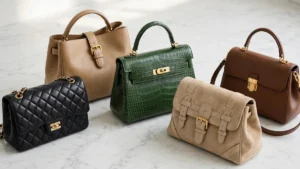
What we like: Camel is the warm, golden neutral that instantly makes an outfit look expensive. A camel coat is a wardrobe landmark, and camel accessories warm up black, navy and grey.
What to consider: Camel can clash with yellow-based skin tones if the shade is too close to your own colouring, and cheap camel can look orange. Best for: Coats, knitwear, leather accessories and autumn outfits. Fabric: Wool, cashmere and leather; camel needs quality to look its best. Price range: Mid-range to luxury, with coats the best investment. Standout feature: It adds warmth and richness to any dark outfit.
Camel is at its best in autumn and winter, when its warmth matches the season.
Olive
What we like: Olive is the earthy neutral that adds depth without adding brightness. It works beautifully with black, cream, camel and denim, and it suits warm and olive skin tones especially well.
What to consider: Olive can look drab in cheap fabrics, and it needs contrast, so pair it with cream or black rather than more olive. Best for: Trousers, jackets, knitwear and utility-inspired outfits. Fabric: Cotton twill, linen and wool; olive looks best with texture. Price range: Affordable to mid-range, with jackets the best buy. Standout feature: It is the neutral that makes denim and leather look more interesting.
Olive is the neutral people forget, and that is its advantage.
Taupe
What we like: Taupe sits between grey and beige, and it is the most adaptable neutral of all. It works with warm and cool palettes, and it is the easiest shade for tonal, head-to-toe outfits.
What to consider: Taupe can look muddy if the shade is wrong for your skin, so try it in daylight before buying. Best for: Knitwear, trousers, coats and tonal outfits. Fabric: Cashmere, wool and suede; taupe loves soft, matte textures. Price range: Mid-range to luxury, with knitwear the best value. Standout feature: It bridges warm and cool neutrals in a single outfit.
Taupe is the shade to reach for when you want a neutral outfit that does not feel black, white or grey.
Which neutral is right for you
Start with your skin. Warm skin, with golden, peachy or olive undertones and veins that look greenish, usually suits camel, cream, warm beige, olive and warm taupe. Cool skin, with pink or blue undertones and veins that look bluish, usually suits grey, navy, true black and cool taupe.
Next, think about contrast. High-contrast colouring, dark hair with fair skin, can carry strong contrasts such as black and white together. Low-contrast colouring, fair hair with fair skin, or dark hair with dark skin, usually looks better in softer combinations such as cream and taupe, or navy and grey. The 2026 colour trends show how neutrals sit alongside the season’s brighter shades, and the lesson is the same: neutrals are the frame, colour is the picture.
Finally, think about your life. If you work in a formal office, navy, grey and black will do most of the work. If your days are casual, cream, beige and olive will feel more natural. If you travel often, a core of black, cream and camel packs into a small case and covers every occasion.
The caveats that matter
Neutrals are forgiving, but they are not foolproof. The most common mistake is wearing one flat shade head to toe in the same fabric, which can look like a uniform rather than an outfit. Mix textures, a knit with a tailored trouser, a silk blouse with wool, and vary the shades slightly, and the outfit gains depth. The second mistake is buying cheap neutrals, because they show wear, fading and pilling faster than colour does. A black tee that fades grey after five washes is a false economy.
| Detail | What is known |
|---|---|
| Best dark neutral for most skin | Navy, which is softer than black and flatters more people |
| Best light neutral for most skin | Cream, which is warmer and softer than true white |
| How many neutrals to build on | Three or four core shades, not all nine at once |
| How to check undertone | Hold fabric near your face in natural daylight, not shop lighting |
| Biggest mistake | One flat shade head to toe in the same fabric, which looks like a uniform |
| Where to spend more | Coats, tailoring and knitwear, where neutrals show quality most |
| Where to spend less | Basic tees and summer pieces you replace often |
| What neutrals do not do | They do not replace colour entirely; one bright accent keeps an outfit alive |
Neutrals also need care. White and cream stain, black fades, camel marks, and grey pills. A neutral wardrobe is an investment, and it lasts longer when it is looked after.
Checklist: building a neutral wardrobe honestly
Use these checks before you buy, and again when you clear out your wardrobe.
- Check your undertone: hold fabric near your face in daylight and see whether your skin looks brighter or duller.
- Pick three or four core neutrals, one dark, one light, one warm and one cool, and build around them.
- Check the fabric: neutrals show quality, so choose natural fibres for the pieces you wear most.
- Mix textures: pair knits with tailoring, silk with wool, and denim with leather, so tonal outfits have depth.
- Test the combination: lay the outfit out before you buy the next piece, and check that it works with at least three things you own.
- Keep one bright accent: a scarf, a bag or a pair of shoes in colour stops a neutral wardrobe from feeling flat.
Frequently asked questions
What are the main neutral colours for clothes?
Black, white, cream, beige, grey, navy, camel, olive and taupe. Black, white and grey are true neutrals with no hue. The rest are near-neutrals that lean warm or cool, but behave like neutrals in an outfit.
Which neutral colour suits warm skin best?
Camel, cream, warm beige, olive and warm taupe. These shades share the golden undertone of warm skin, so they brighten rather than wash out. True black and cool grey can feel harsh on warm skin, especially near the face.
Which neutral colour suits cool skin best?
Grey, navy, true black and cool taupe. These shades share the pink or blue undertone of cool skin. Cream can also work, but warm camel and olive are often less flattering on cool skin than on warm skin.
Can I wear black and navy together?
Yes, but vary the textures so the two dark shades do not blur into one another. A navy wool blazer with black leather trousers, or a black silk top with navy tailored trousers, works better than two flat dark fabrics in the same finish.
How many neutral colours should my wardrobe have?
Three or four core neutrals is enough for most people. One dark, one light, one warm and one cool gives you enough combinations for every occasion, without a wardrobe full of shades you never reach for. Organising them helps too, and our guide to how to organise your closet shows how to group neutrals so you can see what you actually wear.
Are neutral colours boring?
No, they are a base. Neutrals make an outfit calm and put-together, and they make one bright piece look intentional. A neutral outfit with a red bag, a green scarf or a patterned shoe is more striking than a colourful outfit with no anchor at all.
The bottom line
The best neutral colours for clothes in 2027 are the ones that suit your skin, fit your life, and work with the pieces you already own. For most people that means navy or black as the dark anchor, cream or white as the light, and camel or taupe as the warm bridge.
Start with the shades you already wear most, check the undertone in daylight, and buy the next piece only if it works with at least three things you own. That is the honest way to build a neutral wardrobe: slowly, deliberately, and around your own colouring, not around a trend.