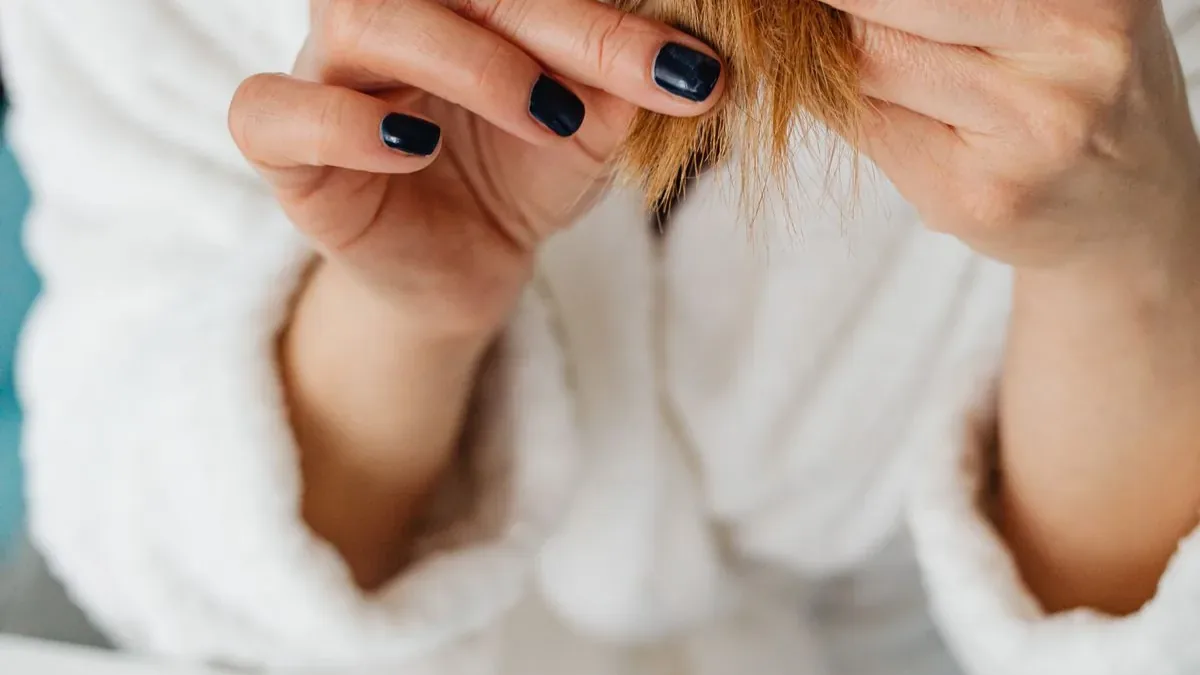
A hair oil treatment is one of the oldest beauty rituals still in regular use, and in 2027 it is having a quiet comeback. The idea is simple: a plant-based oil is worked into the scalp and through the lengths of the hair, left to sit for a set time, and then washed out. No heat, no salon chair, no complicated equipment. Women in South Asia have oiled their hair for centuries, and the modern version is the same practice with better bottles and clearer guidance.
What has changed is the way people talk about it. A decade ago, hair oil was something grandmothers did on a Sunday afternoon. Today it is a deliberate step in a haircare routine, sold in everything from drugstore bottles to small-batch blends that cost as much as a good dinner. The promise has stayed consistent: softer, shinier hair, a calmer scalp, and less breakage over time.
This guide explains what a hair oil treatment actually is, how it works, which oils suit which hair, and where the claims run ahead of the evidence. It is for anyone wondering whether oiling is worth the mess, the waiting, and the extra wash.
Key takeaways
- A hair oil treatment is oil massaged into the scalp and hair, left on for 30 minutes to overnight, then washed out.
- It works mainly by coating the hair shaft, reducing water loss and friction, so hair looks shinier and breaks less.
- Different oils suit different hair: coconut and olive for dry, thick hair; argan and jojoba for fine hair.
- It is a pre-wash treatment, not a styling product, and using too much oil is the most common mistake.
- No oil has been proven to make hair grow faster or regrow lost hair.
What a hair oil treatment actually is
At its most basic, a hair oil treatment is a conditioning step that happens before shampooing. You warm a small amount of oil between your palms, work it into the scalp with your fingertips, smooth what is left through the mid-lengths and ends, and leave it alone for 30 minutes to two hours, or overnight under a shower cap. When the time is up, you shampoo it out, usually twice, and condition as normal.
The treatment works in two places. On the hair shaft, oil forms a thin coating that slows down how quickly water moves in and out of the strand. Hair swells when it gets wet and contracts as it dries, and that repeated movement weakens the strand over time. A light coat of oil reduces it, which is one reason oiled hair feels smoother and snaps less when brushed. On the scalp, the massage matters as much as the oil, because it loosens flakes and spreads the scalp’s own natural oils.
There are two kinds of hair oil treatment, and they are often confused. A pre-wash treatment is the classic version: a generous amount of oil, left on for hours, then washed out completely. A leave-in oil is the lighter version: two or three drops smoothed over damp ends after washing, never rinsed out, for shine and frizz control. A treatment meant to be washed out will leave fine hair flat and greasy if used as a leave-in.
How we chose what to look for, and what matters most
The first thing to look for is the oil itself, and specifically how heavy it is. A heavy oil, like castor or unrefined coconut, coats thickly and suits coarse, dry, or very curly hair. A light oil, like argan or jojoba, spreads thinly and suits fine hair that goes limp under anything richer. The wrong weight is the most common reason a first treatment disappoints. Our guide to the best hair oils for a shag cut shows how the same principle plays out for one specific style, because a layered cut needs an oil that adds shine without flattening the texture.
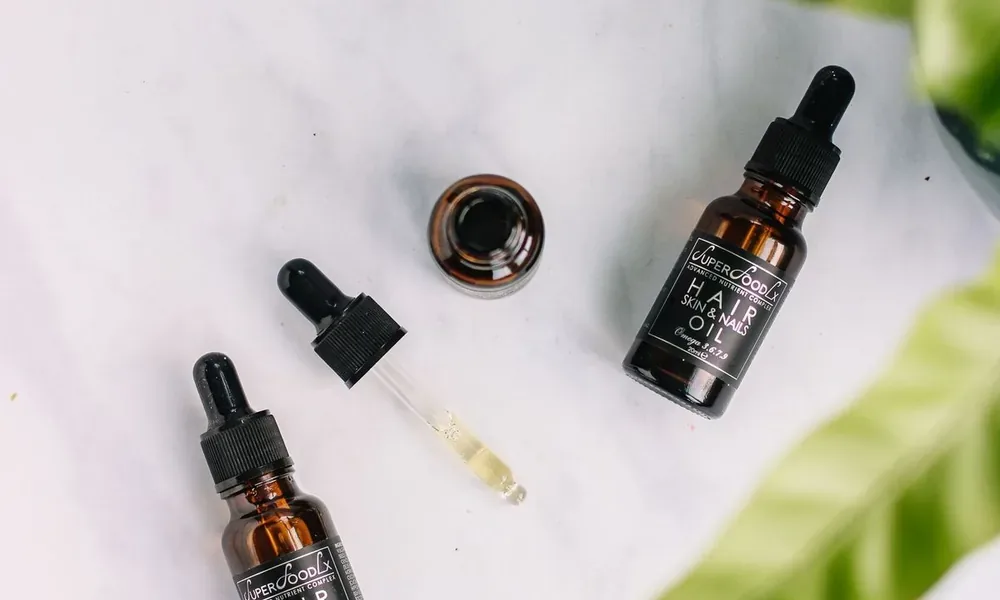
Look next at the ingredient list, and keep it short. A good hair oil lists one or two carrier oils at the top, such as coconut, argan, jojoba, or sweet almond, and perhaps a small amount of an essential oil like rosemary or lavender for scent. A long list of silicones, mineral oil, and fragrance is a different product: a styling oil dressed up as a treatment. The bottle should also have a dropper or a narrow spout, because pouring from a wide-necked bottle is how most people end up using three times too much.
Finally, match the oil to your routine. If you wash your hair every morning, a weekly pre-wash treatment fits better than an overnight one. If you wash twice a week, an overnight treatment before wash day is easy to build in. A treatment that fights your schedule will be abandoned, however good the oil is.
The oils, explained in plain terms
Most hair oils fall into a few familiar families. Coconut oil is the classic: it is one of the few oils that can actually get inside the hair shaft rather than sitting on the surface, which is why it reduces the swelling that comes with washing. It suits thick, dry, or damaged hair, but it can feel heavy on fine hair, and it solidifies in a cool bathroom. Warm the bottle in warm water for a minute before use.
Argan and jojoba: the lightweights
Argan oil, pressed from the kernels of the Moroccan argan tree, is light, absorbs quickly, and leaves a soft shine without much weight, making it the safest first oil for fine or wavy hair. Jojoba is technically a wax rather than an oil, and its structure is close to the scalp’s own sebum, so it spreads easily and rarely feels greasy. Both work well as leave-ins too. If you are unsure where to start, start here.
Castor and olive: the heavyweights
Castor oil is thick, sticky, and hard to wash out, so it is almost always diluted, usually one part castor to two parts of a lighter carrier oil such as jojoba or sweet almond. It coats the strand heavily, which can make hair look fuller, but it is not a growth treatment. Olive oil sits in the middle: richer than argan, lighter than castor, and easy to find in any kitchen. It suits dry, coarse hair, although it can be hard to rinse from fine hair.
Rosemary and other essential oils: the supporting cast
Essential oils such as rosemary, peppermint, and lavender are never used neat on the scalp. They are added in tiny amounts, a few drops per tablespoon of carrier oil, mainly for scent and the tingling feeling they give during a massage. Rosemary oil has attracted the most attention, after a small study found it performed similarly to a low-strength minoxidil solution for hair density over six months, but that was one small trial, not proof that it grows hair. Treat essential oils as a pleasant addition to a good carrier oil. Our guide on how to use hair oil on a shag cut walks through the same dilution and application steps.
The caveats that matter
| Detail | What is known |
|---|---|
| What it is | A pre-wash oil treatment, massaged into scalp and hair, left on 30 minutes to overnight, then shampooed out |
| What it does best | Coats the hair shaft, reduces moisture loss and friction, and makes hair look shinier and break less |
| What it does not do | No oil has been proven to make hair grow faster or regrow lost hair |
| Best for | Dry, coarse, curly, or damaged hair |
| Use with care | Fine or oily hair, where heavy oils can leave roots flat and greasy after two shampoos |
| Patch test | Try a new oil on a small patch of skin first, especially with essential oils, and wait 24 hours |
| How often | Once a week suits most people; twice a week for very dry hair, less for fine or oily hair |
| Cost in 2027 | A good carrier oil costs little, while small-batch blends cost noticeably more |
Checklist: before your first hair oil treatment
Run through these checks before the oil comes out of the bottle.
- Choose the weight first: light oils like argan or jojoba for fine hair, heavier oils like coconut or olive for thick, dry hair.
- Start with less than you think you need, about a teaspoon for shoulder-length hair.
- Warm the oil between your palms, or the bottle in warm water, so it spreads evenly.
- Part the hair and apply along the part lines, so the oil reaches the scalp.
- Massage with your fingertips for five minutes, using small circles.
- Protect your pillow and clothes with a shower cap or an old towel, and plan on shampooing twice.
Frequently asked questions
How long should I leave a hair oil treatment on?
Thirty minutes is enough to get most of the benefit, and one to two hours is the sweet spot. Overnight is fine too, but it is not required, and leaving oil on for a full day does not make it work better. If your scalp feels itchy, wash it out early.
Can I use hair oil on oily hair?
Yes, but lightly, and only on the lengths and ends rather than the scalp. A few drops of a light oil like jojoba on damp ends will add shine without making the roots greasy. A heavy pre-wash treatment on an already oily scalp is usually a mistake, and it will take two shampoos to remove.
Will hair oil make my hair grow faster?
No. No oil has been proven to speed up hair growth or regrow lost hair. Oil can make existing hair look fuller and break less, so it keeps more of its length over time, but that is not the same as growing hair faster.
Should I apply hair oil to wet or dry hair?
For a pre-wash treatment, apply it to dry, unwashed hair before wash day. The oil coats the strand and reduces the swelling that comes with washing. For a leave-in, apply a few drops to damp, towel-dried hair, focusing on the ends, and do not rinse it out.
How do I wash hair oil out properly?
Shampoo twice with lukewarm water. The first wash lifts most of the oil, and the second cleans the scalp properly. If the hair still feels coated, a third wash is better than scrubbing harder, and a clarifying shampoo once a month will clear any build-up. Avoid very hot water, which dries the hair out again.
Is a hair oil treatment the same as a hair serum?
No, although they are often confused. A hair oil is a nourishing treatment that works on the hair and scalp and is usually washed out, while a serum is a lightweight styling product, often silicone-based, that sits on the surface of the hair to add shine and tame frizz. Use an oil as a weekly treatment for health, and a serum for daily style and gloss. If frizz is your main concern, our guide to the best hair serums for frizz covers the other half of the routine.
The bottom line
A hair oil treatment in 2027 is what it has always been: a simple, inexpensive way to make hair softer, shinier, and less prone to breakage. It will not transform your hair overnight, make it grow faster, or fix damage that needs a cut. Done once a week with the right weight of oil, it will keep the hair you have in better condition.
Start light, start small, and give it a month before you judge it. Choose argan or jojoba if your hair is fine, coconut or olive if it is thick and dry, dilute anything heavy, and always shampoo twice. If the first treatment leaves your hair greasy, you used too much, and a teaspoon less next time will usually fix it.
Note: this guide is general beauty information, not medical advice. If you have a scalp condition, hair loss, or a reaction to any oil, stop using it and speak to a dermatologist or your doctor.
Meet Our Experts
BrassSmile’s beauty editors write from hands-on testing and published haircare guidance, consulting practising stylists when a topic needs a professional view.
Why Trust BrassSmile
We test the routines we recommend, name the limits of what a product can do, and do not repeat a brand’s claims without saying where the evidence stops.
Sources
Byrdie, Elle, and published haircare guidance on oil penetration, used as background for this guide.