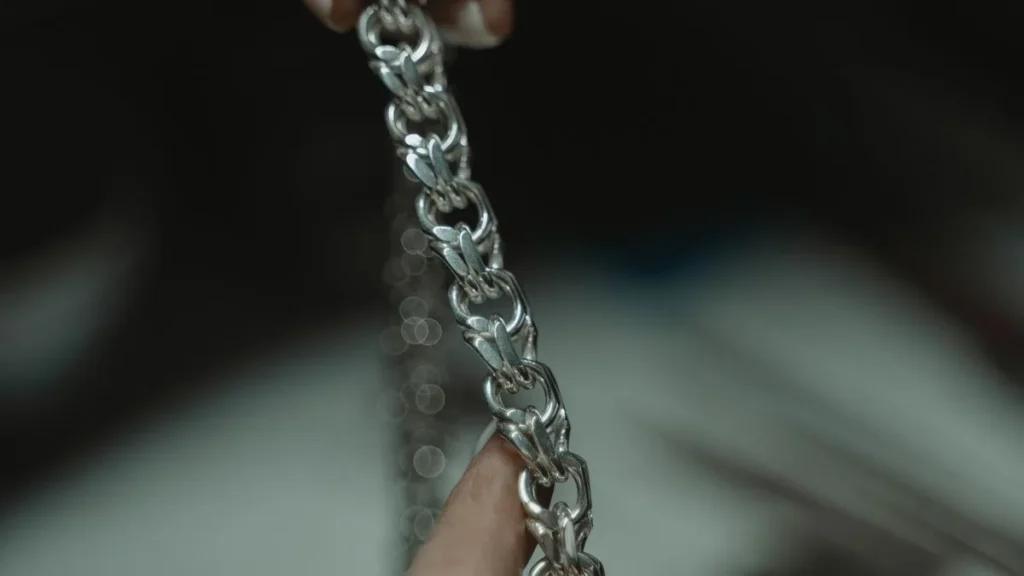
Why Handmade Jewellery Costs More 2027
Hold a handmade ring next to a factory-made one and the difference is not always obvious. Both can shine and both can carry the same stone. Then you see the prices: the handmade piece costs two, three, sometimes five times as much.
I have asked that question myself at a craft fair, holding a simple silver band and wondering how something so small could cost so much. The maker talked me through it: the hours at the bench, the metal lost to filing, the stone reset twice. None of that shows in the finished piece, which is exactly why it is easy to undervalue.
My honest view, after years of buying and writing about jewellery, is this: handmade costs more for reasons that are mostly real, sometimes overstated, and occasionally used as cover for a plain markup. The skill, the time and the materials genuinely cost more, but not every handmade price is fair.
Key takeaways
- Handmade costs more mainly because of skilled labour: hours of bench work that a factory replaces with machines and moulds.
- Small-batch makers buy metals and stones in small quantities, so they pay more per gram and per stone than large manufacturers.
- A handmade piece is usually made to be repaired and worn for decades, while much factory jewellery is made to be replaced.
- The premium is worth it for rings and daily wear, and less convincing for simple, mass-produced shapes.
- Not every high price is honest: vague claims and no repair offer are warning signs.
What Handmade Actually Means in 2027
The word handmade has become slippery. In 2027 it can mean a goldsmith shaping a ring from a strip of metal at a bench, filing and soldering every joint by hand. It can also mean a design assembled from ready-made parts, or a cast piece lightly finished by hand. All of these are sold under the same word, and they are not the same thing.
True handmade work starts with raw material. A bench jeweller cuts, forms, solders, files and polishes the metal, sets the stone by hand, and finishes the piece themselves. Casting is a legitimate craft, but a cast ring cleaned up by hand is not the same as a ring fabricated entirely at the bench. The honest distinction is between work that depends on a person’s judgement at every step and work that depends on a mould and a production line. So ask not “is this handmade?” but “what did a person actually do here?”
Where the Money Goes

The largest part of a handmade price is time, and it is the part buyers most often underestimate. A simple handmade ring can take two to four hours from raw metal to finished piece; a complex ring can take a full working day or longer. That time belongs to a skilled person, not a machine. A trained goldsmith has spent years learning to solder a joint that will not fail and to set a stone so it will not loosen.
Materials cost more at small scale too. A large manufacturer buys gold and silver by the kilo and stones by the parcel, at prices a small maker can never reach. An independent jeweller buys metal in small amounts and stones one at a time, and loses material in the process, since metal is filed away and polished off. Workshop costs add more: tools, rent, insurance and hallmarking fees, all paid from a small number of pieces rather than thousands. Then there is aftercare. A good handmade jeweller will resize and repair their own work for years, and that service is built into the price. Factory jewellery often comes with no repair service at all.
Handmade Versus Factory-Made: What Actually Changes
The most visible difference is finish. A handmade piece is finished by a person looking at it under magnification, checking every edge and joint. Edges are softened where they touch the skin, clasps are tested repeatedly, and a stone is checked from every angle. Factory pieces are finished to a standard, and that standard is often perfectly acceptable, but it is a standard, not a judgement. The difference shows over time: a handmade clasp still closes cleanly after years, while a factory clasp starts to loosen.
The second difference is repairability, and the third is choice. A handmade ring is usually made from solid metal of a known alloy, with joints that can be opened and re-soldered. A factory piece is often hollow, plated or glued, and made from an alloy chosen for cheap casting rather than repair. When a handmade piece breaks, a jeweller can usually fix it. When a plated factory piece wears through, there is often nothing to fix. A handmade maker can also change a design for you: a wider band, a lower setting, a different stone. A factory cannot, or will charge more for the change than the piece is worth. Our guide to how to choose a diamond ring covers the practical decisions that matter most when a piece is being made for you.
The Price at a Glance
Handmade prices vary enormously by metal, stone and maker, so the pattern matters more than exact figures. The table below shows where the money typically goes. Treat it as a guide to proportions, not a price list.
| Cost factor | What it means for the price |
|---|---|
| Bench hours | Hours of skilled hand work per piece, against minutes per piece on a production line. |
| Metal, bought small | Small quantities cost more per gram, and filing and polishing lose metal. |
| Stones, bought singly | One stone at a time from a trusted dealer costs more than stones bought by the parcel. |
| Workshop costs | Tools, rent, insurance and hallmarking spread across dozens of pieces, not thousands. |
| Design and consultation | Talking through a design, sketching and revising it is real work, and it is charged for. |
| Finishing and checking | Hand polishing and checking settings under magnification, piece by piece. |
| Aftercare and repairs | Resizing and repairs over years, often included in the original price. |
| Maker’s margin | A living wage for a skilled craftsperson, not the thin margin of a volume manufacturer. |
Read that table with a sceptical eye. It explains why a handmade silver ring can cost three times a similar factory ring, and it shows where a dishonest seller can hide. If a maker cannot say how many hours a piece took or what metal it is, the price should be lower.
When the Premium Is Worth It, and When It Is Not
In my opinion, the premium is clearly worth it for a ring you will wear every day. A wedding band, an engagement ring or a signet ring takes more wear than any other piece of jewellery, and the difference between a well-made handmade ring and a thin factory ring shows within a year. The handmade ring can be resized and repaired; the factory ring often cannot, and replacing it costs more than the original saving. For daily wear, handmade is not a luxury. It is the practical choice. It is also worth it when the piece means something specific: a ring for an engagement, a necklace marking a birth, a bracelet made from a grandmother’s stones.
Where I am less convinced is in simple, repeatable pieces. A plain silver chain, a basic stud earring, a simple bangle: machines make these extremely well, and the handmade version is often not noticeably better. If a maker charges three times the factory price for a plain chain, ask what the extra money buys. Sometimes it is better metal and a stronger clasp. Sometimes it is just the word handmade on the label. I am also cautious about sellers who do not make the work themselves: the price should reflect the shop’s service, not pretend to be the maker’s price. Buy from the maker when you can. If you are comparing established names as well as independent makers, our roundup of the best jewellery brands for 2027 is a useful starting point.
Your Handmade Jewellery Buying Checklist
Before you pay a handmade premium, run through this checklist. It takes five minutes, and it will save you from most of the mistakes I have seen people make.
- Ask how the piece was made, and expect a clear answer about casting, fabrication, setting and finishing.
- Check the metal: ask for the exact alloy and fineness, and look for a hallmark on gold, silver and platinum pieces.
- Ask about the stone: what it is, whether it is natural or lab-grown, and whether it has been treated.
- Ask who will repair it, what resizing costs, and whether the maker guarantees their setting work.
- Compare like with like: the same metal, weight and stone size, across a handmade piece and a factory piece.
- Buy from the maker, or from a seller who can name the maker, and keep the receipt and any certificate together.
Frequently Asked Questions
Why is handmade jewellery so much more expensive than shop jewellery?
Mostly labour and scale. A handmade piece takes hours of skilled time, uses metal and stones bought in small quantities, and carries workshop costs spread across few pieces. A factory spreads the same costs across thousands of pieces.
Is handmade jewellery always better quality?
No. A well-made factory piece can be better than a badly made handmade piece. Handmade gives a maker the chance to do better work, because every step is judged by a person, but it does not guarantee it. Judge the piece itself: finish, weight, setting and clasp.
How can I tell if jewellery is really handmade?
Ask the maker to describe the process, and look for the signs of hand work: slight variations in texture, hand-finished edges, a hallmark, and a maker’s mark. A seller who cannot describe the making is a warning sign.
Does handmade jewellery hold its value?
It holds its value better than most factory jewellery, but jewellery is rarely a good financial investment. A handmade piece in solid gold or platinum, with a well-set stone, keeps more of its material value and can be repaired. A plated factory piece has little value beyond its fashion life.
Is gold handmade jewellery worth the extra cost?
Usually, yes, for pieces you will wear often. Gold is expensive in itself, so the making cost is a smaller share of the total than it is for silver, and durability, repairability and a proper setting matter more. Our guide to the best gold jewellery brands for 2027 shows how much gold pieces vary across brands and makers.
Should I commission a handmade piece or buy one ready-made?
Commission when the piece is personal, when you want a specific stone, size or design, or when nothing ready-made quite fits. A commission takes longer, usually several weeks, and costs more, because it includes design time. Buy ready-made when you like the piece as it is and want it now.
The Bottom Line
Handmade jewellery costs more because a person, not a production line, made it, and because that person bought materials in small quantities, worked slowly and carefully, and will stand behind the piece afterwards. That is a fair price for a ring you will wear every day, or a piece that marks a real occasion. It is not a fair price for a simple piece made from ready-made parts.
My view, in short: pay the premium when you can see what it buys. Ask how the piece was made, check the metal and the stone, ask about repairs, and compare like with like. When the answers are clear and the work is good, handmade jewellery is worth every penny, not because it is handmade, but because it is well made. When the answers are vague, walk away.
Note: Prices, hallmarking rules and aftercare terms vary by country and by maker, so treat the examples here as a guide rather than a quote. Always confirm the metal, stone, hallmark and repair terms in writing before you buy.
Meet Our Experts
BrassSmile’s fashion and jewellery coverage is written by editors who buy, wear and test the pieces they write about, and who speak regularly with independent makers and goldsmiths.
Why Trust BrassSmile
We compare pieces on metal, weight, finish, setting and aftercare, not on brand names alone, and we say plainly when a premium is worth paying and when it is not.
Sources
Maker and trade guidance on bench jewellery making and hallmarking; brand and retailer listings for gold and jewellery pricing in 2027.