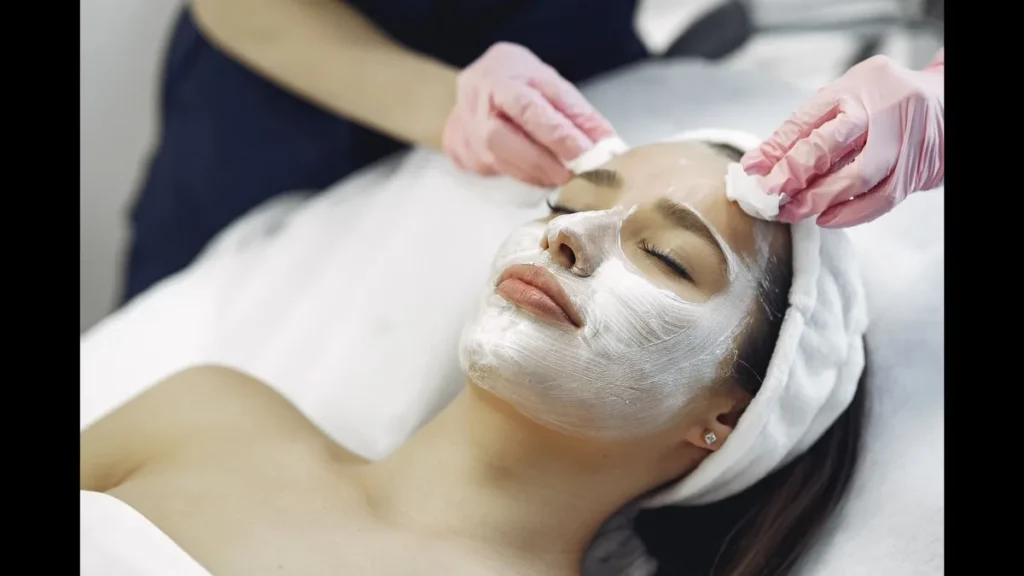
A facial is a professional skincare treatment for the face, carried out by a trained aesthetician in a salon or spa. It is not one procedure but a sequence of steps — cleansing, exfoliation, extractions, massage and a mask — tailored to your skin. The point is to do in an hour what a home routine cannot: a deeper clean and a proper assessment of your skin.
Today’s facial is part skincare, part relaxation and part consultation. The therapist looks at your skin under a bright lamp, asks about your routine and sensitivities, and builds the treatment around the answers. Two people can ask for the same facial and leave with quite different treatments.
In 2027 the menu is wider than ever. Alongside the classic facial sit hydrating, brightening and deep-cleansing facials, oxygen facials, LED facials and enzyme peels. This guide explains what a facial really is, what happens step by step, which type suits which skin, what it can and cannot do, and how to choose one without wasting money.
Key takeaways
- A facial is a multi-step professional treatment, typically cleansing, exfoliation, extractions, massage and a mask, tailored to your skin type.
- Most facials take 45 to 90 minutes, and a basic treatment costs less than an advanced one using machines such as LED light.
- Facials can improve hydration, glow and congestion in the short term, but they do not permanently change skin, erase wrinkles or cure acne.
- The right facial depends on your skin: hydrating for dry skin, deep-cleansing for congested skin, gentle and calming for sensitive skin.
- A facial is not for everyone; active infections, open wounds and severe acne flare-ups mean waiting or asking a dermatologist first.
What a facial actually is
At its simplest, a facial is a professional treatment that cleans, exfoliates and nourishes the skin of the face and neck. It is carried out by an aesthetician, a trained skin therapist, in a salon, spa or skin clinic, using hands, brushes, steam and sometimes small machines, with professional-strength versions of the cleansers, serums and masks you might use at home.
What makes a facial different is depth, time and expertise. A home cleanse takes two minutes; a facial cleanse is a double cleanse followed by a proper skin analysis. A facial exfoliant is chosen for your skin on the day, and the massage is longer, which is why so many people fall asleep on the treatment bed.
What happens during a facial, step by step

Most facials follow the same steps. It usually begins with a double cleanse: an oil-based cleanser to remove makeup, sunscreen and surface oil, followed by a water-based cleanser matched to your skin type. The therapist then checks your skin under a magnifying lamp, looking for dehydration, congestion, pigmentation and sensitivity, and may change the planned exfoliant or swap a mask based on what they see.
Exfoliation follows, and this is where facials differ most. It might be a gentle enzyme exfoliant, a grainy scrub, a mild acid peel, or microdermabrasion, which buffs the surface with fine crystals or a diamond tip. The aim is the same: remove dead surface cells so skin looks brighter. Steam is often used here to soften the skin and loosen congestion.
Extractions come next, the step people either love or dread. The therapist uses gloved hands or a small metal tool to gently press out blackheads and blocked pores, usually around the nose, chin and forehead. A good therapist is selective, removing only what comes out easily and leaving anything inflamed or deep alone. Aggressive extractions are one of the main ways a facial can go wrong.
Then comes the pleasant part: a facial massage of five to fifteen minutes, using a serum or facial oil, followed by a mask chosen for your skin. The mask sits for ten to twenty minutes while you rest. The facial finishes with toner, serum, eye cream, moisturiser and sunscreen.
The main types of facial in 2027
The classic facial, sometimes called a European facial, is the standard multi-step treatment described above, and the best starting point for a first facial. It covers cleansing, exfoliation, extractions, massage and a mask, and it suits most skin types.
A hydrating facial is built for dry or dehydrated skin. It skips strong exfoliation and focuses on moisture: hyaluronic acid serums, creamy masks and a heavier moisturiser. If your skin feels tight, looks dull or flakes around the nose, this is usually the right choice. For ongoing dryness at home, a facial oil for dry skin can extend the effect between appointments.
A deep-cleansing facial is aimed at congested, oily or breakout-prone skin. It spends more time on steam, exfoliation and extractions, with a clay-based mask to absorb excess oil. It can be uncomfortable, and the skin may look pink for a few hours, but it is the most useful facial for visible blackheads and blocked pores.
Brightening facials target dullness and uneven tone, using vitamin C serums, gentle acids or enzyme exfoliants to encourage cell turnover and fade the look of dark spots. They work gradually; one session gives a glow for a few days, but a real change in pigmentation needs a series of treatments plus daily sunscreen.
Anti-ageing facials are the most expensive category, with the biggest claims. They often add machines: LED light therapy, microcurrent, which uses a low-level current to stimulate the facial muscles, or radiofrequency, which heats the deeper layers of the skin. These can temporarily firm and plump the skin, but no facial reverses ageing, and results fade within weeks. Oxygen facials leave skin plump for a day, while enzyme peels dissolve dead cells very gently, a good choice for sensitive skin.
What a facial can and cannot do
A facial is a maintenance treatment, not a medical procedure, and the honest version of its benefits is narrower than most salon menus suggest. The glow is real: exfoliation, massage and hydration increase blood flow and remove dull surface cells, so skin looks brighter for several days. Congestion improves too, because extractions physically remove what is blocking the pores. The relaxation matters as well; an hour of lying still lowers stress, and stress is one of the quieter drivers of breakouts.
What a facial cannot do is just as important. It cannot permanently shrink pores, because pore size is largely set by genetics. It cannot erase wrinkles, fade deep pigmentation or cure acne in a single session, and it cannot replace a daily routine of cleanser, moisturiser and sunscreen. Anyone promising a transformation from one facial is selling the promise, not the treatment.
| Detail | What is known |
|---|---|
| Typical length | 45 to 90 minutes; express facials run 30 minutes |
| How often | Every four to six weeks suits most skin |
| Glow after treatment | Real and immediate; usually lasts a few days |
| Blackheads and congestion | Extractions help visibly, but congestion returns without a consistent home routine |
| Wrinkles and ageing | No facial removes wrinkles; firming effects from machines are temporary |
| Downtime | Usually none, though skin may be pink for a few hours after extractions or a peel |
| Who should avoid it | Active skin infections, open wounds, severe acne flare-ups and sunburn |
How to choose the right facial for your skin
Start with your skin, not the menu. Dry skin needs hydration and gentle exfoliation, so a hydrating or classic facial is the safe choice. Oily or congested skin benefits most from a deep-cleansing facial with proper extractions. Sensitive skin needs the gentlest option, usually an enzyme facial with no acids, no scrubs and no steam. Combination skin, oily in the T-zone and dry elsewhere, is the most common type, and a good therapist will treat the zones differently.
Think about timing too. Do not book a facial the day before a wedding, a party or a big event. Even a gentle facial can leave the skin pink, and extractions can leave marks that take a day or two to settle. The sweet spot is three to five days before an occasion. The same applies to holidays: a facial before a beach trip is fine, but a strong peel followed by strong sun can cause pigmentation.
Before booking, ask what is included and whether add-ons cost extra. Your home routine matters too: a facial works best on top of a simple, consistent routine. A gentle cleanser, a moisturiser that suits your skin and daily sunscreen do more over a year than any single treatment. If you want to understand the step that usually follows cleansing, our guide to what a face serum is explains what serums do and when they are worth the money. If you are tempted to skip the salon altogether, an at-home facial gives a softer version of the same steps, though it cannot match the extractions or the skin analysis.
Your first-facial checklist
- Book three to five days before any big event, never the day before, so redness has time to settle.
- Arrive with clean skin, and tell the therapist about allergies, medication and skin treatments you are using.
- Ask what the facial includes and what it costs, including any add-ons, before the treatment starts.
- Skip strong acids, retinoids and scrubs for two to three days before your appointment to avoid over-sensitising the skin.
- Do not squeeze spots yourself before the appointment; let the therapist decide what is safe to extract.
- Afterwards, skip makeup for a few hours if you can, wear sunscreen, and avoid saunas and heavy workouts for a day.
Frequently asked questions
How often should I get a facial?
Every four to six weeks is the usual advice, matching the skin’s renewal cycle. Monthly facials are a reasonable habit if you enjoy them and can afford them, but they are not a requirement; a facial every two or three months is plenty if your routine is solid.
Does a facial hurt?
Most of a facial is painless and many people find it deeply relaxing. The exception is extractions, which can sting, especially around the nose, and a strong peel, which may tingle or burn briefly. A good therapist will check in with you and stop if something hurts.
Can I get a facial if I have acne?
It depends on the type and severity. Mild congestion and blackheads usually benefit from a deep-cleansing facial. Active cystic acne, inflamed breakouts or acne on prescription medication is different: heat, steam and extractions can make it worse, so ask a dermatologist before booking. Tell the salon about your acne when you book.
Will my skin look worse after a facial?
Sometimes, briefly. Skin often looks pink for a few hours, and some people get a small breakout a day or two later as congestion is brought to the surface. This usually settles within a few days. If redness or breakouts persist beyond a week, contact the salon and, if needed, a dermatologist.
What should I avoid after a facial?
For 24 hours, avoid strong acids, retinoids and scrubs, skip the sauna and steam room, avoid heavy exercise, and stay out of strong sun. Wear sunscreen if you go outside. Your skin has just been exfoliated, so it is more sensitive than usual, and products you normally tolerate may sting for a day.
Are expensive facials worth the money?
Not always. The most important parts are the therapist’s skill, the skin analysis and the extractions, which do not depend on a luxury price tag. Expensive facials usually add machines, premium products or a longer massage, which can be lovely but do not change the fundamentals. A well-done classic facial at a mid-priced salon is often better value.
The bottom line
A facial is a professional, multi-step treatment that cleanses, exfoliates and nourishes the face, tailored to your skin. Done well, it leaves your skin brighter, softer and less congested, and it gives you an hour of genuine rest. Think of it as maintenance, not a one-off fix.
Choose the facial for your skin type, book it a few days before anything important, and judge a salon by its therapist and its honesty, not its price list. The glow fades in a few days; what lasts is the habit: a simple routine, daily sunscreen, and a facial every month or two.
Note: This article is general skincare information, not medical advice. If you have a skin condition, are using prescription skin treatments, are pregnant, or notice persistent redness, pain or swelling after a treatment, speak to a dermatologist before booking a facial.