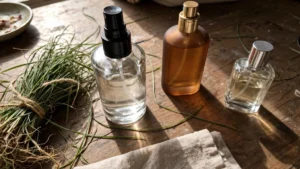
A face serum is a lightweight, fast-absorbing skincare treatment packed with a high concentration of active ingredients. Unlike a moisturiser, which mainly sits on the surface to lock in hydration, a serum is designed to deliver its actives deeper into the skin, where they can work on specific concerns such as dullness, dehydration, dark spots, fine lines, and uneven texture.
The confusion around serums is understandable. They arrive in small bottles with droppers, they cost more per millilitre than almost anything else on the shelf, and the labels are full of chemical names that mean little to most buyers. Yet the idea behind them is simple: a serum strips away the fillers and thickeners found in creams and leaves a concentrated dose of the ingredients that actually change how skin looks and behaves.
This guide explains exactly what a face serum is, how it differs from a moisturiser and a face oil, which active ingredients are worth your attention, and how to layer one correctly morning and night. The goal is to help you understand the product so you can choose wisely and use it properly.
Key takeaways
- A face serum is a concentrated, lightweight treatment that delivers active ingredients deeper into the skin than a moisturiser can.
- Serums target specific concerns — hydration, brightness, fine lines, breakouts, or redness — while moisturisers mainly seal in moisture.
- Three or four drops are enough; more product does not work faster and often causes irritation instead.
- Apply serum after cleansing and before moisturiser, on slightly damp skin, and use sunscreen every morning.
- Visible results take time: most serums need four to six weeks of consistent use before their real effect shows.
What a Face Serum Actually Is
At its simplest, a face serum is a skincare product built around active ingredients rather than around texture or fragrance. Its base is usually water, a light gel, or a thin emulsion, which is why it feels almost weightless and sinks in within seconds. That light base lets the actives reach the upper layers of the skin more easily.
That concentration is what separates a serum from the rest of your routine. A moisturiser might contain a small amount of hyaluronic acid or niacinamide alongside its main job of preventing water loss. A serum built around the same ingredient can contain several times as much.
Serums are not a single product type. They are a format, and within that format there are many different jobs. Hydrating serums use humectants such as hyaluronic acid and glycerin. Brightening serums rely on vitamin C, niacinamide, or azelaic acid. Anti-ageing serums use retinol or peptides. Clarifying serums use salicylic acid to keep pores clear.
One more distinction matters: a serum is a treatment, not a complete routine. It does not replace cleansing, moisturising, or sun protection. The serum does the specialist work; the moisturiser seals it in.
The Active Ingredients That Do the Work

Every serum is only as good as its active ingredients, and a handful of them have the strongest evidence behind them. Vitamin C is an antioxidant that helps defend skin against free-radical damage from sunlight and pollution and supports a brighter tone. It works best in the morning, under sunscreen, but it is sensitive to light and air, so look for dark or opaque packaging.
Hyaluronic acid is the hydration workhorse. It is a humectant that can hold many times its own weight in water, pulling moisture into the upper layers of the skin and leaving it plumper and smoother. It suits almost every skin type. Apply it to slightly damp skin and follow with moisturiser.
Niacinamide, or vitamin B3, is the multitasker. It supports a stronger skin barrier, calmer redness, and a more even tone. It is gentle enough for daily use and one of the safest starting points for anyone new to serums. Hydrating serums often combine niacinamide with hyaluronic acid for exactly this reason.
Retinol, a form of vitamin A, speeds up cell turnover, which helps smooth fine lines, refine texture, and keep pores clear. It is also the most likely to cause irritation, so it belongs at night, introduced slowly and paired with moisturiser and daytime sunscreen. Peptides are a gentler anti-ageing option, with far less irritation than retinol. Salicylic acid, a beta-hydroxy acid, dissolves the oil and dead skin inside pores, making it the most useful serum active for oily or breakout-prone skin.
Face Serum vs Moisturiser vs Face Oil
These three products are often confused because they can look similar on a shelf, but they do different jobs, and understanding the difference is the fastest way to build a routine that works. A serum treats, a moisturiser seals, and a face oil nourishes and occludes.
| Product | Main job | Texture | When to apply | Who benefits most |
|---|---|---|---|---|
| Face serum | Delivers concentrated actives to target a concern | Light liquid or gel | After cleansing, before moisturiser | Anyone with a specific concern to treat |
| Moisturiser | Prevents water loss and supports the skin barrier | Cream, lotion, or gel-cream | After serum, morning and night | Everyone, every day |
| Face oil | Softens skin and adds an occlusive layer | Oil, rich and slow to absorb | Last step, or mixed into moisturiser | Dry or mature skin, cold climates |
| Hydrating serum | Draws water into the skin | Thin gel or watery drops | On damp skin, morning and night | Dehydrated or tight-feeling skin |
| Exfoliating serum | Speeds cell turnover and clears pores | Light liquid | At night, two to four times a week | Dull, congested, or ageing skin |
| Brightening serum | Fades dark spots and evens tone | Light liquid or gel | Morning, under sunscreen | Uneven tone, sun damage, post-blemish marks |
| Barrier serum | Strengthens the skin barrier with ceramides | Light cream-serum | Morning and night | Sensitive, reactive, or over-exfoliated skin |
| Antioxidant serum | Defends against pollution and UV damage | Light liquid | Morning, before sunscreen | City skin, early signs of ageing |
The practical rule is simple: thinnest first, thickest last. A watery serum goes on before a cream, and a face oil goes on after both, because oil can block the water-based products beneath it from absorbing. If you apply a serum over a heavy cream or oil, much of it will sit on the surface and do nothing. The order is not a ritual; it is physics.
How to Layer a Serum in Your Routine
Layering a serum correctly takes about a minute, but the details matter. Start with a gentle cleanser and pat the skin until it is almost dry, leaving it slightly damp. Dispense two to four drops into your palm or directly onto the fingertips, then press the serum gently over the face and neck.
Wait roughly a minute for the serum to absorb before the next step. Then apply moisturiser to seal everything in. In the morning, sunscreen is the final step, and it is not optional: some serum ingredients make skin more sensitive to sunlight. At night, the same order applies minus the sunscreen; this is the right time for retinol and exfoliating acids.
If you use more than one serum, keep it simple. Use one in the morning and a different one at night — for example, vitamin C in the morning and retinol at night — rather than stacking three or four at once. Mixing too many strong actives at once is the most common cause of redness and flaking in people new to serums. If your skin is reactive, the skin barrier guide is a useful place to understand why less is often more.
How to Choose the Right Serum for Your Skin
Start with your main concern, not with a brand or a trend. For dehydration and tightness, choose hyaluronic acid or glycerin. For dullness and dark spots, choose vitamin C or niacinamide. For fine lines and loss of firmness, choose retinol or peptides. For breakouts and clogged pores, choose salicylic acid. One concern, one serum — that is the whole decision.
Then match the formula to your skin type. Oily skin usually prefers watery, oil-free serums that absorb cleanly. Sensitive skin should look for fragrance-free formulas with a short ingredient list and introduce any new active one at a time.
Patch testing is worth the patience it takes. Apply a small amount behind the ear or along the jawline once a day for two days before using a new serum on your whole face. Introduce strong actives gradually and give any new serum at least four to six weeks before judging it — roughly one full skin renewal cycle.
Price is a poor guide to quality. What matters is the active ingredient, its concentration, the packaging that keeps it stable, and whether you will actually use it every day.
Common Mistakes to Avoid
Most serum disappointments come from avoidable errors rather than bad products.
- Using too much: Two to four drops cover the whole face. A full dropper is wasteful and increases the chance of irritation without improving results.
- Skipping moisturiser: A serum is not a moisturiser. Without a cream on top, hydrating serums can leave skin drier than before.
- Skipping sunscreen: Daytime UV exposure undoes brightening work and worsens the sensitivity that retinol and acids can cause.
- Mixing too many actives: Retinol, vitamin C, and strong acids layered together often cause redness and flaking. Introduce one active at a time.
- Expecting overnight results: Most serums need four to six weeks of daily use. Judging a product after three days leads to constant switching and no progress.
- Ignoring the expiry and storage: Vitamin C oxidises in light and air, and all serums degrade with heat. Keep bottles closed, cool, and out of the bathroom sun.
Frequently Asked Questions
Can I use a face serum every day?
Yes, most serums are designed for daily use. Hydrating serums with hyaluronic acid or niacinamide can be used morning and night from the start. Stronger actives such as retinol should be introduced two or three times a week and built up gradually.
Do I need a serum if I already use a moisturiser?
Not necessarily, but they do different jobs. A moisturiser hydrates and protects the skin barrier; a serum targets a specific concern such as dark spots, fine lines, or dehydration. A serum is worth adding when you have a concern your moisturiser is not addressing.
Should I apply serum to wet or dry skin?
Slightly damp skin is best for hydrating serums, because humectants such as hyaluronic acid need water to hold on to. For retinol and exfoliating acids, dry skin is usually better, since damp skin can increase absorption and irritation.
Can I mix vitamin C and retinol in the same routine?
It is better not to layer them at the same time, especially when starting out, The standard approach is vitamin C in the morning, under sunscreen, and retinol at night. Vitamin C serums are best used as the first treatment step of a morning routine.
How long does a bottle of face serum last?
A standard 30-millilitre bottle used at two to four drops once or twice a day usually lasts eight to twelve weeks. Most serums should be used within six to twelve months of opening. If the liquid has changed colour or developed an odd smell, it is time to replace it.
Is a face serum the same as a hair serum or a scalp serum?
No. Although the word serum is used for all three, they are formulated for completely different surfaces. A face serum is made for facial skin, with actives and concentrations chosen for that delicate area. Do not use them interchangeably.
The bottom line
A face serum is a concentrated treatment that delivers active ingredients where they can make a visible difference. For anyone with a specific skin concern — dehydration, dullness, dark spots, fine lines, or breakouts — it is the most efficient step you can add to a routine. Choose one concern, pick the active with the best evidence for it, use two to four drops daily, and give it a full month before deciding whether it works.
The rest of the routine still matters more than any single bottle. Cleanse gently, moisturise after your serum, wear sunscreen every morning, and resist the urge to collect half a dozen actives at once. The best serum is the one you will actually use every day.
Note: This article is for general information only and is not medical advice. If you have a skin condition, are pregnant, or use prescription skincare, speak to a dermatologist first.