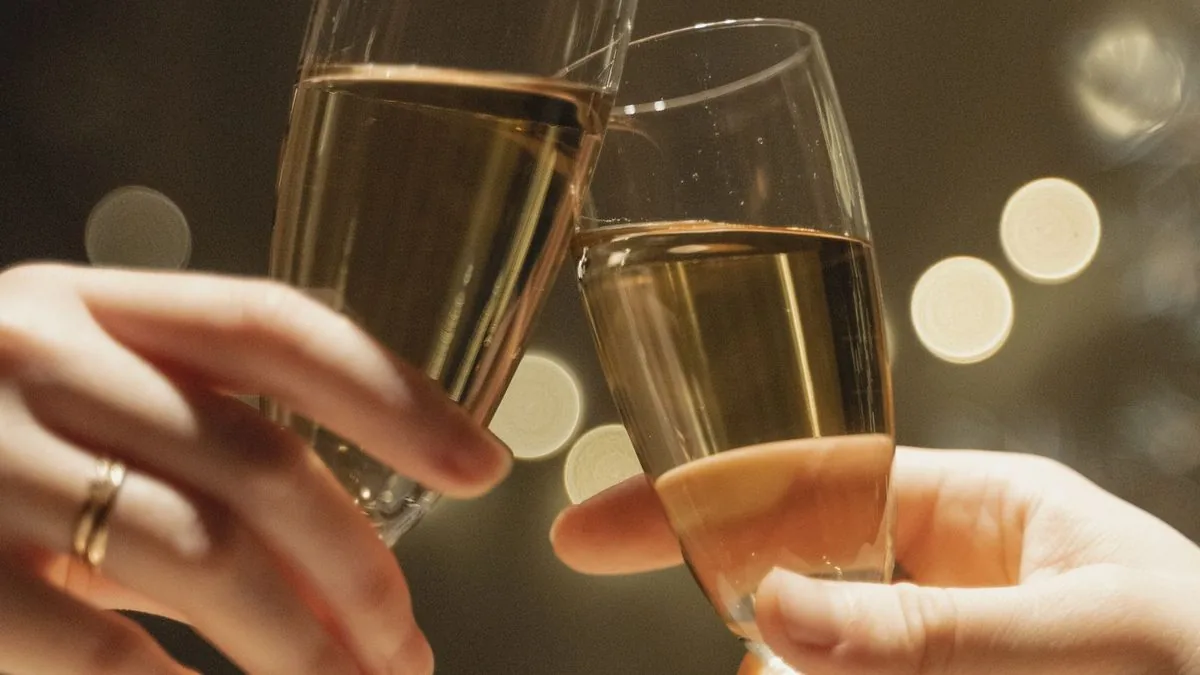
Champagne is the one drink that turns an ordinary evening into an occasion. The cork, the fine stream of bubbles, the pale gold in the glass, all of it signals that something worth marking is happening. The problem is not finding a bottle of champagne. It is finding one genuinely worth its price that suits the moment you are buying it for.
That is why this guide focuses on the best luxury champagne brands, not just the most famous names. A great house champagne is judged by the vineyards it draws from, the grapes in the blend, how long it rests before release, and how it tastes in the glass.
Below are eight houses and prestige cuvées worth considering in 2027, from Dom Pérignon to Salon.
Key takeaways
- Luxury champagne is defined by the blend, the vineyard sources, and the time ageing on the lees, not by the price tag alone.
- Chardonnay brings finesse and citrus brightness, Pinot Noir brings structure and red fruit, Pinot Meunier brings roundness.
- Vintage champagne comes from a single harvest in a declared year; non-vintage blends draw on reserve wines for consistency.
- Serve champagne chilled to around 8 to 10 degrees Celsius in a tulip glass or a flute, and open the bottle gently.
- No bottle guarantees a great evening on its own, and even the finest champagne tastes flat if served warm or stored badly.

What makes a champagne truly luxurious
Real champagne comes only from the Champagne region of France, and that geography is the starting point for everything that follows. The chalky soil, the cool climate, and the slow ripening of the grapes give the wine its acidity and finesse.
The blend is the next thing to understand. Almost all champagne is made from three grapes: Chardonnay, Pinot Noir, and Pinot Meunier. A blanc de blancs is made entirely from Chardonnay and tends to be bright, mineral, and elegant. A blanc de noirs is made from Pinot Noir and Pinot Meunier and tends to be richer and fuller. Most prestige cuvées are blends, and the skill of the house is in balancing those grapes year after year, so the style stays recognisable even when the harvest changes. If you want to compare Champagne with another serious traditional-method sparkling region, our guide to Bairrada’s luxury wine brands is a good next read.
Ageing is where luxury champagne earns its price. By law, non-vintage champagne must spend at least 15 months ageing, and vintage at least three years, but the great houses go far beyond that. That long contact with the yeast lees builds the brioche, toasted nut, and honey notes that separate a prestige cuvée from an everyday bottle.
What to look for: the 8 best luxury champagne brands of 2027
Look first at the style of the house. Some are built around freshness and precision, others around richness and power. The right choice depends on whether you want a bright aperitif, a bottle that can stand up to food, or a vintage to lay down and open in ten years.
Dom Pérignon
What we like: The benchmark vintage champagne, made only in declared years, with a balance of richness and freshness few rivals match. What to consider: Availability and price vary by year. Price context: Typically around $250 to $350 a bottle.
The wine justifies the reputation: ripe stone fruit, citrus, toasted brioche, and a long mineral finish, generous without being heavy.
Krug Grande Cuvée
What we like: Remarkable depth for a non-vintage wine, blended from more than 120 wines across a decade or more of harvests. What to consider: Rich and intense, so it can overwhelm very delicate food. Price context: Typically around $200 to $280 a bottle.
Krug is for people who like their champagne to taste like a great white wine with bubbles: hazelnut, dried fruit, citrus peel, and a long, almost savoury finish. Serve it in a white wine glass, with roast chicken, mushroom dishes, or aged Comté.
Louis Roederer Cristal
What we like: A supremely elegant prestige cuvée from grand cru vineyards, silky with a long, chalky finish. What to consider: Among the most expensive on this list, and young vintages need time. Price context: Typically around $300 to $450 a bottle.
Cristal is the quietest luxury on this list: white flowers, citrus, white peach, and a fine, persistent bead, finishing with the chalky minerality of its grand cru vineyards. It suits a formal dinner or a gift for someone who already knows champagne well.
Veuve Clicquot La Grande Dame
What we like: A graceful, Pinot Noir-led prestige cuvée with warmth and generosity. What to consider: Richer than a blanc de blancs, so it suits food best. Price context: Typically around $180 to $260 a bottle.
Named for Madame Clicquot, the widow who built the house in the nineteenth century, it carries her confident character: pear, apricot, white flowers, and a touch of gingerbread. It handles lobster or roast turkey with ease, and the rosé is one of the most food-friendly pink champagnes at this level.
Bollinger La Grande Année
What we like: A powerful, Pinot Noir-driven vintage with real depth, aged in oak and built to last. What to consider: Full-bodied and vinous, so it is best with food. Price context: Typically around $170 to $240 a bottle.
Bollinger is for people who like their champagne with muscle. Oak ageing gives it notes of toasted bread, apple, and spice, and the weight to stand up to hearty food, from roast pork to a cheese course.
Taittinger Comtes de Champagne
What we like: A luminous blanc de blancs from grand cru Chardonnay, refined and precise. What to consider: Delicate, so it is best with light food. Price context: Typically around $180 to $260 a bottle.
Comtes de Champagne is the bottle for freshness and finesse above all else: citrus, green apple, white flowers, and chalk, with a fine bead and a long, clean finish. Superb as an aperitif, and a fine match for sushi, oysters, and simply prepared seafood.
Salon
What we like: A rare, single-vineyard blanc de blancs made only in exceptional years, and one of the most age-worthy champagnes made. What to consider: Very limited production, a high price, and young bottles need many years. Price context: Typically around $700 to $1,000 a bottle.
Salon is the most extreme wine on this list, and the most rewarding for the patient. In youth it is tight and mineral, almost severe, but with a decade or more in the cellar it opens into something extraordinary. Buy it only if you are prepared to wait.
Billecart-Salmon Cuvée Nicolas François
What we like: A beautifully balanced prestige cuvée with a fine mousse and a long, elegant finish. What to consider: Less widely known than the biggest names. Price context: Typically around $220 to $300 a bottle.
Billecart-Salmon is the insider’s house, the one sommeliers reach for. The prestige cuvée is refined and complete, with red fruit, citrus, and a delicate brioche note, moving easily from aperitif to dinner. The house rosé is widely regarded as one of the finest pink champagnes made anywhere.
Matching champagne to the occasion
The occasion should shape the bottle. A bright blanc de blancs is the right opening for a summer party or a seafood dinner, while a rich, Pinot Noir-led vintage is better for a winter celebration or a meal with roast meat and cheese. A rosé prestige cuvée sits beautifully in the middle, often the best choice for a festive table with a wide-ranging menu.
For a toast, the wine matters less than the moment, and a good non-vintage prestige style, such as Krug Grande Cuvée, will please a mixed crowd without demanding attention. For a gift, the name carries weight, and Dom Pérignon or Cristal will be recognised even by someone who rarely drinks champagne. For a quiet dinner for two, a bottle you both love beats the most expensive bottle on the shelf. If the evening is part of a longer break, our guide to the best luxury vineyard retreats is a useful place to plan the trip around the wine.
The caveats that matter
Luxury champagne is a pleasure, but it is still wine. Storage matters most: heat, light, and vibration age a bottle faster than time alone, and a bottle kept on top of a warm fridge will lose its freshness long before its best years. Buy from a reputable retailer and keep the bottle lying down in a cool, dark place.
| Detail | What is known |
|---|---|
| Best style for a first prestige bottle | Dom Pérignon or Krug Grande Cuvée, for balance and recognition |
| Best for a seafood dinner | Comtes de Champagne or Cristal, for freshness and finesse |
| Best with rich food | Bollinger La Grande Année or Krug, for weight and savoury depth |
| Best rosé at this level | Billecart-Salmon Elisabeth Salmon or La Grande Dame Rosé |
| Best for laying down | Salon or Cristal, both of which age gracefully for decades |
| Serving temperature | Around 8 to 10 degrees Celsius, chilled for several hours |
| Storage | On its side, in a cool dark place, away from heat and light |
| What it does not do | It cannot rescue a bottle stored badly or served warm |
Checklist: choosing a luxury champagne honestly
- Check the style: bright and mineral for aperitifs and seafood, rich and Pinot-led for food and winter evenings.
- Check the cuvée: vintage for a milestone or the cellar, non-vintage prestige for immediate drinking.
- Check the source: buy from a reputable retailer, and check the foil, cork, and fill level.
- Check the storage: keep the bottle on its side in a cool, dark place, and chill it slowly.
- Check the glass: a tulip glass or a white wine glass shows the aroma better than a flute.
- Check the occasion: match the bottle to the moment and the menu, not just the most famous name.
Frequently asked questions
What is the difference between vintage and non-vintage champagne?
Vintage champagne is made from the grapes of a single harvest, only in years the house declares good enough. Non-vintage champagne blends wines from several years, including reserve wines, to keep the house style consistent.
How long can I keep a bottle of luxury champagne?
A good vintage prestige cuvée can age for ten to twenty years or more in proper storage, and some, such as Salon and Cristal, can go far beyond that. Non-vintage prestige cuvées are best within three to five years.
What glass should I serve champagne in?
A tulip glass is the best all-round choice, holding the bubbles while leaving room for the aroma. A narrow flute keeps the bubbles lively but hides the scent, and a white wine glass suits rich, mature champagnes such as Krug.
Is rosé champagne worth the higher price?
Often yes. A good rosé is made with real care, usually by blending in a small amount of red wine, and it brings red fruit, structure, and food-friendliness that white champagne does not.
How much should I spend on a bottle of luxury champagne?
Expect around $170 to $300 for most prestige cuvées on this list, more for Cristal, and considerably more for Salon. Above that level, you are paying for rarity, vineyard pedigree, and ageing.
Can I take champagne on a celebration trip?
Yes, if it is packed upright in a padded case and kept cool, though it is often simpler to buy on arrival. Many people save a special bottle for a honeymoon or an anniversary abroad, and our guide to creating a luxury wine cellar explains how to store the bottles you bring home.
The bottom line
The best luxury champagne brand in 2027 is the one whose style matches your palate and your occasion. Dom Pérignon is the grand gesture, Krug the richest and most complex, Cristal and Comtes de Champagne the most refined, and Bollinger the most powerful. Salon is the collector’s bottle, and Billecart-Salmon the quiet choice for people who already know what they like.
Buy from a retailer you trust, store the bottle properly, chill it slowly, pour it into a good glass, and drink it with people you enjoy. Enjoy it responsibly, and let the wine be part of the evening, not the whole of it.
Note: prices and availability vary by vintage, retailer, and region, so check with a trusted seller before buying, and always enjoy champagne responsibly.