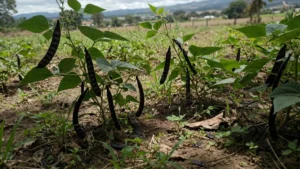
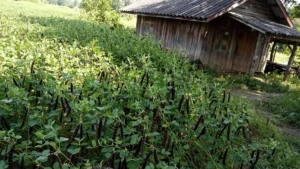
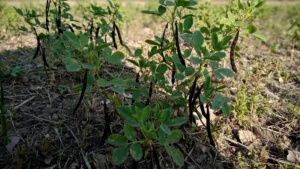
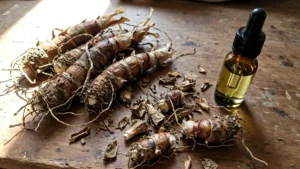
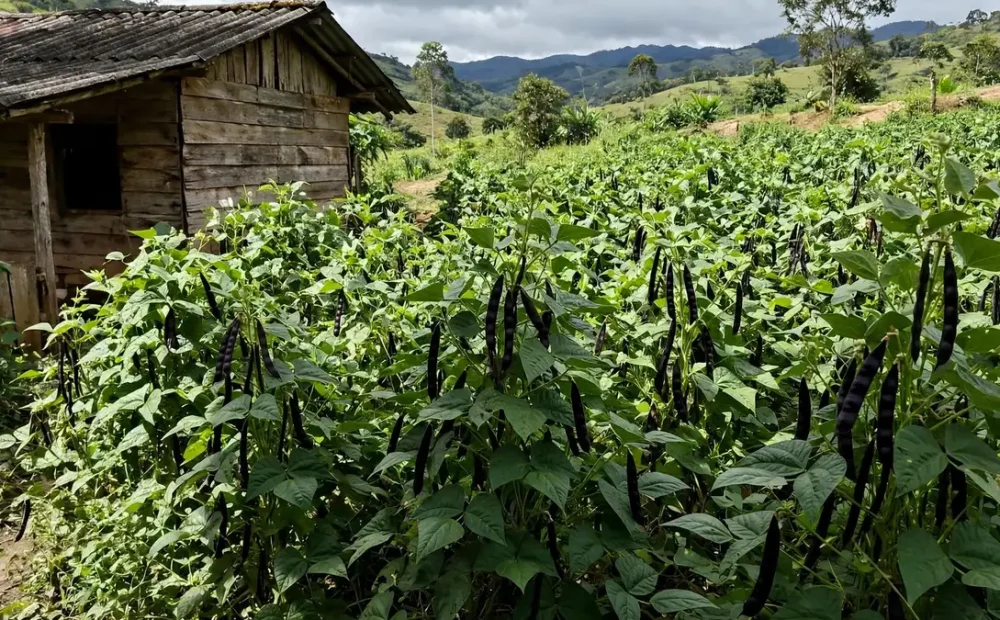
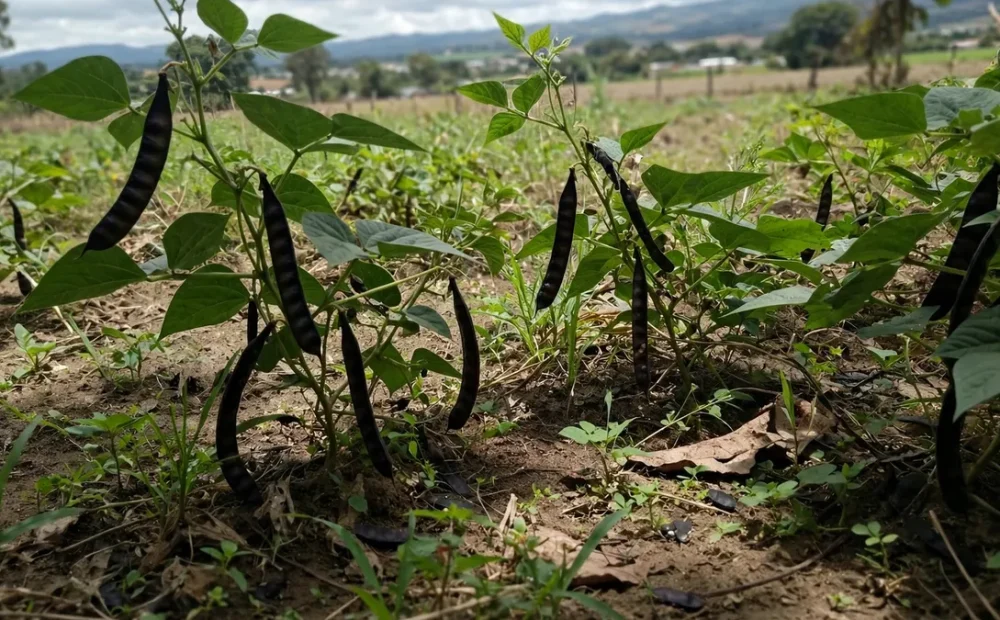
A mung bean farm escape is a stay of three to five nights on a working mung bean farm, timed to the picking week. You bed down in a farmhouse room, eat mung beans cooked the farm’s own way, and spend the days among the low green plants, watching the pods picked and shelled, and the beans sprouted in baskets, milled into flour or simmered into soup in the farm kitchen. The bean soup at supper comes from the fields outside the door.
Planning one needs more care than a hotel booking, because the picking shifts with the weather and the farms are small. The best stays host only a handful of guests, the picking window runs a week or two, and the farm that answers your questions plainly is usually the farm worth visiting.
Below are nine steps to plan a mung bean farm escape in 2027, from choosing the right region to packing the bag and bringing dried beans home. Each step sets out what to do, what to steer clear of, and who it suits, so the plan turns on your travel style rather than the map.
Key takeaways
- Ask the farm when its pods darken before you book, because the bean is picked green for nothing and shelled dry for everything.
- Time the trip to the picking week, not the village fair, because the fair can fall a month after the pods are picked.
- The northern Chinese harvest falls in late summer, the southern harvest lands in the opposite season, and the precise week moves with the rain.
- Mung bean farms are small places with few guests, so expect plain rooms, meals at one table and green dust on your shoes.
- Picking dates are an estimate, not a promise, and dried beans must be soaked and cooked before eating, so check the calendar and the kitchen before you pay.
What a mung bean farm escape involves
A mung bean farm escape is a short stay on a farm that grows mung beans, built around the week the pods are picked and shelled. Nights are spent in a farmhouse room or a converted barn, meals come from the farm kitchen, and the days are given to the fields, where the pods are picked, dried in the sun and shelled, and the beans sprouted, milled or cooked.
Mornings start early, with a walk along the rows while the pods are still cool, and the picking runs through the day, with the plants carried to the shelling yard. Supper comes to one long table, and the bean soup is served warm beside the plate. The evenings are quiet, with the shelling yard cooling and the day’s beans settling, and the talk at the table runs to the harvest.
The farms sit in warm country, with low green plants in wide fields and a shelling yard beside the barn. The stays that work best let you join the picking rather than watch it, and a farm that speaks plainly about the picking and the cooking usually looks after its guests well.
How to plan it, and what to ask first
Start with where mung beans truly grow, not where they are sold best. A real mung bean farm has fields to walk through, plants to stand among at picking time, and a kitchen, a mill or a sprouting room working with its own bean. A farm that buys its mung in and cooks with it is no mung bean farm, whatever the website claims.
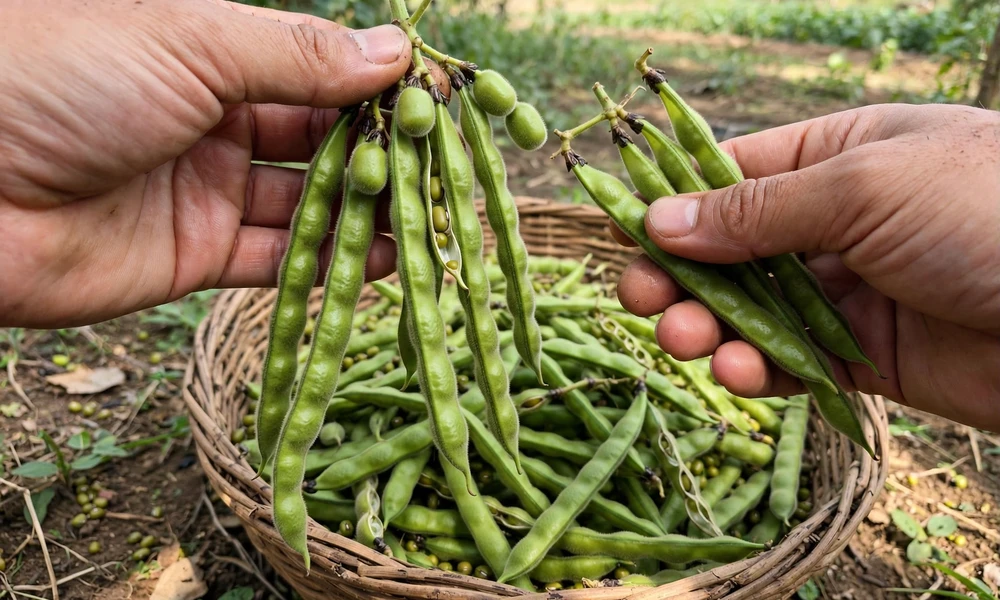
Ask the farm for its picking window in writing, and ask what the nightly rate covers, with meals, the lift in from the nearest town and walks through the fields included rather than charged on arrival. A farm that spells out the picking, the shelling and the cooking in plain words is a farm that knows its mung beans.
Find out when the pods darken and the beans are shelled. A farm that names its picking week on its signs is a farm that knows its mung beans, and a farm that can only say it grows beans deserves a second look.
The 9 steps to plan a mung bean farm escape
One bowl decides the trip
What to do: Decide which dish you want to taste first, Indian moong dal, Filipino ginataang monggo or Vietnamese chè đậu xanh, then pick the region that cooks it best. What to avoid: Choosing a farm by price and landing where the dal is bought in. Best for: Travellers who want the bean’s cooking over its fields. Time needed: An evening over the farm’s kitchen pages. Standout tip: A farm that sprouts its own beans and mills its own flour is a farm that knows its bean.
Sprouts before pods, always
What to do: Ask the farm to show you the sprouting room on your first morning, where dried beans turn into crisp sprouts in three days, before you walk the fields. What to avoid: Waiting until the last day and finding the sprouting baskets already empty. Best for: Travellers who want the bean at its freshest. Time needed: Half an hour beside the sprouting baskets. Standout tip: Sprouts eaten the day they are cut taste different from sprouts bought in a market, and the farm knows it.
Book the dry weeks after the monsoon
What to do: Ask the farm for its picking window and book the dry weeks after the monsoon, when the pods darken and dry on the plant, since the sowing can fall months before the beans are ready. What to avoid: Booking the monsoon weeks and finding wet fields with no beans to pick. Best for: Travellers who want harvest work rather than planting work. Time needed: One email, then waiting on the farm’s window. Standout tip: The pods rattle when they are ripe, and the farm can tell you when that sound begins.
The early walk shows which rows dried first
What to do: Walk the rows in the early morning, when the pods are dark and the beans are hard inside, and ask the farm which rows dry first. What to avoid: Sleeping in and only meeting the fields under the midday sun. Best for: Travellers who want the fields at their darkest and driest. Time needed: An hour before breakfast. Standout tip: A dark pod that rattles is a ripe pod, and the sound carries further than the colour does.
Pods open at the courtyard table
What to do: Ask whether the shelling happens at the courtyard table, and whether you can sit with the farm hands and split the dried pods open. What to avoid: Booking a farm that trucks its dried pods away to shell somewhere else. Best for: Travellers who want the whole harvest, not just part of it. Time needed: A single message, usually answered within a day. Standout tip: A farm that shells what it grows finishes what it grows, and the courtyard is where the bean dust hangs thickest.
The mill turns beans into glass noodles
What to do: Ask the farm to show you the mill where dried beans become starch, and watch the starch pulled into glass noodles. What to avoid: Assuming every glass noodle on a farm shelf came from the farm’s own beans. Best for: Travellers who want to cook with real knowledge. Time needed: Half an hour at the mill. Standout tip: Fresh glass noodles keep the bean’s clearness, and the miller can show you the difference in a handful.
Eat porridge where the farmers eat
What to do: Go with the farm to the nearest morning market, and taste the bean porridge from the stalls before the sacks are weighed and loaded. What to avoid: Treating the market as a photo stop and missing the bean trade at work. Best for: Travellers who want the bean’s world beyond its field. Time needed: A morning out alongside the farm. Standout tip: The market shows which beans the region grows and which it merely sells, and the farm will point out the difference.
Shoes, hat and a rain layer
What to do: Pack sturdy closed shoes, a sun hat, a light rain layer and clothes you can wash by hand, since the shelling yard is dusty, the plants are low, and the rain comes fast. What to avoid: Bringing light clothes and finding the green dust in every seam by noon. Best for: Travellers who want the shelling yard, dust and all. Time needed: A single evening over the suitcase. Standout tip: The shelling dust gets everywhere, and a farm that lets you stand in the yard is a farm with nothing to hide.
Dried beans travel, fresh sprouts do not
What to do: Buy a sealed bag of dried beans and a packet of glass noodles from the farm shop before you leave, packed in a cloth sack, so the trip comes home with you. What to avoid: Filling a bag with fresh sprouts, which wilt in a day and spoil in the suitcase. Best for: Travellers who want the harvest stored in a cupboard back home. Time needed: An hour at the farm shop. Standout tip: Dried beans travel better than any sprout, and the farm’s noodles turn a cupboard at home into a small piece of the trip.
Picking the right season and region
For the deepest bean story, begin with Jilin or Inner Mongolia, where the mung beans have grown longest and the cooking runs to porridge and glass noodle soup. Both ease a first-timer in, with short walks and long table meals, and Jilin adds the widest mung bean fields. Both sit close to towns with markets of their own, so a rest day still tastes of mung beans.
For scenery with the mung beans, Arusha and Machakos set the fields in dry African country, Pangasinan sets them beside a warm coast, and the Mekong Delta sets them under a hot southern sun. Arusha is the highest of the nine, while the Mekong Delta is the simplest to reach.
For the bean that goes with the mung bean, our guide to planning a chickpea farm escape covers a different legume altogether, with green pods and shelling tables instead of dark pods and sprouting baskets, and the guide to planning a lentil farm escape offers another small bean, with high plains and river deltas instead of noodle mills and bean soup stalls.
The caveats that matter
The harvest answers to the weather: a farm will offer its best guess and never a promise, and a trip fixed to one picking day is a gamble on rain. The warning that matters most is the bean, easy to overlook when a mung bean farm is sold as a gentle country stay.
| Detail | What is known |
|---|---|
| Best time to visit | Late summer across northern China, after the monsoon in Myanmar and Thailand, almost year-round near the equator, once the pods have darkened and begun to rattle; the exact week moves with the rain |
| What the work involves | Walking the rows, watching the pods picked and left to dry, and seeing the beans shelled, sprouted, milled and cooked into soup |
| How long a stay runs | Three to five nights, set around the picking weeks |
| Who should take care | Guests with a legume allergy, and anyone unused to hard sun or shelling dust |
| What the kitchen serves | Bean soup, dal, sprouted bean salad, glass noodles, sweet bean cakes and porridge, with farm tea poured beside the plate |
| Gluten note | Mung beans are naturally free of gluten, but the bread and buns served beside them are usually wheat, so ask the kitchen what it can safely serve |
| What to pack | Sturdy closed shoes, a sun hat, a light rain layer for sudden showers, and clothes you can wash by hand |
| What it does not do | No promised picking day, no set menu, and no hotel-style service on a working farm |
If a legume allergy or a strict gluten-free diet applies to you, contact the farm before you book. A single question about the kitchen and the beans can spare you a difficult stay, and a farm that answers it in plain words is usually worth the visit. The guide to planning an adzuki bean farm escape raises the same warning, since the bread on its tables is baked from grain as well.
Checklist: before you book a mung bean farm escape
Work through these checks before you pay, then again in the week before you travel.
- Ask for the farm’s picking window in writing, and find out what happens if the pods are still green when you arrive.
- Check that the nightly rate covers supper, the lift from the nearest town and the walks in the fields.
- Find out whether the picking and cooking happen on the farm, and whether the kitchen can serve a meal without mung beans.
- Inspect the bedroom before you pay, since the rooms stay plain: try the bed, the water and the heating.
- Pack for fierce sun and shelling dust: closed shoes, a hat, a warm layer for chilly evenings, and clothes you can wash by hand.
- Keep a spare day for the nearest town, so a picking that shifts still leaves a good trip behind.
Frequently asked questions
Does a mung bean farm suit a traveller who cannot eat gluten?
In part. The fields, the picking and the harvest are worth the journey on their own, and mung beans themselves carry no gluten, but the bread and buns served beside the beans are usually wheat. Ask the farm what a gluten-free guest can eat, and go for the picking week rather than the baking week.
How far ahead should a mung bean farm be booked?
Book at least three months ahead, and a year ahead for the southern harvest, since the farms host only a handful of guests and the picking week is short. The best farms fill their picking weeks first, and a late booking usually means the week after the pods are picked. A farm that fills its picking weeks early will say so in the first email, and the farms that answer slowly are usually the ones with room left.
What should I pack for days in the mung bean fields?
Closed shoes, a sun hat, something warm for cold nights, and clothes you can wash by hand. The mung bean fields are dusty, the plants are low, and the kitchen is hot, so pack for hard sun and dusty tracks rather than for a hotel.
Are children welcome on a mung bean farm stay?
Yes, on most farms, as long as they can walk the fields and keep clear of the shelling yard. The picking is gentle work to watch, the fields are open, and children usually enjoy the plants and the farm animals, but the shelling yard is dusty and the machinery is heavy, so keep them beside you.
What can I take home from a mung bean farm?
Most farms sell dried mung beans in sealed bags and glass noodles from their own mill, and some sell jars of bean paste as well. Buy the dried beans rather than the fresh sprouts, since the fresh ones wilt in a day and lose their crunch, and carry the noodles in a cloth sack.
What does a week on a mung bean farm cost?
A week runs to about $450 at the low end and $2,600 at the high end for two people, depending on region and room. Jilin is the cheapest stay on this list, Arusha the dearest, and the flights are usually the largest part of the trip, so book the picking window before the flights.
The bottom line
A mung bean farm escape fits travellers who would rather have low green fields, shelling yards and mung beans cooked the farm’s own way than a hotel. The beans are small, the soup is warm and fresh, and the best stays feed you from ground they worked themselves.
Fix the picking week first, then the travel dates, and hold a spare day at the end. When the mung pods darken on time you will eat soup from beans picked that week, and when they do not, the hills, the valleys and the old towns will carry the trip anyway.