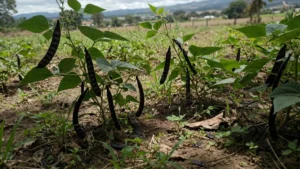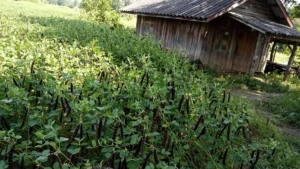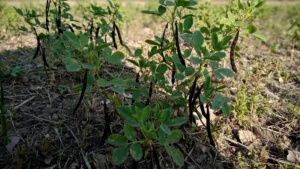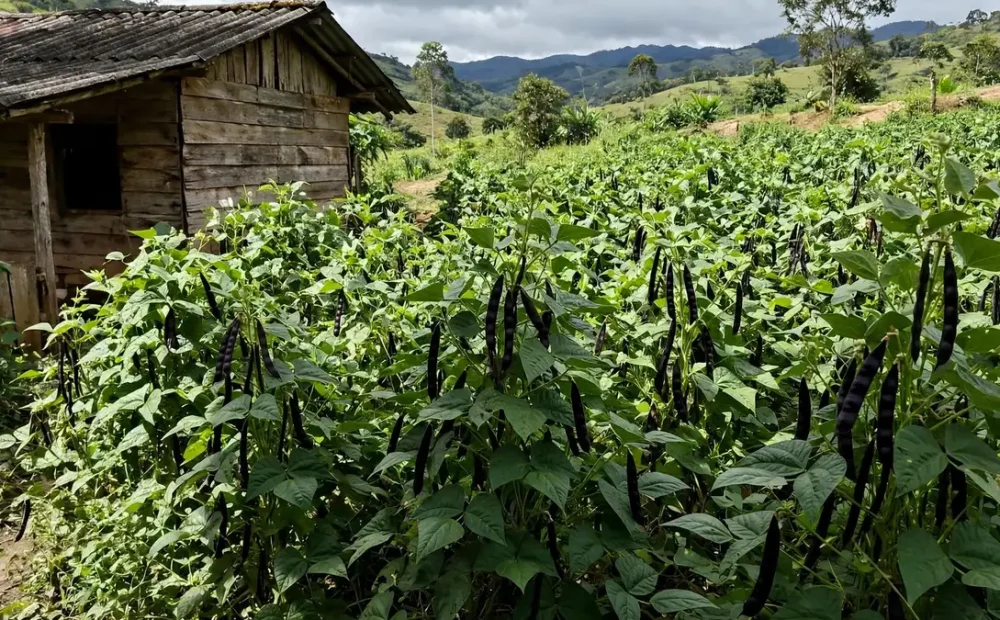

Mung beans are small, green and easy to overlook in a field, yet they feed more people than almost any other pulse in Asia. The bean grew in the dry plains of India before it travelled to China, Myanmar and Southeast Asia, and it still grows there, sown with the rains, picked pod by pod as they darken, dried in the sun and cooked into dal, sprouted for salads, ground into flour for glass noodles and sweetened into cakes and porridge.
A mung bean farm retreat puts you on a small farm where that bean still grows, when the pods turn dark on the plant and the shelling begins. You sleep in a farmhouse room, eat mung beans cooked the way the farm has always cooked them, walk the rows at dawn, and watch the pods picked, dried and shelled, and the beans sprouted in baskets, milled into flour or simmered into soup. The farms run from the cold plains of northeast China to a bean field below Kilimanjaro, and the small green bean is the thread that ties them together.
Below are nine mung bean farm retreats worth considering in 2027, from the bean fields of Jilin to a remote farm in Arusha. Each stay is weighed by what it does well, where it falls short and who it suits, so the choice turns on your travel style rather than the map.
Key takeaways
- Mung beans are among the oldest cultivated pulses in Asia, and a mung bean farm stay is built around the picking, the shelling and the cooking, so ask the farm when its pods darken before you book.
- The bean is cooked as dal, sprouted for salads, milled for glass noodles and sweetened for cakes, so a farm that sprouts its own beans and mills its own flour will feed you differently from one that only sells dried beans.
- The harvest falls in summer in northern China, after the monsoon in Myanmar and Thailand, and almost year-round near the equator, and the precise week moves with the rain, so confirm the picking window before booking flights.
- Most mung bean farms are small and take only a few guests, so expect plain rooms, shared meals and green dust on your shoes.
- Dried mung beans must be soaked and cooked before eating, and harvest dates are a guess, not a promise, so check the kitchen and the calendar before you pay.
What a mung bean farm retreat actually is
A mung bean farm retreat means three to five nights on a working farm that grows mung beans, with the picking and shelling as the reason for the trip. Guests sleep in a farmhouse room or a converted barn, eat from the farm kitchen, and join the season’s work, walking the rows and seeing the pods picked, dried and shelled.
Mung beans have fed people for thousands of years, and the great mung regions took shape around the dishes they served. The plains of India fed the dal pots of the subcontinent, the fields of northeast China fed the noodle makers, and the river deltas of Myanmar and Vietnam fed the sweet soup stalls.
Most of these farms sit in warm country, with low green plants in wide fields and a shelling yard beside the barn. Days here run on the field’s clock, with supper at one long table and real work handed to guests who want it.
How we picked these stays, and what to ask first
We began with where mung beans truly grow, not where they sell best. A genuine mung bean farm offers fields to walk through, plants to stand among at picking time, and a kitchen working with its own bean. A farm that buys its mung in is not a mung bean farm, whatever the website says.

The best farms host few guests, so the picking stays honest work rather than a display. They also set out plainly what the nightly rate covers, with meals, the lift from the nearest town and walks through the fields folded into the price, not added on arrival. A farm that speaks plainly about the picking, the shelling and the cooking usually looks after its guests well.
The 9 best luxury mung bean farm retreats of 2027
Jilin, China — Mung in the Northeast Fields
What we like: Mung in Jilin, where the beans grow on the cool northern plain and the farm cooks mung bean porridge and glass noodle soup from its own harvest. The fields run flat to the hills, and the kitchen serves bean soup, millet rice and warm tea.
What to consider: The harvest falls in the cool weeks of late summer, and the farmhouse rooms stay plain.
Style: Chinese northern farm stay. Best for: Travellers who want mung where China’s north grows it. Price range: $65–$95 per night. Standout feature: Glass noodle soup made from beans grown on the northern plain.
Inner Mongolia, China — Mung on the Grassland Edge
What we like: Mung in Inner Mongolia, where the beans grow at the edge of the grassland and the farm cooks mung bean soup and bean jelly from its own crop. The grass runs wide, and the kitchen serves bean soup, wheat cakes and warm milk tea.
What to consider: The wind is strong on the grassland, and the farm sits far from the cities.
Style: Chinese grassland farm stay. Best for: Travellers who want mung beside open grassland. Price range: $100–$130 per night. Standout feature: Bean jelly made from beans grown on the grassland edge.
Ayeyarwady Delta, Myanmar — Mung in the River Delta
What we like: Mung in the Ayeyarwady Delta, where the beans grow on the river flats and the farm cooks mung bean soup and sweet bean cakes from its own harvest. The water runs slow, the villages keep their wooden houses, and the kitchen serves bean soup, rice and warm tea.
What to consider: The delta is humid at harvest time, and the farm is a long boat ride from the towns.
Style: Burmese delta farm stay. Best for: Travellers who want mung beside slow river water. Price range: $135–$165 per night. Standout feature: Sweet bean cakes from beans grown on the river flats.
Nakhon Ratchasima, Thailand — Mung on the Korat Plateau
What we like: Mung in Nakhon Ratchasima, where the beans grow on the dry Korat Plateau and the farm cooks mung bean custard and sprouted bean salad from its own crop. The plateau is wide, the towns keep their morning markets, and the kitchen serves bean custard, rice and warm herbal tea.
What to consider: The picking is short and the farm takes few guests, so the harvest week books out early.
Style: Thai plateau farm stay. Best for: Travellers who want mung with Thai cooking. Price range: $170–$200 per night. Standout feature: Mung bean custard from beans grown on the plateau.
Pangasinan, Philippines — Mung on the Lingayen Coast
What we like: Mung in Pangasinan, where the beans grow near the Lingayen coast and the farm cooks ginataang monggo and mung bean porridge from its own harvest. The coast is close, and the kitchen serves bean porridge, rice and warm ginger tea.
What to consider: The coast is humid and the farm is far from the cities.
Style: Filipino coastal farm stay. Best for: Travellers who want mung on a Philippine coast. Price range: $205–$235 per night. Standout feature: Ginataang monggo made from beans grown near the coast.
Mekong Delta, Vietnam — Mung in the Southern Delta
What we like: Mung in the Mekong Delta, where the beans grow on the southern flats and the farm cooks chè đậu xanh and mung bean pancakes from its own crop. The canals run slow, the towns keep their floating markets, and the kitchen serves sweet bean soup, rice and warm tea.
What to consider: The heat is fierce at harvest time, and the farm sits a long drive from the city.
Style: Vietnamese delta farm stay. Best for: Travellers who want mung in warm southern water country. Price range: $240–$270 per night. Standout feature: Chè đậu xanh from beans grown on the southern flats.
East Java, Indonesia — Mung in the Volcanic Lowlands
What we like: Mung in East Java, where the beans grow in the volcanic lowlands and the farm cooks bubur kacang hijau and mung bean porridge from its own harvest. The volcanoes stand over the fields, the towns keep their spice markets, and the kitchen serves bean porridge, rice and warm ginger tea.
What to consider: The lowlands are hot and the farm takes only a handful of guests.
Style: Indonesian lowland farm stay. Best for: Travellers who want mung below the volcanoes. Price range: $275–$305 per night. Standout feature: Bubur kacang hijau from beans grown in the volcanic soil.
Machakos, Kenya — Mung in the Eastern Hills
What we like: Mung in Machakos, where the beans grow in the dry eastern hills and the farm cooks mung bean stew and maize porridge from its own crop. The hills are red, the towns keep their open markets, and the kitchen serves bean stew, ugali and warm chai.
What to consider: The hills are dry and the farm is a rough road from the city.
Style: Kenyan highland farm stay. Best for: Travellers who want mung in dry African hills. Price range: $310–$340 per night. Standout feature: Mung bean stew from beans grown in the red hills.
Arusha, Tanzania — Mung below Kilimanjaro
What we like: Mung in Arusha, where the beans grow in the shadow of Kilimanjaro and the farm cooks mung bean stew and banana porridge from its own harvest. The mountain stands over the fields, the towns keep their craft markets, and the kitchen serves bean stew, rice and warm spiced tea.
What to consider: The farm is the most remote stay here, and the harvest falls in the opposite season to China, so plan a year ahead.
Style: Tanzanian mountain farm stay. Best for: Travellers who want mung at the far end of the map. Price range: $345–$380 per night. Standout feature: Mung bean stew with banana porridge from beans grown below the mountain.
Which mung bean region fits your trip
If you want mung beans where the bean story runs deepest, start with Jilin or Inner Mongolia, where the bean has been grown longest and the kitchens run to porridge and glass noodle soup. Both are gentle on a first-timer, with short walks and unhurried meals at the table.
If you want scenery with your mung beans, Arusha and Machakos put the fields in dry African country, Pangasinan beside a warm coast, and the Mekong Delta under a hot southern sun.
If you want the bean that goes with the mung bean, our guide to the chickpea farm retreats covers a different legume altogether, with green pods and shelling tables instead of dark pods and sprouting baskets, and the lentil farm retreats offer another small bean, with high plains and river deltas instead of noodle mills.
The caveats that matter
Mung bean farming answers to the weather: farms give a best guess, never a promise, and a trip pinned to one picking day gambles on rain. The warning that counts is the bean itself, easy to overlook on a quiet country stay.
| Detail | What is known |
|---|---|
| Best time to visit | Late summer in northern China, after the monsoon in Myanmar and Thailand, almost year-round near the equator; the precise week shifts with the rain |
| What the work involves | Walking the rows, watching the pods picked and dried, and seeing the beans shelled, sprouted, milled and cooked |
| How long a stay runs | Three to five nights, timed to the picking weeks |
| Who should take care | Guests with a legume allergy, and anyone unused to strong sun or shelling dust |
| What the kitchen serves | Bean soup, dal, sprouted bean salad, glass noodles, sweet bean cakes and porridge, with the farm tea poured beside the plate |
| Gluten note | Mung beans carry no gluten, but the bread and buns served beside them are usually wheat, so ask the kitchen what it can safely serve |
| What to pack | Closed shoes, a sun hat, a warm layer for cold nights, and clothes you can wash by hand |
| What it does not do | No promised picking day, no fixed menu, and no hotel-style service on a working farm |
If a legume allergy or a strict gluten-free diet applies, contact the farm before you book. A single question about the kitchen and the beans can spare you a difficult stay, and a farm that answers it plainly is usually worth the visit. The adzuki bean farm retreats raise the same warning, since the bread on their tables is baked from grain as well.
Checklist: booking a mung bean farm stay honestly
Work through these checks before you pay, then again in the week before you travel.
- Get the farm’s picking window in writing, and ask what the plan is if the pods are still green on arrival.
- Check that supper, the lift from the nearest town and the walks in the fields are covered by the nightly rate.
- Ask whether the picking and cooking happen on the farm, and whether the kitchen can serve a meal without mung beans.
- Inspect the bedroom before you pay: try the bed, run the taps and test the heating, since the rooms stay plain.
- Pack for fierce sun and shelling dust: closed shoes, a hat, a warm layer for cold evenings, and clothes you can wash by hand.
- Keep one day free for the nearest town, so a picking that shifts still leaves a good trip behind.
Frequently asked questions
What is mung bean dal, and what is it made from?
Mung bean dal, called moong dal in India, is made by simmering split mung beans with turmeric, cumin and ginger until they fall apart into a thick soup. The yellow kind uses split beans without their skins, the green kind keeps the whole bean, and both are eaten with rice or flatbread, while sprouted beans go into salads and milled beans into noodles.
When is the mung bean harvest, and how long does the picking last?
The northern Chinese harvest falls in late summer, the Myanmar and Thai crops run after the monsoon, and the tropical harvest lands almost year-round, with picking and shelling taking a week or two. The exact week moves with the rain, so ask the farm for its picking window rather than a single date, and wait to book flights until the window is set.
What does a ripe mung bean field look like?
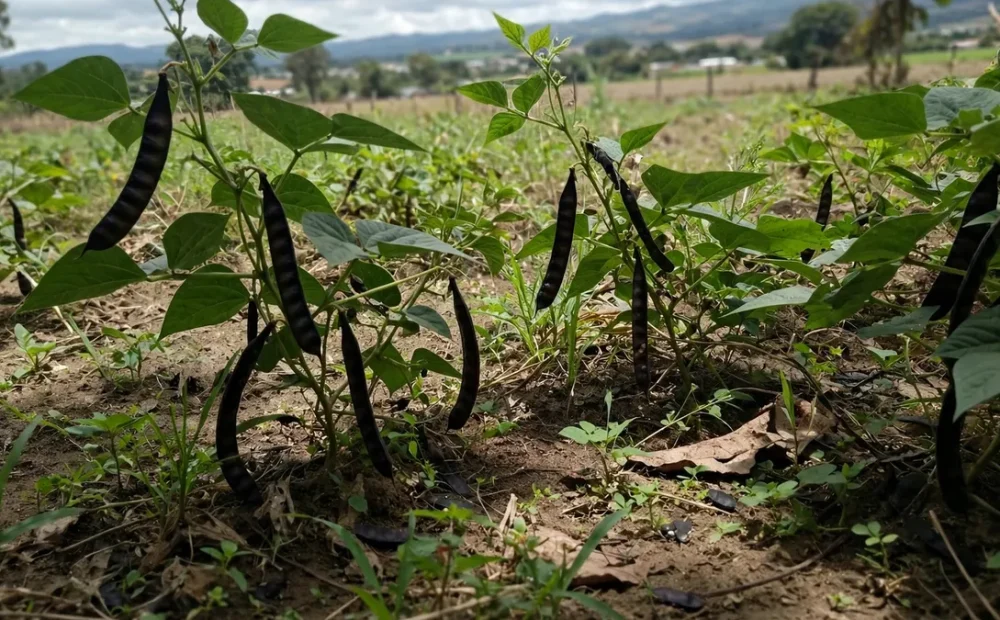
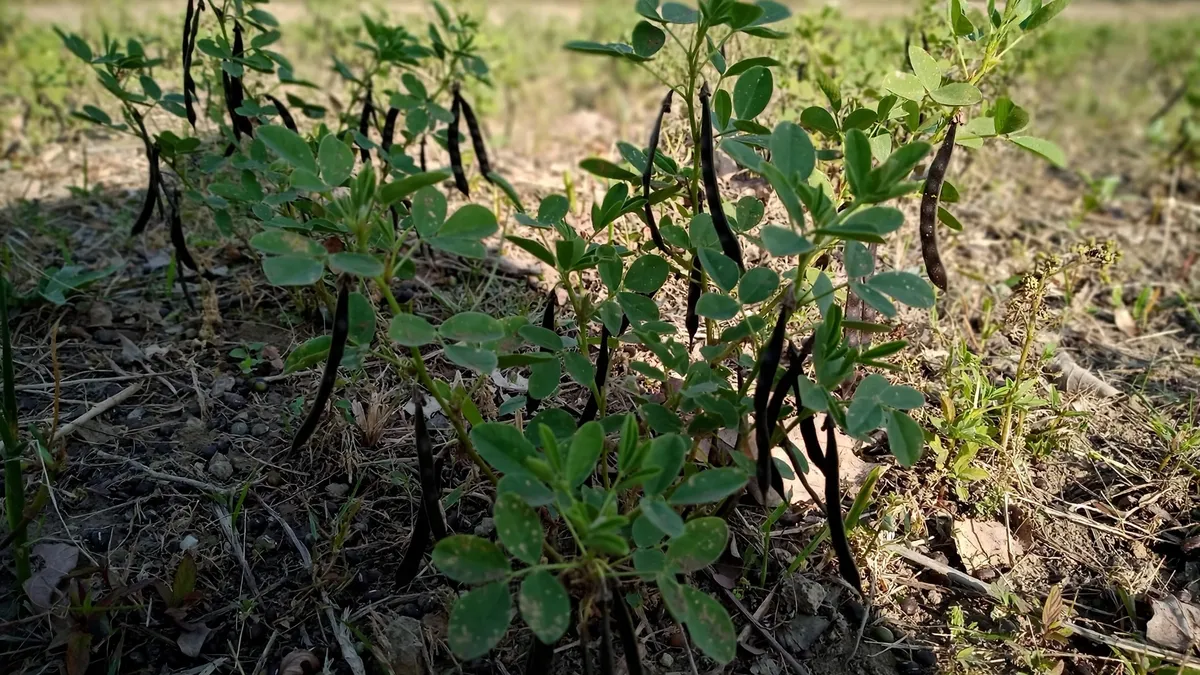
A ripe mung bean field stands low and green, with dark pods hanging on the plants until they dry and rattle when shaken. Split a pod open and the beans inside should be small, green and hard, and the field should smell of warm earth and dry leaves.
Can I join in with the picking and shelling?
Most farms let you walk the rows and help with the picking and shelling, and some let you sit in the kitchen and sprout beans with the cook. The shelling itself is dusty work, so ask the farm what guests can do before you book, and expect green dust on your hands either way.
Where should a first-time mung bean traveller start?
Jilin is the easiest first trip: the mung bean fields are widest there, the farms are used to guests, and the glass noodle soup best shows what the bean can do. If you want the story as well as the bowl, the Ayeyarwady Delta is the river country where the bean has been grown for centuries.
Do mung bean farms suit travellers who cannot eat gluten?
Mostly. The fields, the picking and the harvest are worth the trip alone, and mung beans carry no gluten, but the bread and buns served beside the beans are usually wheat. Ask the farm what a gluten-free guest can eat, and pick the picking week over the baking week.
The bottom line
A mung bean farm retreat suits travellers who prefer low green fields, shelling yards and mung beans cooked the farm’s own way to a hotel. The soup comes warm and fresh, and the finest stays feed you from ground they worked themselves.
Fix the picking week before the travel dates, and hold a spare day at the end. When the mung pods darken on time you will eat soup from beans picked that week, and when they do not, the hills, the valleys and the old towns will still carry the trip.