What Is a Heliotrope Perfume 2027
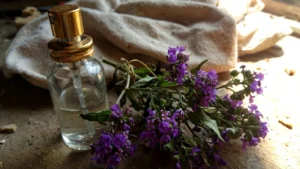
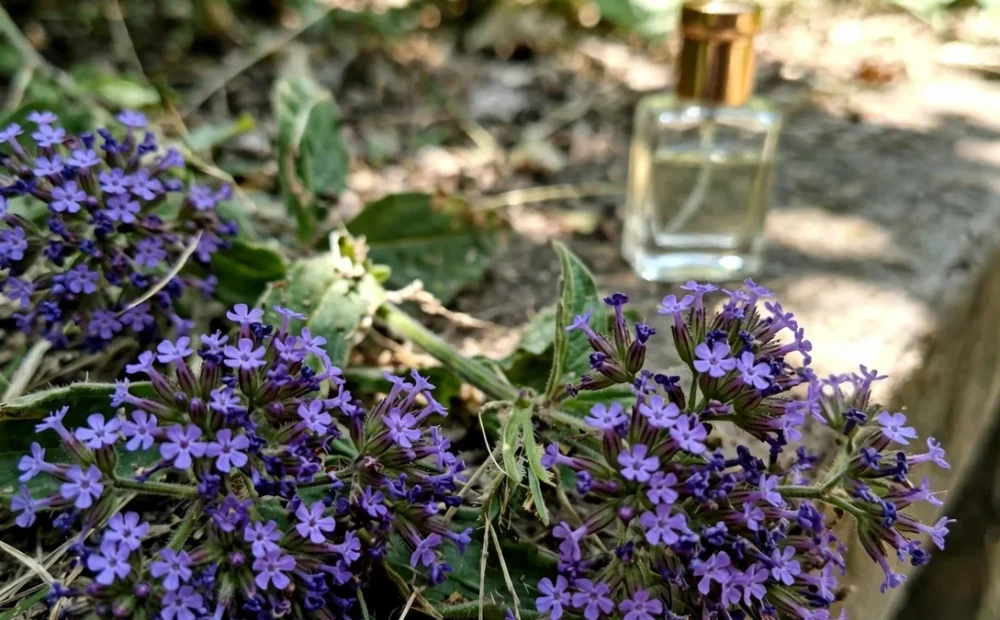
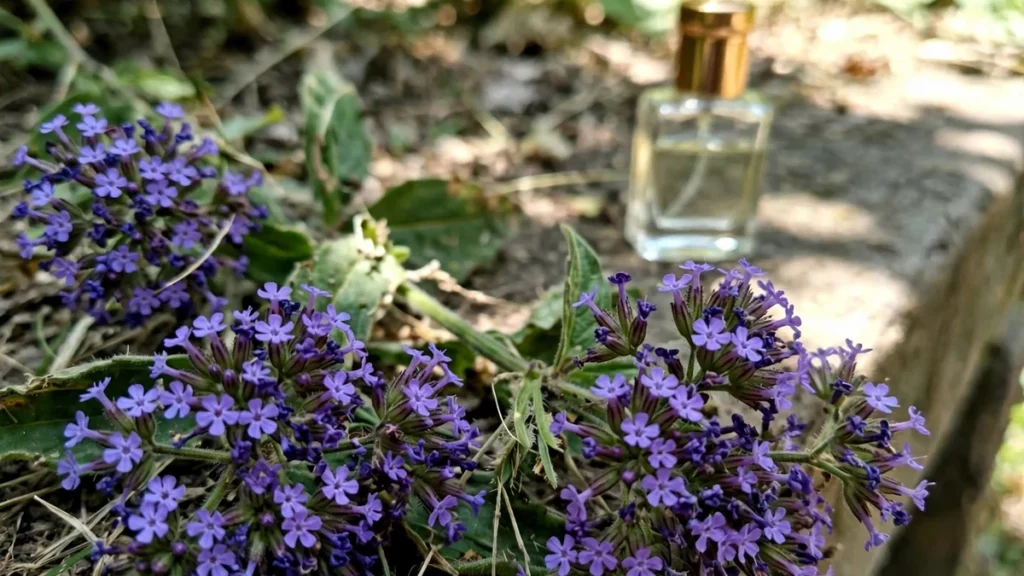
A heliotrope perfume is a perfume built around heliotrope, a flower that smells of cherry, almond and vanilla powder. The flower itself is small and purple, and it grows in gardens rather than in perfume fields. Its scent is soft, warm and powdery, like marzipan left on a warm plate, and it is one of the oldest tricks in perfumery for making a scent smell gentle, expensive and calm.
The name comes from the Greek words for sun and turning, because the flower was said to turn its face toward the sun through the day. The perfume note keeps that softness. It does not shout. It sits in the heart and the base of a formula, arrives late, and stays close to the skin for hours after the bright top notes have gone. That is why it turns up in so many classic perfumes even when it is not named on the box.
This guide explains what heliotrope actually is, where its scent comes from, why it is almost always synthetic in modern perfume, and how to recognise it in a bottle. It also covers what it pairs with, who it suits, and the caveats that matter before you buy. By the end, you will know the note by smell, not just by name.
Key takeaways
- The flower’s scent is cherry, almond and vanilla powder, nothing like a fresh-cut bloom.
- The scent comes from heliotropin, a molecule first synthesised in the 19th century, and almost all heliotrope in perfume is synthetic.
- It works as a heart and base note, arriving late in the wear and staying close to the skin.
- Its classic partners are iris and violet, which together make the powdery character of vintage perfume.
- The plant itself is toxic if eaten, so a bottle that claims a natural heliotrope absolute should be read with care, and heliotrope is not a note for anyone who dislikes powder.
What heliotrope actually smells like
Lift a blotter of heliotrope to your nose and the first thing you meet is marzipan: cherry stones, sweet almond, a little vanilla, and a dry powder underneath that feels more like talc than sugar. There is no green snap and no fresh petal in it. It smells like a drawer lined with old sachets, warm, dry and quietly sweet, and that warmth is the whole reason perfumers keep it on the shelf.
Inside a finished formula, heliotrope works on both sides of the pyramid at once. It takes the sharp edge off the citrus and white florals above it, and it lends a powdery sweetness to the musk and sandalwood below. That is why so many classic perfumes smell powdery even though the box never mentions the word: heliotrope is often the quiet cause.
Almond is the note most often mixed up with heliotrope, and the mix-up is fair. The two share a cherry-marzipan character built on the same family of molecules. Almond finishes sharper and greener, with a faint bitterness that keeps it lively. Heliotrope finishes rounder and softer, with a powdery warmth that settles instead of sparkling. When a scent smells of marzipan and then turns to powder as it dries, heliotrope is usually the note doing the work. Our guide to the violet perfume explains the other half of that powdery partnership, because violet and heliotrope are almost always found together.
How to read a pyramid that names it
A fragrance pyramid lists notes in three layers, and heliotrope usually appears in the middle or at the bottom. When it is in the heart, it arrives after the first half hour and shapes the middle of the wear, softening the florals around it. When it is in the base, it arrives even later and holds the dry-down together, which is why the last hours of a classic perfume often smell powdery even when the opening was bright and floral.

When heliotrope is the only floral note listed, the perfume is usually a soliflore, a bottle built on one note, and the heliotrope will be easy to smell. When it is listed alongside iris, violet, vanilla and musk, the perfume is a powdery accord, and the heliotrope will be harder to pick out on its own, because it is working with the others rather than leading. Both are honest uses of the note, but they smell very different, and knowing which one you are buying avoids disappointment.
Watch out for bottles that list heliotrope in the top notes. A true top-note heliotrope is rare, because the molecule is heavy and slow to evaporate. A pyramid that puts it at the top is usually a marketing choice rather than a technical one, and the perfume will still show its powder late, whatever the box says.
9 facts about heliotrope
The flower turns toward the sun
What it shows: Heliotrope is Heliotropium arborescens, a flowering shrub from South America, and its name comes from the Greek words for sun and turning, because the flower was said to follow the sun through the day. It grows in gardens in warm climates and is better known as a garden plant than as a perfume crop.
What to consider: The garden history matters because it explains why the note smells soft rather than wild. Heliotrope was bred as a sweet garden flower, not as a crop for oil, and its scent was shaped by gardeners long before perfumers took an interest in it.
Cherry, almond and vanilla, all at once
What it shows: Heliotrope smells of cherry stones, sweet almond and vanilla powder, with a soft talc-like warmth underneath. There is no fresh or green character in it, and no sharp floral edge. It is one of the warmest floral notes in perfumery.
What to consider: Because it smells warm and sweet, people often expect it to be heavy, but it is actually light. The powder is dry rather than sticky, which is why it works in colognes as well as in rich evening perfumes.
The molecule is heliotropin
What it shows: The scent of heliotrope comes from heliotropin, also called piperonal, a molecule first synthesised in the 19th century. It smells of cherry, almond and vanilla, and it is the same molecule that gives the flower its character. Perfumers use it as a building block for powdery accords.
What to consider: Heliotropin is also found in other plants, including vanilla and black pepper, which is why those materials share part of heliotrope’s character. A perfume that smells of heliotrope and vanilla is often just heliotropin doing double duty.
The plant gives almost no oil
What it shows: Natural heliotrope flowers yield almost no essential oil, and a natural heliotrope absolute is rare, costly and hard to find. Nearly all heliotrope in modern perfume is synthetic heliotropin, made in a laboratory rather than pressed from flowers.
What to consider: A bottle that claims a natural heliotrope absolute should be read with care. The claim is not impossible, but it is unusual, and it would make the perfume very expensive. Most honest heliotrope perfumes simply use heliotropin and say so in their materials lists.
It shows up late and stays close
What it shows: Heliotrope is a heart and base note, which means it appears late in the wear and stays close to the skin. The opening of a heliotrope perfume is usually citrus or white florals, and the powder only arrives after the first hour, then lasts into the evening.
What to consider: A quick spray in a shop will not show you the heliotrope. Judge it after an hour on skin, when the top notes have faded and the powder has had time to arrive.
It built the powdery classics
What it shows: Heliotrope is the note behind the powdery character of the great vintage perfumes. Guerlain’s Après l’Ondée and L’Heure Bleue, and Houbigant’s Quelques Fleurs, all lean on it, and their soft, melancholic powder is heliotrope working with iris and violet.
What to consider: Those classics smell vintage partly because heliotrope itself smells vintage. It is a 19th-century note, and modern perfumes that use it heavily will always carry a little of that old-fashioned warmth, whether the perfumer wants it or not.
The powdery trio: iris, violet, heliotrope
What it shows: Heliotrope’s classic partners are iris and violet, and the three together make the powdery accord that defines vintage perfume. Vanilla, benzoin, musk and sandalwood are its other usual partners, each one warming the powder without changing its character.
What to consider: The partnership is so close that the three notes are hard to separate in a finished perfume. If you love one of them, you will probably love the other two, and buying all three is the fastest way to understand the powdery family.
People mix it up with almond
What it shows: Almond and heliotrope share the cherry-marzipan character, and many people who think they dislike heliotrope actually dislike almond, or the other way around. Almond is sharper and greener, with a faint bitterness. Heliotrope is rounder, softer and more powdery.
What to consider: The confusion is useful when you are shopping. If a perfume lists almond and smells powdery, it probably contains heliotropin as well. If it lists heliotrope and smells sharp, it probably contains almond too. The two are almost always found together.
The plant is toxic if eaten
What it shows: Heliotrope plants contain pyrrolizidine alkaloids, which are toxic if the plant is eaten, and the flowers should never be used in food or tea. The perfume material heliotropin is used at tiny, regulated doses on the skin, and it is considered safe at those levels.
What to consider: The toxicity of the plant does not make the perfume dangerous, but it is a good reason not to trust a homemade heliotrope oil or a bottle that claims to be pressed from the flowers. Real heliotrope perfume is made from heliotropin, not from the plant.
Who it suits and when to wear it
Heliotrope suits anyone who likes soft, close-wearing perfume and dislikes loud, sharp scents. It is at its best on people who want to smell clean and warm rather than floral or fruity, and it works equally well on men and women, because powder is not a gendered character. The driest heliotrope perfumes, with woody bases and little sweetness, are the easiest unisex choices, while the richest ones, with vanilla and benzoin, lean more traditional and feminine.
For seasons, heliotrope is a cold-weather note at heart. The powder is at its best in autumn and winter, when cool air keeps it from turning heavy, and the richest classics need a coat to show their best. In warm weather, choose the lightest heliotrope perfumes, with green leaves and citrus keeping the powder from turning dusty, and use one spray rather than three. Our guide to the lilac perfume covers another powdery floral that behaves the same way in heat, which is a useful comparison if you are building a warm-weather powder wardrobe.
For occasions, heliotrope is a quiet note, so it suits offices, daytime wear and close company better than loud evening events. It will not fill a room, and it will not announce you, which is exactly the point. If you want a perfume that sits close and rewards the people near you, heliotrope is one of the best choices in perfumery.
The caveats that matter
Heliotrope feels gentle, but it is a risky blind buy all the same. No other character in perfumery splits opinion the way powder does. One person smells comfort and clean linen, another smells dust and an old drawer, and only a full day on skin reveals which camp you fall into. A paper strip cannot tell you, because the powder needs an hour to appear, so a quick spray at a counter is the poorest way to judge the note.
| Detail | What is known |
|---|---|
| The plant | Heliotropium arborescens, a flowering shrub from South America |
| The scent | Cherry, almond and vanilla powder, soft and warm |
| The molecule | Heliotropin, also called piperonal, synthesised in the 19th century |
| Where it sits | Heart and base note, late to appear and long-lasting |
| Classic partners | Iris, violet, vanilla, benzoin, musk, sandalwood |
| Natural vs synthetic | Natural oil is rare and costly; most heliotrope in perfume is synthetic heliotropin |
| Who should avoid it | Anyone who dislikes powdery scents; test on skin before buying a full bottle |
| Safety | The plant is toxic if eaten; heliotropin in perfume is used at small, regulated doses |
If you are pregnant, breastfeeding, or sensitive to fragrance, check with your clinician before wearing a new perfume, especially a powdery one, because pregnancy changes how skin reacts to scent. That is not a formality. A simple check avoids weeks of headaches or irritation from a bottle you cannot return.
Checklist: understanding heliotrope honestly
Use these checks before you buy, and again after a full day of wear.
- Learn the smell first: cherry, almond and vanilla powder, not fresh petals.
- Read the pyramid: heliotrope in the heart or base means a soft, late effect.
- Expect synthetic heliotropin: natural heliotrope oil is rare and costly.
- Pair it with iris and violet for the classic powder effect.
- Test on skin for a full day: heliotrope shows its character after the first hour.
- Keep the bottle cool and dark, because powdery perfumes fade faster in heat and light.
Frequently asked questions
Is heliotrope a real flower?
Yes. Heliotrope is Heliotropium arborescens, a flowering shrub from South America with small purple flowers. It is grown in gardens in warm climates, and its scent is cherry, almond and vanilla powder, though the perfume note is usually the synthetic molecule heliotropin.
What does heliotrope smell like?
It smells like marzipan and cherry stones, with a soft powder underneath that feels like talc rather than sugar. There is nothing green or fresh about it. It is warm, dry and quietly sweet, and it turns a perfume powdery rather than floral.
Is heliotrope the same as almond?
No, though they are close. Almond is sharper and greener, with a bitter edge that keeps it lively. Heliotrope is rounder, softer and more powdery, and it turns to talc as it dries down. The two are often found together, which is why they are confused.
Why is heliotrope in so many powdery perfumes?
Because it is the note that makes powder smell elegant rather than dusty. It softens the florals above it and warms the musks below it, and it works with iris and violet to build the powdery accord that defines vintage perfume. Our guide to the mimosa perfume shows how another soft floral is built, which is a useful comparison if you are still learning the family.
Does heliotrope last long on skin?
Yes, in an eau de parfum. Heliotrope is a base note, so it lasts longer than the bright top notes and is usually the last thing left on the skin by evening. In a cologne, it will have faded by the afternoon, because the concentration is lower.
Is heliotrope safe in perfume?
Yes, at the doses used in perfume. The plant itself is toxic if eaten, because it contains pyrrolizidine alkaloids, but the perfume material heliotropin is used at tiny, regulated doses on the skin. Do not use homemade heliotrope oil or eat the flowers.
The bottom line
A heliotrope perfume is a powdery perfume, built on cherry, almond and vanilla, and it is one of the oldest and most elegant characters in perfumery. The note is almost always synthetic heliotropin, because the flower gives almost no oil, and that is not a flaw. The synthetic molecule is what makes the note affordable, consistent and safe, and it is the reason the great powdery classics still smell the way they did a century ago.
Learn the smell on skin, give it an hour to arrive, and pair it with iris and violet if you want the classic effect. If the powder feels like comfort, heliotrope is your note. If it feels like dust, it is not, and no amount of money spent on a grander bottle will change that.