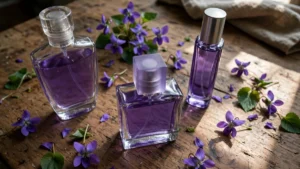
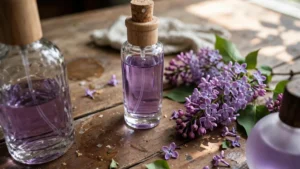
Lilac is a paradox in a bottle. It is one of the most loved scents in the world, the smell of May itself, and one of the hardest flowers to turn into a perfume. Every spring, people stand under a lilac bush and wonder why no bottle has ever quite captured it. The answer is that the flower will not cooperate. Lilac gives up no oil, no absolute, no extract that a perfumer can work with. What smells like lilac in a bottle is always a reconstruction, built from other materials that together suggest the flower.
That does not make a lilac perfume a fake. It makes it a piece of craft. A good lilac perfume is a careful imitation, the way a good portrait is a careful imitation of a face. Knowing the difference starts with understanding what a lilac perfume actually is, and how it is made.
This guide explains lilac perfume from the flower up: why the scent is so hard to bottle, what materials perfumers use instead, how to read a lilac perfume on a shelf, and how to wear one well.
Key takeaways
- Lilac is a silent flower: it yields no essential oil, so perfumers rebuild its scent from other materials such as heliotrope, violet and musk.
- The lilac accord is usually built on heliotrope for powdery sweetness, lily of the valley materials for green lift, and musk for staying power.
- Lilac is usually a heart note, not a top or a base, and it fades faster than rose or jasmine, typically within three to six hours.
- The same lilac perfume can smell like a garden on one person and like soap on another, so always sample on skin before buying.
- Lilac on a bottle does not guarantee the flower is the star; check the notes list, and sample before buying a full bottle.
What a lilac perfume actually is
A lilac perfume is a fragrance built around a lilac accord, which is a blend of materials chosen to imitate the smell of lilac flowers. The accord is the centre of the perfume, and everything else in the bottle exists to support it: green notes to give it freshness, powdery notes to give it softness, and musky notes to give it staying power.
Most lilac perfumes are floral in family, light in weight, and built for spring and daytime. The lilac usually sits in the heart of the composition, between a fresh opening and a soft, musky base. The opening is often green or citrus, the heart is where the lilac lives, and the base is where the perfume settles into powder and musk. That structure is why a lilac perfume smells most like lilac in the first hour, and most like a soft skin scent by the evening.
There are two broad kinds. The first is the photorealistic lilac, built to smell like the flower as it grows: green, watery, a little dewy, with cucumber or galbanum beside the flower. The second is the powdery lilac, built to smell like lilac as a memory: soft, vintage, a little gourmand, with heliotrope, cocoa or vanilla doing the heavy lifting.
How lilac is made in the lab
The problem starts with the flower. Lilac blossoms are too delicate and too low in oil to survive distillation, and the scent compounds that make lilac smell like lilac are fragile. They break down under heat and they evaporate quickly. That is why lilac is called a silent flower, alongside lily of the valley and gardenia: it has a voice, but it will not speak into a bottle.
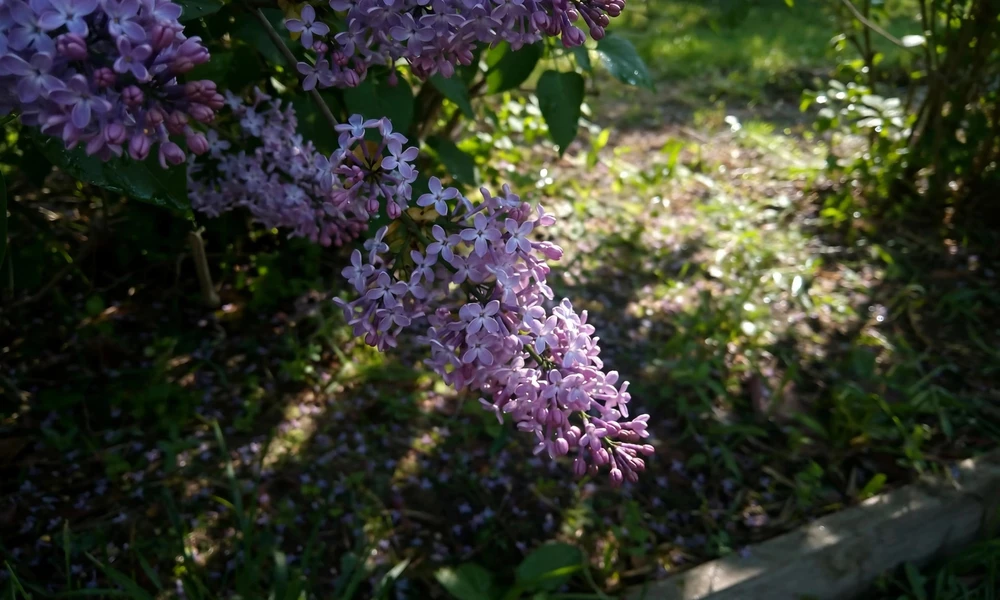
So perfumers rebuild it. The usual recipe starts with heliotrope, which supplies the powdery, almond sweetness that is the backbone of lilac. Then comes a lily of the valley material, which adds the green, dewy lift, and a touch of violet, which adds the cool, powdery edge. Musk holds the whole accord on the skin. Around that core, a perfumer adds the character of their own lilac: cucumber and wheat for a watery, rain-washed lilac, or cocoa and tonka for a warm, gourmand one, or galbanum and angelica for a green, sunlit one. Our guide to what a freesia perfume is describes a similar story, since freesia is another spring flower whose scent has to be rebuilt rather than extracted.
The result is a scent that is honest in a different way from a rose perfume. A rose perfume contains rose. A lilac perfume contains an idea of lilac, made from other flowers and a few laboratory materials, and the quality of the idea is what you are paying for.
9 things to know about lilac perfume
Lilac has no natural extract
What it shows: Lilac is a silent flower, so every lilac perfume is a reconstruction, not an extraction. What to consider: A brand that claims natural lilac oil is stretching the truth; the scent always comes from other materials. Best For: Anyone who wants to understand what they are actually buying. Material: A lilac accord, built from heliotrope, violet and musk. Price Range: From around $24 for a simple soliflore to around $395 for a luxury niche scent, approximate. Standout Feature: The reconstruction itself, which is the whole craft of lilac perfumery.
Heliotrope does most of the work
What it shows: Heliotrope supplies the powdery, almond sweetness that reads as lilac to most noses. What to consider: Too much heliotrope, and the perfume turns into powder and loses the flower. Best For: People who like soft, powdery florals. Material: Heliotrope, usually as a synthetic accord. Price Range: Found in lilac perfumes from around $24 to around $395, approximate. Standout Feature: The almond-powder sweetness that anchors the lilac.
If a lilac perfume smells powdery, that is heliotrope talking. It is not a flaw. It is the material that makes lilac wearable at all.
It is a heart note, not a top or base
What it shows: Lilac usually sits in the middle of a perfume, between a fresh opening and a soft, musky base. What to consider: That is why it smells strongest in the first hour and softest by the evening. Best For: Daytime wear, when the heart of a perfume is at its clearest. Material: A lilac accord in the heart, with green top notes and a musky base. Price Range: Typical for lilac perfumes in every price band, approximate. Standout Feature: The way the flower blooms in the middle of the wear, not at the start.
Green notes make it smell real
What it shows: Galbanum, cucumber, angelica and green leaves give lilac its garden realism. What to consider: Without a green note, lilac can drift into powder or soap. Best For: People who want lilac that smells like the bush, not the dressing table. Material: Galbanum, cucumber, angelica seed or green leaf accords. Price Range: Found across lilac perfumes from around $22 to around $290, approximate. Standout Feature: The cut-stem freshness that makes the flower believable.
Powder is part of the deal
What it shows: Lilac is naturally powdery, and the materials that rebuild it, especially heliotrope and orris, add more powder. What to consider: If you dislike powdery scents, lilac will always be a difficult note for you. Best For: People who enjoy soft, vintage florals. Material: Heliotrope and orris, the powdery backbone of the accord. Price Range: Typical for lilac perfumes in every price band, approximate. Standout Feature: The soft, vintage powder that is lilac’s signature.
Powder is not a mistake in a lilac perfume. It is the flower. If you want lilac without powder, look for a green, watery version instead.
It smells stronger on skin than on paper
What it shows: Lilac is one of the notes that changes most between a blotter and a wrist. What to consider: A lilac that smells thin on paper can bloom on warm skin, and a lilac that smells strong on paper can turn soapy on skin. Best For: Anyone buying a lilac perfume for the first time. Material: The full lilac accord, worn on skin rather than paper. Price Range: No extra cost, just a sample and a little patience. Standout Feature: The way warmth brings the flower out.
It fades faster than rose or jasmine
What it shows: Lilac is a light, volatile accord, and it evaporates faster than heavier florals. What to consider: Most lilac perfumes last three to six hours, and single-note colognes fade in three to four. Best For: People who are happy to reapply, or who like a light scent. Material: A light lilac accord with a musky base. Price Range: Typical for lilac perfumes in every price band, approximate. Standout Feature: The fleeting quality, which is part of what makes lilac feel like spring.
The same name can smell very different across brands
What it shows: Because lilac is a reconstruction, each perfumer builds a different idea of the flower. What to consider: A lilac from one house can be green and watery, while a lilac from another is powdery and gourmand. Best For: People who are open to trying several versions of the note. Material: Different lilac accords, built from different supporting notes. Price Range: From around $22 to around $395, approximate, depending on the house. Standout Feature: The variety, which means there is a lilac for almost every taste.
Do not assume that because you disliked one lilac perfume, you dislike lilac. Try a green one if the powdery one failed, and a powdery one if the green one felt thin.
It is a spring note, but it works year-round in the right form
What it shows: Light, green lilacs are at their best in spring, but powdery and gourmand lilacs work into autumn and winter. What to consider: The season matters less than the form: green for warm days, powdery for cool ones. Best For: Anyone who wants to wear lilac beyond May. Material: A lilac accord with a warm base of cocoa, tonka or vanilla for cooler months. Price Range: Typical for lilac perfumes in every price band, approximate. Standout Feature: The way the same flower changes character with the season.
Lilac vs the other spring florals
Lilac is often confused with its spring cousins, but it is easy to tell apart once you know what to listen for. Lily is cooler and more watery, with a green, almost aquatic quality and a longer life on skin. Freesia is sweeter and fruitier, with a peppery edge that lilac does not have. Peony is rounder and more romantic, with a soft, rosy warmth. Hyacinth is greener and sharper, with a hyacinth sharpness that lilac lacks. Lilac sits between them: powdery where lily is watery, green where peony is round, and soft where hyacinth is sharp.
That middle position is why lilac is so useful in a wardrobe. It pairs well with other spring florals, and it layers well with a plain musk or a soft vanilla. It is also why lilac is harder to find than its cousins. Rose, jasmine and lily of the valley all have usable natural materials. Lilac does not, so brands have to work harder for it, and many simply do not bother. Our guide to what a lily perfume is is a useful comparison, because lily is the closest relative, and the differences between the two flowers explain a lot about how lilac perfumes are built.
If you are building a spring wardrobe, start with lilac as the centre and add one cousin at a time. A lily for cooler days, a freesia for sweeter days, a peony for romantic days.
The caveats that matter
Lilac is a beautiful note, but it is not a straightforward one. It can turn soapy on some skin, it fades faster than heavier florals, and a bottle that smells like a garden on paper can smell like a candle on your wrist. None of that makes it a bad choice. It makes it a note worth sampling properly, with a little patience, before you commit to a full bottle.
| Detail | What is known |
|---|---|
| What it is | A fragrance built around a reconstructed lilac accord, not a lilac extract |
| Why it is hard to bottle | Lilac is a silent flower and yields no essential oil |
| Key supporting notes | Heliotrope for powder, lily of the valley materials for green lift, musk for staying power |
| Where it sits in a perfume | Usually a heart note, strongest in the first hour |
| How long it lasts | Usually 3 to 6 hours on skin, longer on clothes and hair |
| Who should sample first | Anyone sensitive to powdery or soapy florals |
| What can go wrong | It can smell like soap or cleaning products on some skin |
| What it does not do | It does not smell like a fresh lilac bush all day, and it will not project like a heavy oriental |
If you are pregnant, breastfeeding, or using prescription skincare, the usual caution applies to any new scented product: patch-test first, and check with your clinician if you have a fragrance sensitivity or a skin condition.
Checklist: understanding lilac perfume honestly
Use these checks before you buy a lilac perfume, and again after a week of wear.
- Check the notes list: lilac should be named, and a green or powdery supporting note should be there too.
- Remember it is a reconstruction: there is no natural lilac oil, so judge the skill of the imitation, not the purity of the flower.
- Sample on skin, not just on paper, and wear it for a full day before you decide.
- Wait for the heart: the lilac is clearest twenty minutes in, not on the first spray.
- Expect three to six hours, and plan to reapply, or spray on clothes and hair as well.
- Store it cool and dark, and wear it in its season, when the scent feels most like itself.
Frequently asked questions
Why does lilac perfume smell like soap to some people?
Because the materials that rebuild lilac, especially heliotrope and musk, are also used in soaps and laundry products. On some skin, the powdery side of the accord dominates and the brain reads it as clean rather than floral.
Is there any real lilac in lilac perfume?
No, not in the sense of an oil or an absolute from the flower. Lilac is a silent flower and yields no usable extract. The scent is rebuilt from other materials, such as heliotrope, violet, lily of the valley materials and musk, which together imitate the flower.
How long does a lilac perfume last?
Usually three to six hours on skin, longer on clothes and hair. Single-note colognes fade fastest, around three to four hours, while powdery eau de parfums with a musky or vanilla base can last into the evening.
Is lilac perfume only for women?
No. Green, watery lilacs read as unisex, and several of the best lilac perfumes are marketed without a gender at all. The powdery, vintage ones lean more feminine, but the note itself has no gender. If you like it, wear it.
What is the difference between lilac and hyacinth perfume?
Hyacinth is greener and sharper, with a hyacinth bite that lilac does not have, while lilac is softer and more powdery. Both are spring flowers, and both have to be reconstructed in the lab, but hyacinth reads as a cut flower and lilac reads as a bush in bloom.
What should I try next if I like lilac?
Peony is the closest romantic cousin, round and soft where lilac is cool and powdery. Our roundup of peony perfumes is a good next stop
The bottom line
A lilac perfume is not a bottle of lilac. It is a reconstruction of lilac, built from heliotrope, violet, musk and a few green notes, and the quality of the reconstruction is what you are paying for. The best lilac perfumes are honest about that: they do not promise the flower, they promise a good idea of the flower, and they deliver it for the hours that matter.
Sample on skin, wait for the heart, and judge it on how it smells on you, not on how it smells on paper. If the lilac blooms for you, buy the bottle and wear it while spring lasts. The flower may be silent, but the perfumes that imitate it have a great deal to say.