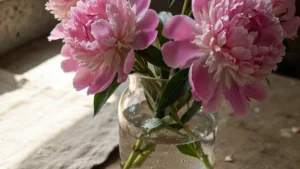
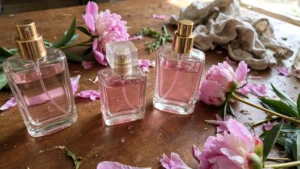
A lily perfume is a fragrance built around the scent of lily, one of the oldest and most recognisable flowers in perfumery. It sounds simple, but the name covers two very different flowers, several ways of recreating the scent, and a wide range of styles, from a fresh green spring floral to a warm, heady white flower that fills a room. Understanding what a lily perfume actually is makes it much easier to choose one you will love.
Part of the confusion is that the lily you smell in a bottle is rarely the lily you see in a garden. Lily of the valley, the flower behind most classic lily perfumes, is so delicate that its scent cannot be extracted in the usual way, so perfumers recreate it from other ingredients. White lily has a stronger natural scent, but it is still usually blended with jasmine, tuberose, or musk. The result is a family of perfumes that share a flower in name but differ a great deal in character.
This guide explains what a lily perfume is, how the scent is made, what the different lily notes smell like, and how to tell a good one from a poor one. By the end, you will know whether you prefer the fresh green side or the warm white side.
Key takeaways
- A lily perfume is built around lily of the valley or white lily, two flowers with very different scents.
- Lily of the valley is fresh, green, and dewy; white lily is warm, full, and slightly spicy.
- The lily scent in most bottles is recreated by perfumers, because the real flower gives up almost no oil.
- Lily perfumes are usually moderate in strength, lasting four to six hours, and they suit daytime and spring best.
- No lily perfume smells exactly like a fresh-cut lily, and a scent that seems sharp on paper often softens on skin.
What a lily perfume actually is
In perfumery, a lily perfume is any fragrance in which lily is the leading floral note. That usually means lily of the valley, known as muguet, or white lily, known as lys. A muguet perfume is built to smell like the small white bells of the lily-of-the-valley plant: fresh, green, slightly sweet, and dewy, like a spring garden after rain. A white-lily perfume is built around the larger, trumpet-shaped flower, and it smells fuller, warmer, and more heady, with a soft spiciness that muguet does not have.
The distinction matters because the two flowers lead to very different perfumes. A muguet perfume is light, clean, and close to the skin, the kind of scent that works at work, at a wedding, or on a warm day. A white-lily perfume carries further and feels more like an evening scent, especially when it is blended with tuberose, ylang-ylang, or a warm musk.
There is also a third, lighter style: the water lily and lotus family, which perfumers use for sheer, watery florals. These smell more like clean water and green leaves than like a flower in full bloom, and they suit people who want a hint of lily rather than a full floral statement. Our guide to what a peony perfume is covers a related soft floral.
How lily perfumes are made and what to look for
Most lily perfumes are not made from the flower itself. Lily of the valley produces almost no essential oil, and the flower is too delicate for the usual extraction methods, so perfumers recreate its scent from a blend of other ingredients, often including hydroxycitronellal, linalool, and green leaf notes. This is how the classic muguet perfumes have always been made.
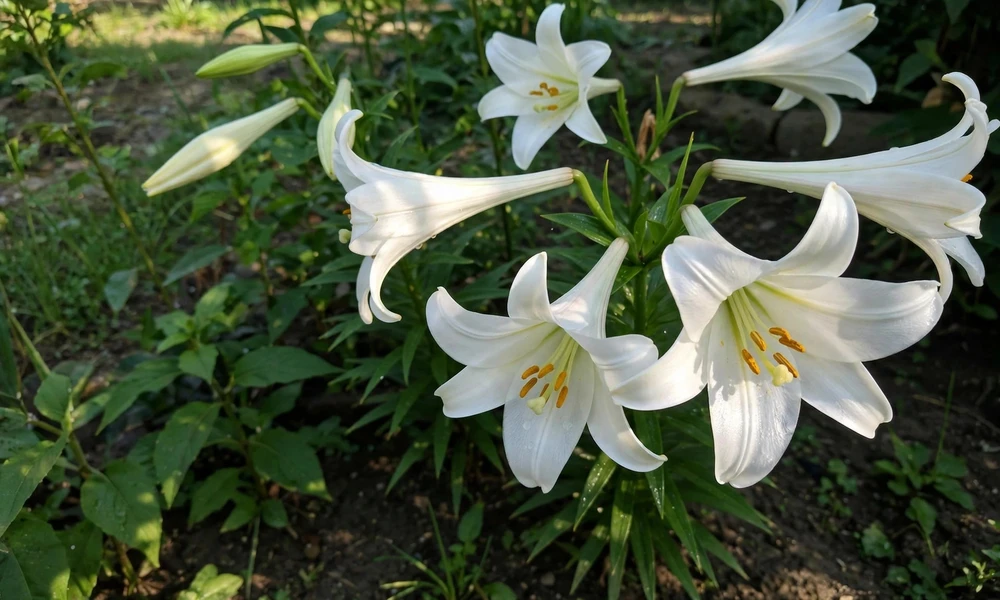
White lily is easier to work with, because the flower has a stronger natural scent, but it is still usually supported by jasmine, tuberose, or orange blossom. The supporting notes decide the character of the perfume: green leaves and galbanum make it crisp and cool, ylang-ylang and vanilla make it warm and rich, and a clean musk base makes it last longer without changing the floral heart.
When you are choosing, look at concentration as well. Most lily perfumes are eau de toilette or eau de parfum, and lily notes are naturally moderate in strength, so four to six hours of wear is normal. Our explainer on what a tuberose perfume is is a useful comparison, because tuberose is the note most often blended with lily.
9 things to know about lily perfume
Lily of the valley is not a true lily
What it shows: Despite the name, lily of the valley belongs to a different plant family from true lilies, and its scent is greener, cooler, and more delicate than the white lily. What to consider: A perfume labelled muguet will smell fresh and green, not rich and heady, so do not expect the warm white flower. Best For: Anyone who wants a fresh, daytime floral. Material: Lily of the valley, recreated by perfumers. Price Range: Mid-range to premium. Standout Feature: The freshest, greenest scent in the lily family.
What matters is the scent: cool, dewy, and light, and very different from white lily.
The scent is recreated, not distilled
What it shows: Lily of the valley gives up almost no essential oil, so perfumers rebuild its scent from ingredients such as hydroxycitronellal and linalool. What to consider: A synthetic recreation is normal here, not a sign of a cheap perfume, and the best recreations smell closer to the flower than a crude extract would. Best For: Anyone curious about how classic florals are made. Material: Recreated muguet accord, eau de toilette. Price Range: Mid-range to luxury. Standout Feature: A classic example of perfumery as craft rather than extraction.
Each perfumer builds the flower their own way, so two muguet perfumes can smell quite different.
White lily and lily of the valley are different notes
What it shows: White lily is warm, full, and slightly spicy, while lily of the valley is fresh, green, and cool, and they suit different occasions. What to consider: A bottle that just says lily is usually built around white lily, so check the note list if you want the fresh green style. Best For: Anyone choosing between a daytime floral and an evening floral. Material: White lily and muguet, eau de parfum. Price Range: Mid-range to luxury. Standout Feature: Two flowers, two personalities, one family name.
Once you know which side you prefer, the right bottle is easy to find.
Lily perfumes are moderate in strength
What it shows: Lily notes are naturally light, so most lily perfumes last four to six hours and sit close to the skin. What to consider: A lily perfume that lasts all day is usually carrying a heavy musk or wood base, which changes the scent, so do not expect all-day power from a pure floral. Best For: Daytime wear and people who prefer a scent that stays close. Material: Lily accord, eau de toilette or eau de parfum. Price Range: Mid-range to premium. Standout Feature: A moderate, elegant strength that suits close wear.
Its lightness is a feature, not a flaw, for people who want to smell good without filling a room.
Green notes make lily smell fresh
What it shows: Green leaves, galbanum, and a touch of citrus are what give a lily perfume its crisp, cool, spring-garden character. What to consider: Too much green can make a lily perfume smell sharp or soapy in the first minutes, so give it ten minutes on skin before you judge it. Best For: Spring, warm weather, and fresh floral lovers. Material: Lily of the valley with green notes, eau de toilette. Price Range: Mid-range to premium. Standout Feature: The green opening that makes muguet smell like a garden after rain.
Look for a strong green opening if you love the smell of cut stems and wet leaves.
White lily pairs with warm, spicy notes
What it shows: White lily blends naturally with ginger, orange blossom, ylang-ylang, and warm musk, which bring out its sunny, spicy side. What to consider: These warm partners make the perfume richer and longer-lasting, but they also make it less suited to very hot weather. Best For: Evenings, cooler months, and anyone who finds muguet too light. Material: White lily with ginger and musk, eau de parfum. Price Range: Premium to luxury. Standout Feature: A warm, sunny lily that feels like a Mediterranean garden.
The spice gives the lily warmth and depth, and it is what makes white lily work after dark.
Lily works in every season, with the right version
What it shows: Muguet suits spring and summer, white lily suits autumn and winter, and sheer water-lily styles work all year. What to consider: A rich white lily can feel heavy on a very hot day, and a sheer muguet can disappear in cold air, so match the version to the weather. Best For: Anyone building a small perfume wardrobe around one flower family. Material: Lily of the valley and white lily, eau de toilette. Price Range: Mid-range to premium. Standout Feature: One flower family that covers the whole year.
With a fresh muguet for summer and a warm white lily for winter, the family covers every season.
Lily suits sensitive noses better than heavy florals
What it shows: Lily perfumes are usually lighter and cleaner than heavy orientals or dense tuberose blends, so they are less likely to overwhelm. What to consider: White lily can still feel rich if it is blended with a lot of ylang-ylang, so sensitive wearers should start with a muguet. Best For: Work, small rooms, and anyone who finds strong perfume tiring. Material: Lily of the valley, eau de toilette. Price Range: Mid-range to premium. Standout Feature: A floral that is present without being overpowering.
Its moderate strength and clean character make it one of the easiest white florals to wear all day.
The best lily perfumes balance the flower with musk or woods
What it shows: A soft musk or light woody base gives a lily perfume staying power without changing its floral heart. What to consider: A heavy amber or very sweet vanilla base can overwhelm the lily, so look for a clean, soft base rather than a rich one. Best For: Anyone who wants a lily perfume that lasts past lunch. Material: Lily with white musk, eau de parfum. Price Range: Premium. Standout Feature: A balanced base that lets the flower shine and last.
A well-chosen musk holds the flower on the skin for hours, while a heavy base buries it.
How to tell a good lily perfume from a poor one
Start with the opening. A good lily perfume smells fresh and green, or warm and full, from the first spray, with a clear floral character that you can recognise. A poor one smells sharp, soapy, or flat, with a chemical edge that does not soften after ten minutes.
Then look at how it develops. A good lily perfume changes gently over a few hours, moving from the green opening into a soft floral heart and then a clean, musky base. A poor one stays the same from start to finish, or fades to nothing within an hour.
Finally, trust your nose over the name. A bottle that says lily but smells mostly of jasmine or vanilla is a jasmine or vanilla perfume with a lily garnish, and it may still be lovely, but it is not what you came for. Our guide to what a floral perfume is explains how to read a note list and work out which flower is really leading the scent.
The caveats that matter
Lily perfume is easy to wear, but there are honest limits. No lily perfume smells exactly like a fresh-cut lily, because the scent is recreated and the flower itself is delicate. Lily notes are moderate in strength, so no lily perfume will last twelve hours without a strong base. Lily can also smell soapy on some skin at first, which is why testing on skin and waiting ten minutes matters.
| Detail | What is known |
|---|---|
| What it is | A fragrance built around lily of the valley or white lily, two flowers with different scents |
| How the scent is made | Usually recreated by perfumers, because lily of the valley gives up almost no oil |
| Typical wear time | Four to six hours; white lily and musk bases last longer than sheer muguet |
| Best season | Spring and summer for muguet; white lily also suits autumn, winter, and evenings |
| Who should start gently | Anyone sensitive to white florals should test white lily first, as it is richer than muguet |
| What to avoid pairing at first | Heavy amber or very sweet vanilla, which can overwhelm a light lily |
| How to test it | Spray on skin, wait ten minutes, and judge it away from other strong scents |
| What it does not do | It does not smell exactly like a fresh-cut lily, and no lily perfume lasts all day on its own |
If you are buying a lily perfume as a gift, choose a muguet rather than a white lily, because the fresh, green style is more widely liked and less likely to feel too rich for the person receiving it.
Checklist: choosing a lily perfume honestly
Use these checks before you buy, and again after a week of wearing it.
- Check which lily it is: muguet for fresh and green, white lily for warm and full, lotus for sheer and watery.
- Check the note list: green leaves and musk mean fresh, ylang-ylang and vanilla mean warm and rich.
- Test on skin, not paper, and wait ten minutes before you judge the scent.
- Spray two to three times only, because lily blooms on warm skin and over-spraying makes it smell soapy.
- Wear it for a full week before deciding, including one warm day and one cool day.
- Buy the smallest bottle first, and only commit to a full size once you have finished it.
Frequently asked questions
What is a lily perfume?
A lily perfume is a fragrance built around the scent of lily, usually lily of the valley or white lily. Lily of the valley smells fresh, green, and dewy, while white lily smells warmer, fuller, and slightly spicy.
Is lily of the valley the same as white lily?
No. Lily of the valley, or muguet, is a small, delicate flower with a fresh, green scent. White lily is a larger flower with a warmer, richer, slightly spicy scent.
Why is lily perfume not made from real lilies?
Lily of the valley produces almost no essential oil, and the flower is too delicate for normal extraction, so perfumers recreate its scent from other ingredients. A good recreation smells closer to the real flower than a crude extract would.
How long does a lily perfume last?
Most lily perfumes last four to six hours. Sheer muguet fades fastest, while white lily and musk-based versions last longer. Applying it over a plain, unscented moisturiser can help it last a little longer.
Is lily perfume good for everyday wear?
Yes, especially lily of the valley, which is fresh, clean, and moderate in strength. It suits work, daytime, and warm weather. White lily suits evenings and cooler months, because it is richer and carries further.
What scents pair well with lily?
Green leaves, soft musk, light woods, and gentle citrus all pair well with lily. Jasmine and tuberose make it richer, while heavy amber and very sweet vanilla can overwhelm it. If you like white florals, lily sits naturally alongside jasmine and tuberose in a small perfume wardrobe.
The bottom line
A lily perfume is a fragrance built around one of two flowers: the fresh, green lily of the valley or the warm, full white lily. The supporting notes decide whether the result is crisp and cool or warm and rich. Knowing which side of the family you prefer is the fastest way to a bottle you will actually finish.
Choose by the note list, test on skin, wait ten minutes, and wear it for a week before you decide. Lily is a generous flower family, and once you know whether you prefer the fresh green side or the warm white side, the right perfume is easy to find.