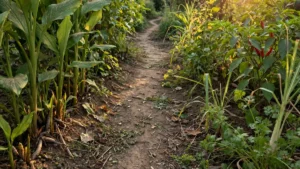
A sugar cane plantation escape is a holiday built around a working estate, not just a hotel with a colonial facade. You stay in or beside a restored great house, walk through fields of tall cane, tour a mill or a rum distillery, and eat food that comes from the land around you. It is a slower, greener kind of luxury travel, and it rewards a little planning, because the estates are small and the seasons matter more than they do at a beach resort.
The planning matters because these estates are small, remote, and seasonal. A great house inn may have twelve rooms, the harvest may run for only a few months, and the nearest town may be a long drive away. Book the wrong week, or the wrong room, and you can miss the harvest, the tour, or the table you wanted. Book well, and the estate opens up for you.
This guide walks through the nine steps that make a sugar cane plantation escape work, from choosing your region and your season to packing for the fields and leaving room in the day for nothing at all. Follow them in order, and the trip mostly plans itself.
Key takeaways
- Pick the region first, because the Caribbean, Mauritius and Louisiana offer very different cane estates, climates and histories.
- Time the trip with the harvest if you want to see the cane being cut, or with the dry season if you want calm weather and quiet fields.
- Decide early between staying on the estate and staying nearby, because the small inns sell out months ahead, especially at Christmas.
- Sort transport before you arrive, since hillside estates and rural mills are rarely served by public transport.
- No plan survives contact with a working farm, and the harvest, the weather and the estate schedule can all change; build in spare days rather than a rigid itinerary.
What a sugar cane plantation escape involves
A sugar cane plantation escape is a stay on or beside a former sugar estate. The centre of the trip is the estate itself: the great house, the gardens, the cane fields, and often a mill or a rum still. Days are usually built around the land, with a walk in the morning, a tour or a tasting in the afternoon, and dinner on the veranda or under the trees.
The pace is the point. Cane grows slowly, the fields are wide, and the estates are set apart from towns and beaches. That means long, quiet mornings, time to read and walk, and evenings that end early. It does not mean boredom, but it does mean you should arrive wanting rest and space, not a full programme of activities every hour. Most guests find that the first day feels slow, and that by the third day the slow pace is the best part of the trip.
Most escapes last four to seven nights. Shorter stays work for a single estate, but if you want to visit two islands or combine a plantation with a beach, a week is more realistic. The estates are small, so you will see the same faces at breakfast, and by day three the staff will know how you take your coffee. That familiarity is part of the charm.
How to plan a sugar cane plantation escape well
Start with the estate, not the flight. Choose the plantation you want to stay on first, check its availability, and only then book your flights around it. The small inns have few rooms, and the best dates go months ahead, so a flight booked first can leave you with a room you did not want, or no room at all.

Next, read the estate’s own materials carefully. A good plantation retreat will tell you what is grown on the estate, when the harvest runs, what tours are offered, and how the history is presented. If the website says nothing about the cane, the mill or the workers, that tells you something too. A guide to planning a tea plantation escape follows the same logic, because working estates of any kind need to be planned around the land and its seasons.
Finally, talk to the hotel before you book. Ask about the room, the walk to the restaurant, the harvest dates, and the tours. Ask how the estate tells its history, and whether the tour includes the workers’ story as well as the owners’. A short email or call will tell you more about the place than a dozen reviews, and it will help the staff look after you when you arrive.
The 9 steps to planning a sugar cane plantation escape
Pick your sugar cane region first
What to do: Choose between the Caribbean, Mauritius and Louisiana before you look at hotels, because each region offers a different climate, history and style of estate. What to avoid: Do not pick a hotel first and discover later that the region does not suit you. Best for: Every traveller, as the first decision. Time needed: An evening of reading. Standout tip: The Caribbean has the most choice, Mauritius the greenest hills, and Louisiana the deepest American history.
Time it with the harvest
What to do: Find out when the cane harvest runs on your chosen estate, and decide whether you want to see it. What to avoid: Do not assume the harvest runs all year, and do not book the wettest months without checking the weather. Best for: Travellers who want to see the estate working. Time needed: Half an hour of research. Standout tip: In the Caribbean the harvest often runs from January to June, and the fields are at their most alive then.
Decide between an estate stay and a nearby hotel
What to do: Choose whether to sleep on the estate itself or in a hotel nearby and visit the plantation by day. What to avoid: Do not book a nearby hotel assuming you can walk in and use the estate freely, because many are private. Best for: Travellers weighing budget against atmosphere. Time needed: An evening of comparing options. Standout tip: Staying on the estate is worth it for the early mornings and the evenings, when the day visitors have gone.
Book the stay early, and read the details
What to do: Book three to six months ahead for the small inns, and read the room descriptions, the meal plan and the cancellation terms. What to avoid: Do not book the cheapest room without checking whether it has a view, a veranda, or a long walk to the restaurant. Best for: Anyone travelling in the dry season or at Christmas. Time needed: An hour to compare rooms and terms. Standout tip: Ask which rooms have a field view, because in a great house the view is half the stay.
Sort transport before you arrive
What to do: Arrange airport transfers with the hotel, and decide whether you need a hire car for the stay. What to avoid: Do not rely on public transport or on finding a taxi at a rural estate late at night. Best for: Every traveller, especially on small islands. Time needed: Half an hour to arrange. Standout tip: On Nevis and St Kitts, a hire car gives you freedom, but the roads are narrow and steep, so ask the hotel about driving conditions. Our guide to planning a coffee plantation escape makes the same point, because hillside estates in any country need the same forward planning.
Set a total budget, not just a room price
What to do: Add up the room, the flights, the transfers, the meals, the tours and the rum tastings before you commit. What to avoid: Do not budget for the room alone and then be surprised by the cost of eating and travelling on a small island. Best for: Travellers who want no surprises. Time needed: An hour with a spreadsheet or a notebook. Standout tip: Ask whether the estate tour and the rum tasting are included, because they are often the best part of the trip.
Book tastings and estate tours in advance
What to do: Reserve the estate tour, the mill visit and any rum tasting when you book the room. What to avoid: Do not assume tours run every day, because small estates run them on set days and they fill up. Best for: Travellers who want the full estate experience. Time needed: A few minutes when booking. Standout tip: Ask for the tour that includes the mill and the workers’ history, not just the great house.
Pack for the fields, not the hotel
What to do: Pack light walking shoes, sun protection, a hat, insect repellent, and one smart outfit for dinner. What to avoid: Do not pack only resort clothes, because the fields are dusty, the paths are uneven, and the mill is hot. Best for: Every traveller. Time needed: An evening of packing. Standout tip: Closed walking shoes matter more than sandals on a plantation walk, and a light long sleeve helps against both sun and insects.
Leave gaps in the day on purpose
What to do: Plan one activity a day, and leave the rest of the day open for walking, reading and resting. What to avoid: Do not fill every day with tours and trips, because the estate itself is the attraction. Best for: Travellers who want to actually rest. Time needed: Nothing, just restraint. Standout tip: The best hour on a sugar estate is often the first hour of the morning, before the heat, when the fields are quiet.
Costs and timing at a glance
Timing and cost vary a lot between regions, but the pattern is consistent. The Caribbean dry season, from December to April, is the most comfortable and the most expensive. Mauritius is at its best from May to December, when the south coast is cooler and drier. Louisiana is best in spring and autumn, when the heat eases and the gardens are at their best.
Length matters too. Four nights is enough for one estate, seven nights for two, and ten days if you want to combine a plantation with a beach or a city. Shorter than four nights, and you will spend most of the trip arriving and leaving. Longer than ten, and you may want to move on, unless the estate is large enough to keep you interested. A vineyard escape plan follows a similar rhythm, and it is worth comparing if you are choosing between wine country and cane country.
As a rough guide, a week on a Caribbean sugar estate for two people, including flights from the United States or Europe, transfers, the room, meals and a few tours, often lands between $4,000 and $9,000 in the dry season, and less in the shoulder months. Louisiana is usually cheaper, because the flights are shorter and the rooms are lower priced, while Mauritius tends to cost more, because the flights are long. Whatever the region, the room is rarely more than two thirds of the total, so price the whole trip before you choose the estate.
The caveats that matter
A sugar cane plantation escape is not a standard resort holiday, and the things that make it special can also make it difficult. The estates are rural, the roads are steep, the harvest is noisy, and the history is painful. None of that is a reason not to go, but all of it is a reason to plan honestly, to check the practical details before you book, and to choose a retreat that is honest too.
| Detail | What is known |
|---|---|
| How far ahead to book | Three to six months for small inns; earlier for Christmas and the dry season |
| Best Caribbean season | December to April for dry weather; harvest often January to June |
| Best Mauritius season | May to December for cooler, drier weather on the south coast |
| Best Louisiana season | March to May and October to November, before the summer heat |
| How long to stay | Four to seven nights for one estate; a week or more for two |
| Transport | Arrange transfers with the hotel; a hire car helps on small islands |
| What to budget beyond the room | Flights, transfers, meals, tours and tastings; often a third of the total cost |
| What can change | Harvest dates, tour days and the weather; keep spare days in the plan |
If you have limited mobility, check access early. Great houses have steps, gardens have uneven paths, and hillside estates are steep. Ask the hotel about ground-floor rooms, step-free routes, and transport around the grounds. A good retreat will answer plainly and help you choose the right room, and a vague answer is a warning sign.
Checklist: planning your sugar cane plantation escape
Use these checks before you book, and again the week before you travel.
- Choose the region first, then the estate, then the flights, in that order.
- Check the harvest dates and decide whether you want to see the cane being cut.
- Book three to six months ahead, and ask for a room with a field view or a veranda.
- Arrange airport transfers with the hotel and decide whether you need a hire car.
- Reserve the estate tour, the mill visit and any rum tasting when you book.
- Pack walking shoes, sun protection, insect repellent, and one smart outfit for dinner.
Frequently asked questions
How long should a sugar cane plantation escape last?
Four to seven nights is right for one estate. That gives you time to walk the fields, take the tour, taste the rum, and have two or three days with nothing planned. Shorter trips feel rushed, because the first day is arrival and the last day is departure, and you will barely have settled in before you are packing again.
Do I need a hire car on a sugar cane estate?
Not always, but it helps. The hotel can usually arrange airport transfers, and many estates offer a shuttle to the beach. A hire car gives you freedom to explore the island, but the roads on Nevis and St Kitts are narrow and steep, so ask the hotel about driving conditions before you decide.
What should I pack for a plantation escape?
Light walking shoes, a hat, sunscreen, insect repellent, a light long sleeve for the evenings, and one smart outfit for dinner. Leave the heels and the heavy luggage at home. The dress code is relaxed, and the fields are dusty.
Can I visit a sugar cane plantation without staying on it?
Yes, many estates offer day tours, rum tastings and restaurant meals for non-residents. It is a good way to see a plantation if you are staying elsewhere, but you will miss the early mornings and the evenings, which are the quietest and most rewarding hours on an estate.
Is a sugar cane plantation escape suitable for children?
Older children often love it, especially the mill, the rum still and the animals on the estate. Younger children may find the pace slow and the facilities limited. The larger resorts, such as Half Moon and Round Hill, are the best choices for families, because they have beaches, pools and activities.
How do I choose a plantation retreat that handles its history honestly?
Look for a retreat that tells the full story in its tours and its materials, including the workers and the enslaved people who built the estate. Ask the hotel how the history is presented, and avoid places that describe the plantation as a simple romance and say nothing about who worked the fields.
The bottom line
A sugar cane plantation escape works when you plan around the estate, not around a flight deal or a resort brochure. Choose the region, time it with the harvest or the dry season, stay on the estate itself, and book the tour and the tasting when you book the room. Sort the transport, set a total budget, pack for the fields, and leave gaps in the day.
Do that, and the trip takes care of itself. You will walk through tall cane at dawn, stand in a hot mill, taste rum made from the fields outside, and eat dinner on a veranda as the light goes. That is what a sugar cane plantation escape is for, and it is worth planning well to get it right.