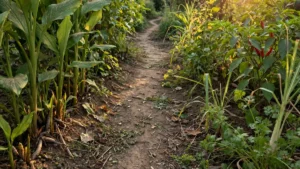
A spice plantation escape is a trip built around a working farm. You choose a spice, you choose a region, and you plan the stay so that you are there when the crop is being picked, dried, and cooked with. Done well, it is one of the most satisfying kinds of travel, because every part of the day connects to something real: the walk, the tasting, the meal, and the small bag of spice you take home.
Done badly, it is a long drive to a farm that is not harvesting, a room that is not ready, and a tour that is really a shop. The difference is almost always planning. Spice estates are seasonal, rural, and small, and they do not work like city hotels. The harvest calendar, the transfer, the booking, and the packing all need to be sorted before you go, not when you arrive.
This guide walks through the nine steps that matter, from picking your region to leaving gaps in the day, so that your spice plantation escape is built on the crop, the season, and the farm, rather than on hope. It is written for a first trip, but the same steps apply if you have done this before and want to do it better.
Key takeaways
- Start with the spice and the region, not the hotel, because the harvest calendar decides the best dates.
- Book the stay and the tours two to three months ahead for harvest season, and confirm what is included in the rate.
- Sort transport before you arrive, because spice estates are rural and the last part of the journey is often a rough road.
- Pack for the farm: sturdy closed shoes, light long sleeves, a hat, sunscreen, and insect repellent.
- No plan can guarantee a harvest, a specific spice, or perfect weather, and some estates are working farms first, with simple rooms and early mornings.
What a spice plantation escape looks like
A spice plantation escape is usually three to five days. The first day is travel and settling in, the second and third are the farm days, with a morning walk, a processing visit, and a meal cooked with the estate’s spices, and the last day is a slow morning and the journey home. That rhythm matters, because the farm work happens in the morning, when it is cooler, and the afternoons are for resting, tasting, and cooking.
The stay itself is part of the experience. Some estates have cottages on the farm, some have rooms in a nearby village, and some are boutique hotels beside the plantation. The room matters less than the access: can you walk into the crop in the morning, can you see the drying, and does the kitchen use the estate’s own spice. If the answer to all three is yes, the stay will work, whatever the room looks like.
It helps to think of the trip as a farm visit with a bed, rather than a holiday with a farm tour attached. The farm sets the schedule, the weather sets the pace, and the best days are the ones where you follow both. That is a different mindset from a resort holiday, but it is the one that makes a spice trip satisfying rather than frustrating.
How to plan a spice plantation escape
Start with the harvest calendar. Every spice has a season, and every region has its own dates, so the first question is not where to stay, but when the crop is being picked. Pepper, cardamom, nutmeg, cinnamon and vanilla all have different windows, and visiting outside them means you see the crop growing rather than being harvested. That is still pleasant, but it is not the full experience, so check the calendar before you choose your dates.
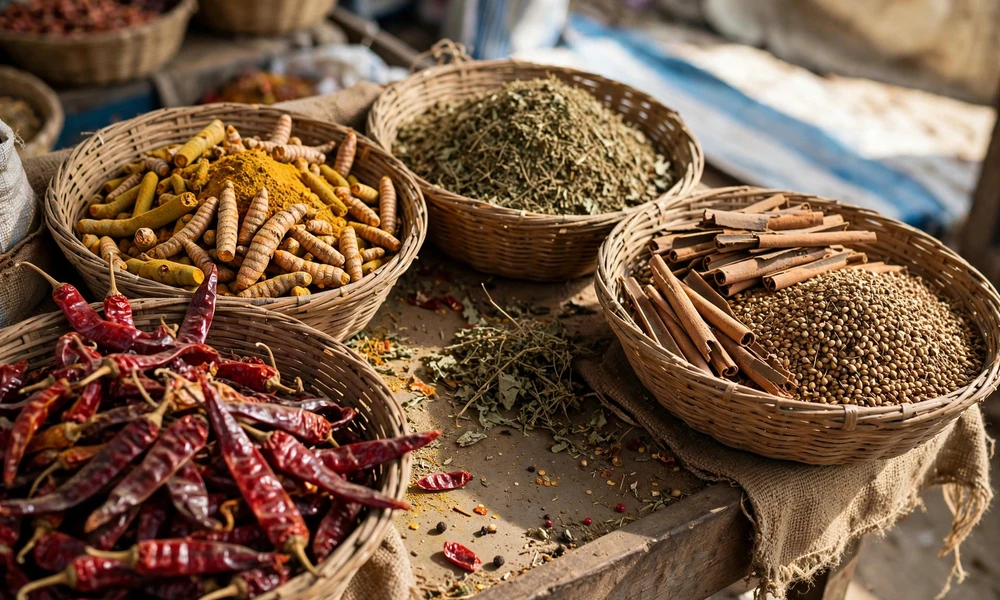
Then choose the region and the stay together. A good estate will tell you its harvest dates, its room, its meals, and its transfers in one conversation, and it will be honest about what it can and cannot offer. If the answers are vague, that is a warning sign. Our guide to planning a tea plantation escape uses the same approach, because plantation trips are planned around the crop, whatever the crop is.
Finally, build the trip with slack in it. Spice estates are rural, flights are delayed, roads are slow, and harvest days change with the weather. A plan with a spare afternoon and a flexible last day will survive all of that. A plan with no slack will not, and the stress will spoil the part of the trip you came for.
The 9 steps to planning a spice plantation escape
Pick your spice region first
What to do: Choose one spice and one region, and learn its harvest season before you look at hotels. What to avoid: Choosing a hotel first and hoping the spice is in season. Best for: First-time spice travellers. Time needed: An evening of reading. Standout tip: Zanzibar covers many spices in one trip, while Kampot pepper is the clearest single-spice choice.
Time it with the harvest
What to do: Ask the estate for its crop calendar and book for the harvest window. What to avoid: Booking school-holiday dates without checking whether the crop is in season. Best for: Anyone who wants the full farm experience. Time needed: A few emails. Standout tip: Harvest is the busiest time, so book the stay as soon as the dates are confirmed.
Decide between an estate stay and a nearby hotel
What to do: Compare staying on the farm with staying nearby, and weigh access against comfort. What to avoid: Assuming the nearest hotel includes farm access. Best for: Travellers balancing comfort and experience. Time needed: An hour of comparison. Standout tip: An estate stay gives you the morning walk without a transfer, which is worth more than a bigger room.
Book the stay early, and read the details
What to do: Book two to three months ahead for harvest season, and read what the rate includes. What to avoid: Booking a room without checking whether meals, walks and transfers are included. Best for: Harvest-season travellers. Time needed: An hour. Standout tip: Ask for the total price, including meals and tours, before you pay anything.
Sort transport before you arrive
What to do: Arrange the transfer from the airport or station to the estate in advance, and confirm the meeting point. What to avoid: Arriving late at night without a transfer booked. Best for: Everyone, but especially first-time visitors. Time needed: A few emails. Standout tip: Ask the estate to arrange the transfer, because local drivers know the roads and the farm.
Set a total budget, not just a room price
What to do: Add up the room, meals, tours, transfers, flights and spice shopping, and set a total. What to avoid: Budgeting for the room only and being surprised by the extras. Best for: Travellers who want no surprises. Time needed: An hour. Standout tip: Keep a small cash reserve, because rural estates do not always take cards.
Book tastings and estate tours in advance
What to do: Book the spice walk, the tasting, and any cooking class when you book the stay. What to avoid: Assuming tours run every day or have space on arrival. Best for: Harvest-season travellers. Time needed: A few emails. Standout tip: Ask which tours are included in the stay and which are charged separately.
Pack for the fields, not the hotel
What to do: Pack sturdy closed shoes, light long sleeves, a hat, sunscreen, insect repellent, and a small day bag. What to avoid: Packing only resort clothes and sandals. Best for: Everyone. Time needed: An evening. Standout tip: Pack a light rain jacket, because tropical rain is sudden and the walks still happen.
Leave gaps in the day on purpose
What to do: Leave a free afternoon and a flexible last day in the plan. What to avoid: Filling every hour with tours, transfers and meals. Best for: Travellers who want to enjoy the trip rather than rush it. Time needed: None, once the plan is made. Standout tip: The best spice memories are often the unplanned ones: a conversation, a taste, or a quiet hour on the estate.
Spice regions and seasons at a glance
Spice regions are spread across the tropics, and each one has its own season. Zanzibar is warm year-round, with the best spice tours in the drier months. Kerala has a monsoon from June to September, which makes the hills green and the roads slow, and a cooler, drier season from October to March. Grenada and Jamaica are warm year-round, with a wetter season in the summer and a drier one in the winter. Sri Lanka has two monsoons, which affect different coasts at different times, so check the coast you are visiting.
The spice matters as much as the region. Pepper is harvested once or twice a year, depending on the place. Cardamom has a long season, with picking spread over months. Nutmeg is picked when the fruit splits, which happens over a long period. Cinnamon is peeled year-round, but the best quills come from the younger branches. Vanilla is pollinated in a short window and cured for months afterwards, so the visit is about the process rather than the harvest. Knowing that much helps you choose the right month, and it helps you ask the estate the right questions.
Travel time matters too. Some spice regions are a short flight from a major city, and some need a flight, a drive, and a rough road. Zanzibar is a short flight from Dar es Salaam. Thekkady is a long drive from Kochi. The SAVA region in Madagascar is remote by any measure. Factor the journey into the trip, not just the stay, because a long journey on the first day and a long journey on the last day can eat a third of a short trip.
The same harvest-first logic applies to other plantation trips. Our guide to planning a coffee plantation escape covers the same approach in detail, because coffee, like spice, is a crop with a season, and the trip works best when the dates follow the harvest rather than the hotel.
Vineyard trips follow the same pattern. A vineyard escape is planned around the grape harvest in the same way, with the estate setting the pace and the season setting the dates, so if you enjoy one kind of plantation trip, the other will feel familiar.
The caveats that matter
Spice plantation escapes are rewarding, but they are not resort holidays, and the caveats are worth knowing before you book. The rooms can be simple, the paths are uneven, the weather is hot or wet, and the schedule changes with the farm. Some estates have limited phone signal, some have no card payment, and a few have no English-speaking guide on every day. None of that is a reason to stay away, but it is a reason to ask questions, pack properly, and build slack into the plan.
| Detail | What is known |
|---|---|
| First step | Pick the spice and the region, then check the harvest calendar before choosing dates |
| How far ahead to book | Two to three months for harvest season, less in the quiet months |
| How long to stay | Three to five days, with the farm days in the middle and slack at both ends |
| What to pack | Sturdy closed shoes, light long sleeves, a hat, sunscreen, insect repellent, and a rain jacket |
| What to budget for | Room, meals, tours, transfers, flights, and spice shopping, as one total |
| What to book in advance | The stay, the transfer, the guided walks, the tasting, and any cooking class |
| Who should be careful | Anyone with limited mobility, because paths are uneven and estates are hilly |
| What it does not guarantee | A harvest, a specific spice, or perfect weather, especially outside the main season |
If you have a severe allergy, a medical condition, or limited mobility, tell the estate before you book, not when you arrive. Spice dust, pollen, heat and uneven ground are part of the experience, and a good estate will tell you honestly what it can and cannot accommodate. That conversation is worth having, because it avoids a disappointing trip and it lets the estate plan properly for you.
Checklist: planning a spice plantation escape honestly
Use these checks before you book, and again before you travel.
- Check the harvest calendar for the spice you want to see, and choose your dates around it.
- Check that the stay includes guided walks, a processing visit, and meals cooked with the estate’s spices.
- Check the total price, including meals, tours and transfers, and confirm the cancellation terms.
- Check the transfer: who arranges it, how long it takes, and what happens if your flight is late.
- Check the packing list: sturdy shoes, light long sleeves, a hat, sunscreen, insect repellent, and a rain jacket.
- Check the plan for slack: a free afternoon, a flexible last day, and no back-to-back tours.
Frequently asked questions
How far ahead should I book a spice plantation escape?
Two to three months ahead for harvest season, when the small estates fill up quickly. In the quiet months, a few weeks is usually enough, but book the stay, the transfer and the tours together, because the tours are small and they fill up too.
How many days do I need?
Three to five days is right for most spice trips. One day to arrive and settle in, two days for the farm walks, tastings and cooking, and a last day to leave slowly. A shorter trip is possible, but the journey can eat most of it, especially for remote estates. If you are visiting a remote region such as Madagascar, add an extra day for the journey in each direction, because the roads are slow and the flights are few.
Is a spice plantation escape suitable for children?
Often yes, for children who enjoy walking and tasting new food, but the paths are uneven and the days are long. Check with the estate about shorter walks, bring water, hats and snacks, and plan a rest in the afternoon, because the heat is real.
What should I pack for a spice plantation?
Sturdy closed shoes, light long sleeves, a hat, sunscreen, insect repellent, a light rain jacket, and a small day bag for water and the spice you buy. Leave the smart clothes for the evening, and pack one outfit you do not mind getting dusty.
Can I buy spices at the estate?
Yes, and it is usually the best place to buy them, because the spice is fresh, graded on site, and sold directly by the growers. Buy small amounts, ask how to store them, and check your country’s customs rules before you bring food home. Ask the estate how the spice was graded and when it was packed, because freshness is what you are paying for.
Do I need a guide, or can I explore on my own?
A guide is worth it. A spice plantation looks like green rows without one, and a good guide will show you the crop, the drying, and the grading, and answer questions you would not know to ask. Many estates include the guide in the stay, so check before you pay for a separate tour. If the estate offers a cooking class as well, take it, because it shows you what the spice does in food, which is the part most visitors remember best.
The bottom line
Planning a spice plantation escape comes down to three things: the spice, the season, and the farm. Pick the spice you care about, check the harvest calendar, and book a stay that includes the walk, the drying, and the meal. Sort the transfer, set a total budget, book the tours in advance, pack for the fields, and leave gaps in the day. That is the whole plan, and it is enough.
Go in the morning, wear sturdy shoes, ask questions, and buy a small amount of the estate’s own spice to take home. A spice trip planned this way is slow, honest, and satisfying, and it is the part of your travels you will remember longest.