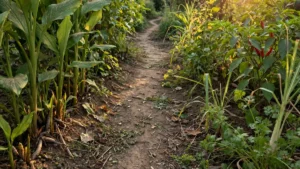
A spice plantation is not a garden with a few pots of basil. It is a working farm where pepper vines climb wooden poles, cardamom grows in the shade of tall trees, and cinnamon is stripped from bark by hand. Staying on one means waking to the smell of drying cloves, walking rows of nutmeg trees with a guide who grew up among them, and eating food seasoned with spices picked that same morning.
The trouble is that not every spice estate makes a good retreat. Some are working farms with a spare room and a shared bathroom. Others are polished resorts that happen to sit near a plantation but never take you into it. The difference matters, because the point of this kind of trip is the plantation itself: the harvest, the drying sheds, the cooking, and the people who know the crop.
Below are nine spice plantation retreats worth considering in 2027, from a pepper estate in Cambodia to a nutmeg farm in Grenada and a vanilla plantation in Madagascar. Each one is described by what it does well, what to watch for, and who it suits best, so you can choose a stay that is really about the spice, not just the scenery.
Key takeaways
- A real spice plantation retreat includes guided walks through the crop, a visit to the drying or processing area, and meals cooked with the estate’s own spices.
- Harvest season is the best time to visit, but it is also the busiest, so book the stay and the tours well ahead.
- Many estates are rural, with uneven paths, heat, and insects, so pack sturdy shoes, light long sleeves, and insect repellent.
- Price ranges below are broad indications for a double room per night in 2027, and they change with season, so confirm the rate before booking.
- No plantation stay can guarantee a harvest, a specific spice, or perfect weather, and some estates are working farms first, with simple rooms and early mornings.
What a spice plantation retreat actually is
A spice plantation retreat is a stay on or beside a working spice farm, where the crop is part of the experience rather than a backdrop. The best ones are small. They have a handful of rooms, a guide who works the land, and a kitchen that uses what the estate grows. You walk the rows in the morning, learn how the spice is picked, dried and graded, and eat it at lunch the same day.
That is a different trip from a resort that simply has a spice garden. A garden is a display. A plantation is a workplace, with harvest schedules, drying sheds, and seasonal labour. The difference shows in the details: the smell of fresh cardamom in the drying room, the sound of peppercorns being winnowed, the way a guide can tell you which tree a nutmeg came from. If a stay cannot offer that, it is a countryside hotel, not a plantation retreat.
It is also worth knowing that spice estates are seasonal. Pepper is harvested at a different time from cardamom, and vanilla is pollinated by hand in a short window each year. Visiting outside harvest season is still pleasant, but you will see the crop growing rather than being picked and processed. That is a fair trade if you prefer quiet, but it is not the full experience.
How we chose these retreats and what to look for
Look first at whether the estate is still a working farm. A retreat that grows, harvests and processes its own spice will offer walks, tastings and cooking that a non-farming resort cannot. Ask whether the guide is a farm worker or a hired tour guide. The farm worker will know the crop, the soil, and the season, and the answers will be specific rather than rehearsed.

Look next at the rooms and the food. Plantation stays range from simple farm cottages to polished boutique hotels, and the price does not always tell you which you are getting. Read what the room includes, whether meals are part of the rate, and whether the kitchen uses the estate’s own spices. Our guide to luxury tea plantation retreats uses the same test, because a plantation stay is only as good as its connection to the crop.
Finally, look at the location and the journey. Spice estates are usually rural, and the last part of the trip is often a rough road. Check how long the transfer takes, whether the estate arranges it, and what happens if your flight is late. A stay that answers those questions clearly is a stay that has done this many times before, and that is a good sign.
The 9 best luxury spice plantation retreats of 2027
La Plantation, Kampot, Cambodia
What we like: A working Kampot pepper estate with guided walks through the vines, a pepper tasting, and a restaurant that cooks with the farm’s own green, black, red and white pepper. What to consider: Kampot is hot and humid, and the estate is rural, so plan for heat and mosquitoes. Best for: Food lovers who want to understand a single spice properly. Style: Farm stay with a restaurant and shop. Price range: $80 to $180 per night. Standout feature: The pepper tasting, which shows how the same vine produces four different peppers.
Zanzibar Spice Farms, Stone Town, Tanzania
What we like: A classic spice tour island, with cloves, nutmeg, cinnamon and vanilla growing side by side, and farm stays that include a full spice tour and a Swahili lunch. What to consider: The island is warm year-round and the tours are popular, so book ahead. Best for: First-time spice travellers who want variety in one trip. Style: Farm stay and guided spice tour. Price range: $100 to $250 per night. Standout feature: The sheer variety of spices in a single walk, from cloves to lemongrass.
Cardamom Hills, Thekkady, Kerala, India
What we like: Green cardamom grown in the shade of the Western Ghats, with estate walks, a spice garden, and easy access to Periyar’s forests and boat trips. What to consider: Monsoon rain is heavy from June to September, and the roads are winding. Best for: Travellers who want spice and nature in the same trip. Style: Estate stay in the hills. Price range: $120 to $300 per night. Standout feature: Cardamom growing wild in the shade, with the scent carrying across the estate.
Belmont Estate, Grenada
What we like: A historic nutmeg and cocoa estate with a working factory, a museum, and a restaurant serving Grenadian food, set in the island’s green interior. What to consider: The estate is a working farm, so the rooms are simple and the pace is slow. Best for: Travellers who like history with their spice. Style: Historic plantation estate. Price range: $90 to $220 per night. Standout feature: The nutmeg processing, from the pod to the dried seed, shown in the original factory.
Wayanad Spice Estates, Kerala, India
What we like: Pepper, cardamom and coffee grown together on misty hills, with estate cottages, spice walks, and a quieter, less visited corner of Kerala. What to consider: Wayanad is remote, and the drive from the nearest airport takes several hours. Best for: Travellers who want a slow, uncrowded spice stay. Style: Estate cottages in the hills. Price range: $70 to $200 per night. Standout feature: The misty mornings, when the spice gardens smell strongest.
Cinnamon Island, Galle, Sri Lanka
What we like: True cinnamon grown on a small island in a lagoon, with a boat trip, a peeling demonstration, and a chance to see cinnamon oil being made. What to consider: The island is small and the visit is half a day, so pair it with a stay on the coast. Best for: Travellers who want to see one spice made from start to finish. Style: Island farm visit with a coastal stay. Price range: $100 to $260 per night. Standout feature: Watching cinnamon bark being peeled into quills by hand.
SAVA Vanilla Plantations, Madagascar
What we like: Hand-pollinated vanilla grown in the SAVA region, with farm visits, curing demonstrations, and a chance to buy vanilla directly from the growers. What to consider: The region is remote, the roads are rough, and the visit needs planning. Best for: Serious food lovers and anyone curious about how vanilla is really made. Style: Farm visit with a regional stay. Price range: $80 to $200 per night. Standout feature: The hand-pollination, which is done flower by flower, by hand.
Phu Quoc Pepper Farms, Vietnam
What we like: Black pepper grown on a tropical island, with farm walks, a pepper tasting, and a stay that pairs easily with beaches and fishing villages. What to consider: The farms are small, so the visit is a few hours rather than a full day. Best for: Travellers who want spice and beach in one trip. Style: Island farm visit with a beach stay. Price range: $60 to $180 per night. Standout feature: Fresh green peppercorns tasted straight from the vine.
Allspice Estates, Jamaica
What we like: Pimento, known as allspice, grown on Jamaican estates, with farm walks, drying demonstrations, and jerk cooking that uses the estate’s own berries and wood. What to consider: The estates are rural, and the best visits are arranged through a local guide. Best for: Food lovers who want to connect jerk cooking to its source. Style: Rural estate visit with a regional stay. Price range: $90 to $230 per night. Standout feature: Tasting allspice berries and leaves, and seeing how they flavour jerk.
How spice is grown, picked and dried
Most spices come from a small number of plants, and each one has its own rhythm. Pepper is a vine that climbs poles and is picked in clusters. Cardamom is a shade plant that grows under trees and is picked pod by pod. Cinnamon is bark, peeled from young branches and rolled into quills. Nutmeg is a fruit, split open to reveal the seed inside. Vanilla is an orchid, pollinated by hand and cured for months. Knowing that much changes how you look at a plantation, because you start to see the work rather than just the green.
Drying is where much of the flavour is made. Peppercorns are dried in the sun until they turn black and wrinkled. Cardamom pods are dried in shade or in low heat, to keep their green colour and their scent. Nutmeg is dried slowly, sometimes for weeks, before it is graded. Vanilla is cured in a long process of sweating and drying that takes months. A good estate will show you the drying area, because it is the most honest part of the farm, and the smell there is the smell of the spice itself.
Grading matters too. Spices are sorted by size, colour and quality, and the best grade is often sold separately from the rest. That is why two jars of the same spice can taste so different. If a guide shows you the grades, pay attention, because it is the simplest way to learn what to buy when you get home. Our guide to luxury coffee plantation retreats makes the same point about coffee, because grading is where a farm’s care becomes visible.
The caveats that matter
Spice estates are working farms in warm, rural places, and that comes with conditions worth knowing before you go. The paths are uneven, the sun is strong, and the insects are real. Some estates have simple rooms, shared bathrooms, or early starts, and a few are hard to reach without a car.
| Detail | What is known |
|---|---|
| Best time to visit | Harvest season, which varies by spice and region, so check the crop calendar before booking |
| What a real stay includes | Guided crop walks, a drying or processing visit, and meals cooked with the estate’s own spices |
| What to pack | Sturdy closed shoes, light long sleeves, a hat, sunscreen, and insect repellent |
| Who should be careful | Anyone with limited mobility, because paths are uneven and estates are hilly |
| How far ahead to book | Two to three months for harvest season, less in the quiet months |
| What to buy | Small amounts of the estate’s own spice, graded and packed on site, rather than bulk |
| What it does not guarantee | A harvest, a specific spice, or perfect weather, especially outside the main season |
| When to reconsider | If the stay offers no farm walk, no processing visit, or no spice in the kitchen |
If you have a severe allergy, a medical condition, or limited mobility, tell the estate before you book, not when you arrive. Spice dust, pollen and uneven ground are part of the experience, and a good estate will tell you honestly what it can and cannot accommodate. That conversation is worth having, because it avoids a disappointing trip and it lets the estate plan properly.
Checklist: choosing a spice plantation retreat honestly
Use these checks before you book, and again before you travel.
- Check that the estate is still a working farm, with its own crop, harvest, and processing on site.
- Check that guided walks and a drying or processing visit are included, not charged as extras.
- Check the harvest calendar for the spice you want to see, and book for that window if you can.
- Check the room: what is included, whether meals are part of the rate, and how the kitchen uses the estate’s spices.
- Check the journey: transfer time, road conditions, and what happens if your flight is late.
- Check the packing list: sturdy shoes, light long sleeves, a hat, sunscreen, and insect repellent.
Frequently asked questions
What is the best spice plantation to visit first?
Zanzibar is the easiest first choice, because one walk covers cloves, nutmeg, cinnamon and vanilla, and the tours are well organised. If you want a single spice in depth, Kampot pepper in Cambodia is the clearest example of one crop done properly.
When is harvest season for spices?
It depends on the spice and the region. Pepper is usually harvested once or twice a year, cardamom has a long season, and vanilla is pollinated in a short window. Ask the estate for its crop calendar before you book, because harvest season is the best time to visit.
Are spice plantation stays suitable for children?
Often yes, for children who enjoy walking and tasting new food, but the paths are uneven and the days are long. Check with the estate about the length of the walks and whether shorter versions are available, and bring water, hats and snacks.
How much should I budget for a spice plantation retreat?
Rooms on the estates in this guide range roughly from $60 to $300 per night, with meals sometimes included and sometimes extra. Add transfers, tours and flights, and confirm the rate and what it includes before you book, because prices change with the season.
Can I buy spices at the estate?
Yes, and it is usually the best place to buy them, because the spice is fresh, graded on site, and sold directly by the growers. Buy small amounts, ask how to store them, and check your country’s customs rules before you bring food home. A luxury lavender farm retreat is a good comparison, because buying direct from the farm is the same principle there.
Do I need a guide, or can I explore on my own?
A guide is worth it. A spice plantation looks like green rows without one, and a good guide will show you the crop, the drying, and the grading, and answer questions you would not know to ask. Many estates include the guide in the stay, so check before you pay for a separate tour.
The bottom line
The best luxury spice plantation retreat in 2027 is not the most expensive or the most polished. It is the one where the farm is real, the guide knows the crop, and the kitchen cooks with what the estate grows. Zanzibar is the best first trip for variety, Kampot is the best for a single spice in depth, and the Cardamom Hills are the best for a slow, quiet stay. Choose the spice you care about, check the harvest calendar, and book a stay that includes the walk, the drying, and the meal.
Go in the morning, wear sturdy shoes, ask questions, and buy a small amount of the estate’s own spice to take home. That is the honest way to enjoy a spice plantation, and it is the part of the trip you will remember longest.