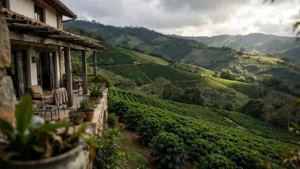
Coffee tastes different at the source. The same beans you brew at home, poured from a pot on the terrace of the farm where they were picked, carry the smell of the soil, the altitude and the rain that grew them. A coffee plantation retreat is built around that moment. You sleep on or beside a working farm, walk the rows of coffee plants in the morning, watch the cherries being picked and processed, and taste the harvest with the people who grew it.
The best of these retreats are not coffee-themed hotels with a plantation view. They are real farms that have added a small number of comfortable rooms, good food and a guide who can explain what you are looking at. The difference matters, because a working farm has a rhythm of its own. A good retreat lets you join that rhythm without getting in its way.
Below are nine luxury coffee plantation retreats worth considering in 2027, from a famous Costa Rican farm to small family estates in Ethiopia, Jamaica and Vietnam. Each one is described by what it does well, what to watch for, and who it suits best, so you can choose a farm stay that matches the way you like to travel, not just the prettiest photograph.
Key takeaways
- A real plantation retreat is a working farm with rooms, not a hotel with a coffee theme — the farm work sets the daily rhythm.
- Harvest season is the best time to visit, but it is also the busiest, so book the stay and the tours well ahead.
- Small estates suit slow travellers who want to talk to growers; larger farms suit first-timers who want organised tours and tastings.
- Budget for transport, tastings and tours on top of the room rate, because most farm stays are a long way from the nearest town.
- No plantation stay guarantees perfect weather, a full harvest or a quiet farm — rain, mud and early starts are part of the experience.
What a coffee plantation retreat actually is
A coffee plantation retreat is a stay on a working coffee farm, usually in the highlands where arabica grows best. The rooms are on the estate or in a small lodge at its edge, and the stay includes some combination of farm walks, picking, processing demonstrations, cupping sessions and meals made from local produce. Some estates are large commercial farms with a visitor programme. Others are family plots of a few hectares with two or three guest rooms.
What sets the luxury end apart is not size but care. The rooms are comfortable and quiet, the food is cooked on the farm or nearby, and the people showing you around actually work the land. You are not watching a performance. You are walking through a harvest with the people who depend on it, and the best estates are honest about that.
The other thing to understand is that coffee country is mountain country. The farms sit at altitude, the roads are steep and often unpaved, and the weather changes fast. Mornings are cool and misty, afternoons are warm, and the views across the planted slopes are the reason most people come.
How we chose these retreats and what to look for
Look first at whether the farm is genuinely working. A real estate will talk about its harvest, its processing method and its buyers, and it will be able to tell you what is happening in the fields during the week you visit. If a property talks only about the view and the spa, and says nothing about the coffee, it is a hotel that happens to sit near coffee plants. Our guide to luxury tea plantation retreats makes the same distinction for tea country, and it applies here too.

Look next at what is included. The best stays include at least one guided farm walk and one tasting in the room rate, with clear prices for anything extra. Ask how many guests the farm takes at once. A small group means you can ask questions and walk at your own pace. A large group means a fixed route and a fixed timetable, which suits some travellers and frustrates others.
Finally, look at the practical details. How far is the farm from the nearest airport, and does the estate arrange the transfer. What happens if it rains for two days. Whether the rooms have heating, because highland nights are cold. A farm that is open about wages, housing and training is usually a farm that is run well in every other way too.
The 9 best luxury coffee plantation retreats of 2027
Hacienda Alsacia, Costa Rica
What we like: A large, well-run estate in the Central Valley with a proper visitor centre, guided farm tours, a cupping lab and a café that serves the farm’s own coffee. The setting is beautiful, the tours are organised, and first-time visitors get a clear, honest introduction to how coffee is grown and processed.
What to consider: It is popular, so tours can feel busy at peak times, and the experience is more structured than a small family farm. Best For: First-time coffee travellers. Style: Large working estate with visitor centre. Price Range: Tours from around $35, stays nearby from around $120 per night. Standout Feature: The cupping lab and the on-site café.
This is the easiest introduction to coffee country, and a good first stop before a smaller, quieter estate.
Finca El Injerto, Huehuetenango, Guatemala
What we like: A respected family farm in the highlands of Huehuetenango, known for its careful processing and its long relationships with buyers. The farm is serious about quality, the setting is dramatic, and the people who show you around know the land in detail.
What to consider: It is remote, the roads are rough, and visits need to be arranged well ahead. Best For: Serious coffee lovers. Style: Family estate in remote highlands. Price Range: Visits by arrangement, stays nearby from around $90 per night. Standout Feature: The high-altitude plots and the wet mill.
Come here if you already love coffee and want to see how a great farm actually works.
Finca La Palma y El Tucán, Cundinamarca, Colombia
What we like: A small, thoughtful farm near Bogotá that combines coffee growing with birdwatching, nature trails and a slow, unhurried pace. The coffee is excellent, the landscape is lush, and the farm feels personal in a way larger estates cannot match.
What to consider: Rooms are limited and the farm books up early, especially in the dry season. Best For: Couples and slow travellers. Style: Small farm with nature trails. Price Range: Rooms from around $150 per night. Standout Feature: The birdlife and the farm-to-table meals.
This is the farm to choose if you want coffee and quiet in equal measure.
Konga Cooperative, Yirgacheffe, Ethiopia
What we like: A community of smallholder farmers in one of the most famous coffee regions in the world, where the coffee is washed and dried in the open air and the flavour is floral and bright. Visiting here is a chance to see coffee at its origin, grown by families who have farmed the same hills for generations.
What to consider: Accommodation is simple, travel is slow, and visits need a local guide and careful planning. Best For: Adventurous travellers. Style: Smallholder cooperative in the highlands. Price Range: Guided visits from around $80 per day, lodges nearby from around $60 per night. Standout Feature: The washing station and the open-air drying beds.
This is not a luxury hotel stay, and it should not pretend to be one.
Craighton Estate, Blue Mountains, Jamaica
What we like: A historic estate in the Blue Mountains, home of one of the most famous coffees in the world. The tour covers the history of the estate, the picking and processing, and a tasting with views across the mountains that are hard to forget.
What to consider: The mountain roads are steep and slow, and the estate is a day trip rather than a stay. Best For: Day-trippers from Kingston. Style: Historic estate with guided tours. Price Range: Tours from around $40, stays in the mountains from around $110 per night. Standout Feature: The Blue Mountain views and the estate history.
Pair the estate tour with a night in the mountains.
Greenwell Farms, Kona, Hawaii
What we like: A family farm on the slopes of Hualalai that has grown Kona coffee for generations, with free guided tours, a shop, and a tasting bar where you can compare different roasts. The farm is welcoming, the tours are unhurried, and the coffee is genuinely excellent.
What to consider: Kona is a popular destination, so the farm can be busy, and accommodation on the farm itself is limited. Best For: Families and first-timers. Style: Family farm with visitor tours. Price Range: Tours free, tastings from around $15, stays nearby from around $180 per night. Standout Feature: The free farm tour and the roast comparison tasting.
This is the most relaxed farm on the list, and a good choice if you are travelling with children or with someone new to coffee.
Fazenda Daterra, Cerrado, Brazil
What we like: One of Brazil’s best-known specialty farms, run with a serious commitment to sustainability, research and quality. The scale is impressive, the processing is modern, and the farm is open about its environmental work, from water use to native forest reserves.
What to consider: Visits are by arrangement and the farm is large, so the experience is more industrial than intimate. Best For: Coffee professionals and the curious. Style: Large sustainable estate. Price Range: Visits by arrangement, stays nearby from around $100 per night. Standout Feature: The scale of the operation and the sustainability programme.
Hambela Estate, Guji, Ethiopia
What we like: A respected estate in the Guji zone, known for floral, jasmine-like coffees and for careful drying on raised beds. The landscape is beautiful, the people are welcoming, and the coffee is among the most distinctive in Ethiopia.
What to consider: Travel in the region needs planning, a guide and flexibility, and accommodation is basic. Best For: Experienced travellers. Style: Working estate in a remote zone. Price Range: Guided visits from around $90 per day, lodges nearby from around $70 per night. Standout Feature: The raised drying beds and the jasmine-like cup.
This is a trip for people who already know they love Ethiopian coffee.
La Viet Coffee Farm, Da Lat, Vietnam
What we like: A farm and roastery in the hills around Da Lat, where you can walk the arabica plots, see the roasting, and taste Vietnamese coffee prepared in the local style. The farm is friendly, the tours are hands-on, and the setting is cool and green.
What to consider: Da Lat is a long drive from Ho Chi Minh City, and the farm is best visited as part of a longer stay in the hills. Best For: Travellers exploring Vietnam. Style: Farm and roastery with hands-on tours. Price Range: Tours from around $25, stays in Da Lat from around $60 per night. Standout Feature: The roastery visit and the local brewing styles.
Vietnam is usually associated with robusta, so the arabica hills around Da Lat are a pleasant surprise.
Which coffee region suits you best
Latin America suits first-timers. Costa Rica, Colombia and Guatemala have good roads, established visitor programmes and a wide range of places to stay, from farm lodges to comfortable hotels nearby. If this is your first plantation trip, start here.
Africa suits travellers who already love coffee and want to see it at its origin. Ethiopia is where coffee began, and the farms there are smaller, simpler and more hands-on. The coffee is floral and complex, the landscapes are striking, and the experience is less polished and more memorable for it. Our guide to luxury vineyard retreats follows a similar logic for wine country, where the best trips are the ones that let the land lead.
Asia and the Pacific suit travellers who are already in the region. Hawaii is easy and welcoming, Vietnam is affordable and surprising, and both reward a slower pace. Wherever you go, the rule is the same. Choose the region that fits your travel style, not the one with the most famous name, and give the farm at least two nights.
The caveats that matter
A plantation retreat is a farm stay, and farms are subject to weather, seasons and hard work. Rain can close a trail, a harvest can run late, and a farm that looked quiet in photographs can be busy with pickers at dawn. None of that is a problem if you expect it.
| Detail | What is known |
|---|---|
| Best time to visit | Harvest season, which varies by region — generally October to February in Latin America, November to January in Ethiopia |
| How long to stay | Two to three nights, so you have time for a farm walk, a tasting and a slow morning |
| What to book first | The stay, then the farm tour and tasting, then the airport transfer |
| Who it suits | Slow travellers, coffee lovers, couples and families with older children |
| Who should think twice | Anyone who needs step-free access, or who dislikes early starts, mud and mountain roads |
| What to pack | Walking shoes, a rain jacket, layers for cool mornings, and sun protection for the afternoons |
| What it costs | Rooms from around $60 to $300 per night, plus tours, tastings and transfers |
| What it does not do | It does not guarantee a harvest, good weather or a quiet farm — those depend on the season |
Altitude is the other thing to take seriously. Most coffee farms sit between 1,200 and 2,000 metres, and some visitors feel the altitude on the first day. Drink water, take the first walk slowly, and do not plan a long hike on arrival day. A vineyard escape plan follows the same principle, because the best trips are the ones planned around the land, not in spite of it.
Checklist: planning a coffee plantation retreat honestly
Use these checks before you book, and again a week before you travel.
- Check the farm is working: ask what is happening in the fields during your dates.
- Check what is included: farm walk, tasting, meals and transfer should be clear before you pay.
- Check the harvest dates: visit during harvest if you can, and book early when you do.
- Check the transfer: confirm how you get from the airport to the farm, and what it costs.
- Check the rooms: heating for cool nights, hot water, and a quiet spot to sit with a cup.
- Check the weather: pack for rain and cool mornings, even in the dry season.
Frequently asked questions
What is a coffee plantation retreat?
It is a stay on a working coffee farm, usually in the highlands, where the rooms are on or beside the estate and the stay includes farm walks, processing demonstrations and tastings. It is a farm stay first and a hotel second.
When is the best time to visit a coffee farm?
During harvest, when picking and processing are in full swing. In Latin America that is generally October to February, and in Ethiopia November to January.
Do I need to know about coffee to enjoy a plantation stay?
No. The best farms welcome beginners and explain everything in plain language. Knowing a little helps, but curiosity matters more than knowledge, and the guides are used to first-timers.
Can children visit a coffee plantation?
Often yes, especially on larger farms with organised tours.
How much does a coffee plantation retreat cost?
Rooms typically run from around $60 to $300 per night, depending on the region and the level of comfort. Tours and tastings are sometimes included and sometimes extra, so check before you book and budget for transfers.
Is it safe to visit a coffee farm in a remote area?
Generally yes, with normal travel precautions. Book through the farm or a reputable operator, arrange transfers in advance, and check current travel advice for the region before you go.
The bottom line
The best luxury coffee plantation retreats in 2027 are the ones that let the farm lead. They are working estates with comfortable rooms, honest guides and coffee worth travelling for, and they reward travellers who slow down, ask questions and accept the rhythm of the harvest.
Choose a region that fits the way you travel, book during harvest if you can, and give the farm two nights at least. The coffee will taste better for it, and so will the trip.