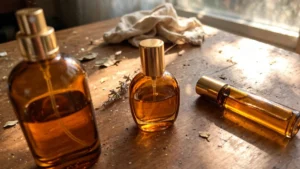
Spring is the easiest season to get hair oil wrong. The oil that saved your hair in January is suddenly too heavy, the amount that worked in February now leaves your hair limp, and the damp air that arrives with April makes frizz appear on days that felt fine a month ago. The product has not changed. The season has, and the way you use it needs to change too.
Using hair oil in spring is mostly about doing less, more carefully. Less oil, lighter formulas, and a clearer idea of where the oil should go. The mid-lengths and ends need it. The roots usually do not. A weekly pre-wash treatment does more for winter dryness than a daily heavy application, and a single drop on dry ends can fix frizz that a whole handful of oil would only make worse.
This guide walks through the spring routine step by step, from assessing what winter left behind to resetting the routine as summer approaches. Each step explains what to do, what to avoid, and how long it takes, so you can build a routine that suits the season rather than fighting it.
Key takeaways
- Spring hair oil is about using less, not more, because warmth and humidity make heavy formulas sit on the surface.
- Warm two to three drops between your palms before applying, so the oil spreads evenly instead of landing in one spot.
- Work oil through the mid-lengths and ends first, and use what is left for the surface, never the roots.
- A weekly pre-wash treatment does more for winter dryness than a heavier daily oil.
- No routine fixes split ends or regrows hair, and oil applied to the scalp every day can cause build-up as the weather warms.
What spring changes for hair
Winter dries hair from the outside in. Cold air, indoor heating, and friction from hats and scarves roughen the hair surface and pull out moisture. By spring, the ends often look pale, feel rough, and tangle more easily. The hair is not ruined, but it is thirsty, and the first bright spring light makes that easy to see.
Spring then adds damp air, stronger sun, and more time outdoors. Rain swells the hair shaft, which is what makes frizz appear on mild days. Pollen settles on the scalp and the hair, and for some people that means itching or a coated feeling. The sun gets stronger week by week, and while it is gentler than summer sun, it still dries the surface of the hair.
That is why the spring routine is different from the winter one. The oil should be lighter, the amount smaller, and the focus on sealing the hair surface rather than coating it. Hair that moves freely, catches the light, and stays smooth through a changeable day is the sign the routine is working.
How to set up a spring hair oil routine
Start by choosing a light oil. Camellia, argan, and squalane-based formulas are good spring choices, because they absorb quickly and rarely look greasy. Put the heavy winter oil aside for a weekly treatment instead of throwing it away. If you are unsure what a hair oil actually is, or how it differs from a serum or a leave-in conditioner, our explainer on what a hair oil is covers the basics in plain terms.

Next, decide when you will use it. Most people do best with a few drops on damp hair after washing, a weekly pre-wash treatment, and a single drop on dry ends when frizz appears. That is the whole routine. Anything more is usually too much, and too much oil is the most common reason people decide hair oil does not work for them in spring.
Finally, keep the routine simple enough to repeat. A spring routine that takes five minutes will survive a busy week. One that takes half an hour will not. The steps below are written in the order that makes sense on a normal day, and each one takes only a few minutes.
The 9 steps to using hair oil in spring 2027
Look at what winter left behind
What to do: Before you change anything, look at your hair in daylight. Check the ends for paleness and fraying, run your fingers through the lengths to feel for roughness, and notice whether your scalp feels tight, coated, or normal.
What to avoid: Do not start a new routine on a guess, and do not buy a heavy repair oil before you know what the problem is. Best For: Everyone starting a spring routine. Time Needed: Five minutes. Standout Tip: Daylight shows damage that bathroom light hides.
This quick check tells you whether your hair needs moisture, smoothing, or simply a lighter touch, and it stops you buying a product for a problem you do not have.
Clarify the scalp first
What to do: Wash your hair with a clarifying shampoo once, to remove the build-up of winter products, dry shampoo, and styling residue from the scalp and the lengths.
What to avoid: Do not clarify more than once a week, and do not follow it with a heavy oil on the scalp. Best For: Hair that feels coated or heavy. Time Needed: Ten minutes. Standout Tip: One clarifying wash resets the scalp for the whole season.
A clean scalp absorbs nothing from oil, because oil is for the lengths, but a clean scalp makes the whole routine work better, and it stops spring itching from getting worse.
Switch to a lighter oil
What to do: Choose a light oil for daily use, such as camellia or argan, and keep the heavier winter oil for a weekly pre-wash treatment only.
What to avoid: Do not keep using a thick castor or coconut oil every day in warm weather, and do not mix several oils at once. Best For: Anyone whose winter oil now feels too heavy. Time Needed: Five minutes to choose. Standout Tip: If the oil still sits on the surface after five minutes, it is too heavy for spring.
The right spring oil should disappear into the ends within a minute. If it does not, the formula is wrong for the season, or you are using too much of it.
Warm a few drops between your palms
What to do: Put two or three drops in your palm, rub your hands together to warm the oil, and then run your hands through the mid-lengths and ends.
What to avoid: Do not pour oil straight onto your hair, and do not use more than three drops on a first application. Best For: Every hair type. Time Needed: One minute. Standout Tip: Warm oil spreads evenly, cold oil lands in one spot.
This is the single most useful habit in hair oiling. Warming the oil first is what turns three drops into an even coating, instead of a greasy patch on one side.
Work through the mid-lengths and ends first
What to do: Start at the ends, where hair is oldest and driest, and work upward only as far as the mid-lengths, using whatever oil is left on your hands for the surface.
What to avoid: Do not start at the roots, and do not rake oil through the top of your head. Best For: Fine, oily, or easily weighed-down hair. Time Needed: Two minutes. Standout Tip: The ends need oil most, and they show it first.
Oil on the roots makes hair look flat and dirty by midday, especially as the weather warms. Oil on the ends makes hair look healthy and smooth, which is the whole point.
Use oil as a shield against damp air
What to do: On damp or rainy days, smooth a single drop over the surface of dry hair before you go out, to seal the hair shaft against humidity.
What to avoid: Do not use a full application on dry hair, and do not expect oil to stop frizz completely on a wet day. Best For: Frizzy hair in spring rain. Time Needed: One minute. Standout Tip: One drop on the surface beats three drops through the lengths.
Damp air swells the hair shaft, which is what causes frizz. A light oil coating keeps some of that moisture out, and it works better than adding more oil after the frizz has already appeared. If frizz is your main problem, our guide to hair oils for frizzy hair covers the formulas that seal the surface best.
Add a weekly pre-wash treatment
What to do: Once a week, apply a generous amount of oil to the lengths and ends thirty minutes before washing, then shampoo it out, twice if needed.
What to avoid: Do not leave the treatment on overnight every week, and do not use it on the scalp unless your scalp is healthy. Best For: Dry or winter-damaged hair. Time Needed: Thirty minutes. Standout Tip: Thirty minutes is enough, and overnight adds little.
This is where the heavier winter oil earns its keep. A weekly treatment gives dry hair the deep moisture it needs, without the daily build-up that makes spring hair look limp.
Refresh the ends between washes
What to do: On days between washes, warm a single drop between your palms and smooth it over the ends only, to revive shine and tame flyaways.
What to avoid: Do not re-oil the whole head between washes, and do not use oil to hide hair that needs washing. Best For: Second- and third-day hair. Time Needed: One minute. Standout Tip: One drop on the ends is a refresh, not a wash.
Spring is the season when hair is worn down more often, so the ends are on show. A single drop keeps them looking cared for without making the hair look unwashed.
Reset the routine as summer approaches
What to do: As the weather warms, use even less oil, switch to the lightest formula you own, and add sun protection for your hair if you spend time outdoors.
What to avoid: Do not carry the spring routine unchanged into high summer, and do not assume more sun means more oil. Best For: Everyone moving into summer. Time Needed: Five minutes to adjust. Standout Tip: Lighter oil, less often, as the temperature rises.
Spring is a bridge season. The routine that works in April will feel heavy in July, so check it again as the weather changes. Our guide to using hair oil in summer picks up where this one leaves off, with lighter formulas and sun protection.
Which spring routine suits your hair
Fine hair needs the lightest touch. Two drops on damp ends, a weekly treatment only if the ends are dry, and no oil on the roots at all. If your hair looks flat by the afternoon, you are using too much, or the oil is too rich. Step down a weight before you give up on oil entirely.
Thick and curly hair can take more oil, and often needs it. The hair shaft is wider and the surface is rougher, so damp spring air swells it more. Use three drops on damp hair, add a second drop on the driest ends, and keep the weekly pre-wash treatment all through spring. Curly hair also benefits from oil applied before styling, rather than only as a finishing step.
Colour-treated hair needs protection as well as shine. Spring sun is stronger than winter sun, and colour fades faster when the hair surface is rough. An oil with heat protection, used before styling, helps keep colour fresh for longer. If your colour feels dry after winter, pair the daily oil with a weekly treatment rather than simply using more oil every day.
The caveats that matter
Hair oil is a simple product, and its limits are simple too. It cannot repair split ends, it cannot regrow hair, and it cannot undo damage from bleach or heat. What it can do is protect the hair you have, smooth the surface, and make hair look healthier while it grows out. A routine built on honest expectations will last. One built on promises will not.
| Detail | What is known |
|---|---|
| How much to use | Two to three drops on damp hair, one drop to refresh dry ends |
| Where to apply | Mid-lengths and ends first, never the roots for daily use |
| Best weight for spring | Light oils such as camellia, argan, or squalane |
| Weekly treatment | Once a week, thirty minutes before washing, shampoo out well |
| Frizz in damp air | A single drop on the surface seals the hair shaft against humidity |
| Who should be careful | Very fine or oily hair, and anyone with a sensitive scalp |
| What to avoid | Oil on the roots, heavy winter oils in warm weather, overnight treatments every week |
| What oil does not do | It does not repair split ends, regrow hair, or replace a haircut |
If your scalp is itchy, flaky, or sore, do not cover it with oil and hope it improves. A scalp problem needs a different approach, and daily oiling can make build-up worse. The same applies if you use a medicated scalp treatment. Keep oil on the lengths, and speak to a clinician or dermatologist if a scalp problem does not settle.
Checklist: using hair oil in spring honestly
Use these checks before you start, and again after two weeks.
- Check the oil: light enough to absorb within a minute, with a dropper or pump that gives small amounts.
- Check the amount: two to three drops on damp hair, one drop to refresh dry ends.
- Check the placement: ends first, mid-lengths second, roots never for daily use.
- Check the scalp: keep it clean and oil-free, and clarify once at the start of spring.
- Check the week: one pre-wash treatment, thirty minutes before washing, is enough.
- Check the weather: step down to a lighter oil as the temperature rises.
Frequently asked questions
How much hair oil should I use in spring?
Two to three drops on damp hair is enough for most people, and one drop refreshes dry ends between washes. Fine hair needs less, thick hair can take a little more, but the amount should never leave hair looking greasy by the afternoon.
Should I apply hair oil to damp or dry hair?
Both, for different jobs. Damp hair after washing is the main application, because the oil seals in moisture. Dry hair gets a single drop on the ends as a finish, to smooth frizz and add shine.
Can I use hair oil every day in spring?
Yes, if you use a light oil in a small amount on the ends. If your hair is fine or gets oily quickly, use it every other day. A weekly pre-wash treatment is separate, and most people benefit from it once a week.
Does hair oil help with spring frizz?
Yes, when it seals the hair surface before damp air gets in. Smooth a single drop over dry hair before going out on a rainy day. Adding oil after frizz has appeared helps less, because the hair shaft has already swelled.
Should I oil my scalp in spring?
Only as a pre-wash treatment, and only if your scalp is healthy. For daily use, keep oil off the scalp. As the weather warms, daily scalp oiling can cause build-up, itching, and flat roots.
When should I change my routine for summer?
As soon as the weather turns consistently warm. Use less oil, switch to the lightest formula you own, and think about sun protection for your hair. A spring routine carried unchanged into summer usually feels too heavy within a week.
The bottom line
Using hair oil in spring is simpler than it looks. Choose a light oil, warm two or three drops between your palms, work it through the ends, and add a weekly pre-wash treatment while your hair recovers from winter. One drop on dry ends handles frizz, and a lighter touch as the weather warms keeps the routine working.
Judge the routine after two weeks, not two days, and change one thing at a time if it is not working. Less oil, lighter formulas, and the ends first is the honest spring method, and it is the one that lasts until summer.