A turtleneck sweater is the hardest-working piece in a winter wardrobe, and the one most likely to sit unworn at the back of a drawer. Worn well, it looks polished without effort, keeps you warm without bulk, and works with almost everything you already own, from tailored trousers to a slip skirt. Worn badly, it can feel tight around the neck, bunch under a coat, or make an outfit look heavier than it is. The difference is rarely the sweater itself. It is the fit, the fibre, and the height of the neck.
That is why this guide is organised by sweater, not by trend. A fine, smooth merino behaves very differently from a chunky cable knit, and a turtleneck that works for a cold office morning is not the same as one that works for a slow weekend. Price is a poor guide on its own. Some of the most wearable turtlenecks are simple, mid-priced knits, while some of the most expensive are too delicate, too tight, or too warm for everyday wear.
Below are nine turtleneck sweaters worth considering in 2027, from a classic cashmere crew to a budget lambswool that punches above its price. Each one is described by what it is good at, what to watch for, and who it suits best, so you can choose with your wardrobe in mind, not just a bestseller list.
Key takeaways
- A turtleneck sweater works best when the neck sits close but not tight, folding neatly once or twice without pulling or sagging.
- Fine knits layer under blazers, coats and dresses, while chunky knits work best worn on their own as the outfit.
- Cashmere is the softest and lightest for its warmth, merino is the most practical, and lambswool is the best value.
- Check the neck height, the shoulder seam and the body length before you buy, because those three measurements decide how it wears.
- No turtleneck suits every body, every neckline or every dress code, and a neck that feels restricted or itchy is a sign to try a different cut or fibre.
What a turtleneck sweater actually does for a winter wardrobe
A turtleneck does two jobs at once. It replaces a scarf, closing the gap between your coat and your chin, and it gives an outfit a clean, finished line that a crew neck cannot. That is why it shows up in so many winter outfits: under a blazer it reads as polished, under a slip dress it reads as intentional, and on its own with jeans it reads as relaxed but put together.
The neck itself is the whole point, and the whole risk. A good turtleneck neck sits close to the throat, folds neatly, and stays in place when you move. It should not dig in when you turn your head, or flop forward into a cowl. If the neck is too tall, it crowds the chin; if it is too loose, it looks untidy. Trying it on with your hair up and down, sitting as well as standing, tells you more than a quick look in a mirror.
Weight matters just as much as the neck. A fine knit in merino or cashmere slips under a tailored jacket without adding bulk, which is what makes it useful for work. A chunky knit in wool or a wool blend is a different garment: it is the outfit, not a layer, and it needs simple bottoms and little else. Buying the wrong weight for the job you want it to do is the most common reason a turtleneck ends up unworn.
How we chose these sweaters and what to look for
Look first at the fibre. Merino wool is the most versatile choice: warm, breathable, and smooth enough to wear against bare skin without itching, for most people. Cashmere is softer and lighter for the same warmth, but it needs gentler care and can pill where a bag strap rubs. Lambswool is warmer and more textured, and usually the best value, while alpaca is very warm and light but can feel fluffy against the skin.
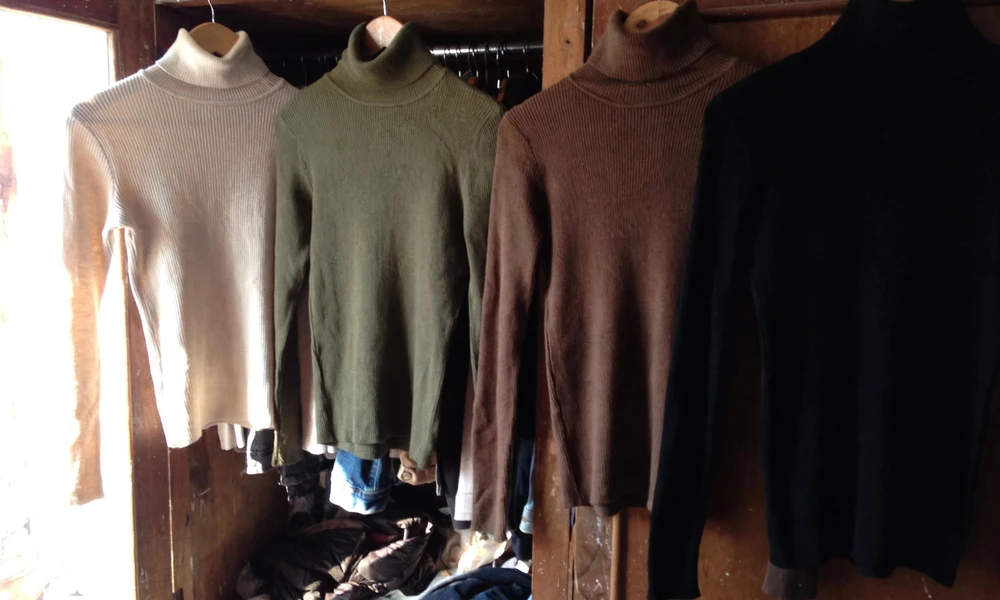
Look next at the fit. The shoulder seam should sit at the edge of your shoulder, not drooping down the arm or pulling across the chest. The body should skim rather than cling, with enough length to tuck or leave loose. A turtleneck that is too tight across the body will ride up and bunch at the waist, while one that is too loose will look shapeless under a coat. Our guide to styling a turtleneck explains how fit changes with the outfit, because the same sweater behaves differently under a blazer and on its own.
Finally, look at the details that show quality. Ribbed cuffs and hems that spring back when stretched, a neck that holds its shape after folding, and seams that lie flat rather than twisting are all practical signs of a well-made knit. A sweater you enjoy wearing every week is worth more than a more expensive one you avoid because the neck itches or the cuffs sag.
The 9 best turtleneck sweaters for women in 2027
Arket Merino Turtleneck
What we like: A clean, fine-gauge merino knit with a neat funnel neck that folds once and stays put, in a range of quiet colours that work with everything. What to consider: The fit is slim, so size up if you want to layer it over a shirt. Best For: Everyday wear and office layering. Material: 100% merino wool. Price Range: £50–£100. Standout Feature: The tidy funnel neck that never flops.
This is the turtleneck to buy first if you do not own one yet. It is simple, well made, and easy to wear several times a week without thinking about it.
COS Cashmere Turtleneck
What we like: A soft cashmere knit with a slightly relaxed body and a tall neck that folds into a neat roll, cut with the clean lines COS is known for. What to consider: Premium price, and the pale colours need careful washing. Best For: Polished, minimal outfits. Material: 100% cashmere. Price Range: £100–£200. Standout Feature: The tall roll neck that frames the face.
For a first cashmere turtleneck, this is a strong choice. It looks more expensive than it is, and the relaxed cut means it layers without bunching.
Massimo Dutti Cashmere Blend Turtleneck
What we like: A smooth cashmere-blend knit with a close fit and a refined finish, in rich autumn colours that suit tailored trousers and midi skirts. What to consider: The blend means it is not pure cashmere, and it can pill under a bag strap. Best For: Smart, tailored looks. Material: Cashmere and wool blend. Price Range: £50–£100. Standout Feature: The smooth, refined finish at a mid-range price.
A practical step into cashmere without the top-tier price. It reads as polished in a work outfit and softens easily for the weekend.
J.Crew Cashmere Turtleneck
What we like: A classic American cashmere turtleneck with a comfortable, true-to-size fit and a neck that folds neatly without strangling. What to consider: The colour range changes seasonally, so a favourite shade may not return. Best For: Classic, preppy styling. Material: 100% cashmere. Price Range: £100–£200. Standout Feature: The reliable, true-to-size fit.
This is the safe, classic pick. It does nothing flashy, which is exactly why it works with so many outfits, year after year.
Uniqlo Premium Lambswool Turtleneck
What we like: A warm, soft lambswool knit at a price that makes it easy to buy in two colours, with a neat neck and a straight, unfussy cut. What to consider: Lambswool can feel slightly textured against bare skin, and it needs a lint roller now and then. Best For: Everyday warmth on a budget. Material: 100% lambswool. Price Range: Under £50. Standout Feature: The warmth for the price.
The best value on this list by a clear margin. Buy it in a dark neutral first, then add a lighter colour once you know the fit works for you.
Sézane Turtleneck Jumper
What we like: A soft, slightly slouchy knit with a Parisian feel, in colours that lean warm and flattering rather than stark. What to consider: The relaxed fit can look untidy under a tailored coat, so wear it with simple bottoms. Best For: Relaxed, French-inspired outfits. Material: Wool and alpaca blend. Price Range: £100–£200. Standout Feature: The soft, slouchy drape.
If your style leans relaxed rather than tailored, this is the turtleneck that will feel most like you. It pairs best with straight jeans and ankle boots.
& Other Stories Chunky Turtleneck
What we like: A thick, cosy knit with a generous roll neck and dropped shoulders, made to be the warmest thing in your wardrobe. What to consider: Too bulky to layer under a fitted coat, so save it for cold, casual days. Best For: Cold weekends and cosy layering. Material: Wool blend. Price Range: £50–£100. Standout Feature: The generous, cosy roll neck.
This is a weekend sweater, not a work one, and it is honest about it. On a freezing day with jeans and boots, nothing on this list is warmer.
Banana Republic Cashmere Turtleneck
What we like: A smooth, mid-weight cashmere turtleneck with a clean silhouette and a neck that sits neatly without fuss, in dependable neutrals. What to consider: The fit runs slightly long in the body, so petite wearers may want to try it on first. Best For: Work and smart-casual outfits. Material: 100% cashmere. Price Range: £100–£200. Standout Feature: The clean, dependable silhouette.
A solid, no-surprises cashmere turtleneck. It is the kind of piece you reach for when you want to look polished without thinking about it.
Everlane The Alpaca Turtleneck
What we like: A light, very warm alpaca knit with a fine gauge and a soft hand, cut slightly boxy so it drapes rather than clings. What to consider: Alpaca can shed a little at first, and the boxy cut suits straight bottoms best. Best For: Lightweight warmth and relaxed outfits. Material: Alpaca and wool blend. Price Range: £100–£200. Standout Feature: The warmth without the weight.
The lightest warm sweater on this list. If heavy knits make you feel weighed down, this is the turtleneck to try.
Which turtleneck suits you best
Start with your neck. If you have a long neck, a tall roll neck looks balanced and elegant. If your neck is shorter, a shorter funnel neck or a mock neck is kinder, because a tall roll can crowd the chin and make the neck look shorter still. If turtlenecks have always felt restrictive, try a looser funnel neck in a fine knit before giving up on the style altogether.
Then think about your shoulders and torso. A slim, fine-gauge turtleneck suits a tailored wardrobe and layers under blazers and coats without adding bulk. A boxy or chunky knit suits a relaxed wardrobe and looks best with straight-leg jeans or a simple midi skirt. Our roundup of cashmere sweaters for women is a useful next read if you want to compare fibres, because the same cut behaves differently in cashmere, merino and lambswool.
Finally, match the colour to your wardrobe, not to the season. A black, charcoal or navy turtleneck will be worn three times as often as a bright one, because it goes with everything you already own. Add a cream or camel version second, once you know the fit and fibre work for you, and save bold colours for a cheaper knit you will not mind wearing less.
The caveats that matter
A turtleneck is a simple garment, but it has a few honest limits. Wool and cashmere can itch, pill, and shrink if washed badly, and a neck that feels fine for five minutes in a shop can feel restrictive after a full day. None of that makes turtlenecks a bad buy, but it does mean the first wear should be a test, not a commitment.
| Detail | What is known |
|---|---|
| Best fibre for most people | Merino wool: warm, breathable, smooth against skin, and easy to care for |
| Softest option | Cashmere: lightest for its warmth, but needs gentle washing and pills easily |
| Best value | Lambswool: warm and durable at the lowest price, with a slightly textured feel |
| Best neck for beginners | A short funnel neck that folds once, rather than a tall roll neck |
| What to avoid layering | A chunky knit under a fitted blazer or coat, where it bunches and adds bulk |
| Care | Hand wash or gentle cold machine wash, dry flat, and never hang a wet knit |
| When to size up | If you plan to layer over a shirt, or if the fit is slim through the body |
| What it does not do | It does not suit every neck, every body or every dress code, and a tight neck will not loosen with wear |
If you have sensitive skin, eczema, or a wool allergy, choose a cotton-blend or a silk-blend turtleneck, or wear a thin cotton layer underneath a wool one. That is not a compromise. A barrier layer solves the itch without giving up the look, and it also protects the knit from skin oils, so it needs washing less often.
Checklist: buying a turtleneck sweater honestly
Use these checks before you buy, and again after the first wear.
- Check the neck: it should sit close without pulling, fold neatly once or twice, and stay in place when you turn your head.
- Check the fibre on the label: merino for versatility, cashmere for softness, lambswool for value.
- Check the shoulder seam: it should sit at the edge of your shoulder, not drooping or pulling.
- Try it with your hair up and down, and sitting as well as standing, before you decide.
- Check the length: long enough to tuck or leave loose, without riding up when you move.
- Check the care label: if it needs dry cleaning only and you will not dry clean it, do not buy it.
Frequently asked questions
Are turtleneck sweaters in style for 2027?
Yes. The turtleneck is a classic rather than a trend, so it never really leaves, and the 2027 versions lean fine-gauge and minimal, with tall roll necks and relaxed fits. A simple black or cream turtleneck will not look dated next winter either.
What should I wear under a turtleneck sweater?
Usually nothing, or a thin cotton camisole if the wool itches or you want an extra layer of warmth. Avoid a collared shirt underneath unless the neck is loose, because the collar bunches and fights with the roll.
How do I stop a turtleneck from itching?
Choose a softer fibre, such as cashmere or fine merino, and wear a thin cotton layer underneath. Soaking a new wool knit in cool water with a little hair conditioner can soften the fibres, but it will not fix a genuinely scratchy yarn.
Can I wear a turtleneck to the office?
Yes, if it is a fine-gauge knit in a dark neutral, worn with tailored trousers or a midi skirt and a blazer. Chunky knits and bright colours read as casual, so save those for the weekend. A ribbed sweater is a good alternative if you want texture without the high neck.
How should I wash a turtleneck sweater?
Hand wash in cool water with a gentle detergent, or use a cold gentle machine cycle inside a laundry bag. Dry it flat on a towel, reshaping the neck and body, and never hang a wet knit, because the weight stretches it out of shape.
Do turtlenecks suit everyone?
Almost everyone can wear one, but the cut matters. A tall roll neck suits a long neck best, while a shorter funnel neck is kinder on a shorter neck. If the neck feels restrictive or itchy after an hour, try a different cut or fibre rather than forcing it.
The bottom line
The best turtleneck sweater in 2027 is not the most expensive or the trendiest. It is the one with a neck that sits comfortably all day, a fibre your skin likes, and a fit that works with the clothes you already own. For most people, that means a fine-gauge merino or cashmere turtleneck in a dark neutral, bought in a size that layers without bunching.
Choose one sweater, wear it three different ways in the first week, and judge it on comfort at the end of the day, not on how it looks in the mirror for five minutes. That is the honest way to find a turtleneck you will actually reach for, instead of one that lives at the back of the drawer.